
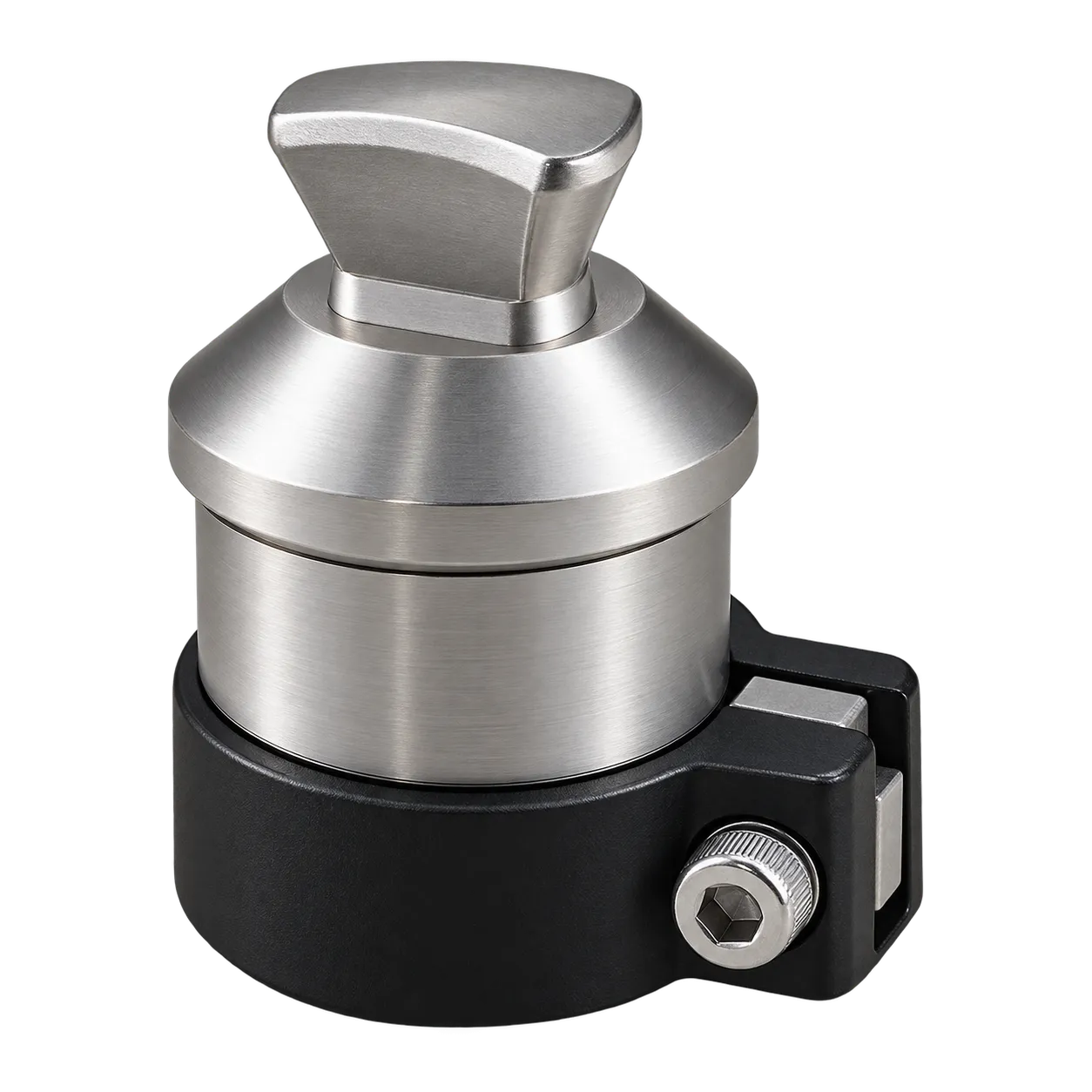
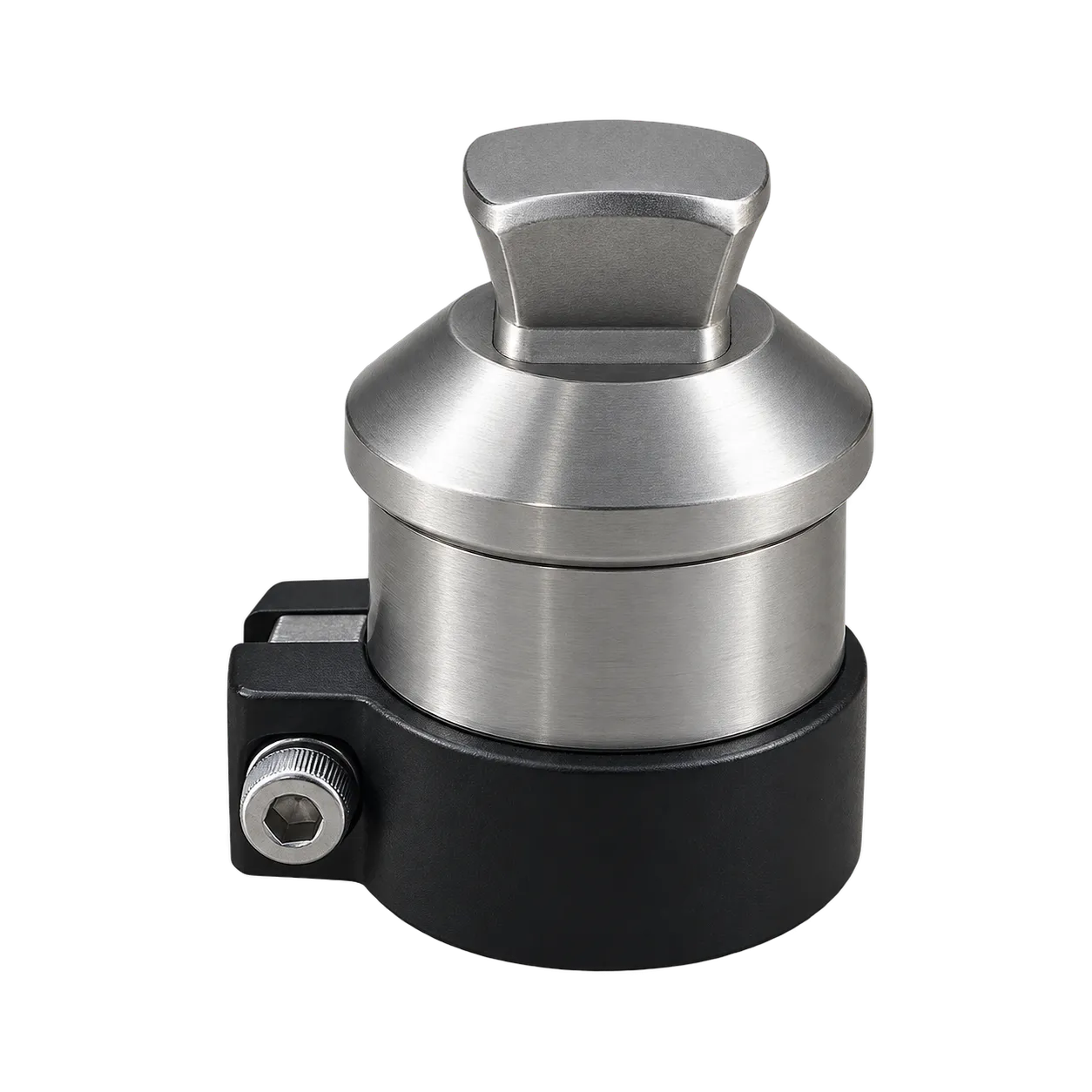
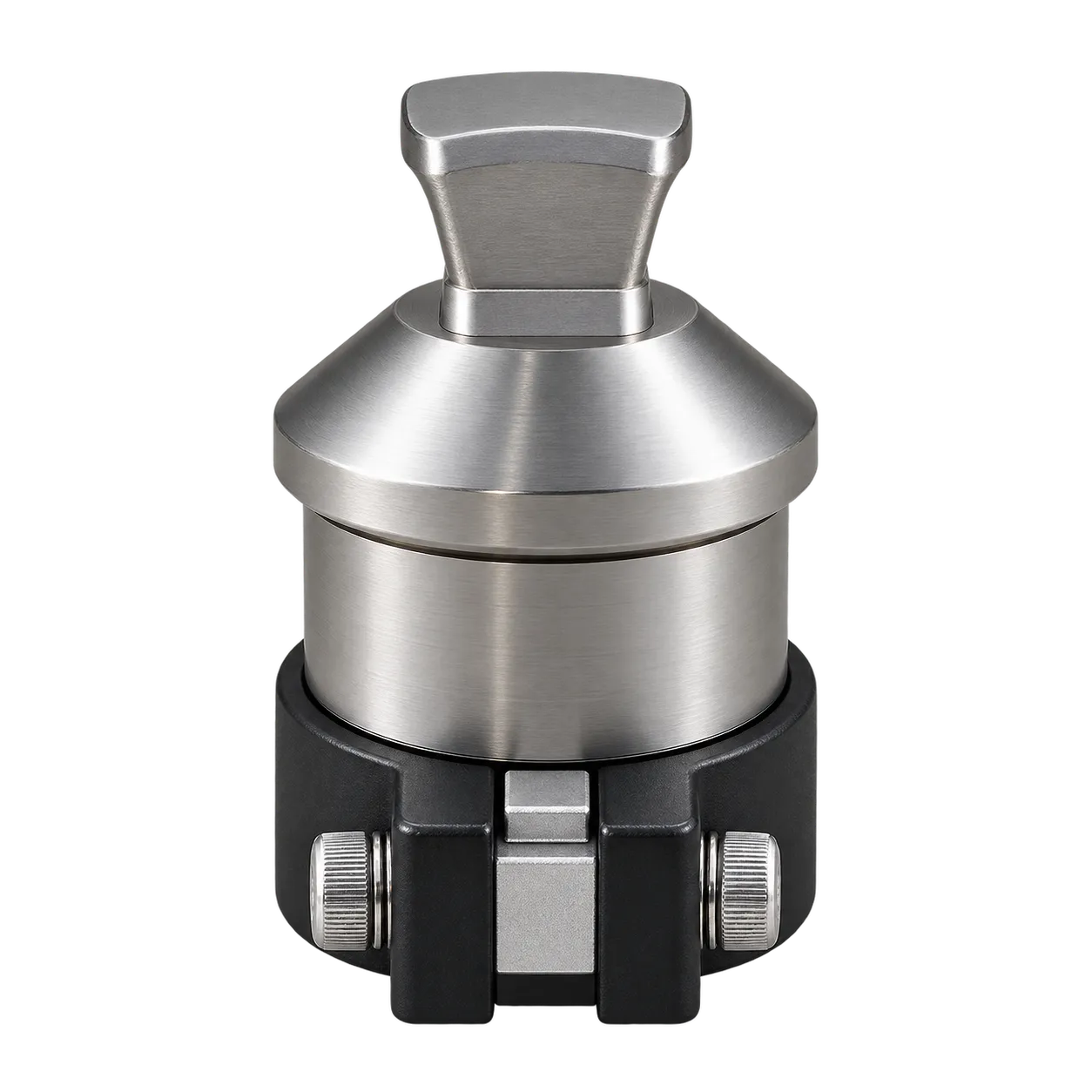
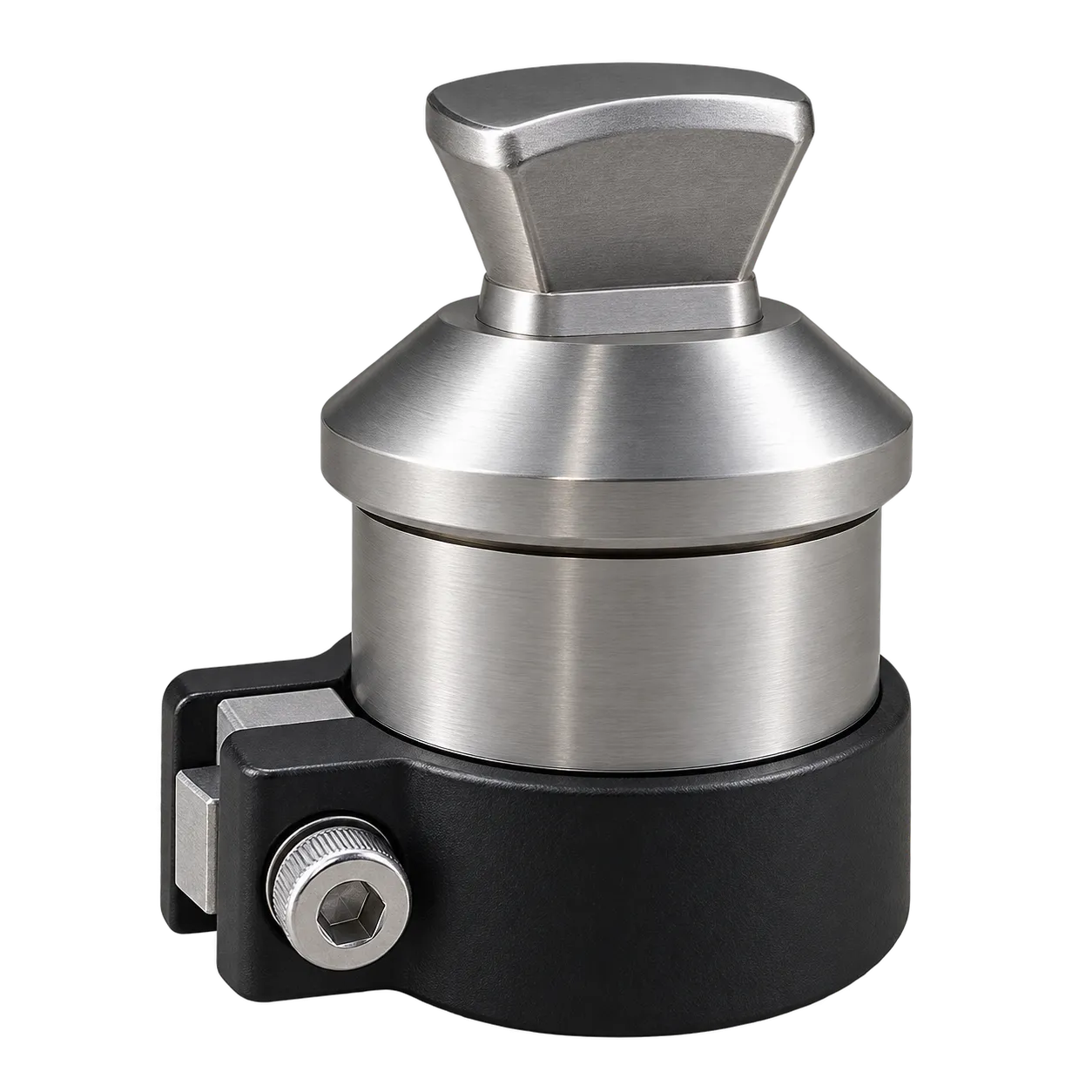
Prosthetic clinics using pyramid-based systems need a reliable way to put a pyramid on the end of a pylon tube, and a clamp like the 4F25 does exactly that. With the pyramid seated in a receiver above or below, the prosthetist aligns the limb at that joint in the usual way. Confirmed bore and build height let the pylon be cut to the right length. Medigear.uk supplies both in writing with the certification records.
Rehabilitation services benefit from alignment that can be adjusted quickly between sessions as a wearer's gait changes. Because the adjustment happens at the pyramid receiver, the clamp itself rarely needs disturbing once set. Clamp and set screws should still be checked at reviews. Medigear.uk can provide manufacturer documentation, including torque figures, for a service's own records.
Workshops use pyramid tube clamps in a large share of modular builds, so a confirmed specification makes restocking simple. The two fits that matter, tube bore and pyramid size, are settled before ordering to avoid mismatched stock. Material and finish are confirmed at the same time, so stock can be planned with confidence. Volume terms, OEM branding and ODM work are arranged through Medigear.uk.
For the wearer, a well-fitted clamp is one of the quiet parts that keep the limb steady through every step. Any slipping of the tube, creaking at the joint or change in how the limb sits deserves prompt attention. Mentioning it early to the prosthetist prevents small movement becoming a larger problem. Medigear.uk answers questions from wearers ordering replacements with their clinical team.