
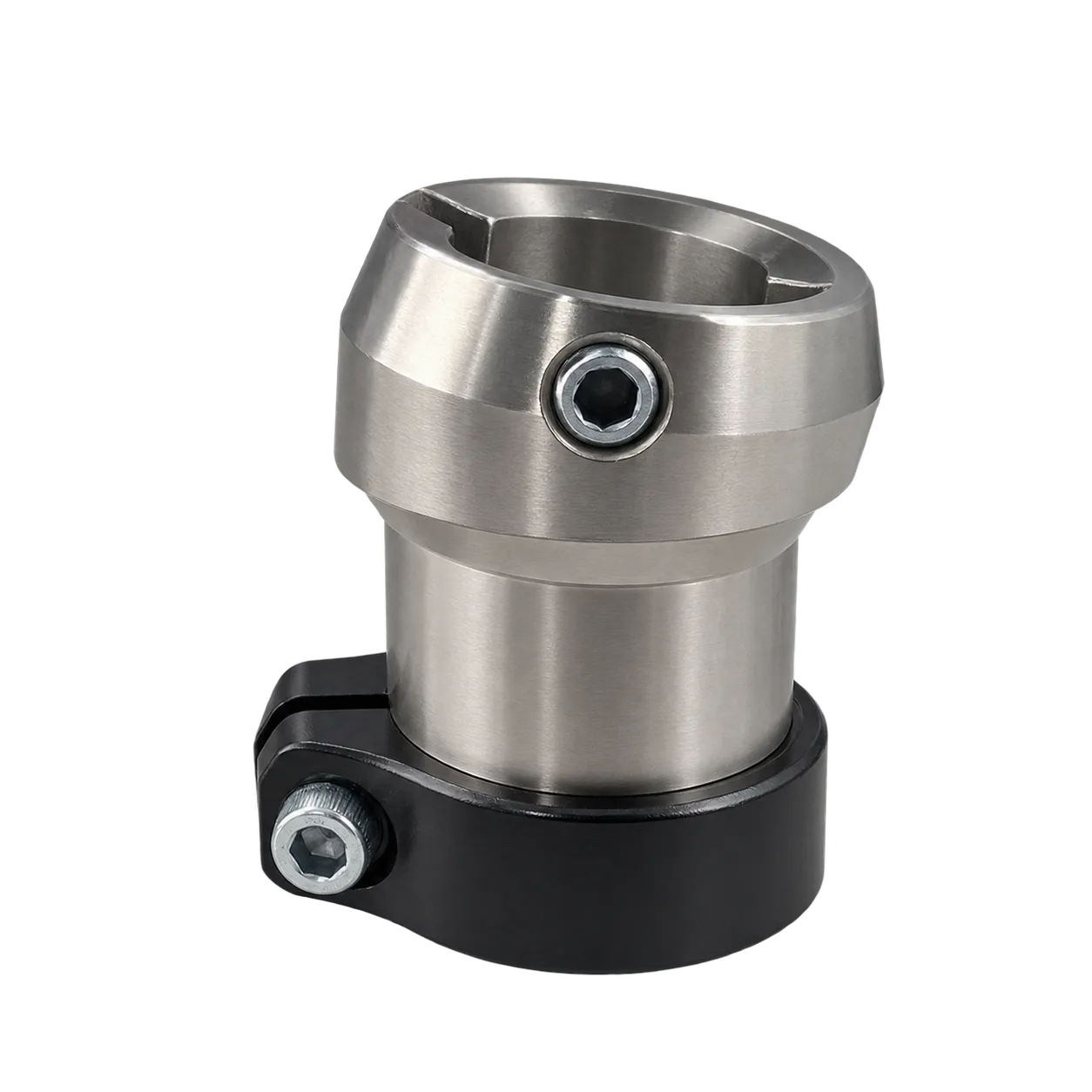
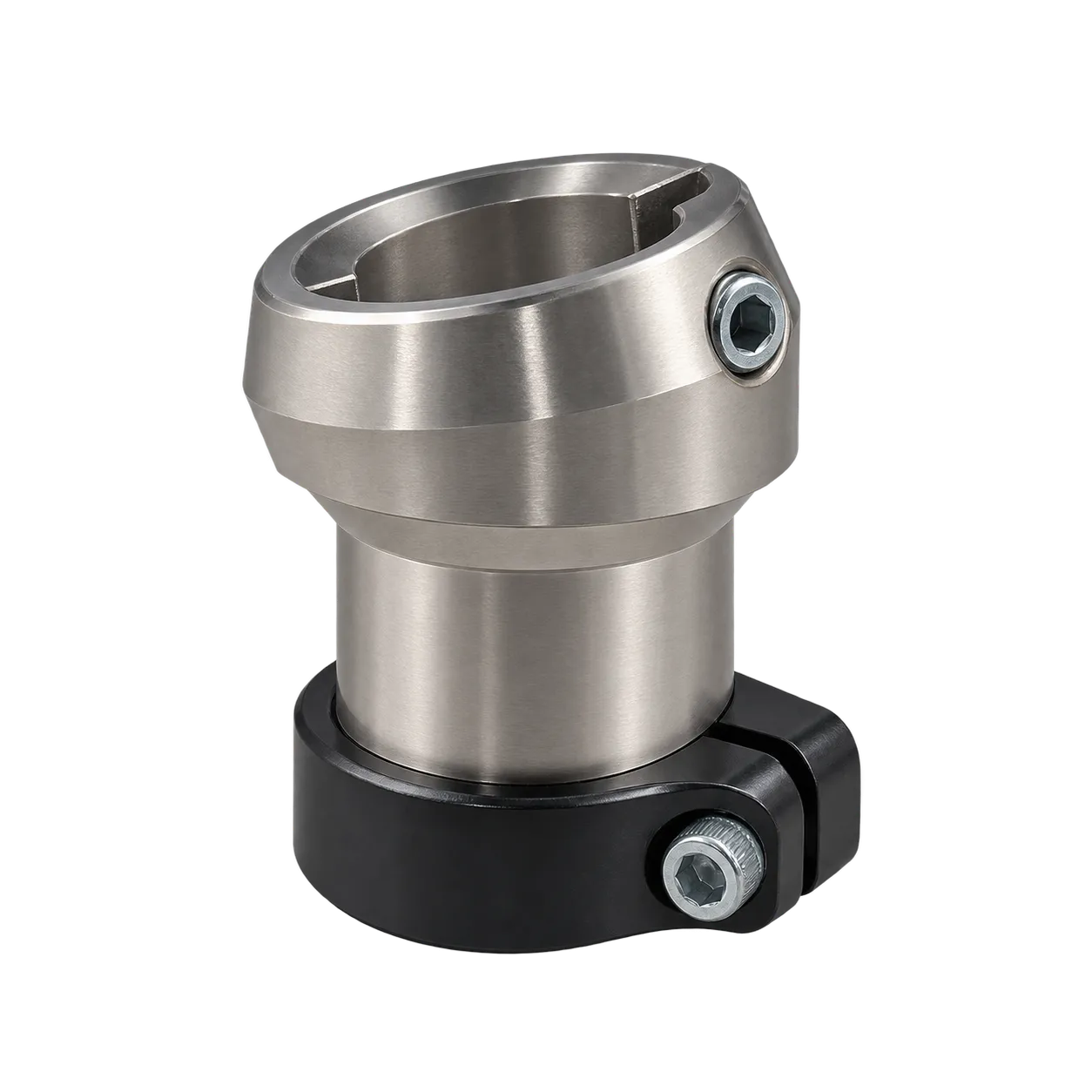
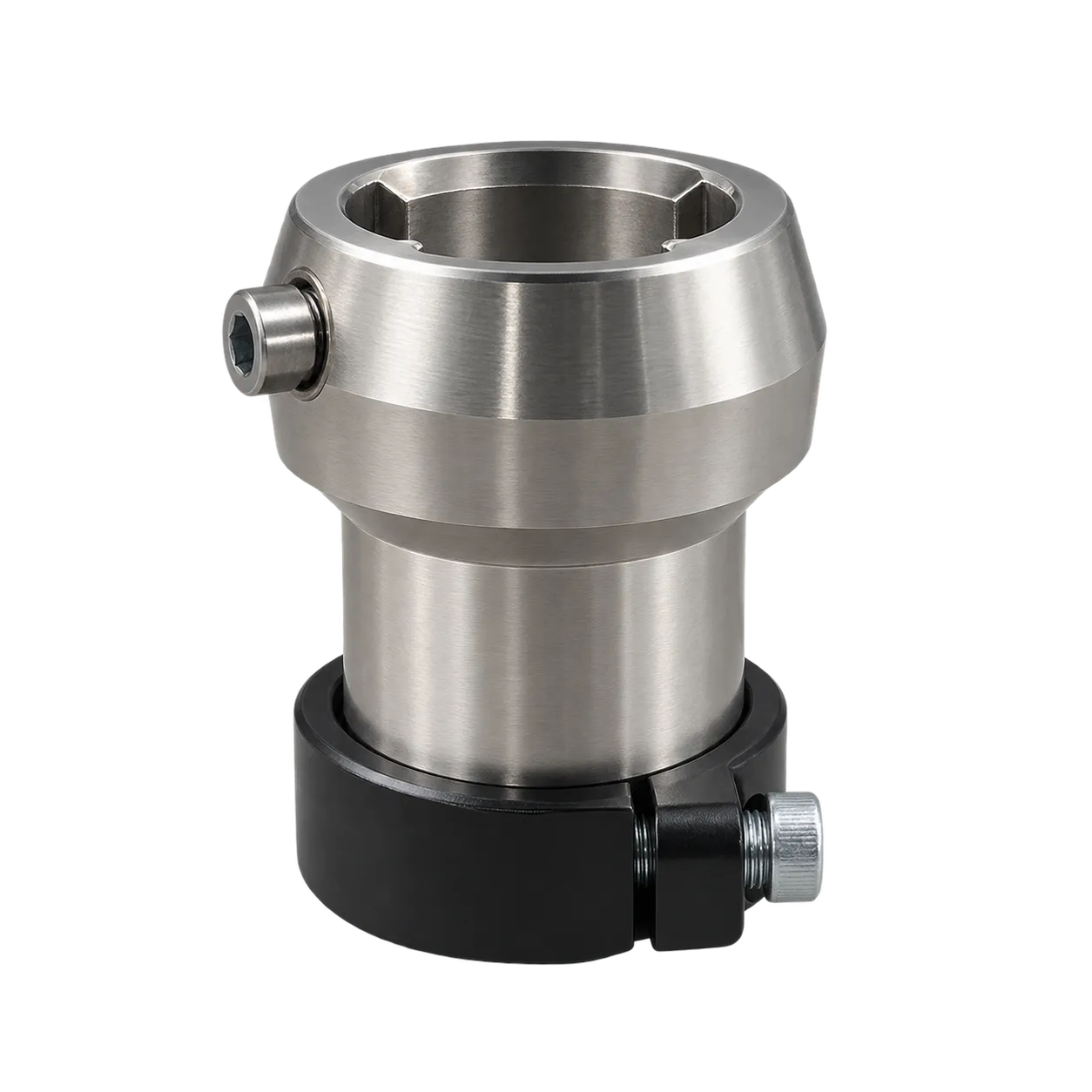
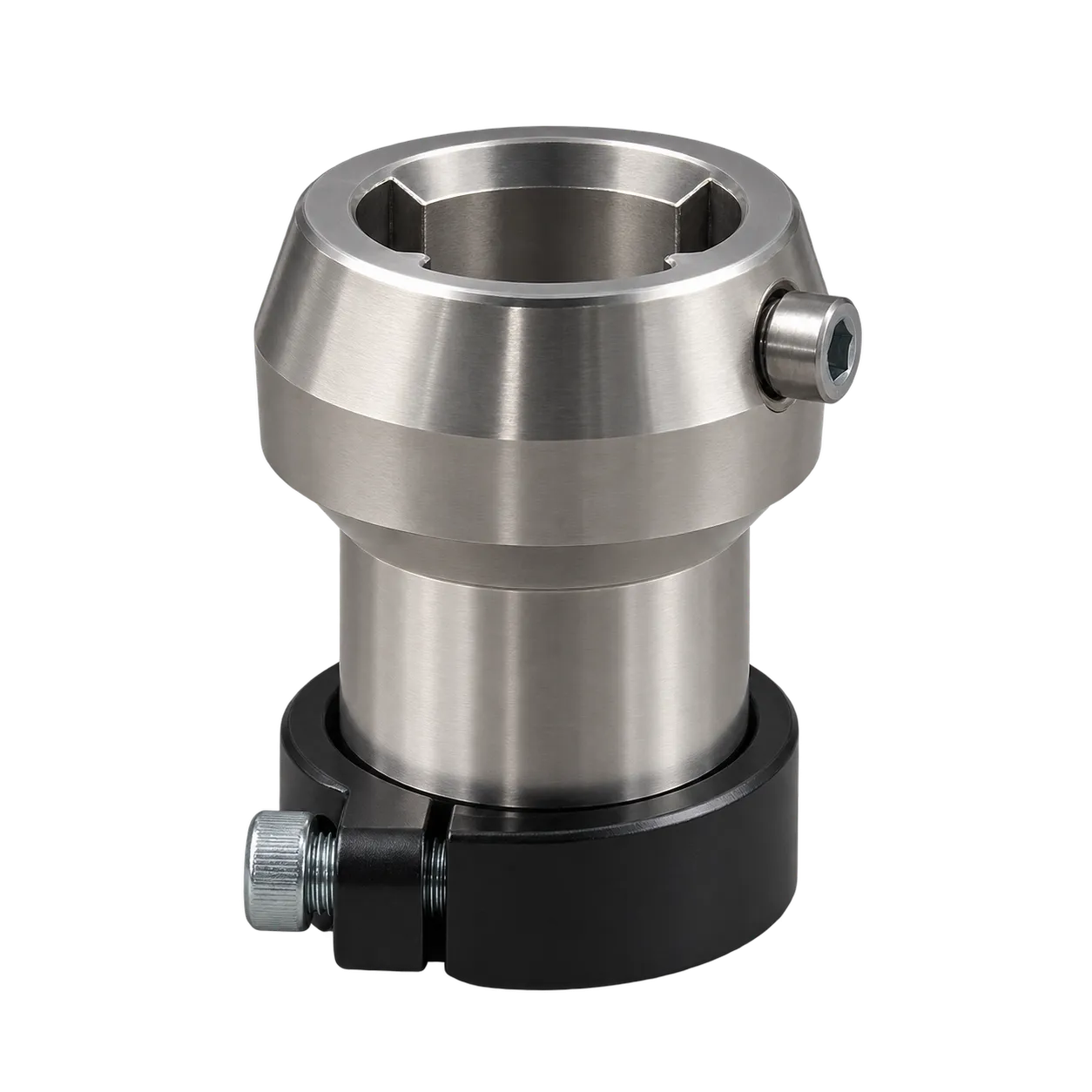
Prosthetic centres and limb-fitting services that need to build a fixed angle into a limb are the main users. The adapter provides 20 degrees of angle between its two ends and is rated to 125 kg. The intended amputation levels and connection types are not stated, so confirm them before adding the part to a build protocol.
Users with a residual limb that cannot straighten fully are the group fixed-angle adapters most often serve. Building the angle into the limb lets the socket fit the limb as it is, while the foot or knee below sits in a functional position. The prosthetist decides whether 20 degrees suits the individual.
Services setting a transfemoral or transtibial socket at a planned angle can use the adapter to create that angle without using up the adjustment in the pyramid receivers. Bench alignment, static alignment and a walking trial should confirm the result, and the settings should be recorded.
Charitable limb programmes and export buyers can stock the adapter where users with fixed contractures are common. Confirm connection types, angle direction, locking method, torque values and material-specific ratings before placing an order.
Because an angled adapter changes how load passes through the limb, the prosthetist should check the user's gait and comfort at follow-up and record any change. A small change in orientation can make a noticeable difference, so the fitted orientation belongs in the notes.
The adapter is not suited to users above 125 kg, to limbs whose components do not match its connections, or to users who need a variable angle. The conformity documentation those procurement routes require is issued by the manufacturer and provided by the seller.