
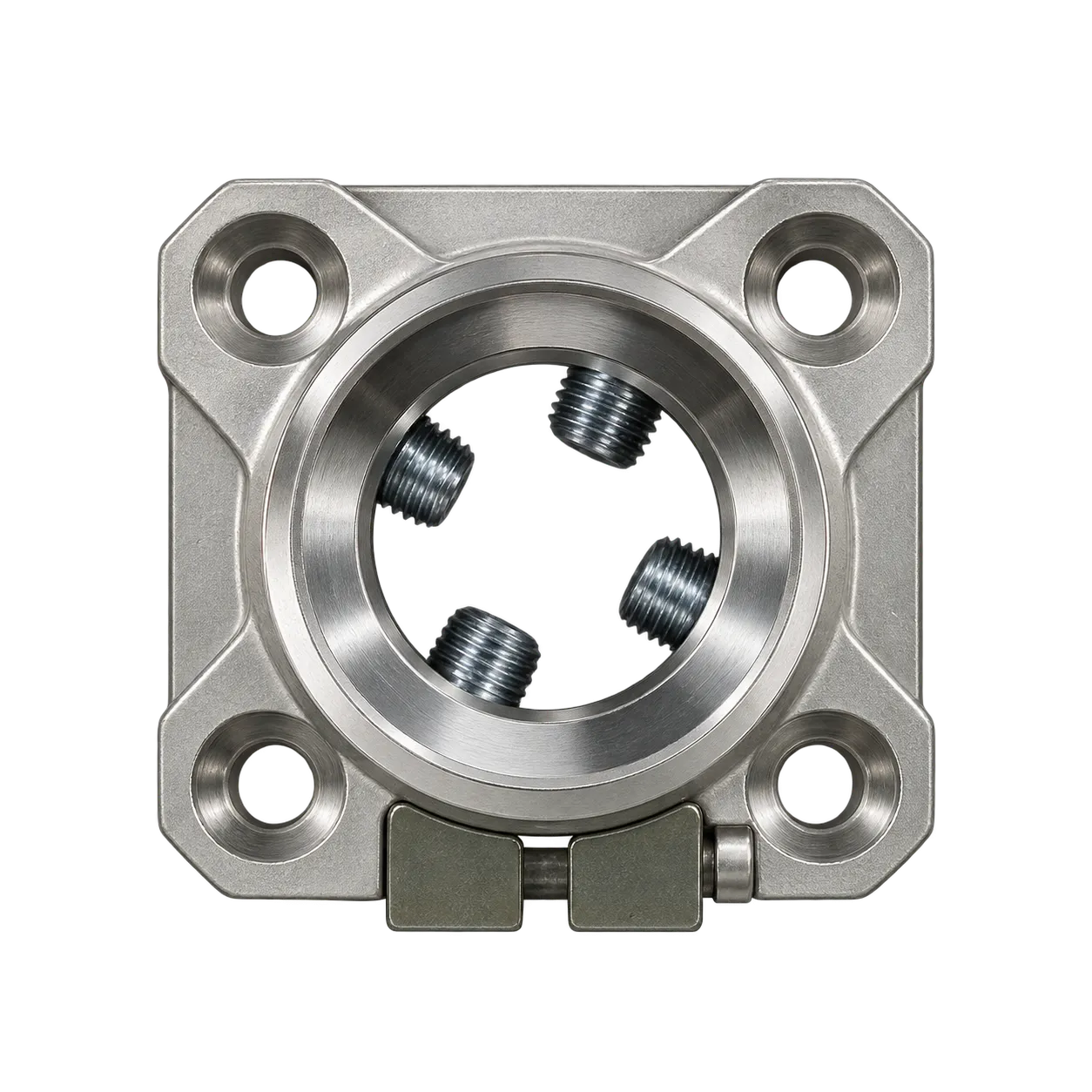
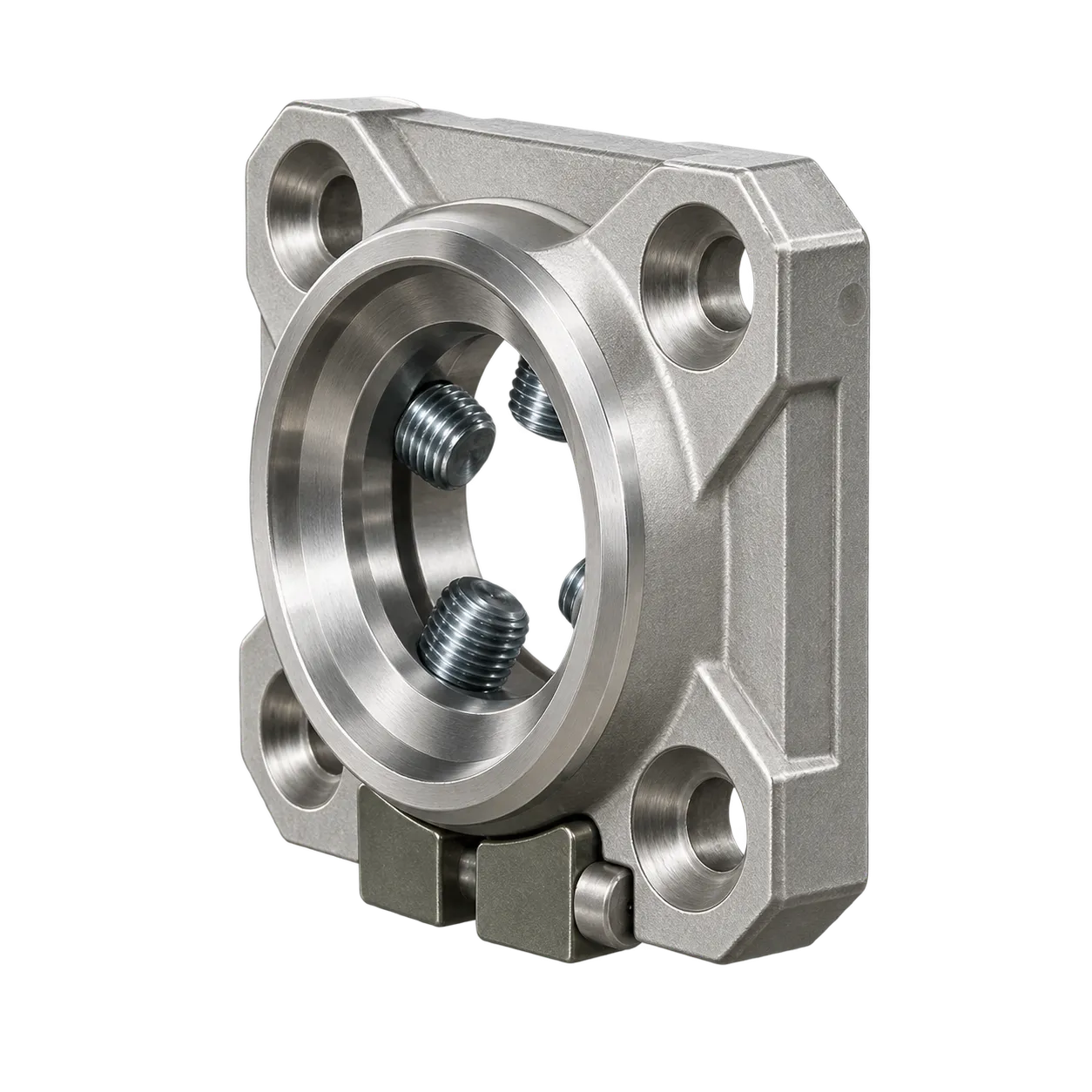
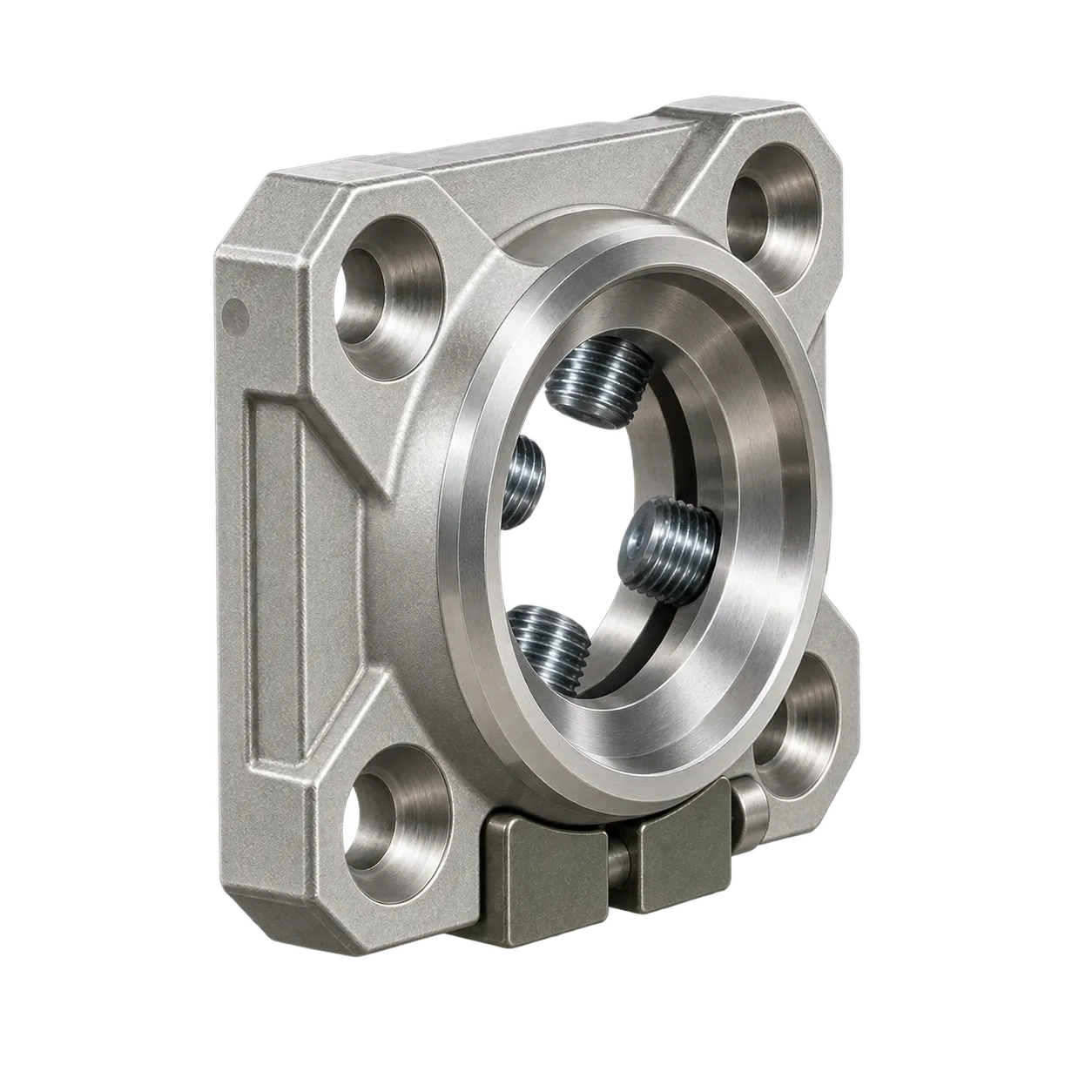
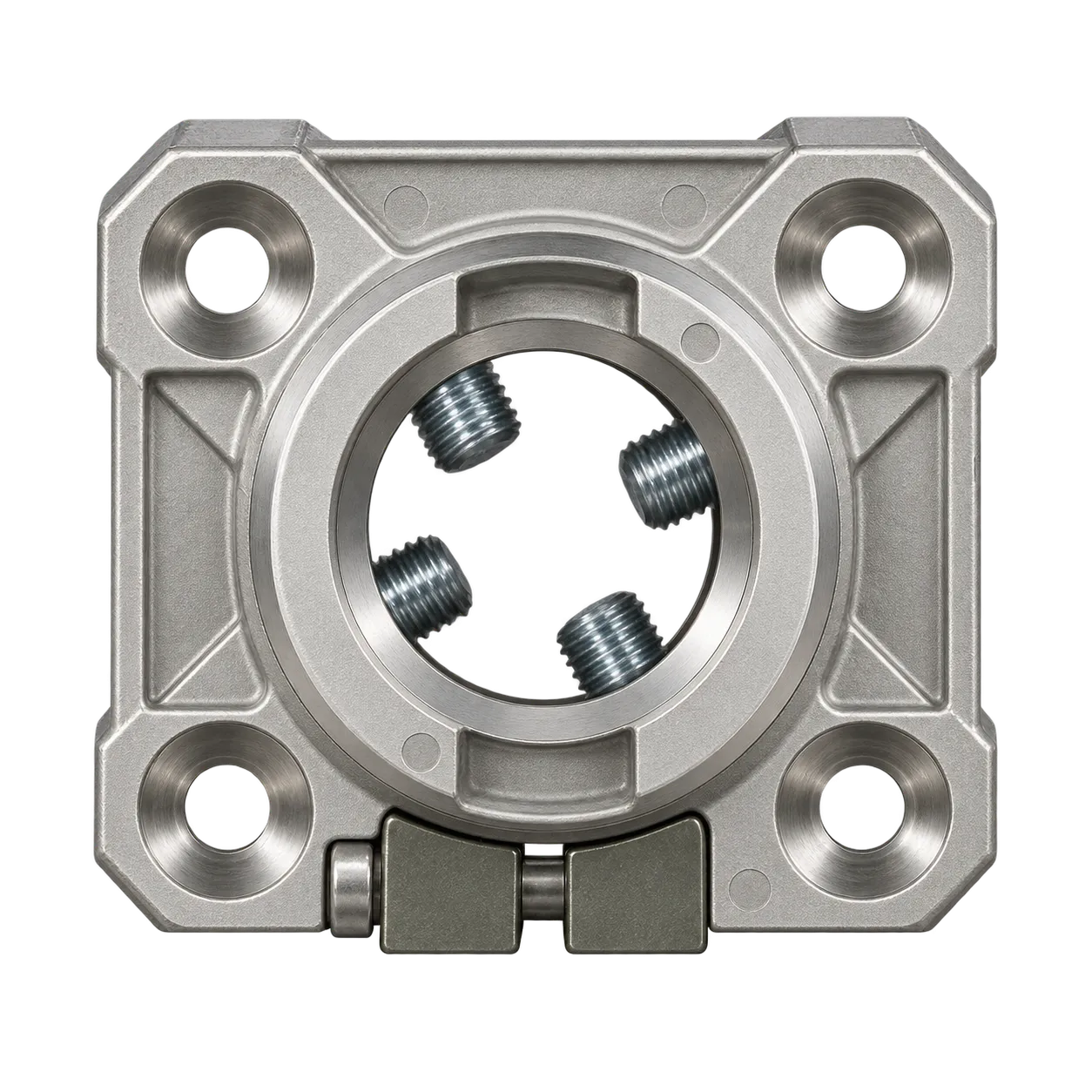
Prosthetic clinics rely on the socket adaptor for the alignment they set during fitting, because everything below it follows from that point. The 4F22-ARSP offers a set-screw receiver, so adjustments can be made at try-in and revisited once the wearer has walked on the limb. Confirmed build height tells the prosthetist how much room the adaptor takes beneath the socket. Medigear.uk supplies that figure, the rating and the torque specification in writing.
Therapy teams see the results of alignment rather than the hardware itself. When a wearer's gait suggests the limb needs adjustment, the receiver gives the prosthetist a straightforward way to respond without rebuilding anything. Keeping the screws checked during reviews supports consistent performance between sessions. Medigear.uk can supply manufacturer documentation for a service's records, including the torque figure the workshop should work to.
Socket fabrication workshops care most about hole spacing, because the plate has to match the fixings laid into the socket. Confirming that before order prevents wasted lamination work. Material options, weights and the receiver format are settled at the same time, so the plate arrives ready to bond into the build. Volume terms, OEM branding and ODM work are all arranged through Medigear.uk.
For the wearer, this small plate is what keeps the socket and limb working as one. A correctly torqued receiver stays quiet and secure through everyday walking. Any clicking, movement or change in how the limb sits is worth reporting to the prosthetist promptly rather than waiting for the next scheduled visit. Medigear.uk answers questions from wearers ordering replacements alongside their clinical team.