
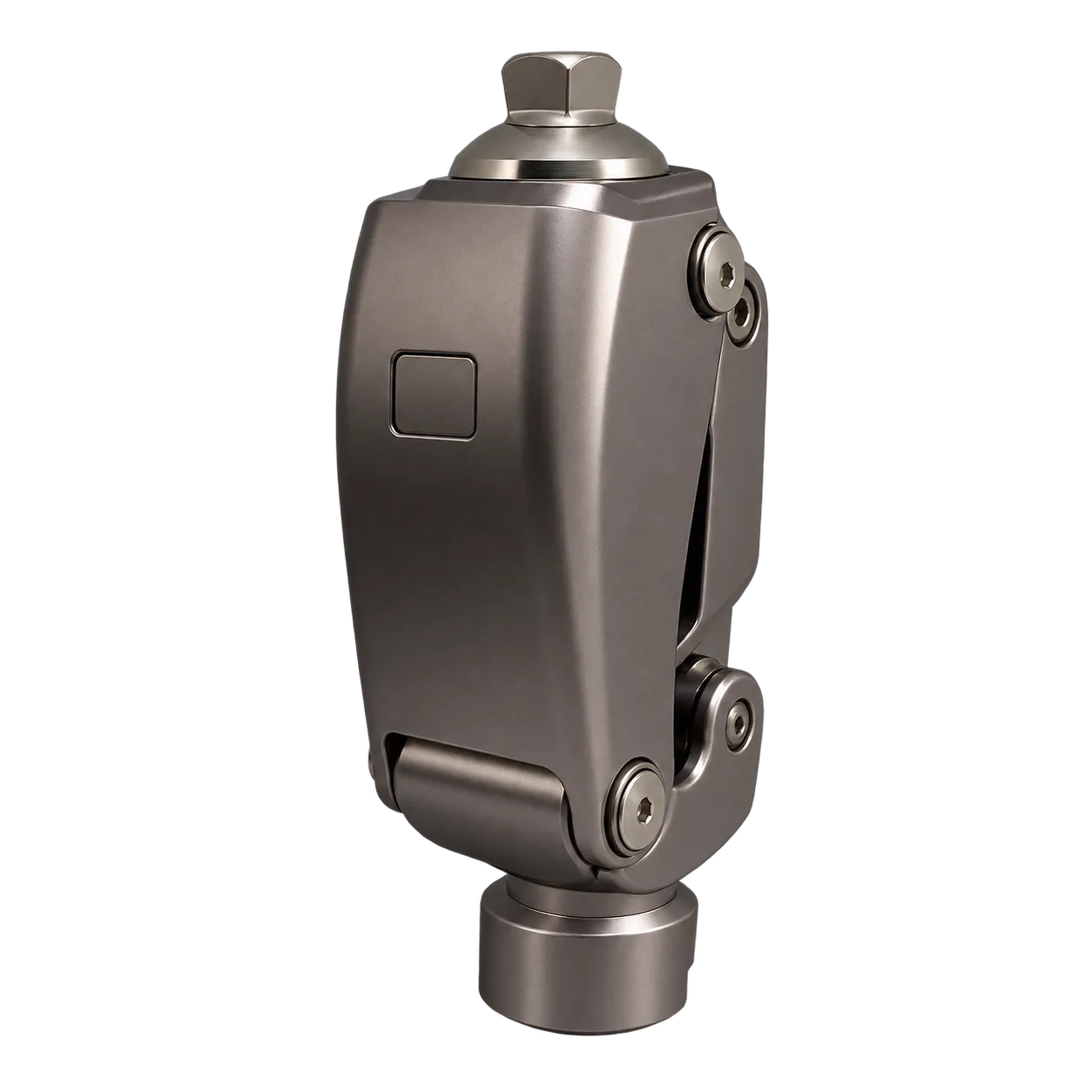
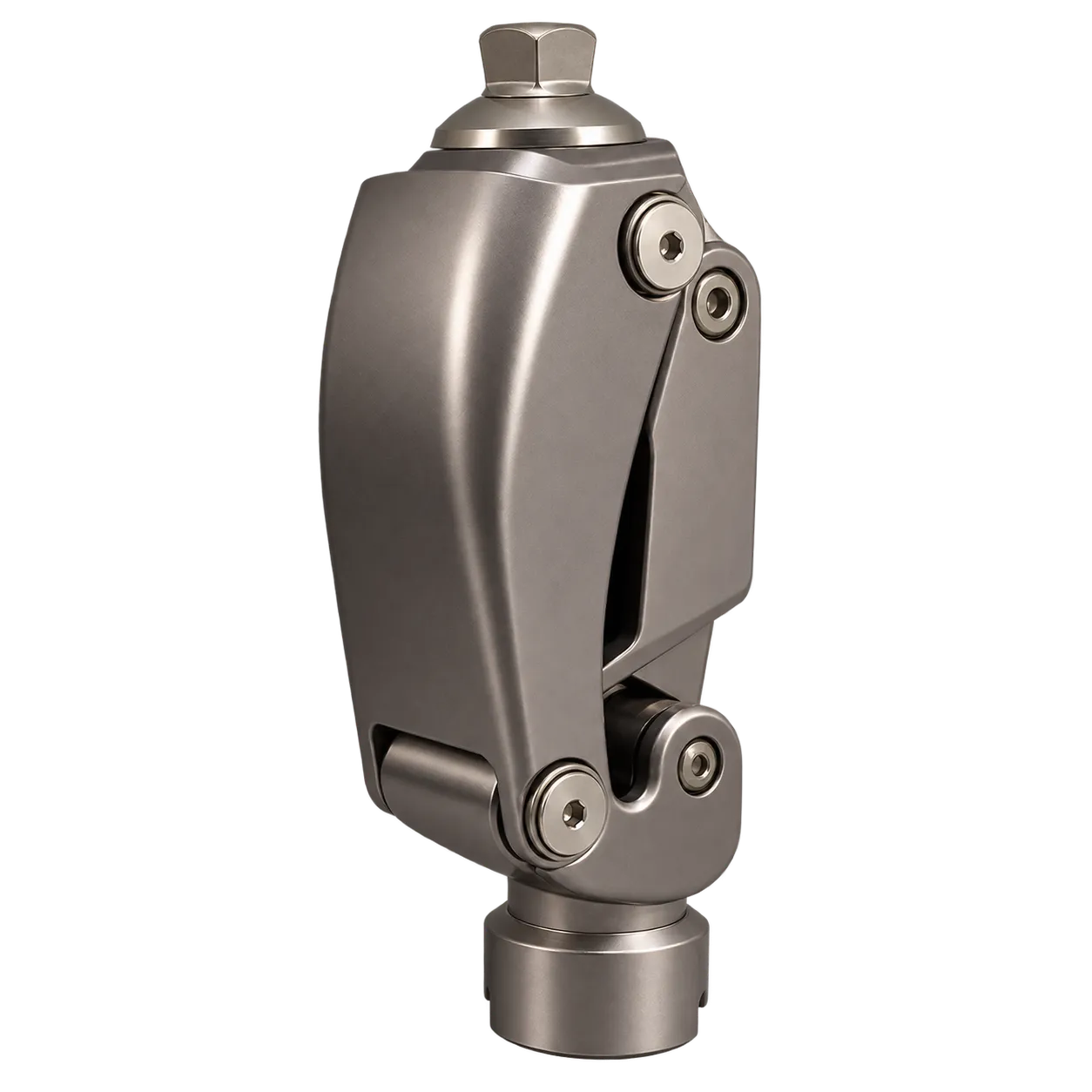
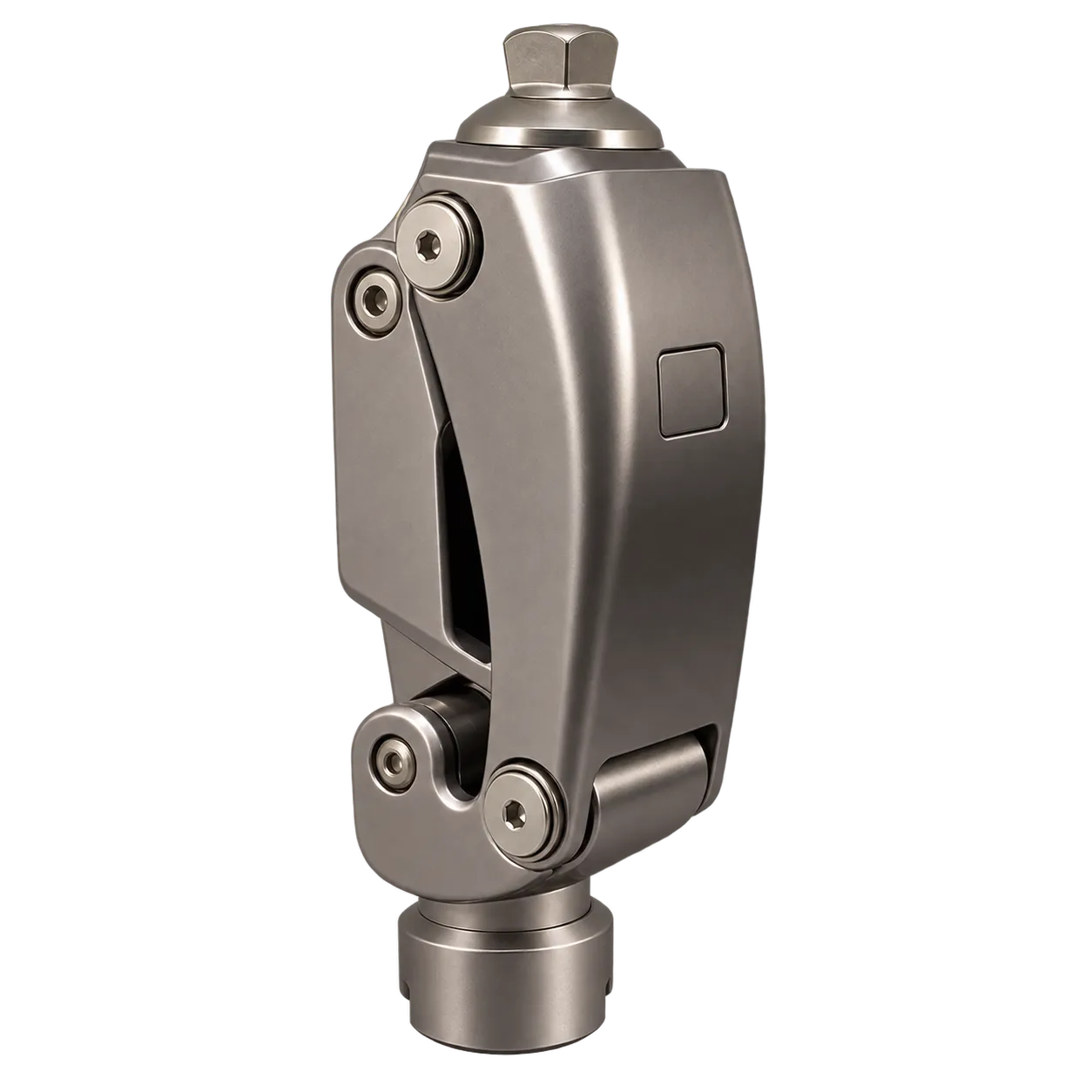
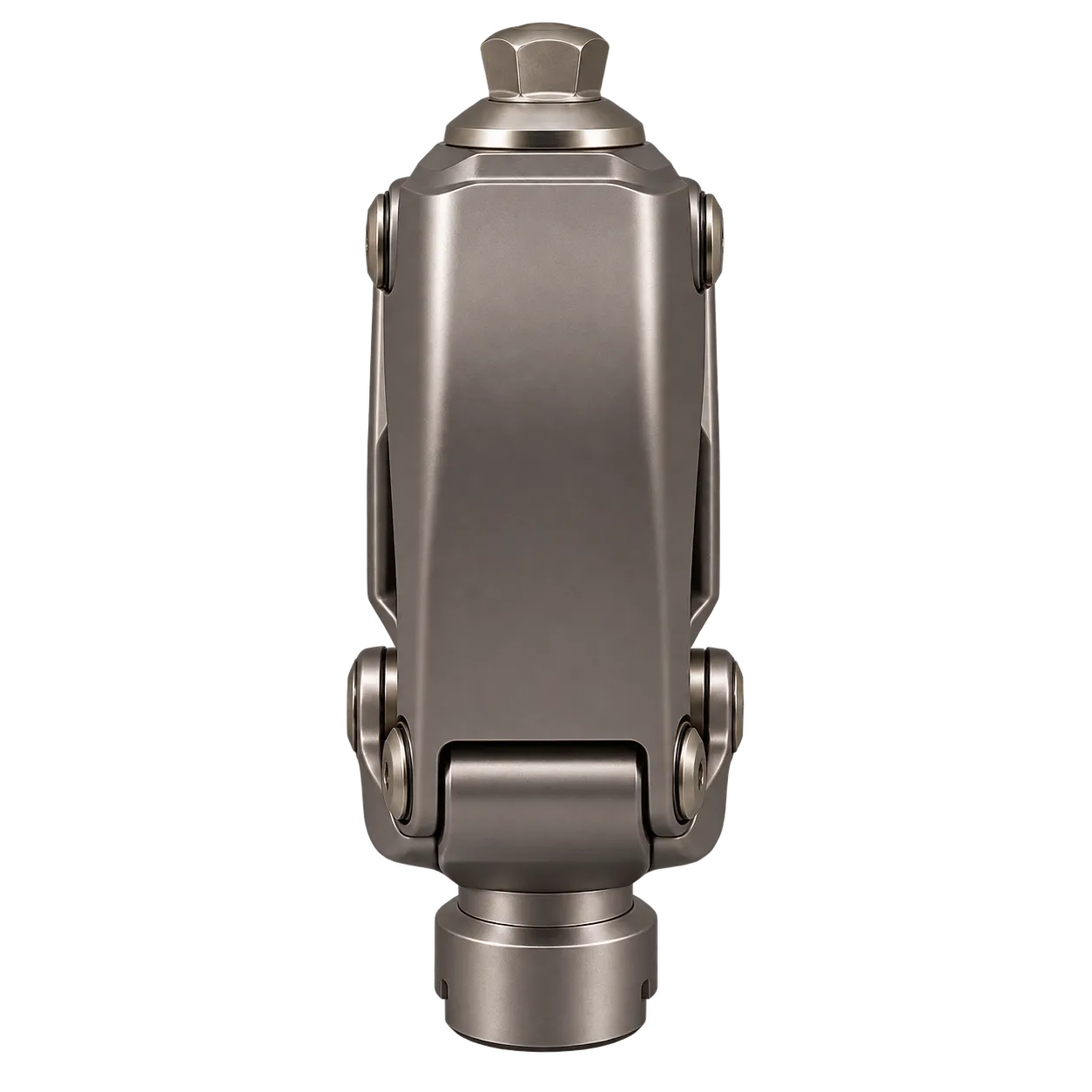
The 3FH65-F suits services that have to show their paperwork as well as fit a limb. Private prosthetic clinics, limb-fitting centres, rehabilitation hospitals and export programmes all meet the same question from an auditor, an insurer or a tender panel: which document names this part? Here the answer begins with a published EU declaration that lists the code as a Class I hydraulic knee joint, and it continues with the papers the manufacturer issues on request.
Clinically, the knee belongs to transfemoral wearers who walk at more than one speed. A 2019 clinical practice guideline states that knees with hydraulic or pneumatic swing resistance are indicated for active walkers, permitting increased walking comfort, speed and symmetry. That guideline also recommends microprocessor knees to reduce stumbles and falls, a finding to weigh for wearers with a falls history. Both statements describe knee types, and neither tested this model.
A prosthetist still decides the fit. The sheet's 150 kg load weight and 902 g mass point toward larger, stronger adults, and the finished limb takes the rating of its lowest-rated part. Wearers who need a lock, and those who walk only indoors, are better served by another specification.
The file then follows the wearer. A workshop records the knee's lot number against the limb, writes the custom-made device statement, and notes where an incident would be reported. Vigilance runs both ways, because the manufacturer needs the lot number to investigate and the clinic needs the manufacturer's notices to act.
NHS trusts in England buy prosthetic products through the mandated NHS Supply Chain framework, and public buyers elsewhere use their own routes. The conformity documentation those procurement routes require is issued by the manufacturer and shared by the enquiry team.