
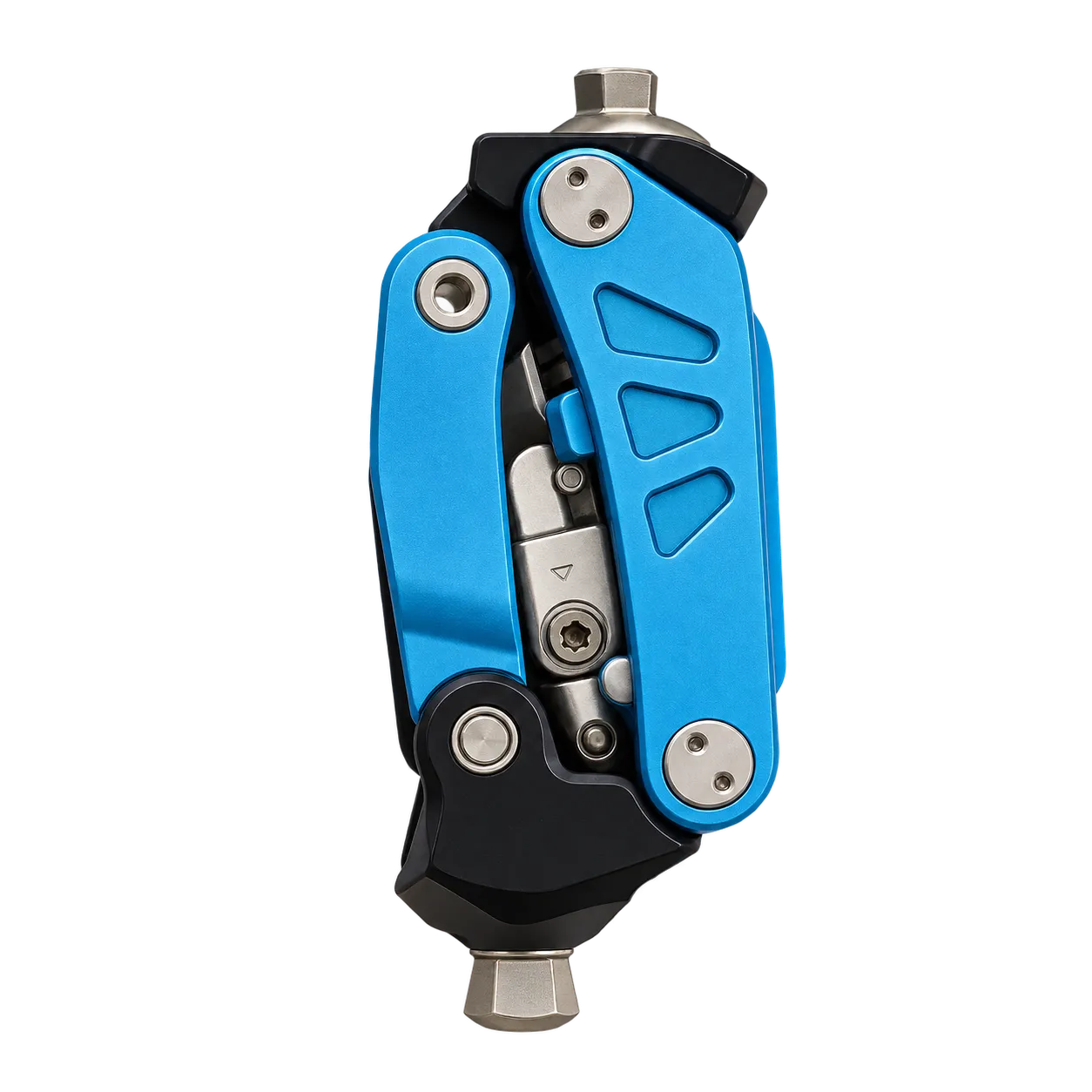
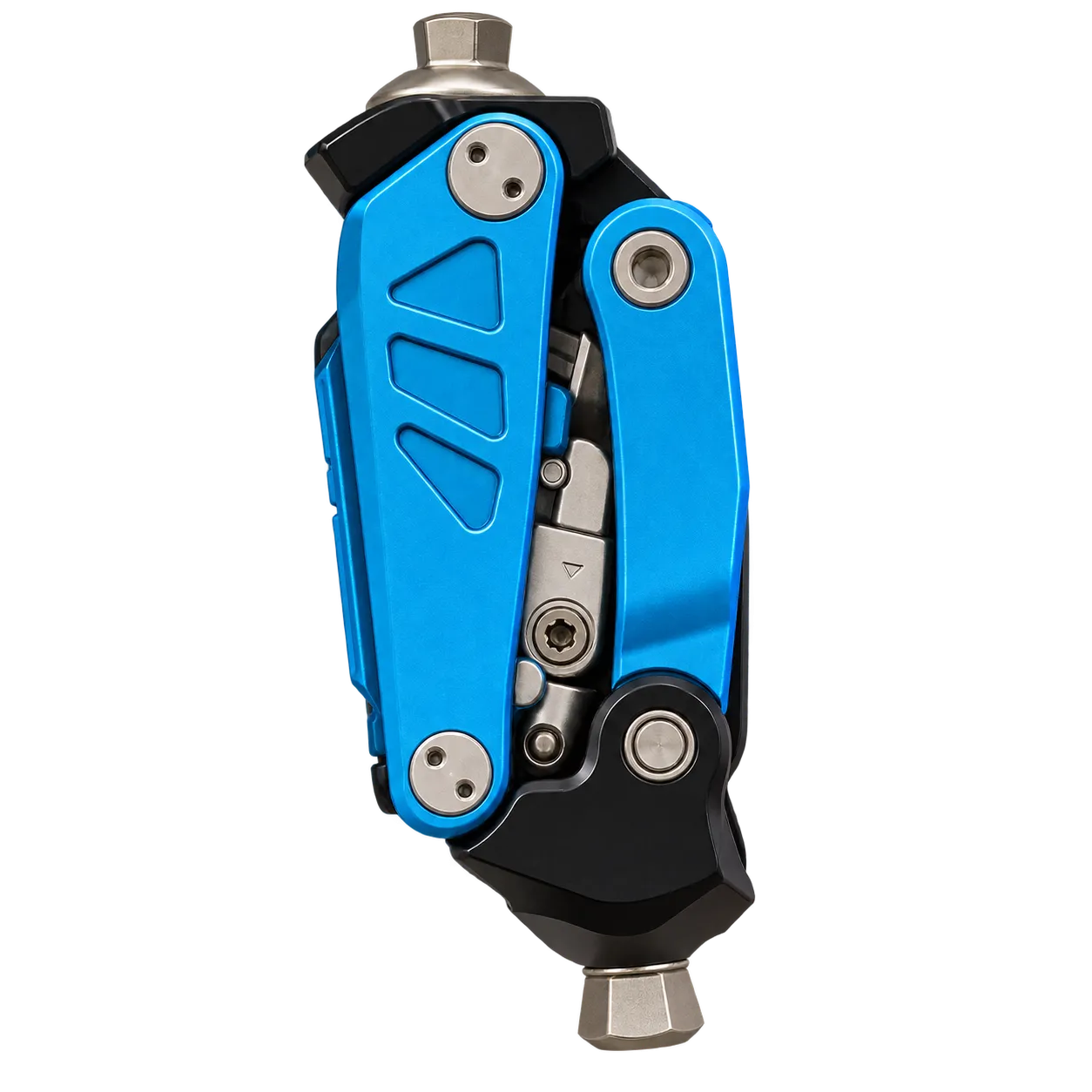
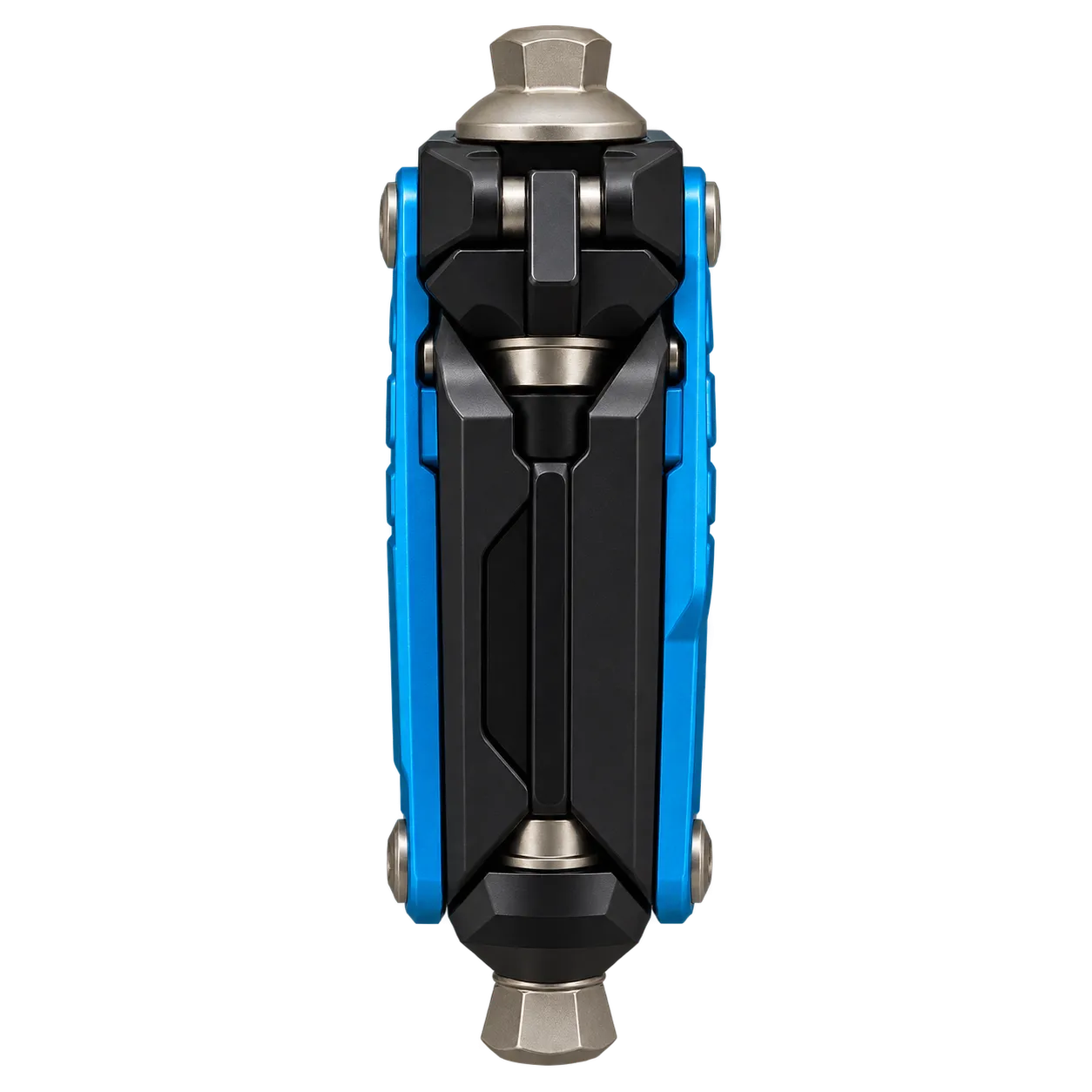
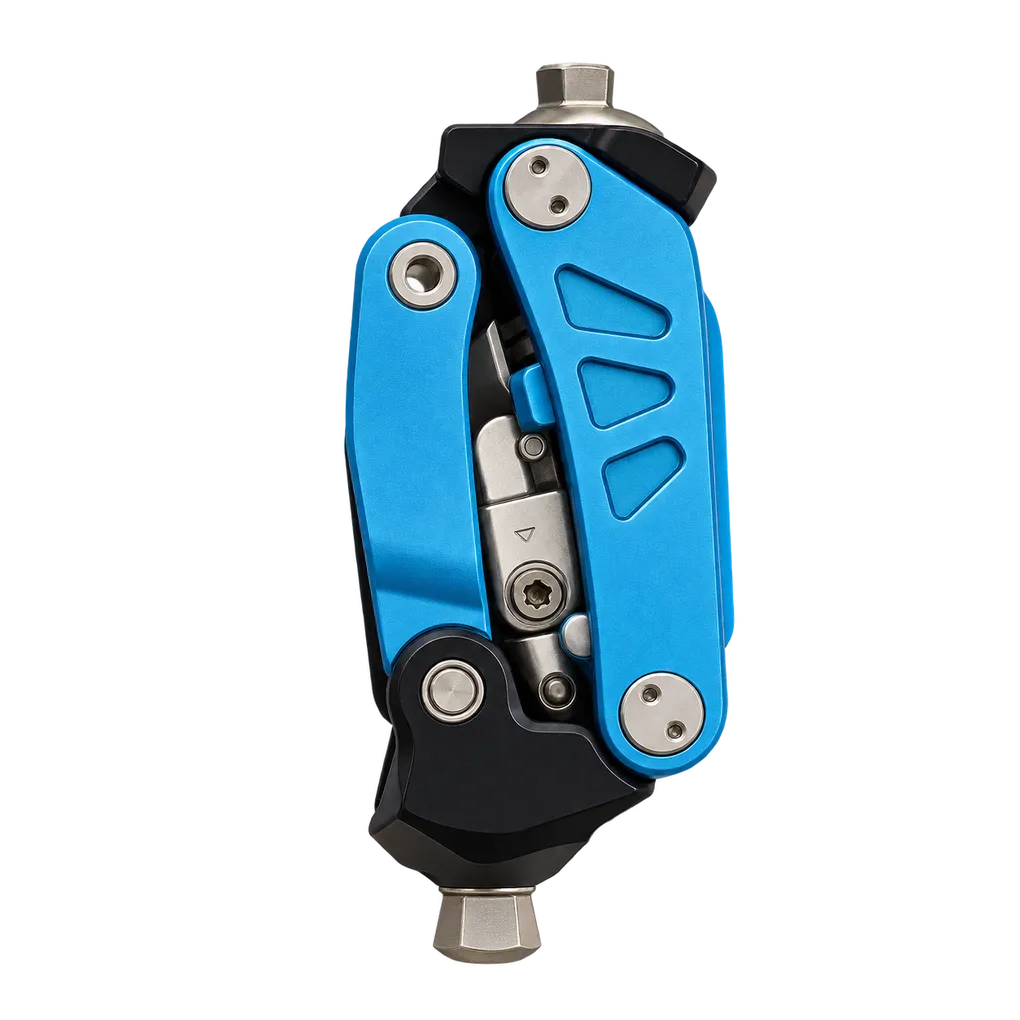
The 3FH65 fits transfemoral limbs for wearers who walk unlocked and at more than one pace, and its safety case has two parts that a service should plan separately. The first is geometric. Published analyses of four-bar knees describe a centre of rotation that starts high and behind the load line, which holds the joint straight at heel strike. The same work describes a linkage that shortens slightly as it folds, helping the toe clear the ground. Alignment delivers or loses that benefit.
The second part is the cylinder. Evidence on fluid-controlled knees as a type is sobering. A 2022 retrospective study in Physical Therapy followed 815 inpatients through 1,486 rehabilitation stays and recorded 2.81 falls per 1,000 patient-days with fluid-controlled knees. Its incidence rate ratio against microprocessor knees was 2.44, and no other pairing reached significance. Those figures come from early prosthetic training and from pooled knee types, so they set a level of caution for the category and say nothing about this model.
In practice that caution becomes a routine. Gait training on a hydraulic knee starts between rails. The wearer learns three cues before discharge: a looser swing, a knock at full extension and oil on the frame. The limb file records swing settings at fitting, so a later review has a baseline. Anyone reporting a cue is seen promptly, and the cylinder is bled or returned only as the instructions for use direct.
Limb-fitting centres, rehabilitation hospitals, private prosthetic clinics and export programmes with follow-up capacity are the natural settings. NHS trusts in England order through the mandated prosthetics framework, and public buyers elsewhere follow their own rules. The conformity documentation those procurement routes require is issued by the manufacturer and shared by the enquiry team.