
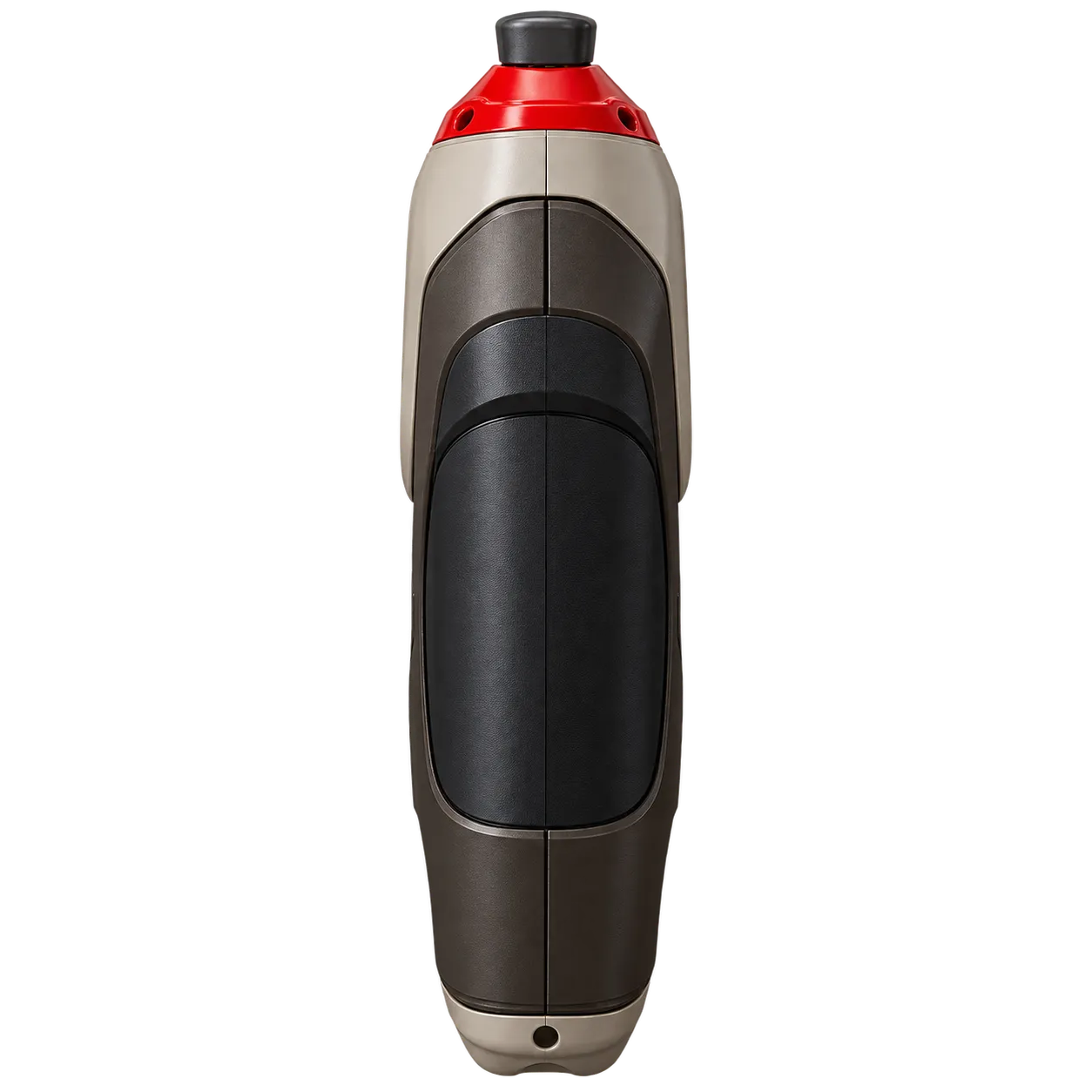
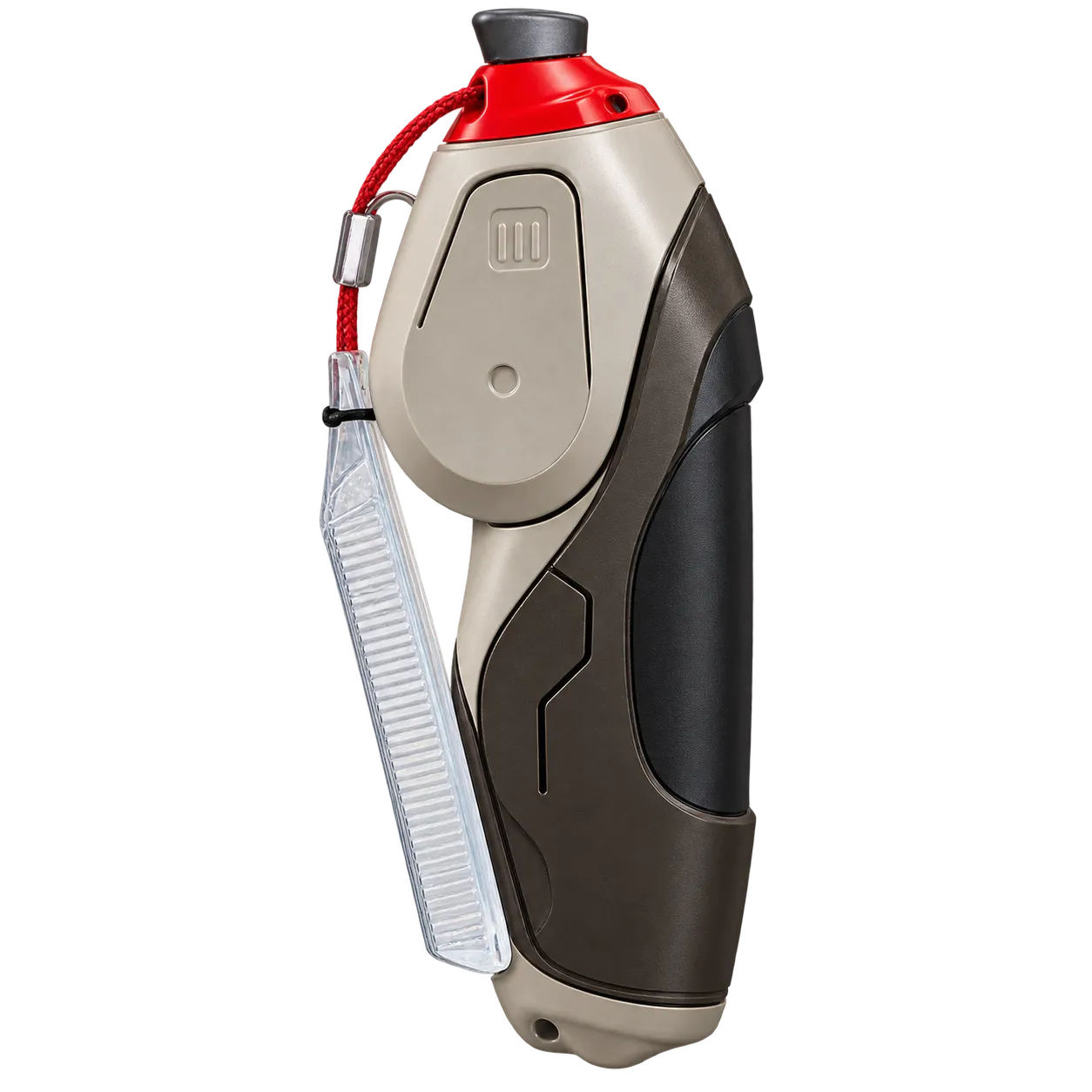
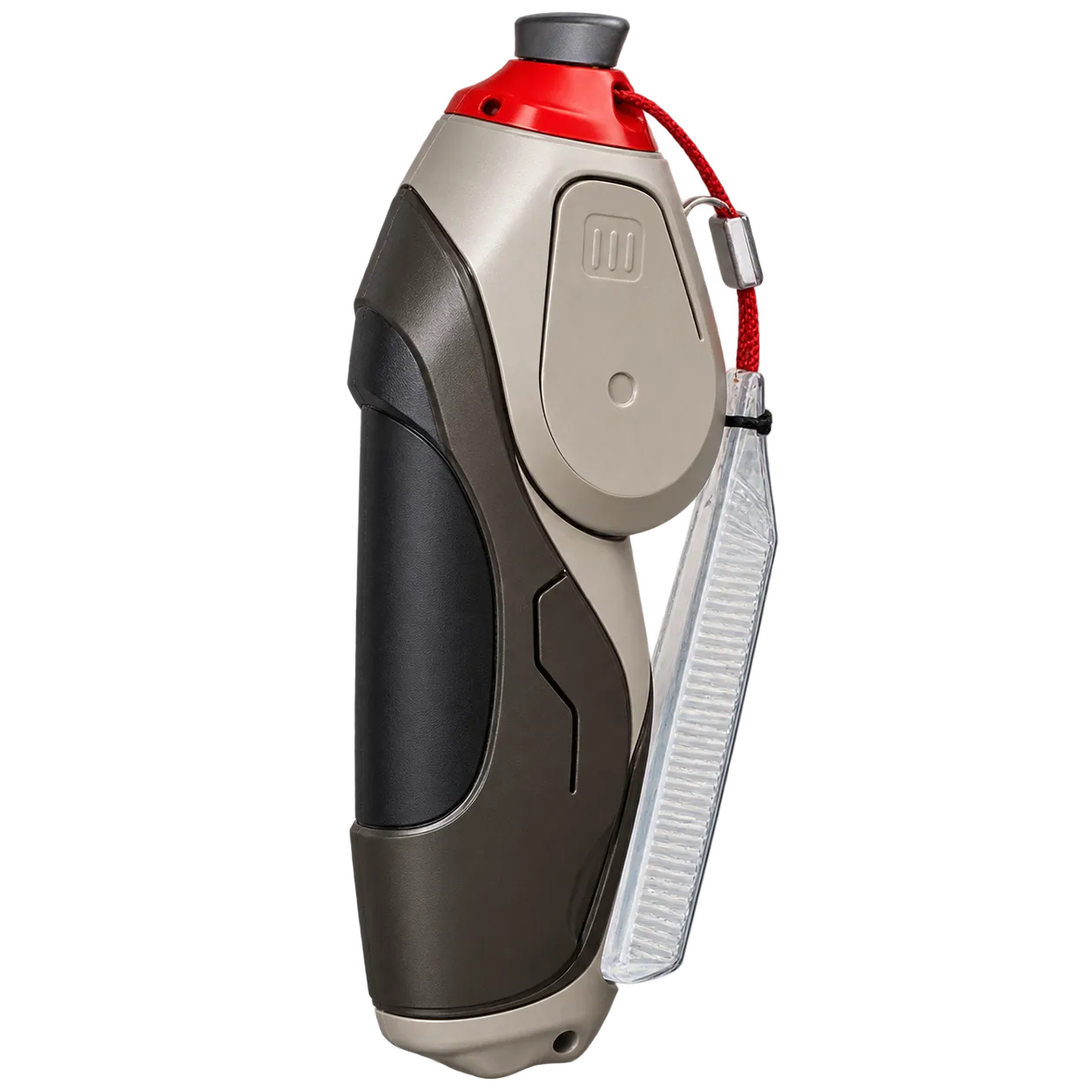
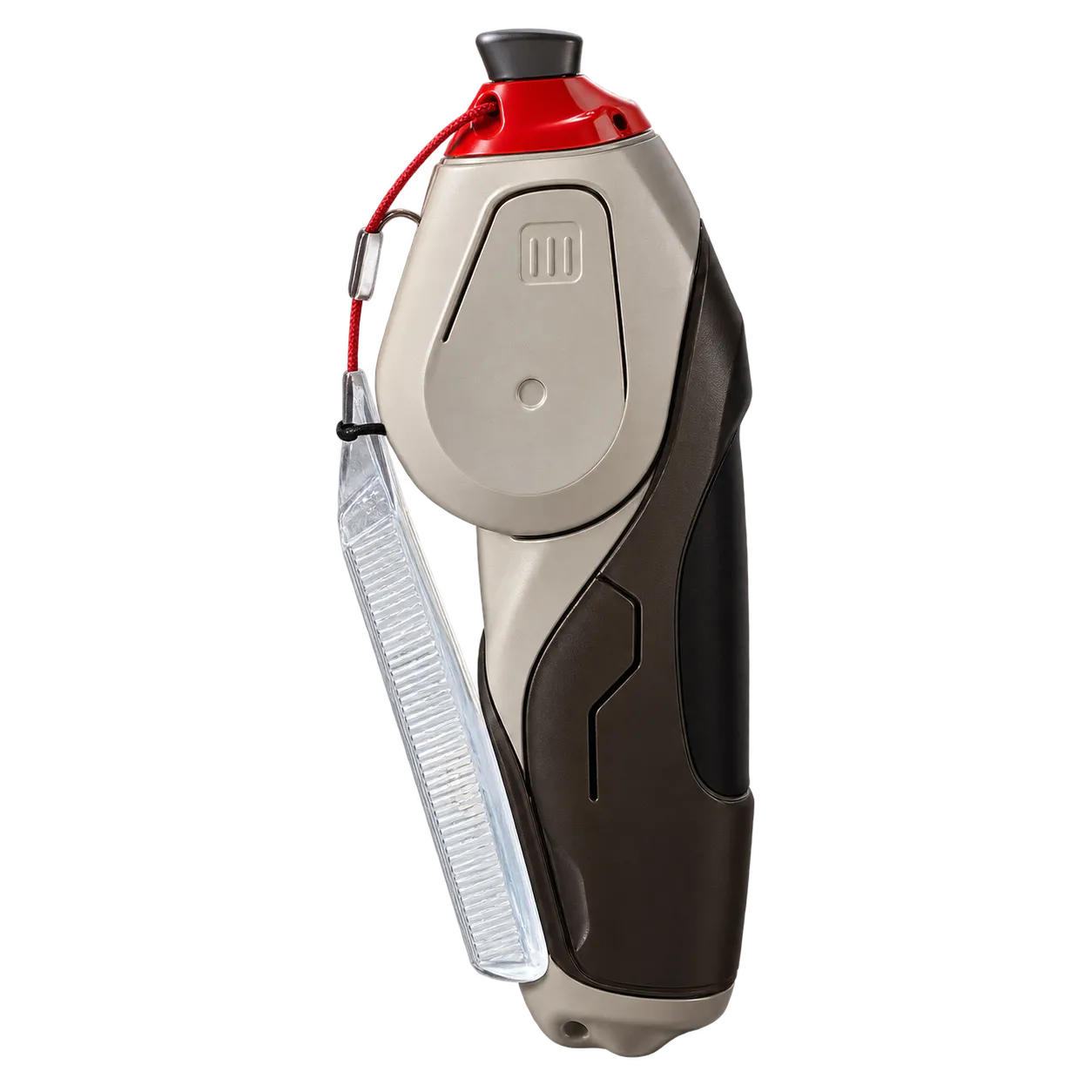
The 3FH-3R85 belongs on transfemoral and knee-disarticulation limbs, but the service plan that surrounds it cannot be written until one fact is in hand. A bionic label usually means microprocessor control. If that holds here, the knee joins a category with its own evidence, its own training load and its own paperwork. If it does not, the knee is a titanium structural component tested to ISO 10328 and the plan is far shorter.
Category evidence shows why the distinction matters at the bedside. Palumbo and colleagues analysed 1,486 inpatient rehabilitation stays of 815 people with transfemoral amputation and found the highest fall rate on fluid-controlled knees, 2.81 per 1,000 patient-days, with an incidence rate ratio of 2.44 against microprocessor knees. No other pairing differed significantly. NHS England's 2016 commissioning policy rated most microprocessor knee evidence as low in methodological quality, and limited its funding to wearers at K3 who could walk with a free knee at varying speeds. None of those figures describes the 3FH-3R85, and they become relevant only after the manufacturer states in writing that it is microprocessor-controlled.
An electronic answer changes the clinic routine. The prosthetist records the software version at fitting, the wearer learns a charging habit and the meaning of each warning, and the estates team adds the charger to its electrical safety testing schedule. A mechanical answer leaves alignment, wear inspection and the structural test report as the core of the file.
Limb-fitting centres, rehabilitation hospitals, private prosthetic clinics and export programmes able to hold a technical file are the natural settings. NHS trusts in England buy via the mandated prosthetics framework, while public purchasers in other countries apply their own tender rules. The conformity documentation those procurement routes require is issued by the manufacturer and shared by the enquiry team.