
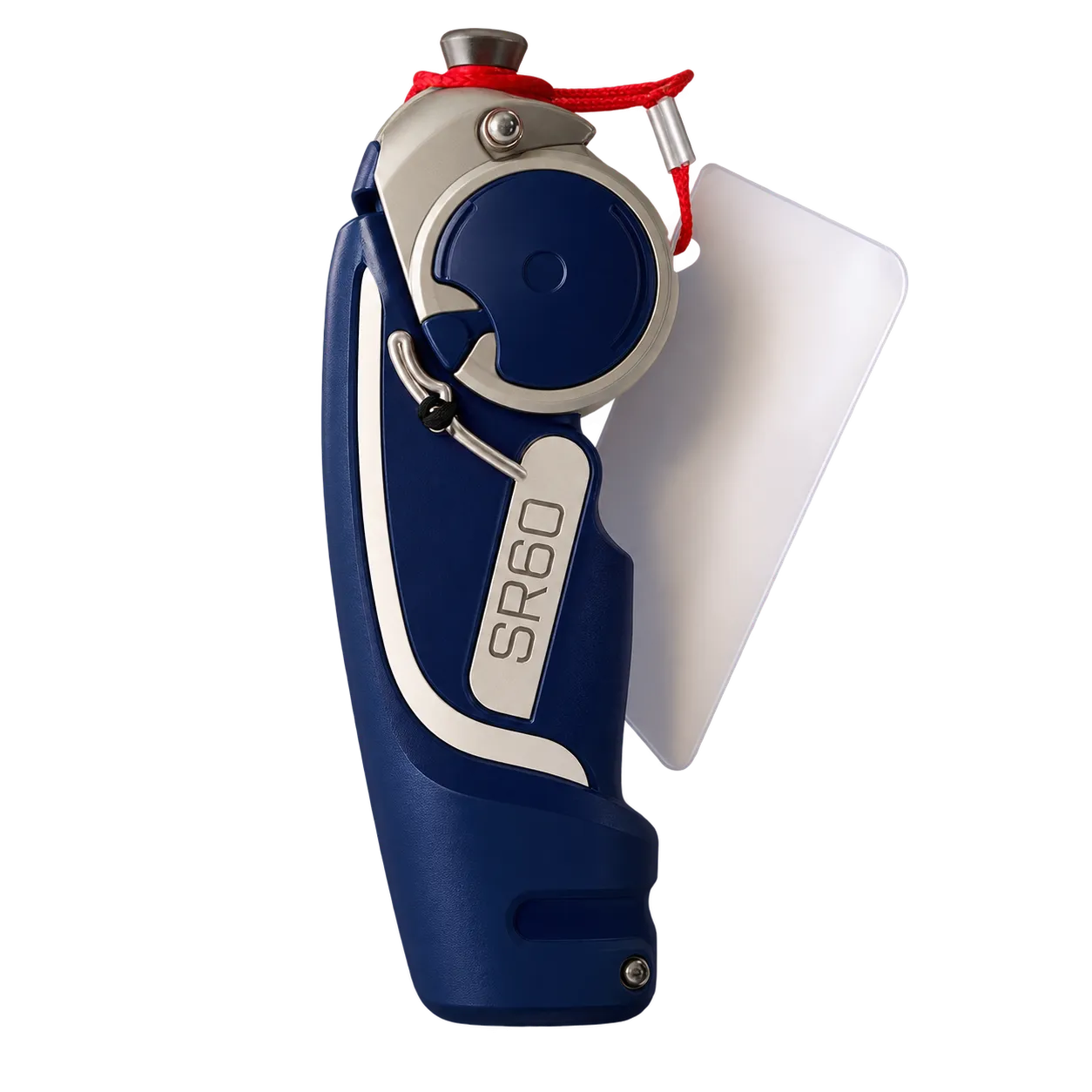
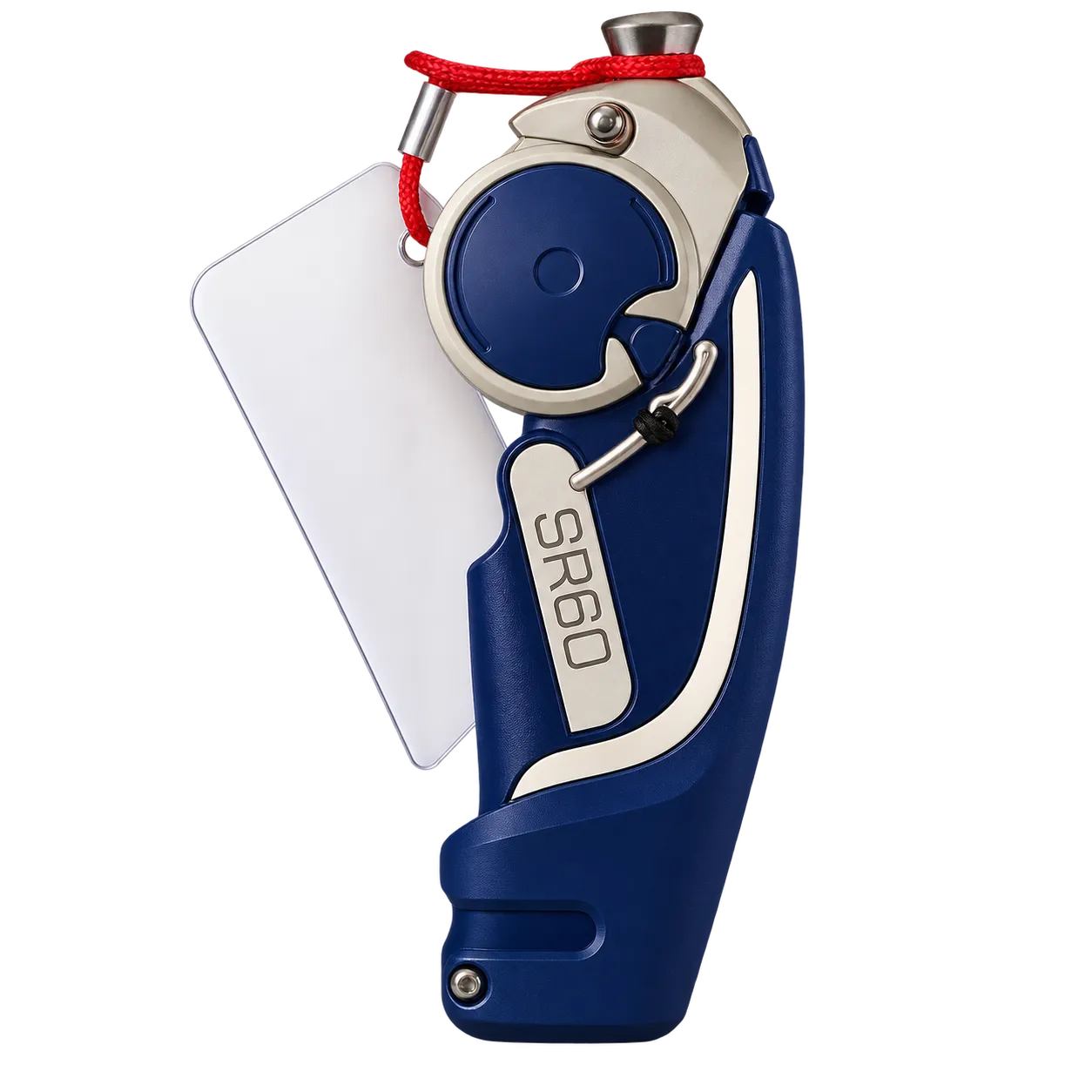
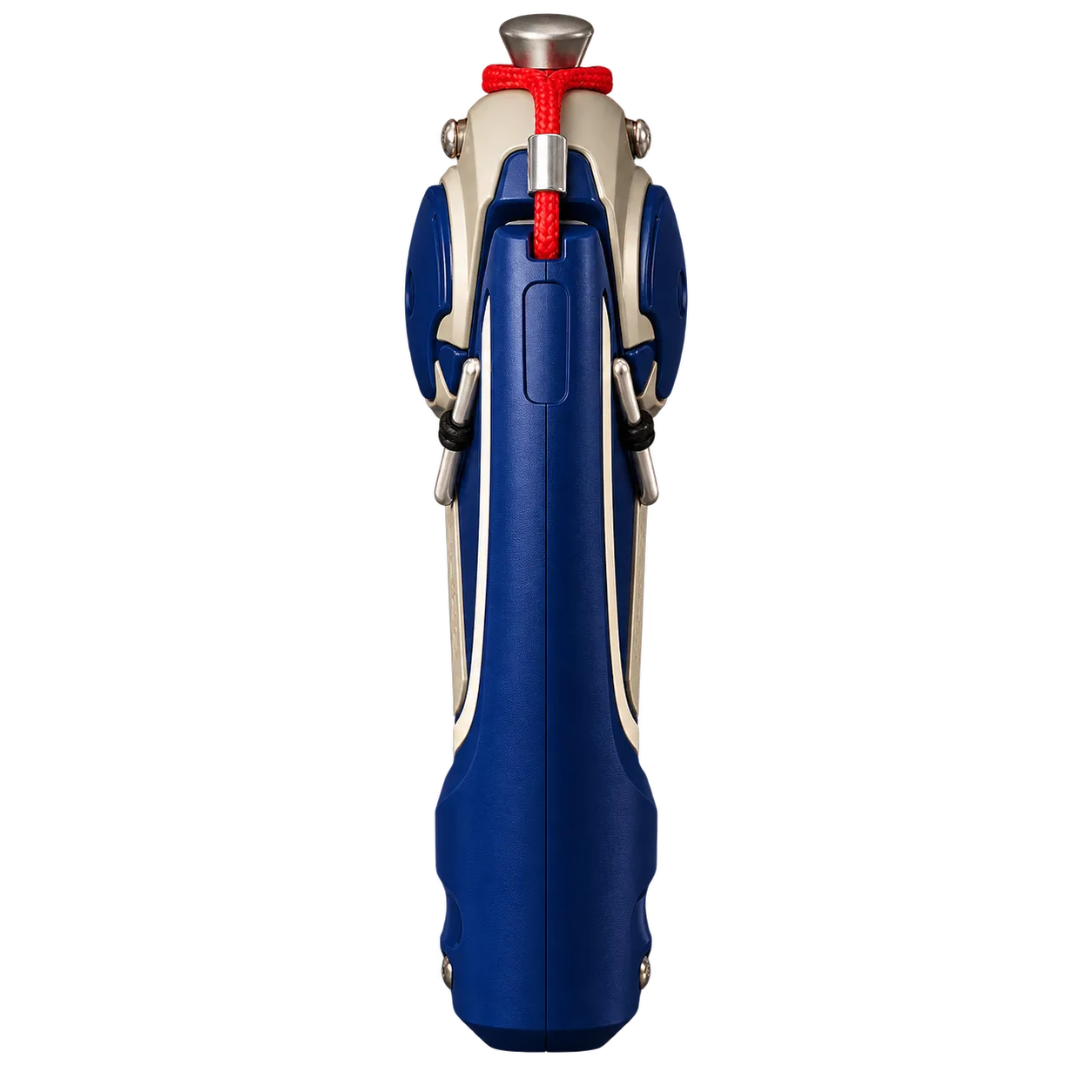
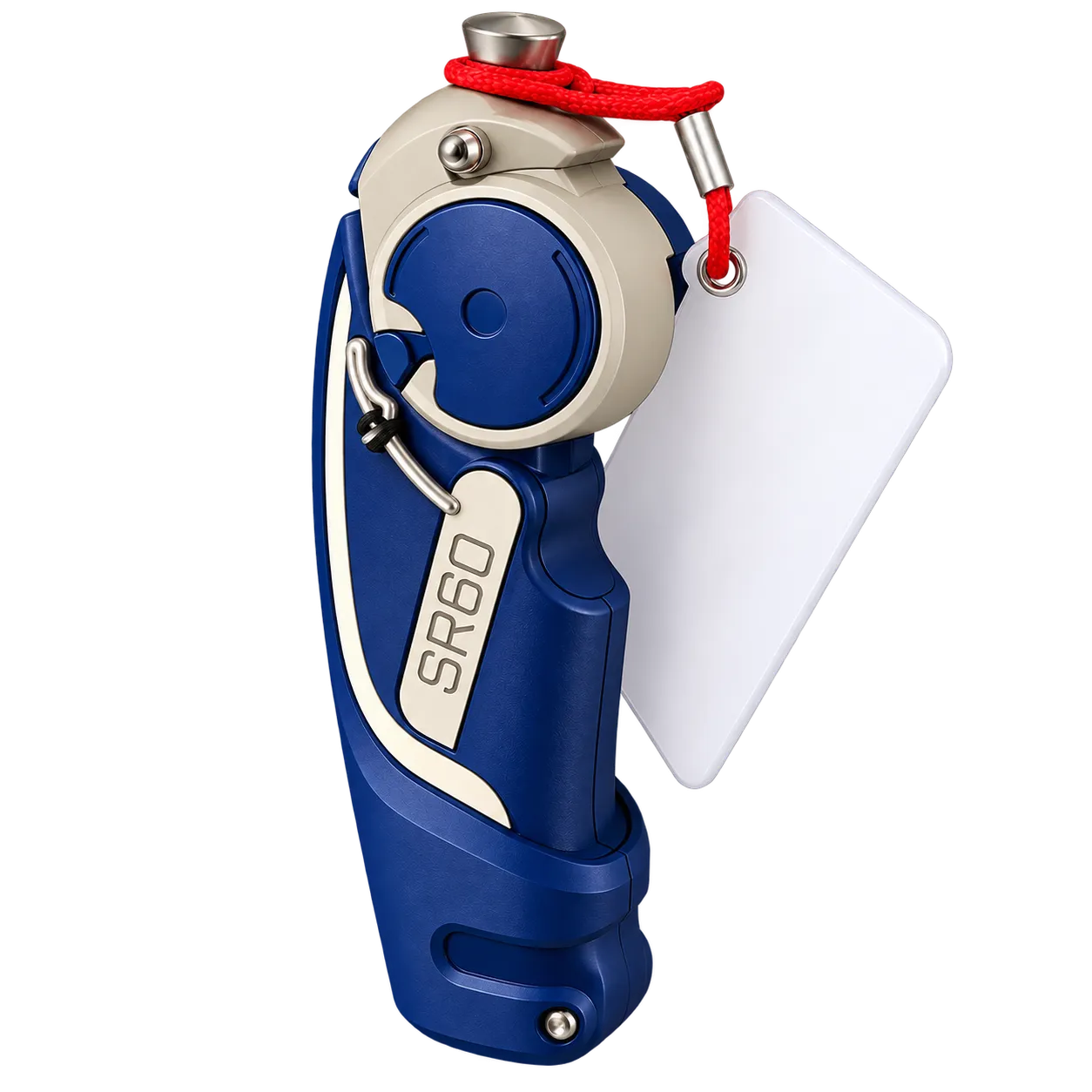
The 3FH-3R80 is built for transfemoral and knee-disarticulation limbs, and its place in a service is decided as much by the finance plan as by the gait plan. The written answer on what drives the joint sets that plan. A prosthetic centre that receives it before ordering can quote the wearer's whole-life cost from the first appointment.
Where the answer is electronic, the yearly budget gains cell replacement, a charger for each wearer and possibly a spare, adaptors for wearers who travel or live abroad, and depot repairs with a loan arrangement to cover the weeks away. Category modelling by Chen and colleagues put device and repair costs for microprocessor knees $6,287 per person per year higher over a decade among Medicare users at K3 and K4, against savings from fewer falls and lower healthcare use. NHS England's 2016 policy, citing an Italian study, recorded mean intervention costs of €18,616 for the microprocessor group and €3,600 for the non-microprocessor group. Neither figure describes this knee.
Where the answer is mechanical or hydraulic, cylinder inspection and service become the main recurring line, and the clinic's own bench time carries most of the cost.
For function, the 128° range covers the 90° to 120° that Rowe and colleagues measured for stairs and chairs, which suits community walkers who sit, drive and climb steps. Wearers who bathe in a tub or kneel to the floor may find the range limiting, and a trial fitting will show whether it does.
Limb-fitting centres, rehabilitation hospitals, private prosthetic clinics and humanitarian export programmes are the natural buyers. NHS trusts in England use the mandated prosthetics framework, and public purchasers in other countries apply their own tender rules. The conformity documentation those procurement routes require is issued by the manufacturer and shared by the enquiry team.