
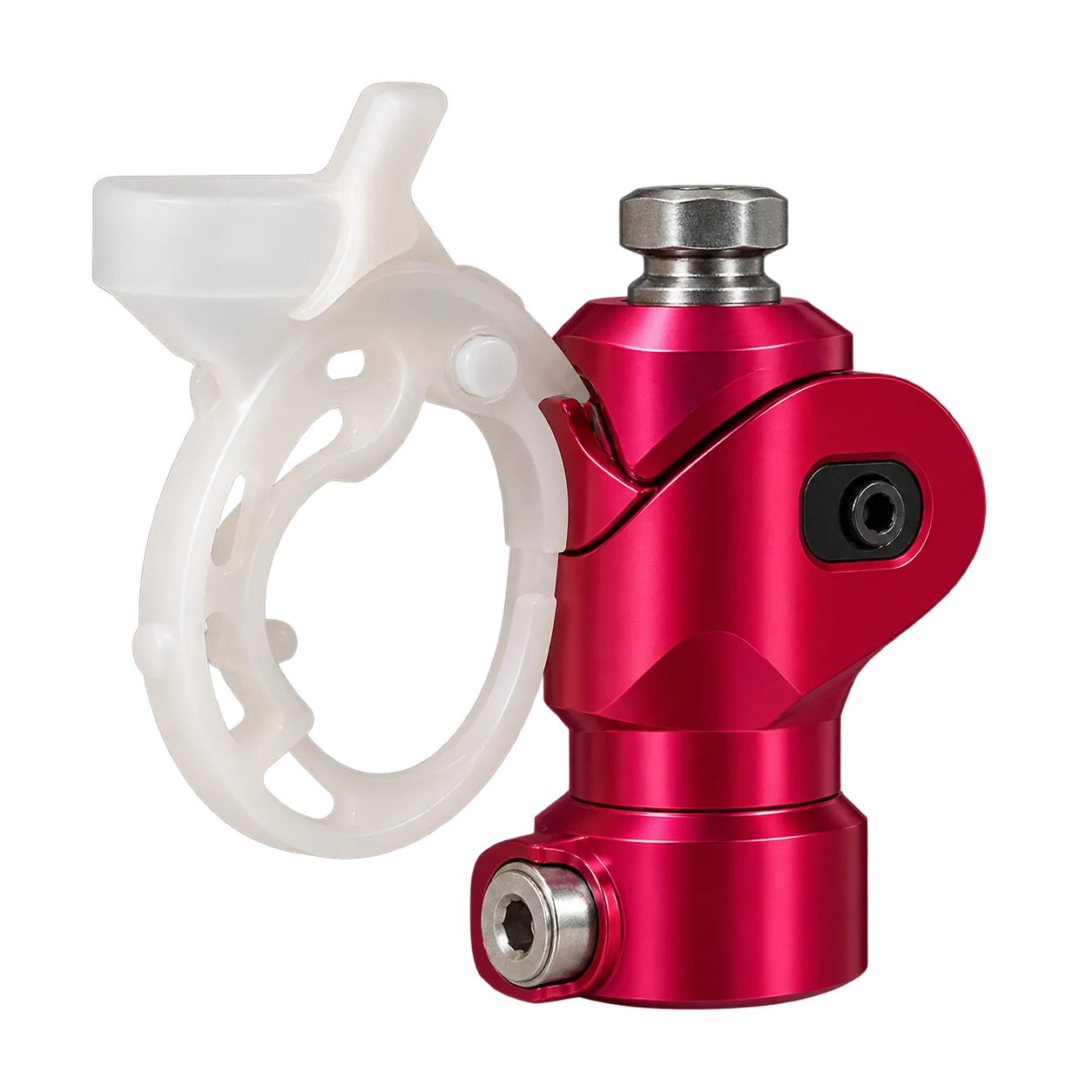
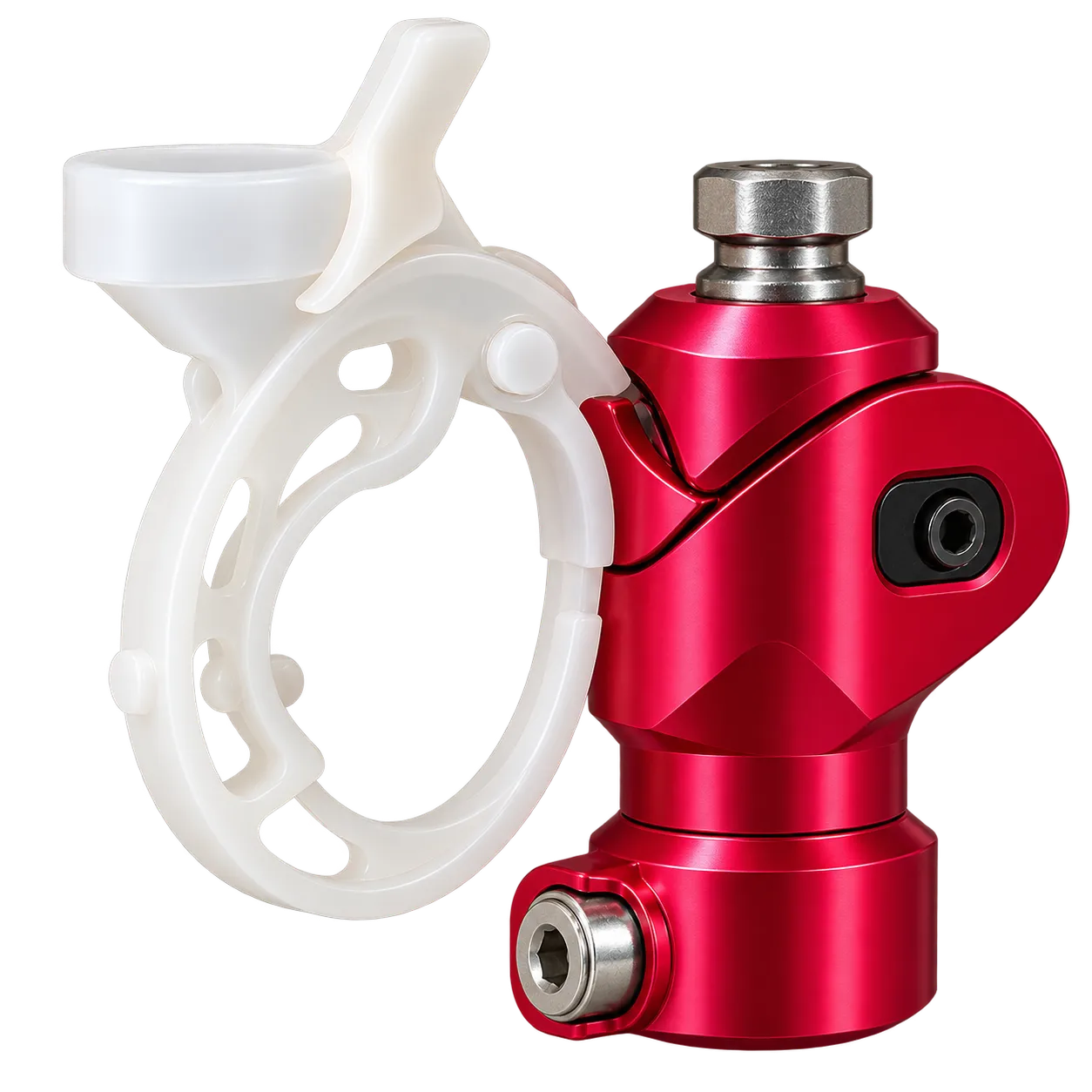
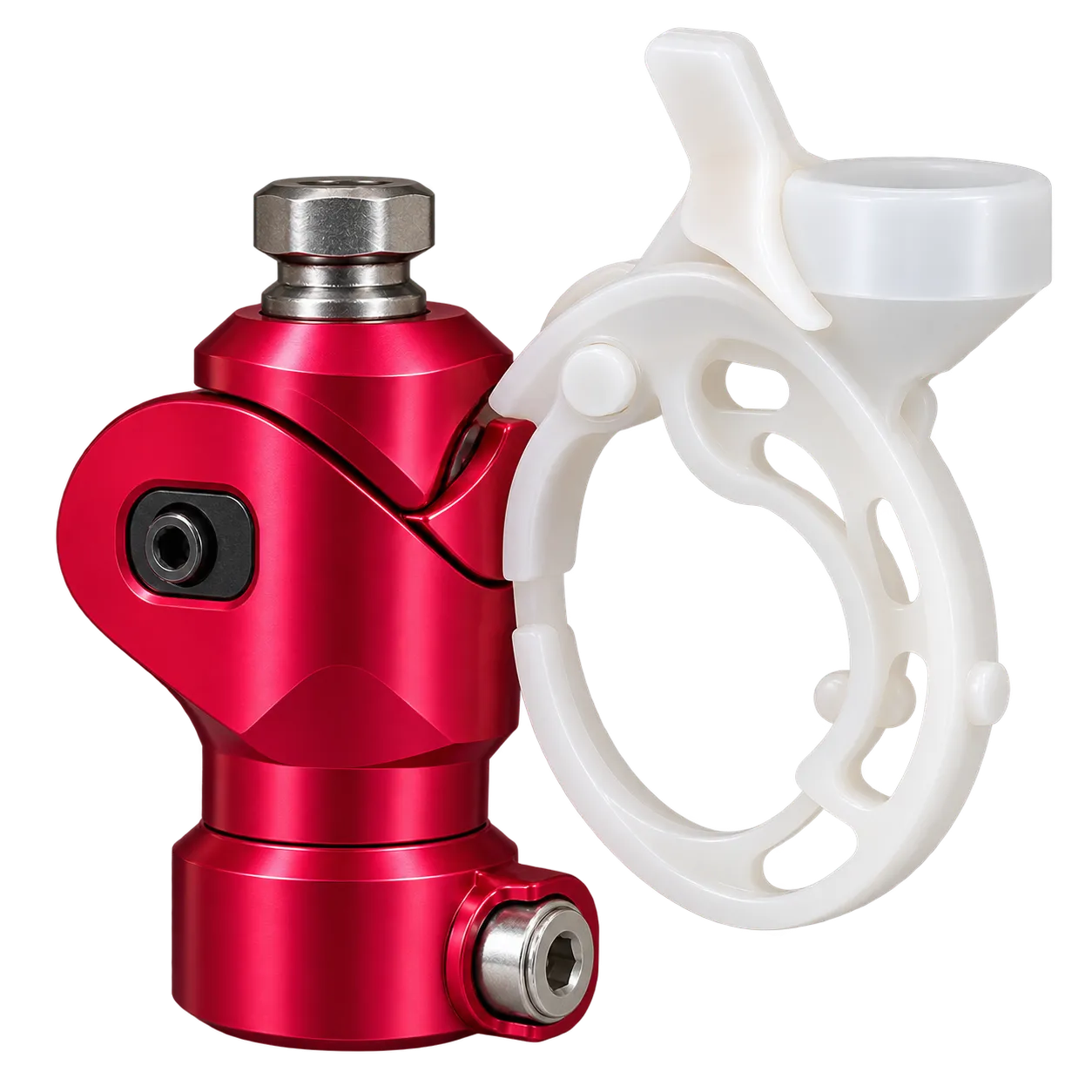
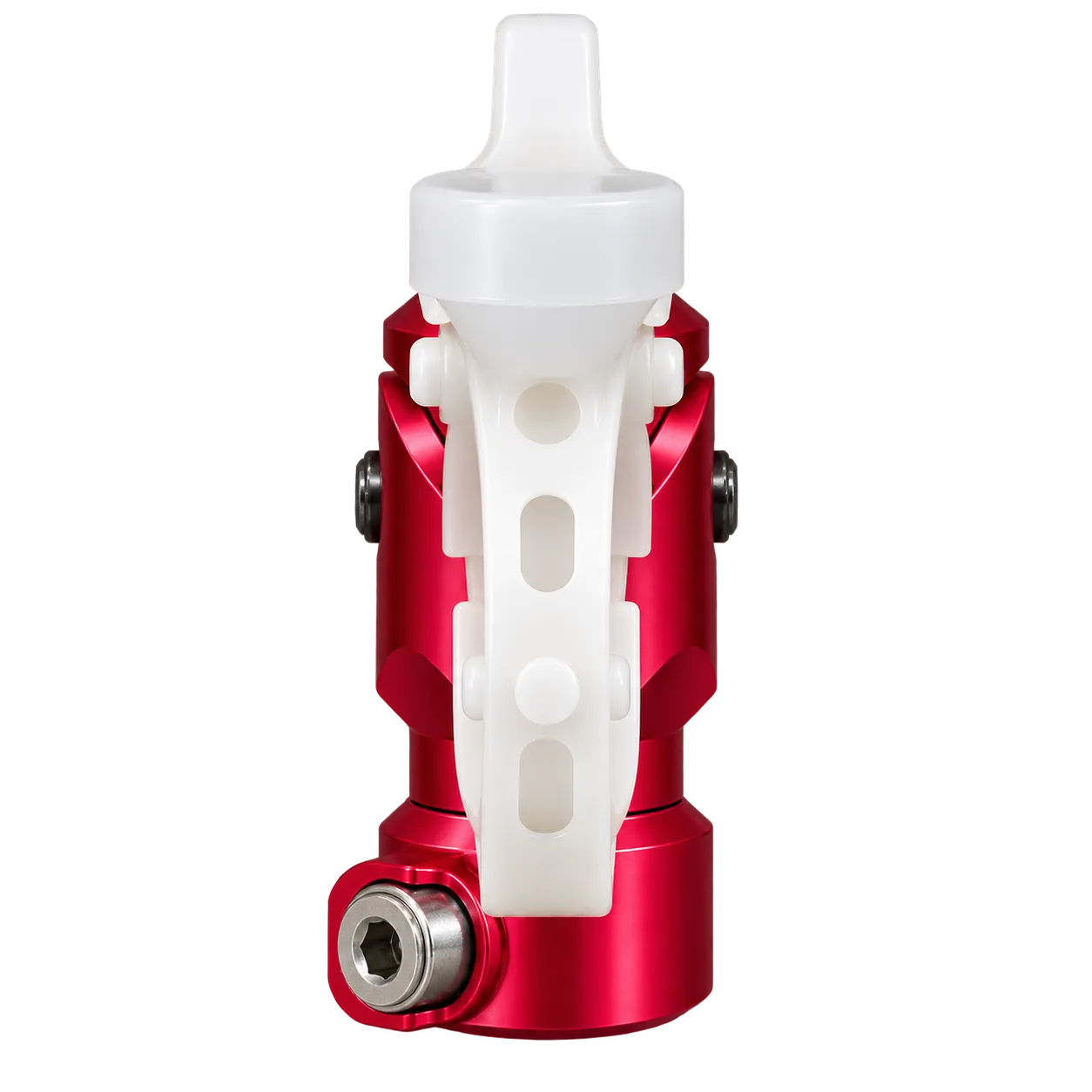
The 3F68 is used in paediatric prosthetic clinics, children's limb-fitting centres and rehabilitation services, and it goes with the child into homes, schools and public places. Its users are children with transfemoral amputation or knee disarticulation who need a knee that can be locked in some places and free in others.
The environment is where it earns its place. A child's routes through the day are varied: from the bedroom to breakfast, down school hallways, out to the playground at lunchtime, along pavements to the shops and across grass at the park. Crowded corridors and uneven outdoor ground can make a free knee feel risky for a young walker, while home life calls for a knee that folds for floor play and the sofa. With the 3F68, the lock gives a steady, straight leg where the setting demands it, and releasing it brings back 175° of bending where comfort and movement matter more.
Prosthetists build the joint into the prosthesis and align it, and the clinical team works with the family to map the child's day: which places call for the lock, which for a free knee. Physiotherapists help the child practise switching between the two, so the change becomes a natural part of moving from one place to the next.
Typical uses include a knee for a young child starting school, a knee for a child who walks long outdoor routes, and a knee for a child whose confidence on busy ground is still growing. At 160 g and rated to 75 kg, the 3F68 suits a wide age range. In each case, it lets the knee adapt to the place the child is in.