
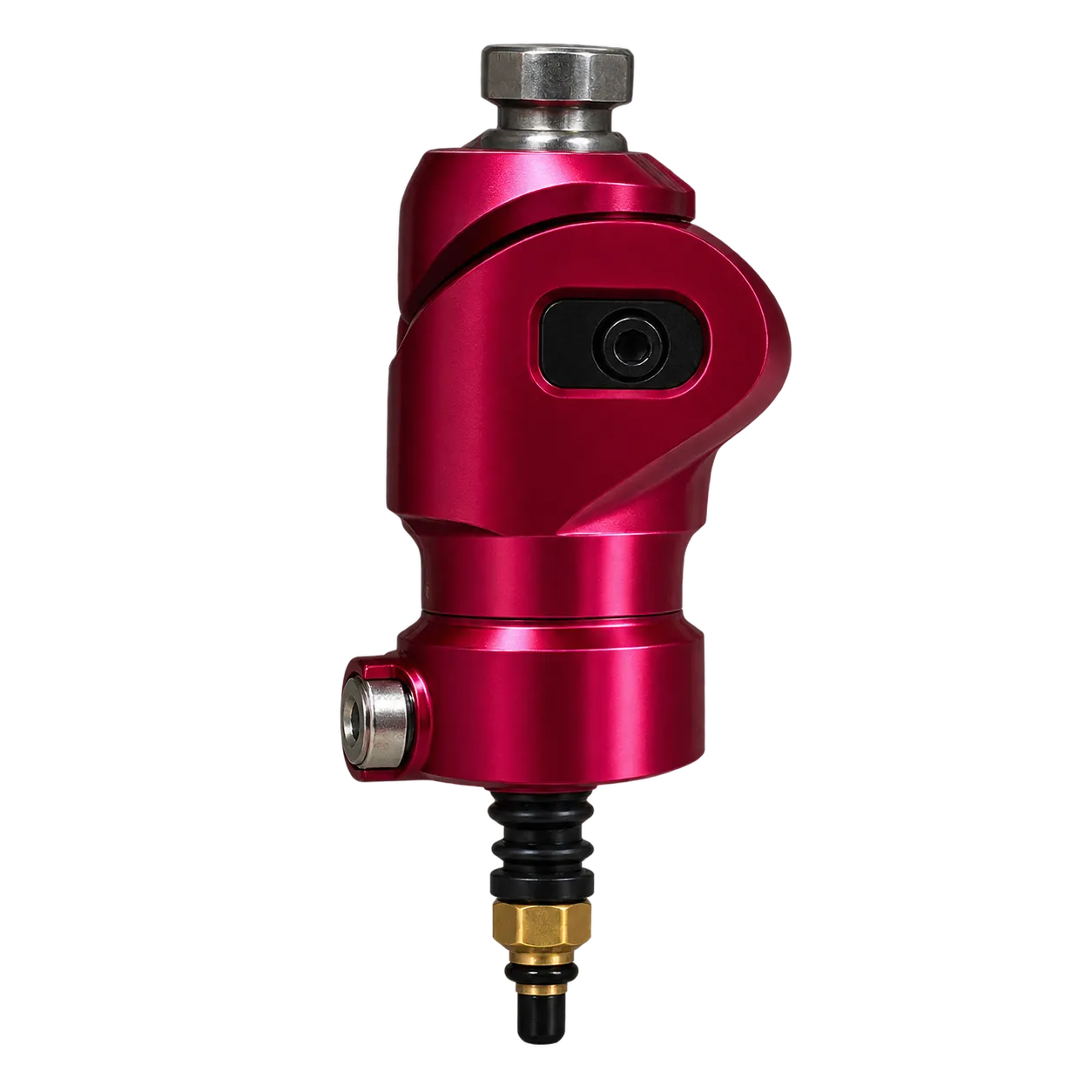
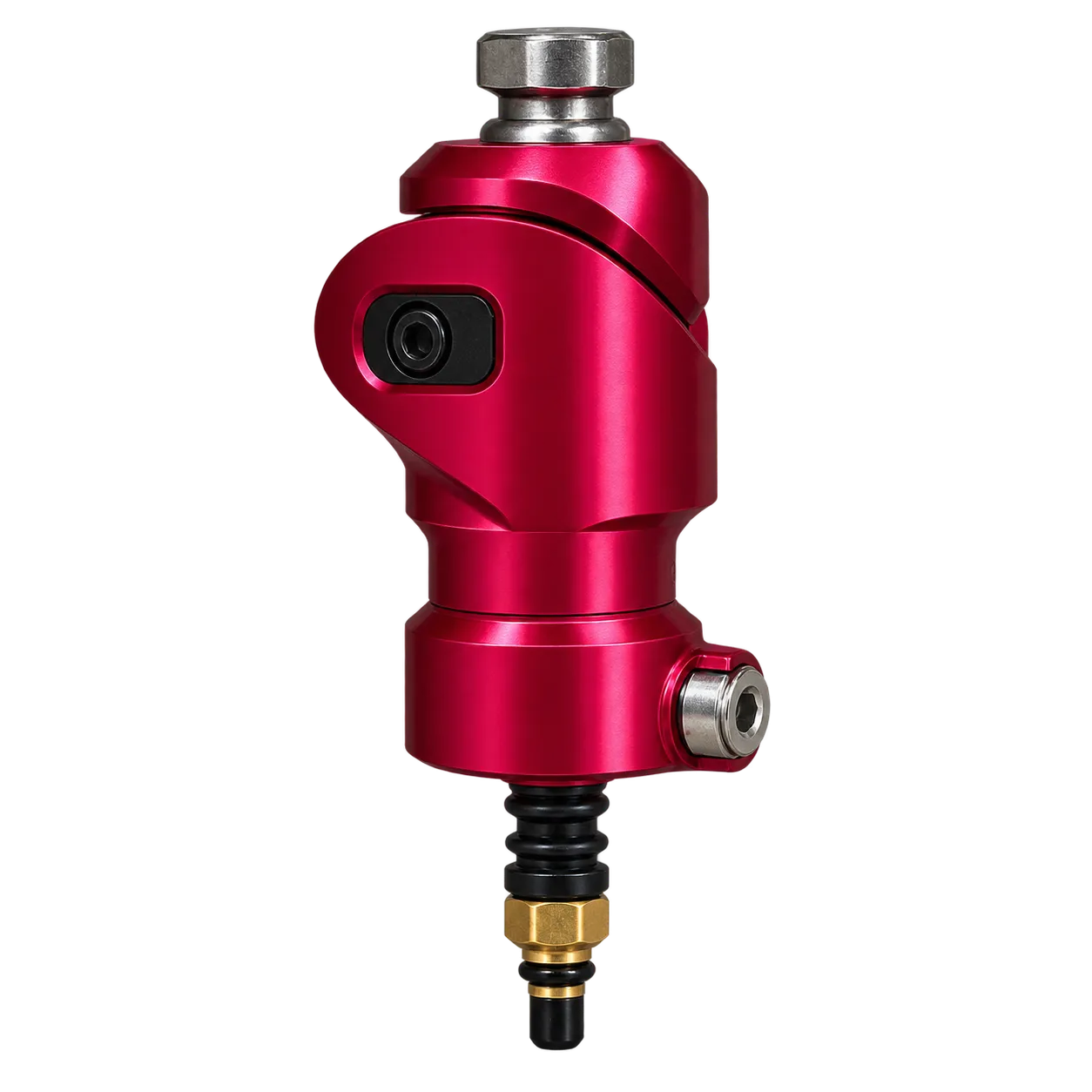
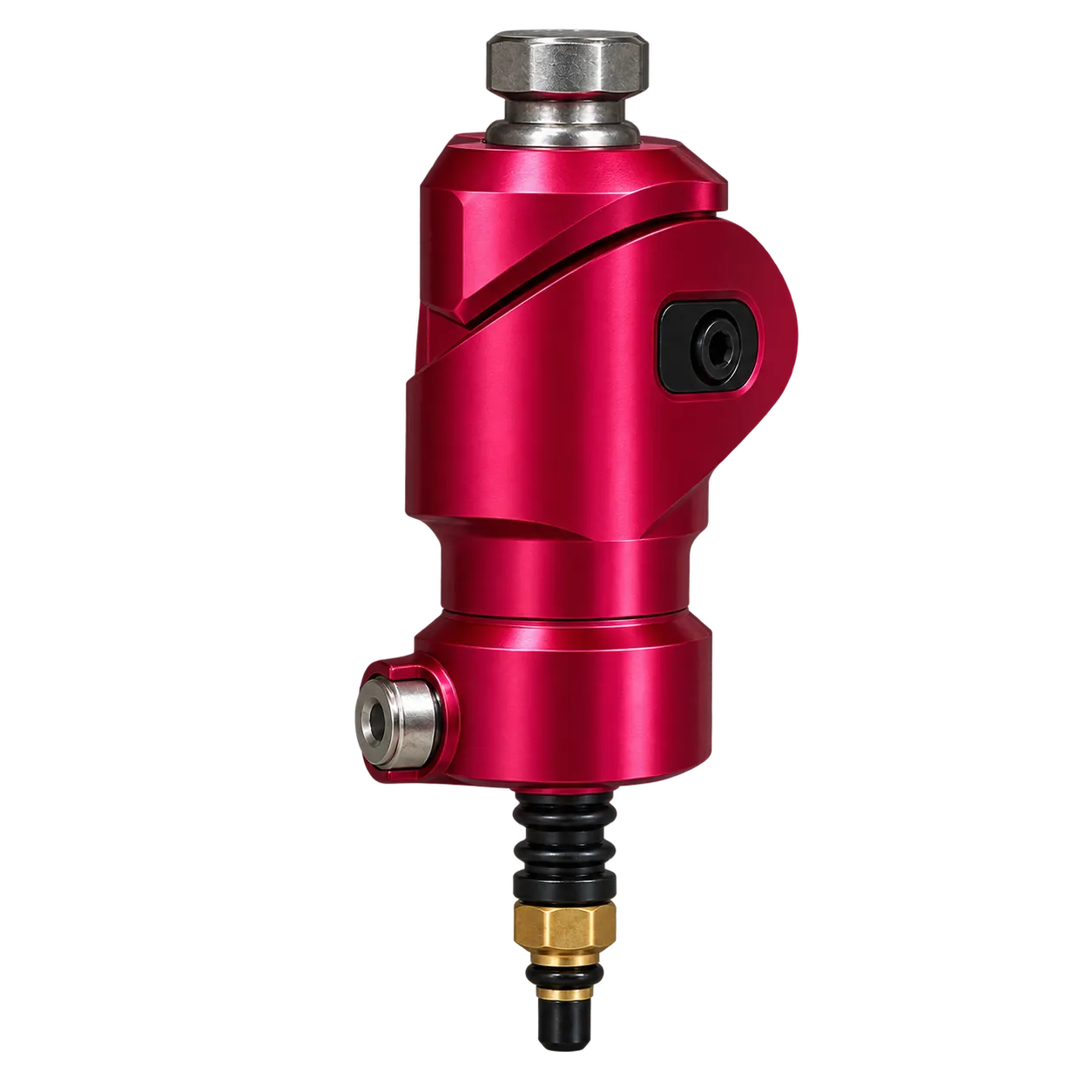
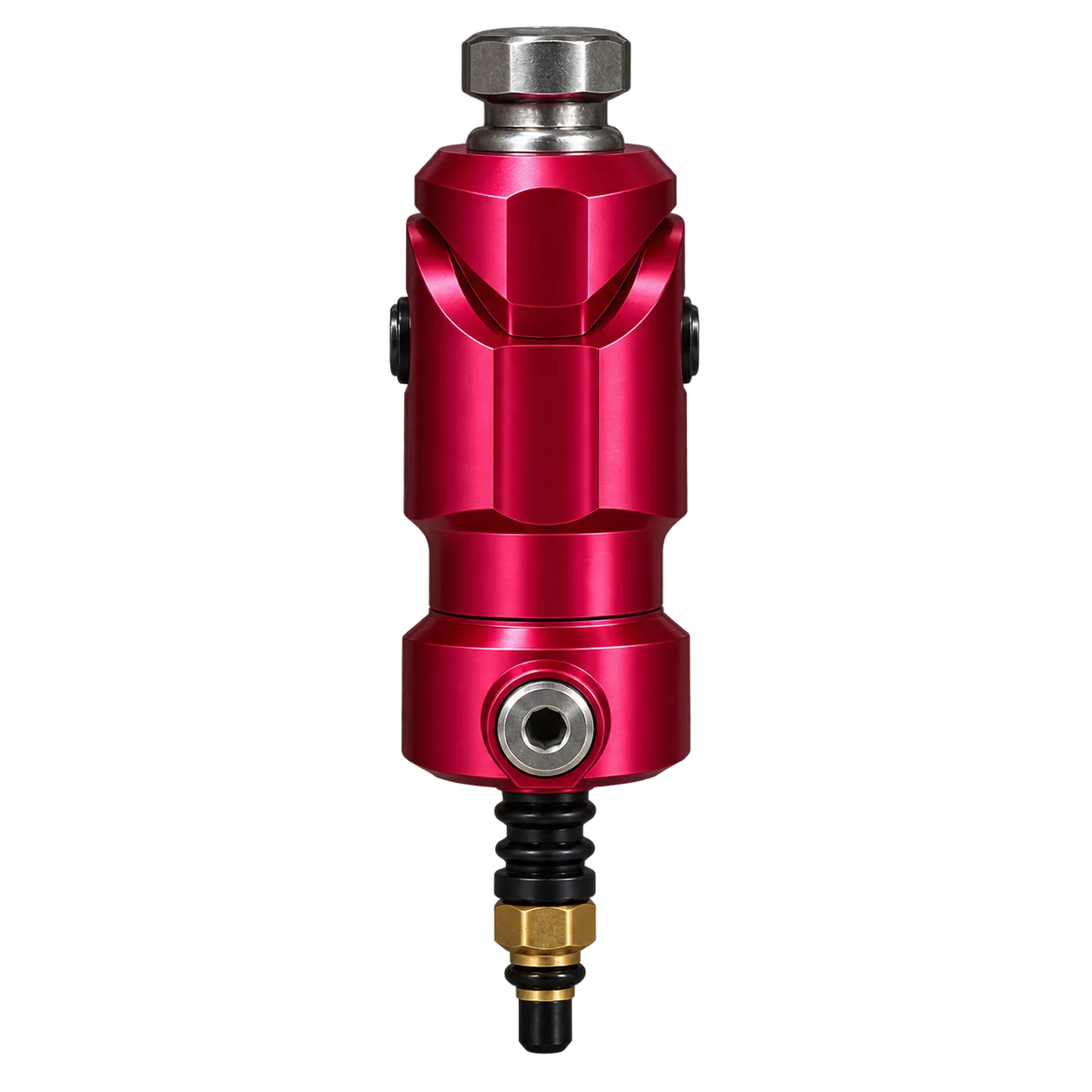
The 3F67 is used in paediatric prosthetic clinics, children's limb-fitting centres, early years rehabilitation services and orthopaedic departments. Its users are young children with transfemoral amputation or knee disarticulation, most often from a congenital limb difference, who are ready for a knee that bends.
Simplicity is what makes it suit this group. The first years of life are spent on the floor: crawling, sitting, pulling up on furniture and taking first steps. A knee for that stage should be light, predictable and easy to live with. The 3F67 bends around a single axis and swings freely, so it follows the child's movement, and at 170 g it adds almost nothing to the weight of the leg. Its 150° of flexion allows the child to crawl and sit on the floor with the prosthesis on.
Prosthetists build the 3F67 into the prosthesis and align it on the bench, keeping the set-up straightforward. Physiotherapists use play-based sessions to help the child crawl, stand and step with the bending knee, and parents carry that into daily life. Because the joint has one axis and few parts, there is very little to adjust between visits, and the regular reviews that growth brings are quick.
Typical uses include a first articulating knee for a toddler, a knee for a young child moving on from a straight-leg prosthesis, and a light knee for any small child who benefits from a simple, free-swinging joint. Within its 75 kg rating, the joint can stay in use as the child grows. In each case, the 3F67 lets a child explore the world from the floor up.