
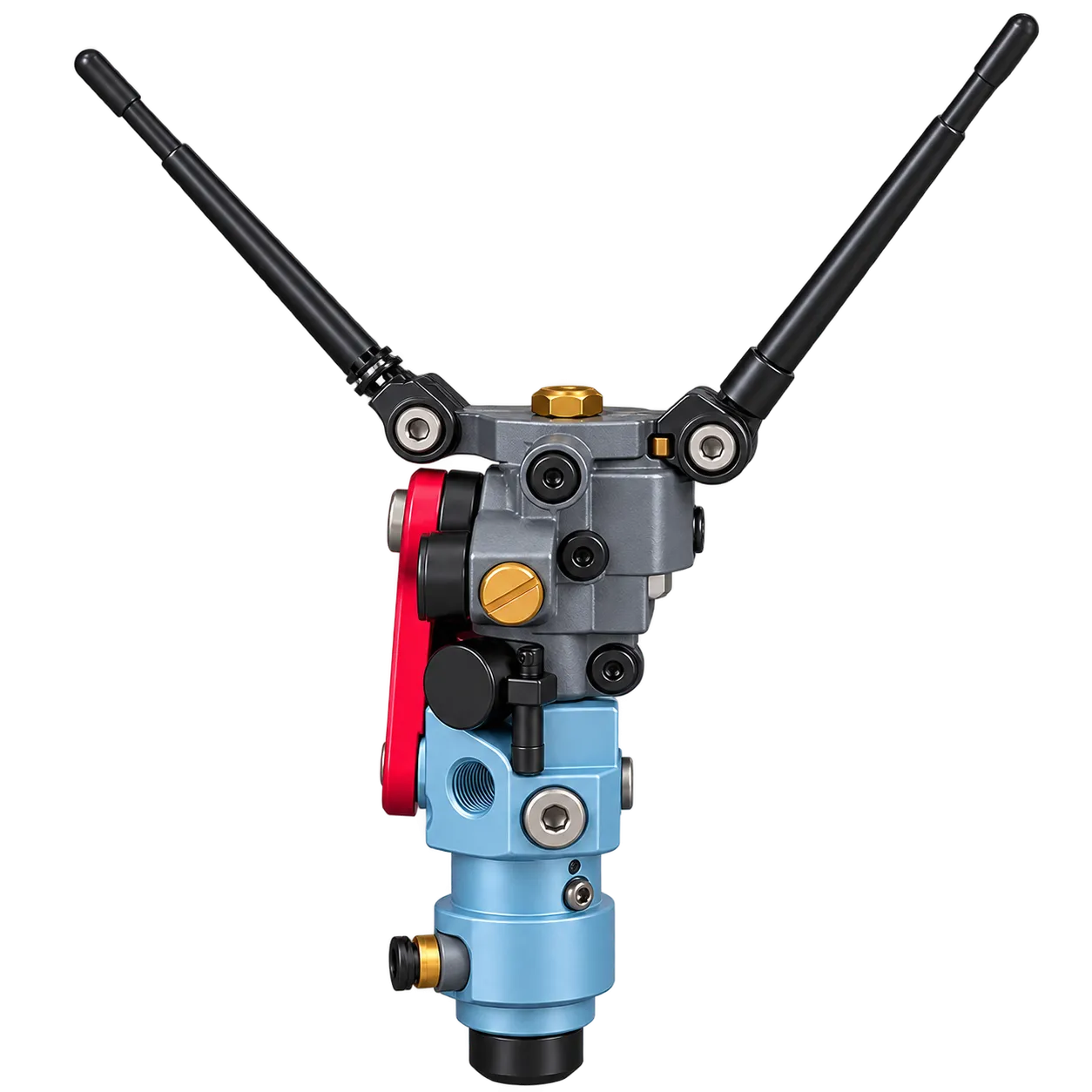
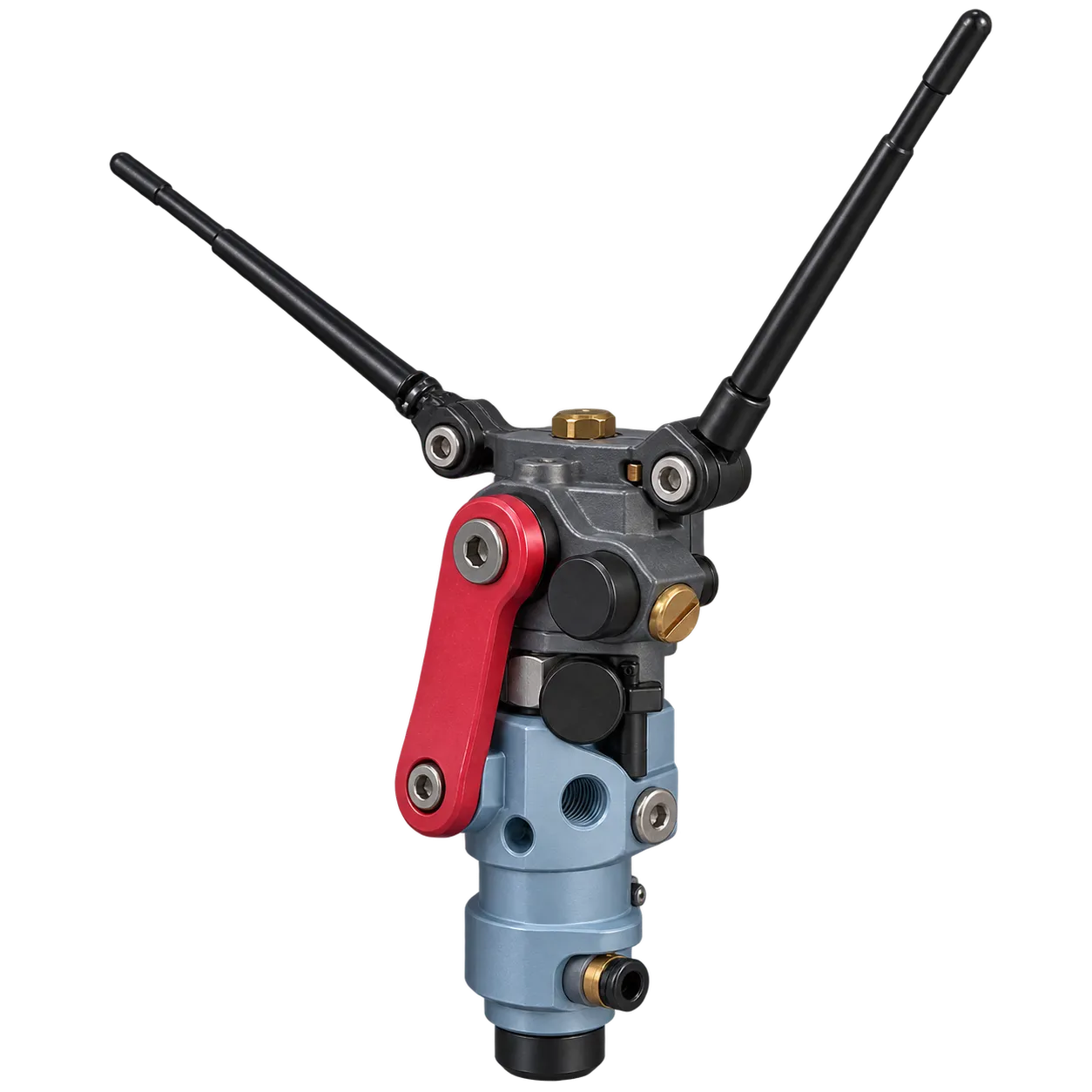
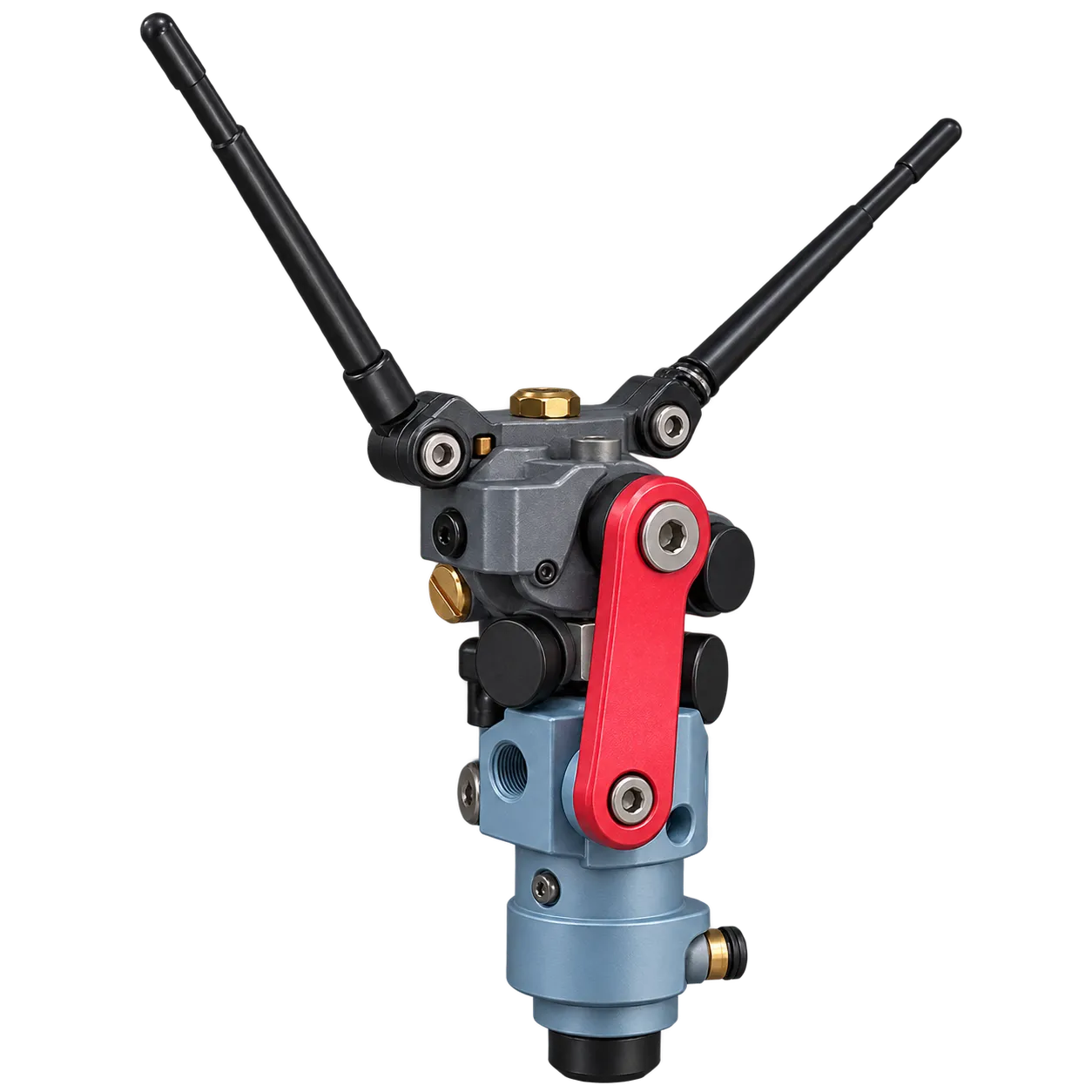
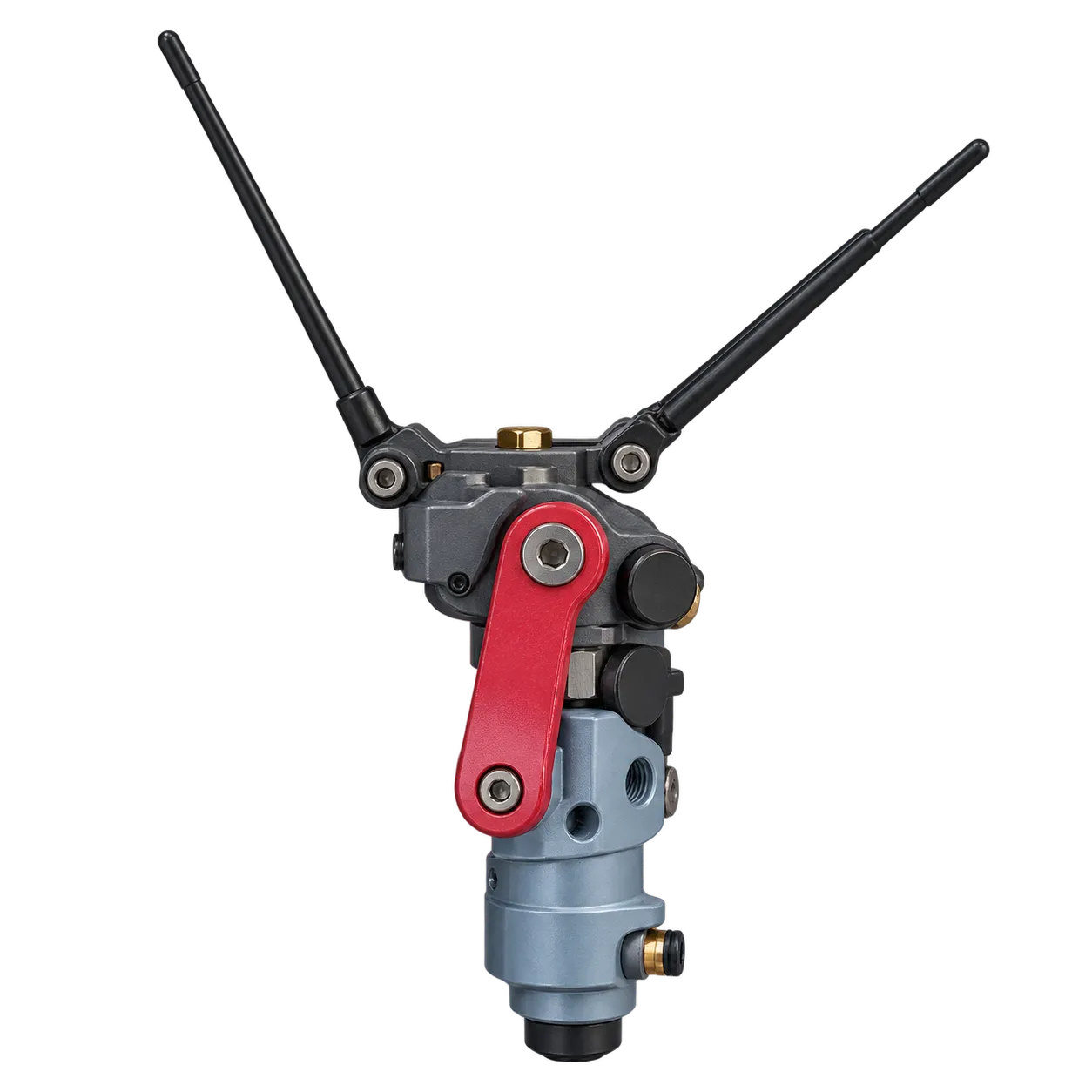
The 3F66-1 is used in paediatric prosthetic clinics, children's limb-fitting centres, orthopaedic and tumour surgery services and rehabilitation hospitals. Its users are children with knee disarticulation, whether after trauma, after surgery for a bone tumour or from a congenital limb difference at the level of the knee.
The mechanism is why clinics reach for a dedicated joint. Through-knee amputation keeps the whole femur, and in children that long thigh is a real asset: it gives strong control over the prosthesis and, often, an end that can carry weight. The challenge is space. With the thigh at full length, a joint has to sit directly beneath the residual limb to keep the knee centre in a workable place. The 3F66-1 is designed for exactly that position, and its 175° range of flexion lets the knee fold completely when the child sits or kneels.
Prosthetists build the through-knee socket, then align the 3F66-1 beneath it. Physiotherapists work with the child on walking, getting up from the floor and sitting, making use of the long lever the thigh provides. Families see a leg that bends fully at home and keeps up with play.
Children grow, and that brings them back to clinic regularly for socket changes and lengthening. Because the joint is mechanical and rated to 75 kg, it can stay in use across several fittings, through primary years and into the teens. Typical uses include a first knee after paediatric knee disarticulation, a knee for a child born with a knee-level difference, and a knee for a preteen with a through-knee limb. In every case, it lets the child use the full length of the thigh.