
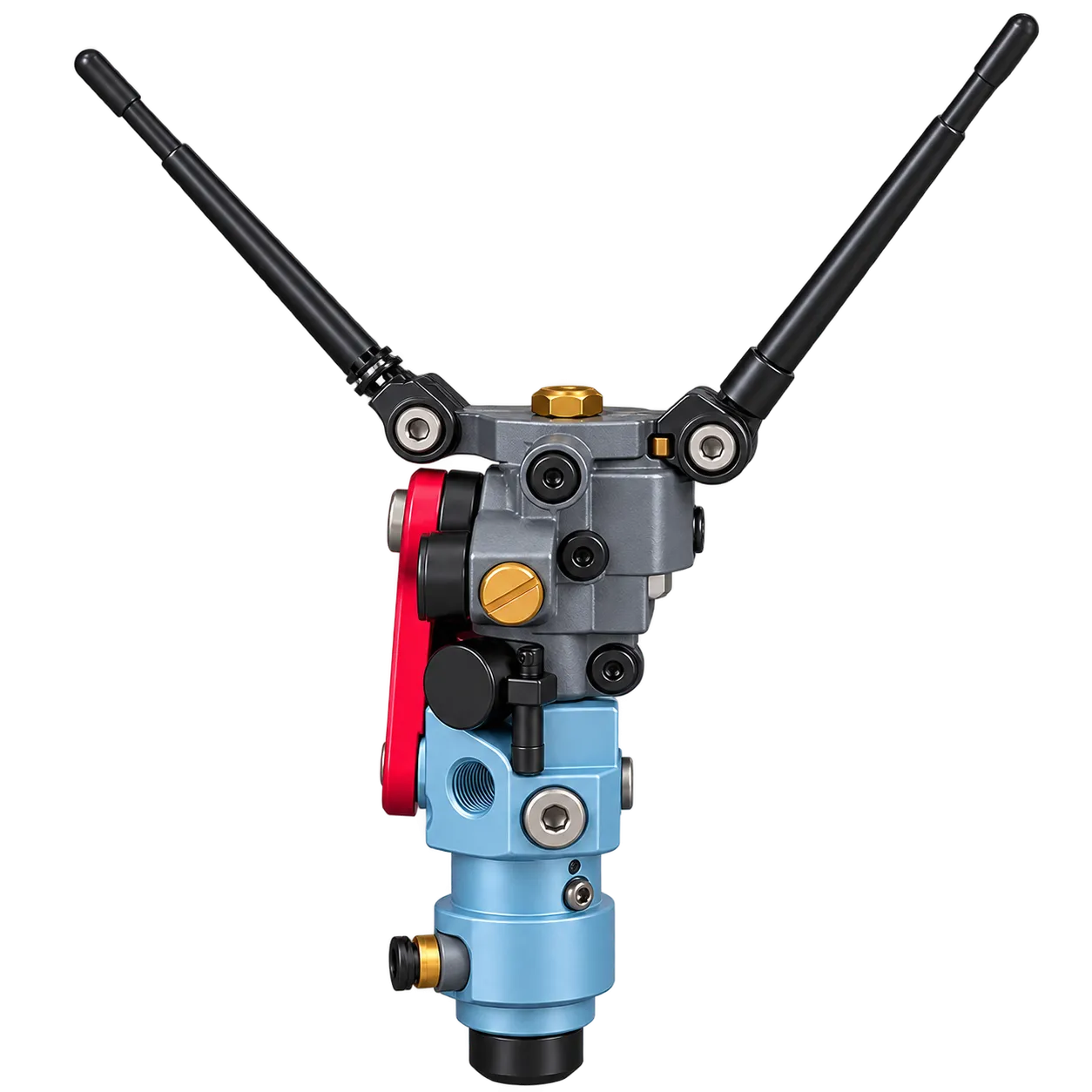
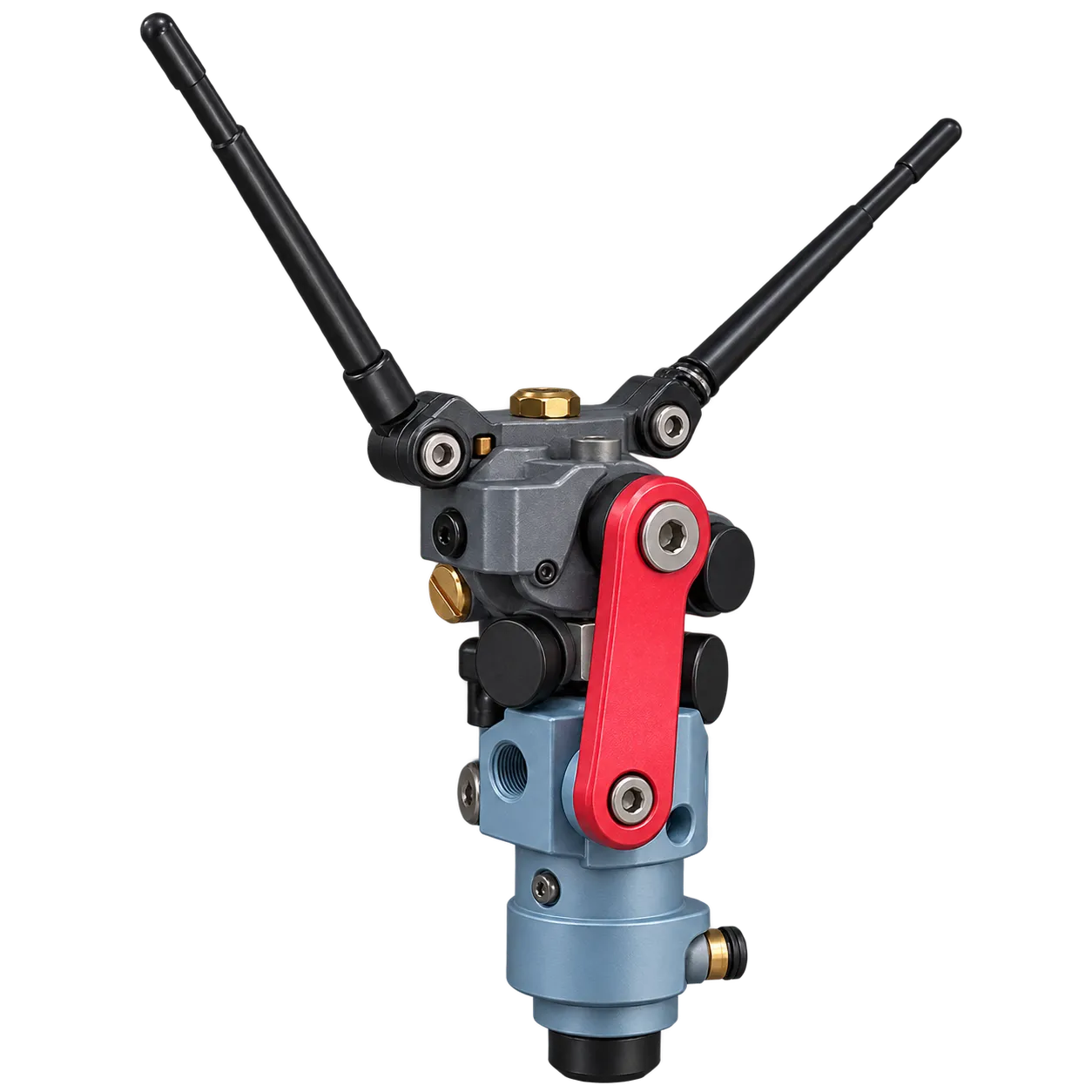
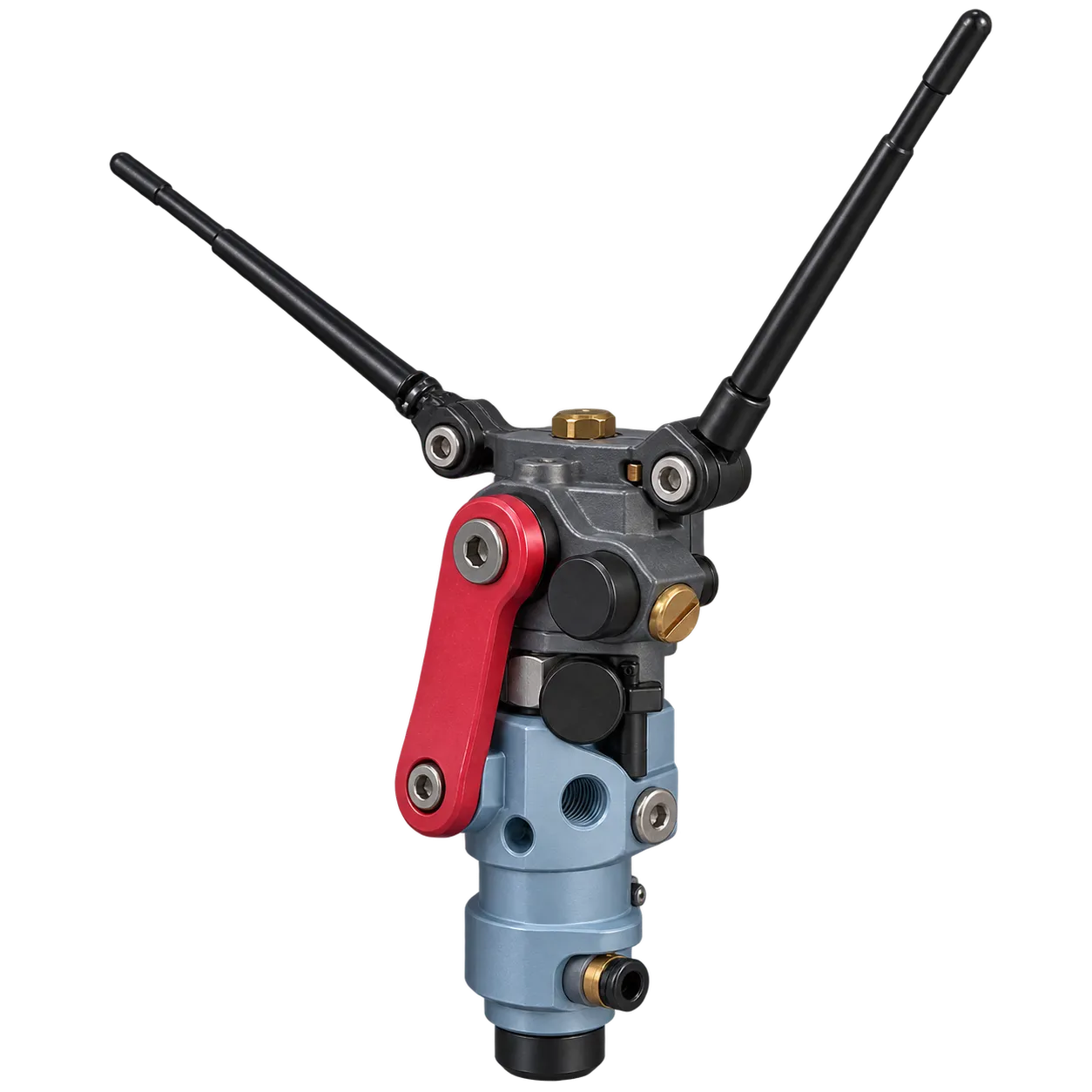
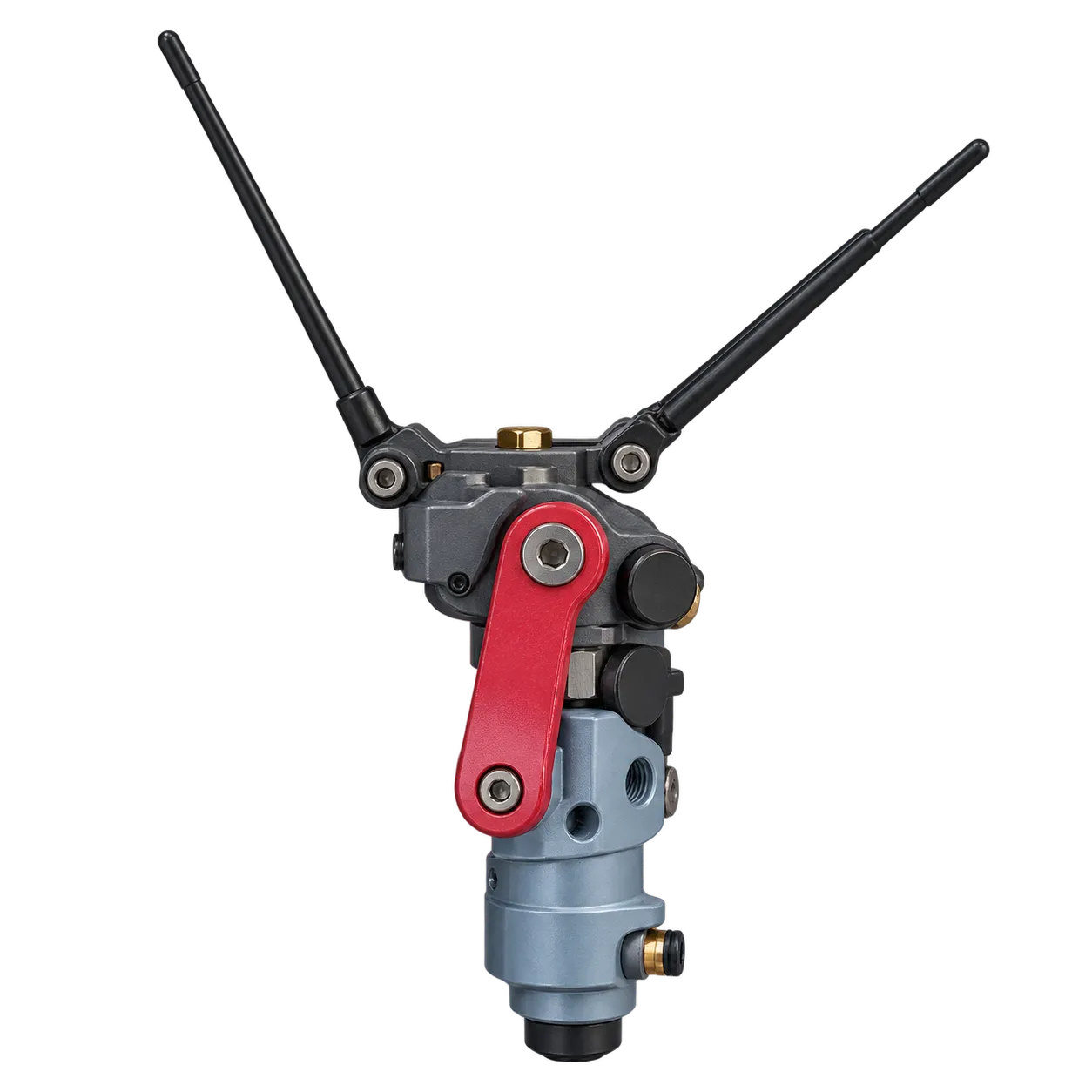
The 3F66 is used in paediatric prosthetic clinics, children's limb-fitting centres, orthopaedic and tumour surgery services and rehabilitation hospitals. Its users are children with knee disarticulation from trauma, bone tumour surgery or a congenital difference at knee level, particularly those who want extra security when standing.
Patient experience is the reason families value it. Children spend a surprising amount of time standing still, and those moments are often social: lining up at school, standing to read in class, posing for a photograph, gathering round for birthdays and celebrations. A child who worries that the knee may bend can hang back from all of these. With the 3F66 locked, the knee stays straight, so standing becomes something the child can do calmly while the attention is on friends and siblings, not on the leg.
When the moment changes, the lock is released and the knee folds through 175°, so sitting on the floor in class, kneeling to play and climbing onto a chair are all possible. The child and family learn when to lock and when to release, and that becomes part of the day's rhythm.
Prosthetists fit the joint beneath the through-knee socket and set up the lock. Physiotherapists help the child practise standing, releasing the lock and sitting down, so the change becomes natural. Typical uses include a knee for a young child new to a through-knee prosthesis, a knee for a child who has lost confidence after a fall, and a knee for a preteen who wants security in busy settings. Within its 75 kg rating, the 3F66 helps children stand with the group.