
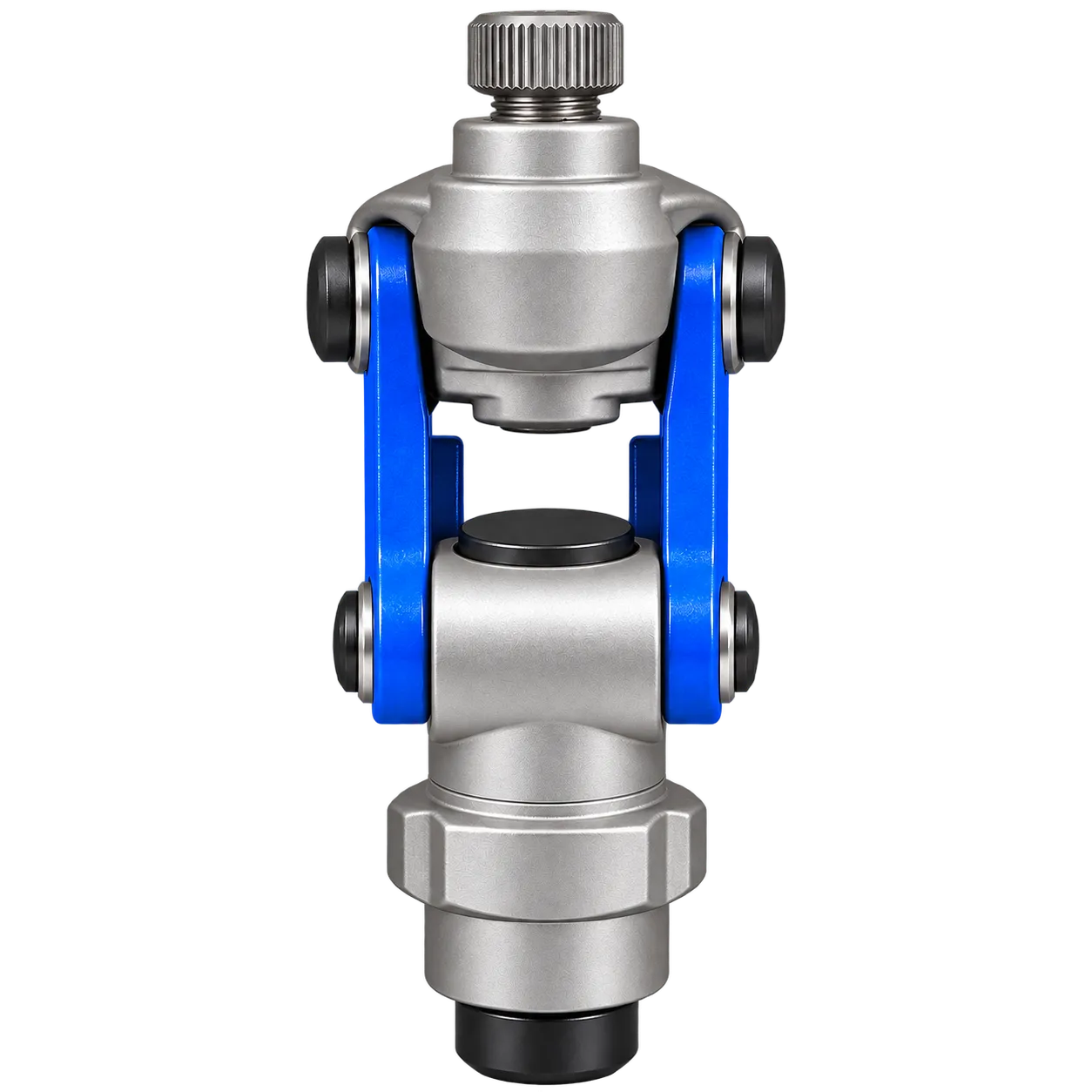
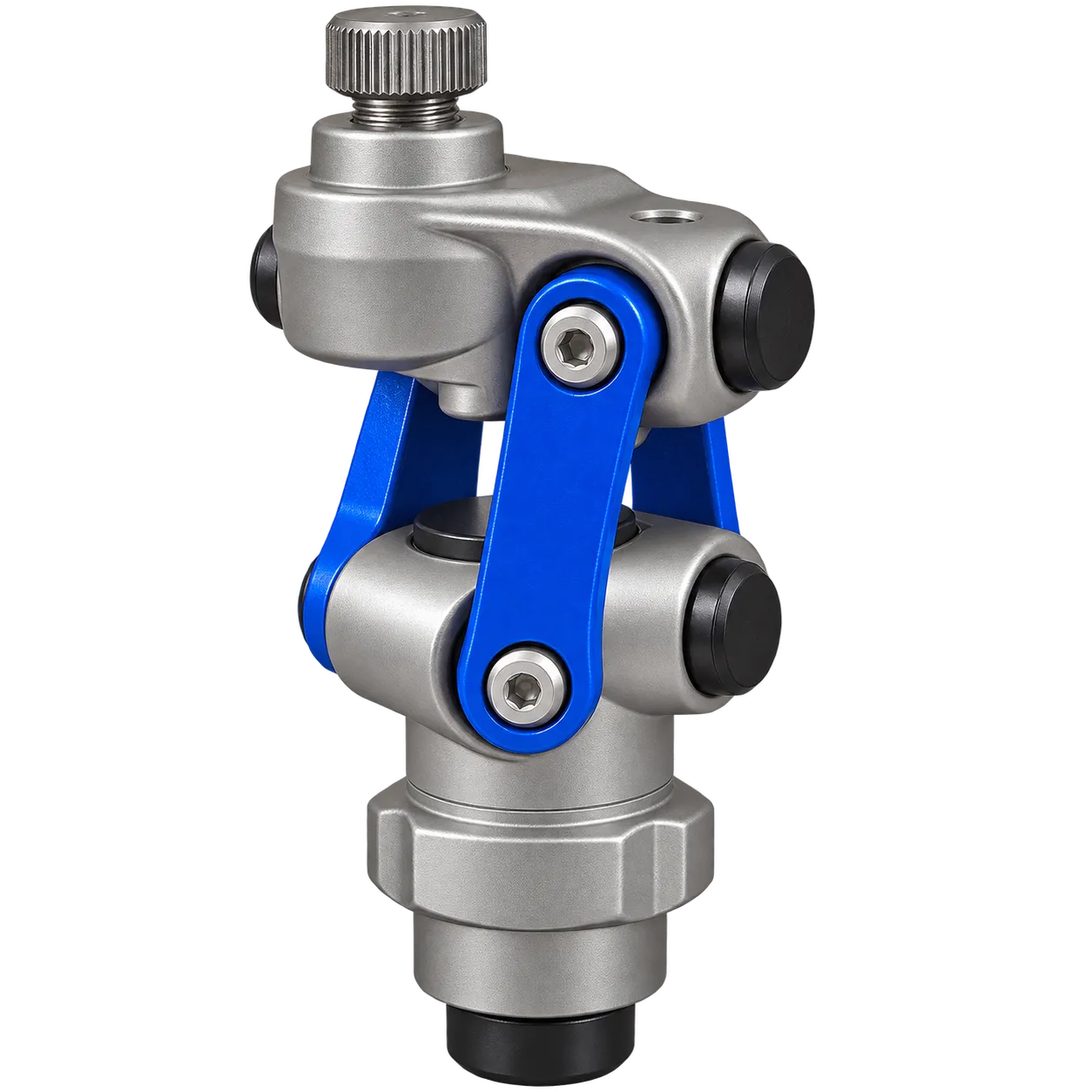
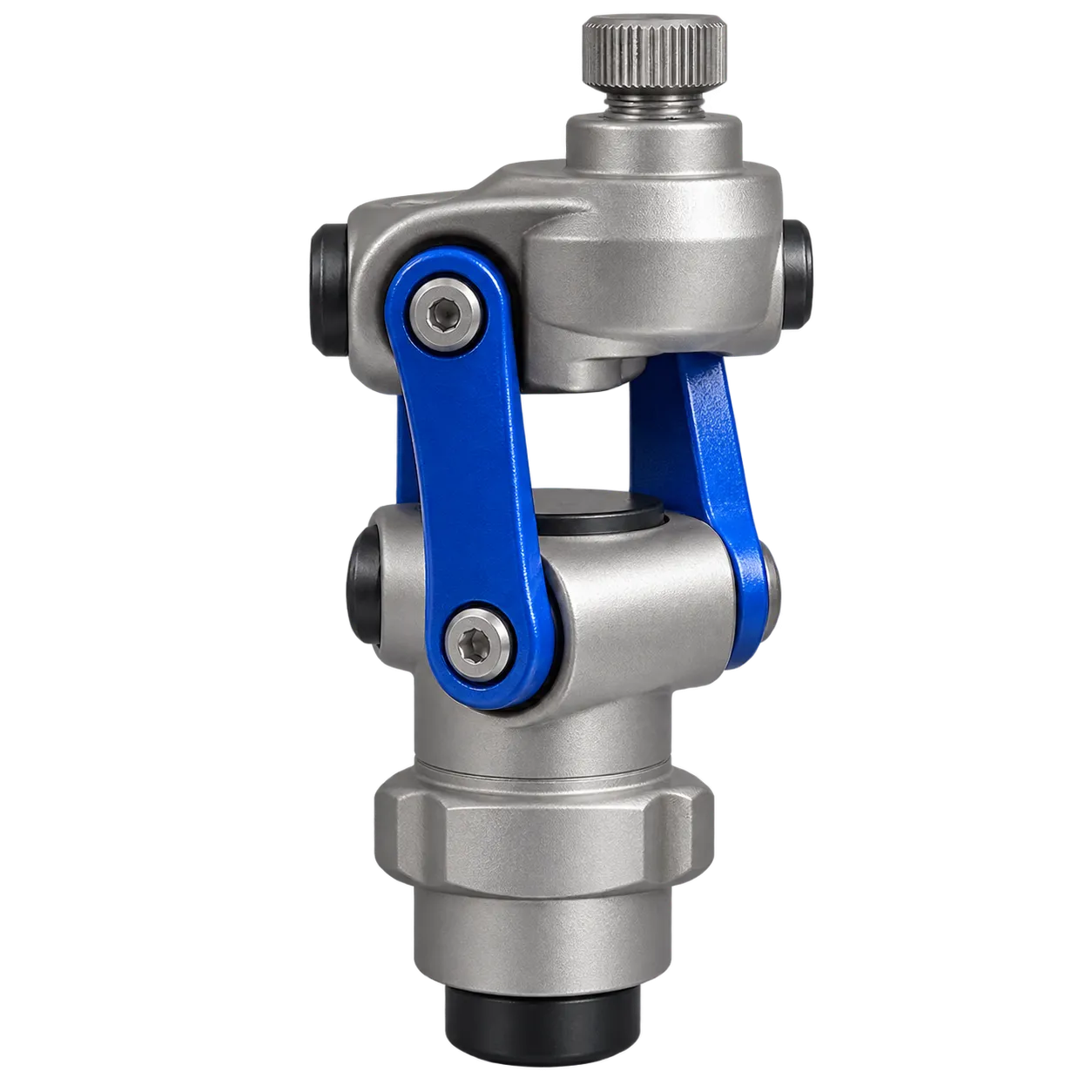
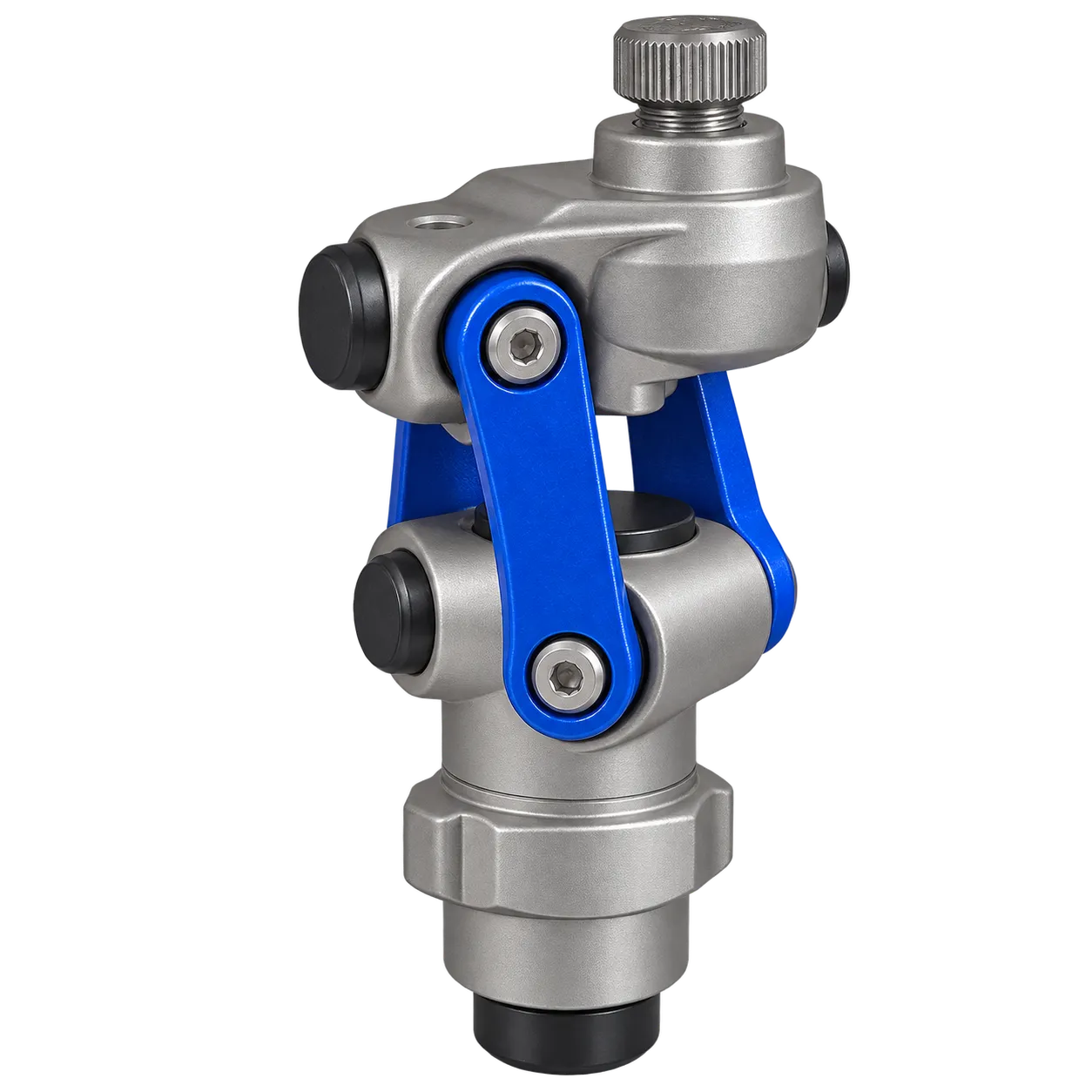
The 3F65-4 is used in paediatric prosthetic clinics, children's limb-fitting centres and rehabilitation services that fit knees for young transfemoral and knee disarticulation users. Its users include small children fitted with their first articulating knee and older children who need a light knee with the option of locking.
The focused design suits a particular clinical need. Young children have short residual limbs and limited strength, and every gram at the knee is felt as the leg swings. A 310 g knee that still contains both a lock and a four-bar mechanism lets the prosthetist give the child security and stability without making the leg heavy. Locked, the knee offers a straight leg for standing and early walking. Released, it bends with the stability of four-bar geometry.
Prosthetists build the 3F65-4 into the prosthesis and align it on the bench, then the physiotherapist and family work with the child on standing, walking and, when the time comes, walking with the knee free. Because the lock is part of the joint, moving between locked and free use is a change of setting, so the leg the child knows stays the same.
Typical uses include a first knee for a toddler or young child, a light knee for a child with a short residual limb, and a knee for an older child who needs to lock it for certain activities. Its 75 kg rating covers children into their teenage years, which makes it a practical model for clinics with a broad paediatric caseload. In every case, it keeps the leg light while giving the child a secure option.