
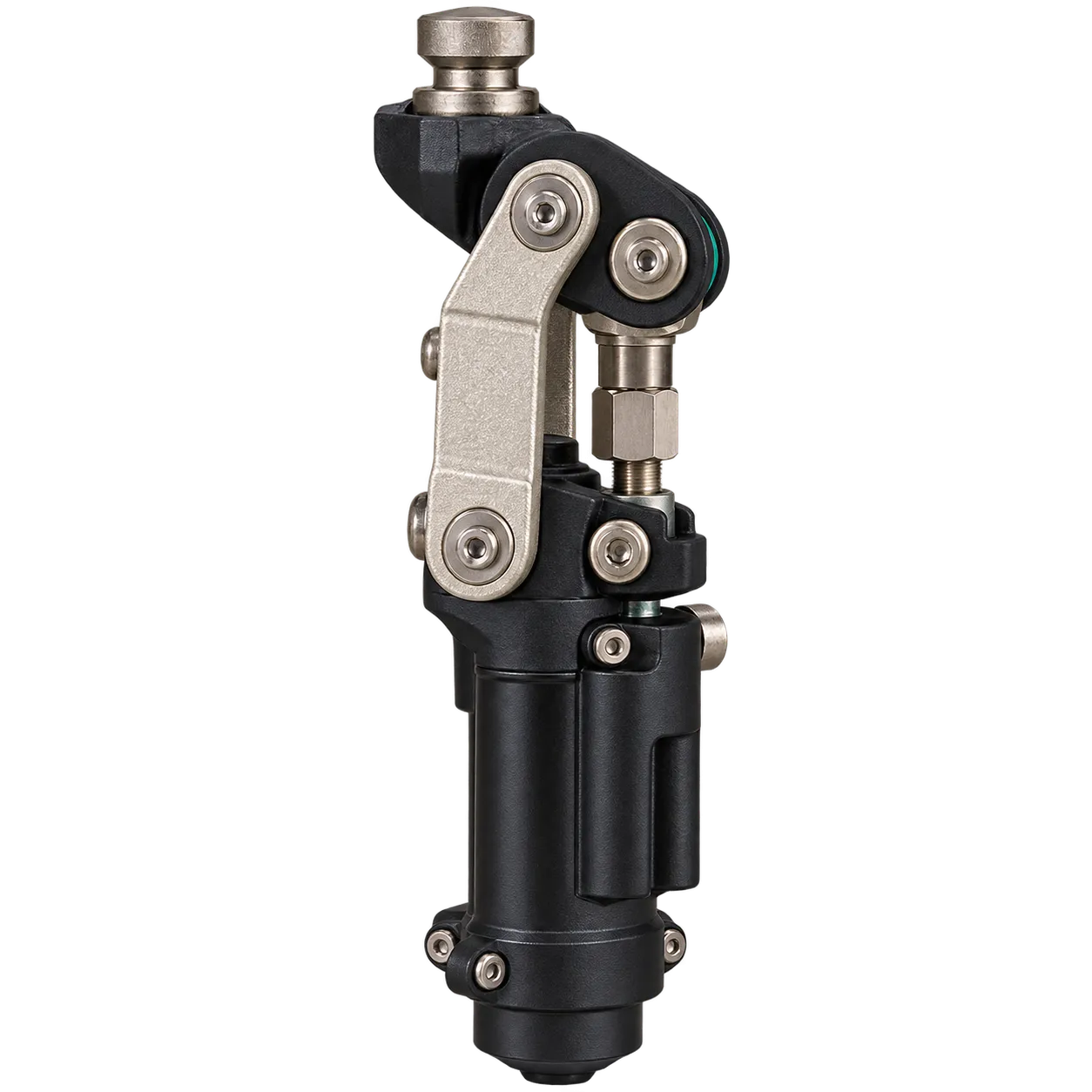
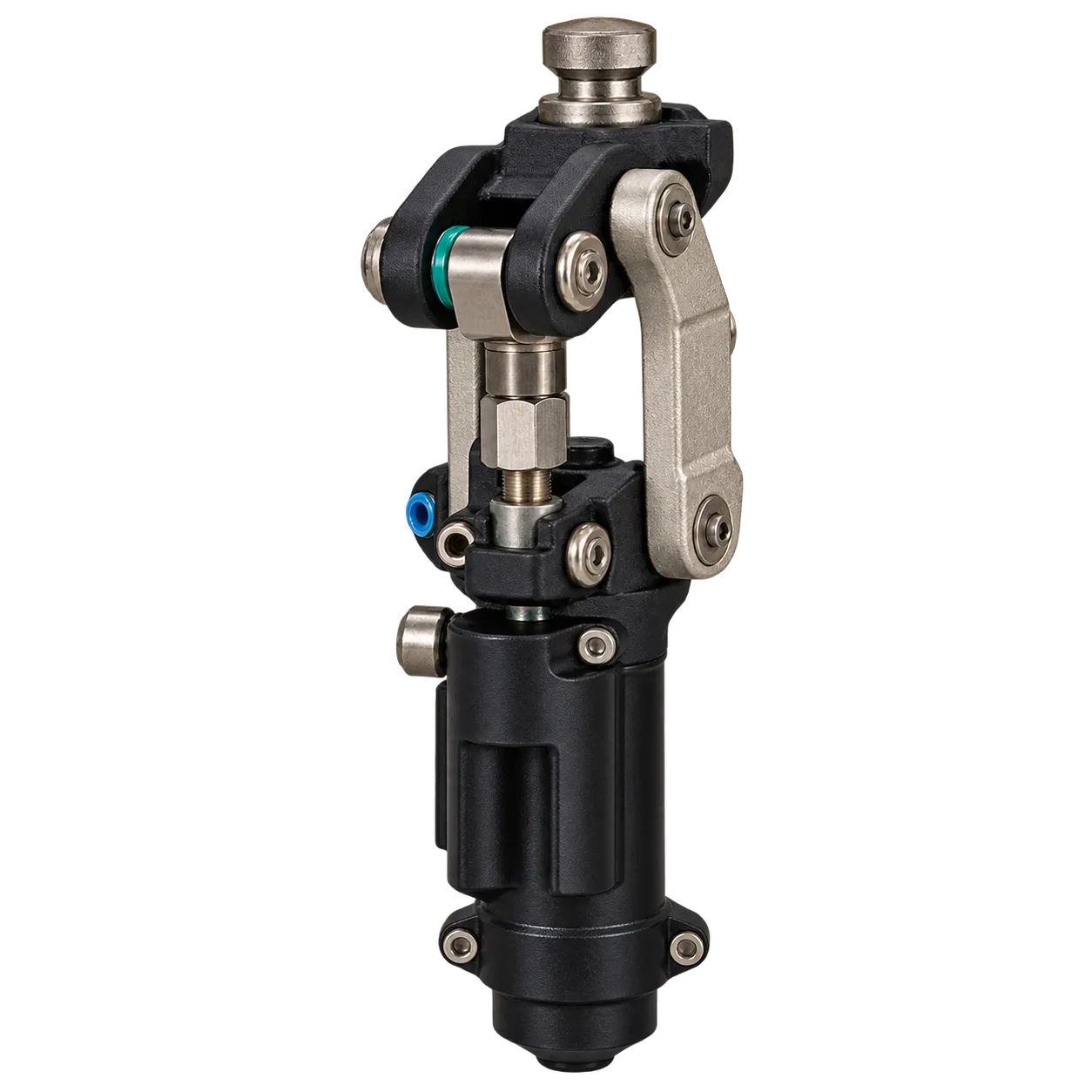
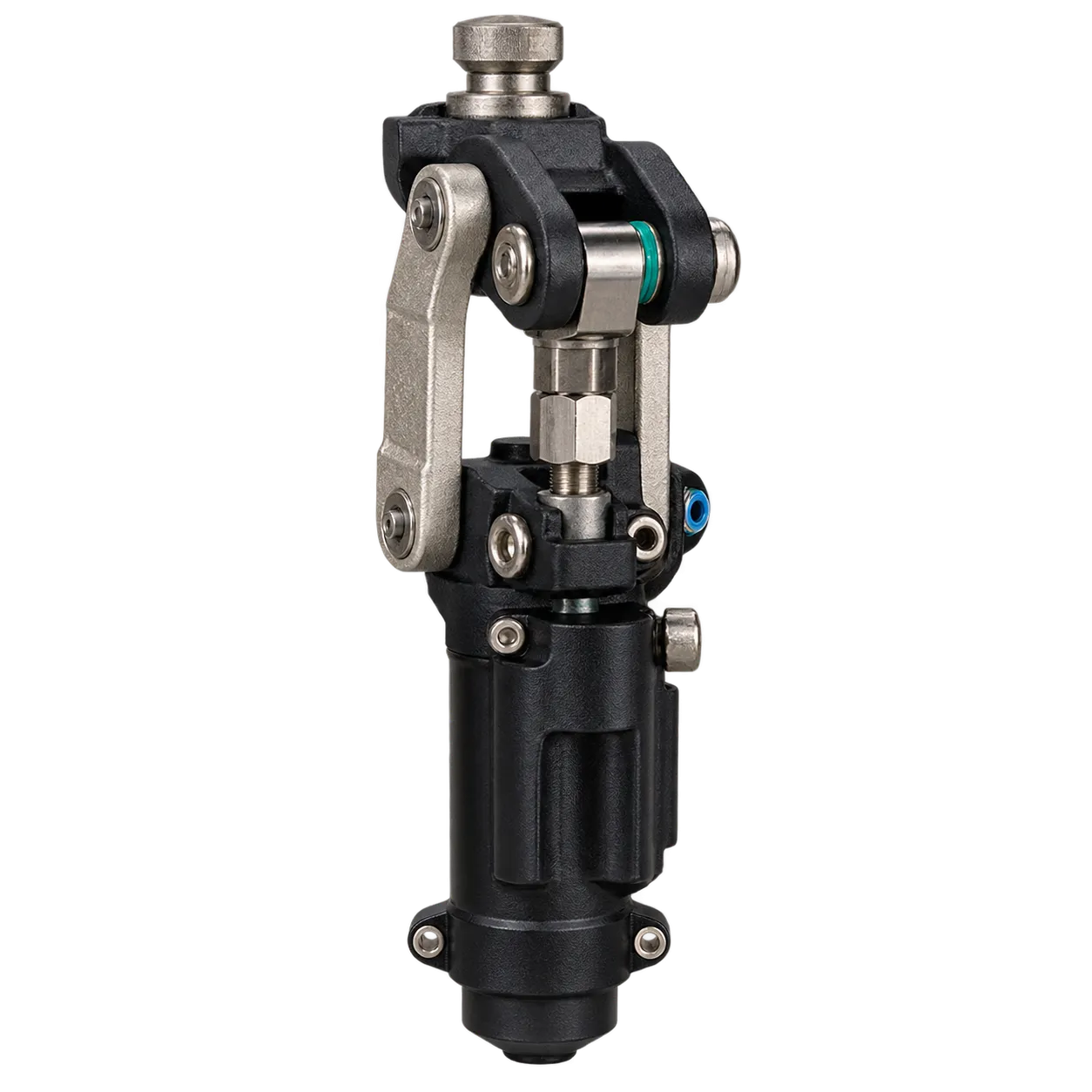
The 3F65-3 is used in paediatric prosthetic clinics, children's limb-fitting centres and rehabilitation services, and it follows the child into homes and schools. Its users are children with transfemoral amputation or knee disarticulation, especially those of school age who spend their days with many different adults.
Staffing load is where the 3F65-3 earns its place. In paediatric care, the clinic is only one part of the picture. Parents dress the child in the morning, teachers and teaching assistants supervise the school day, grandparents and childminders help in the afternoons, and the physiotherapist sees the child every few weeks. Each person needs to know how the knee behaves. A knee with two clear states, locked or free, makes that easy to explain. The clinical team sets the rule, such as locked for playground time or free for classroom moves, and the same rule is passed to everyone.
That consistency also saves clinic time. A short explanation at handover, a note for the school and a quick check at review are enough to keep the routine on track. Staff can focus on the child's progress, with no complicated device to troubleshoot.
Prosthetists build and align the joint, physiotherapists agree the locking plan with the family, and teachers follow it during the school day. Typical uses include a knee for a school-age child moving between home and school, and a knee for a child whose care is shared across several households. It also suits a child who needs the knee locked for some activities and free for others. Within its 75 kg rating, the 3F65-3 can stay with a child for years.