
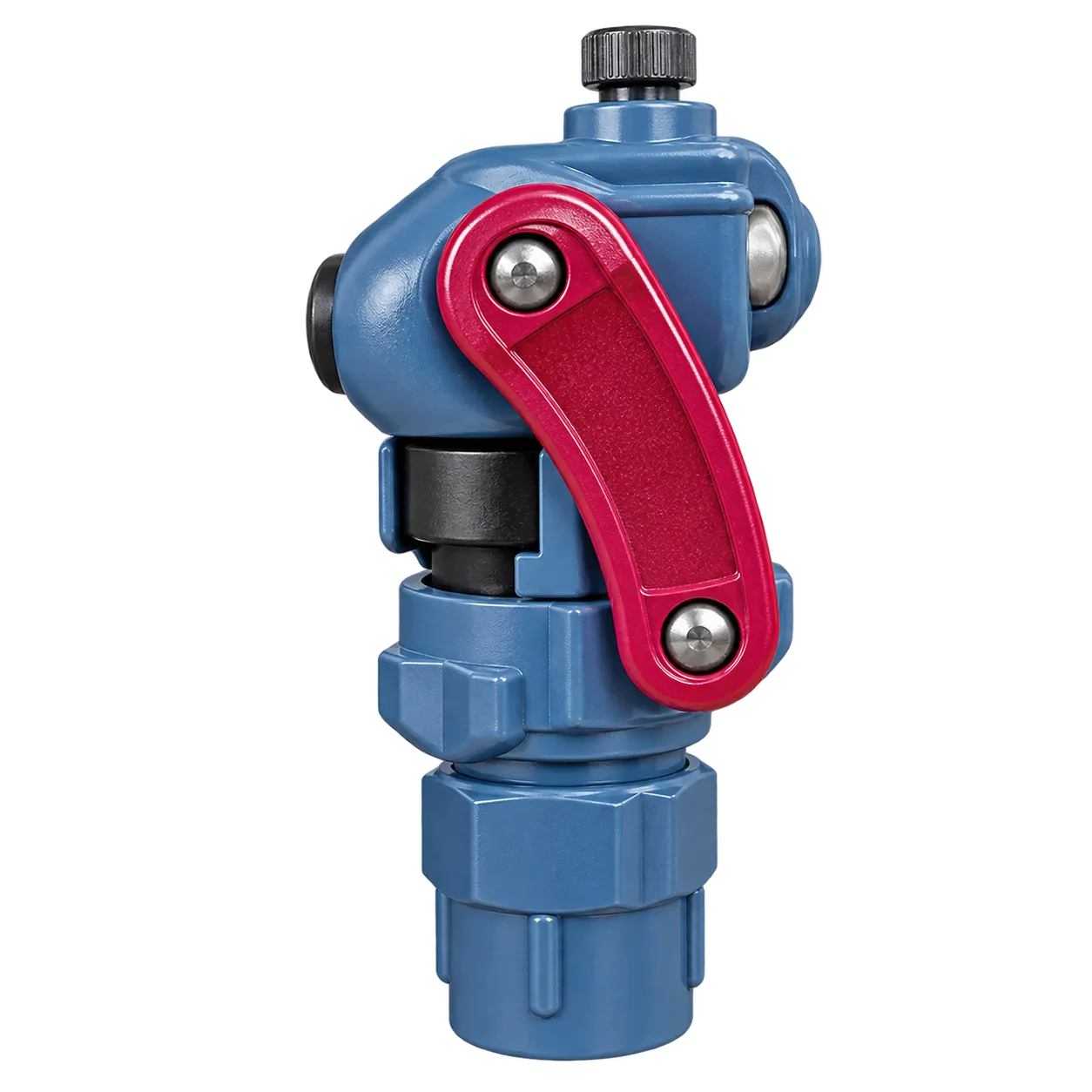
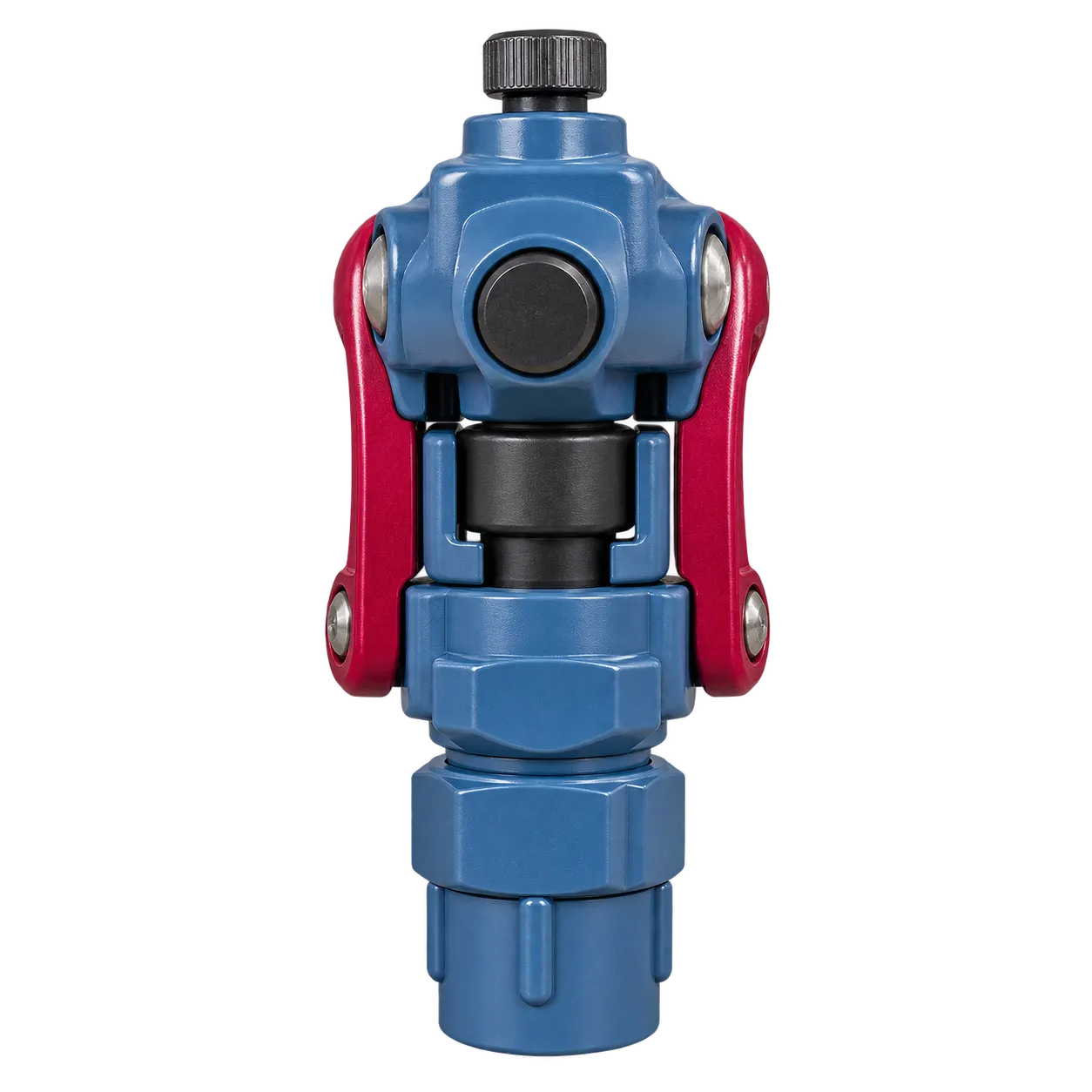
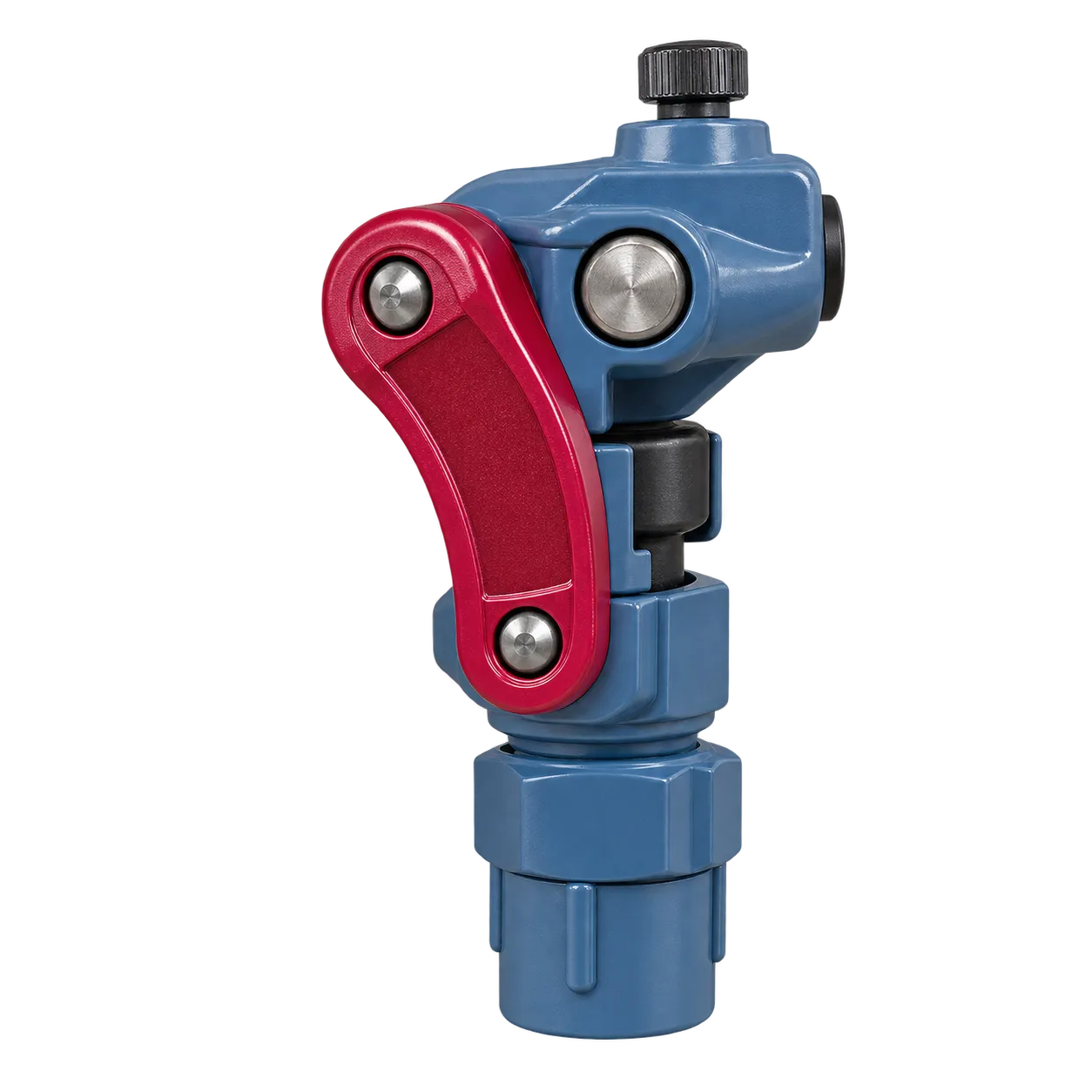
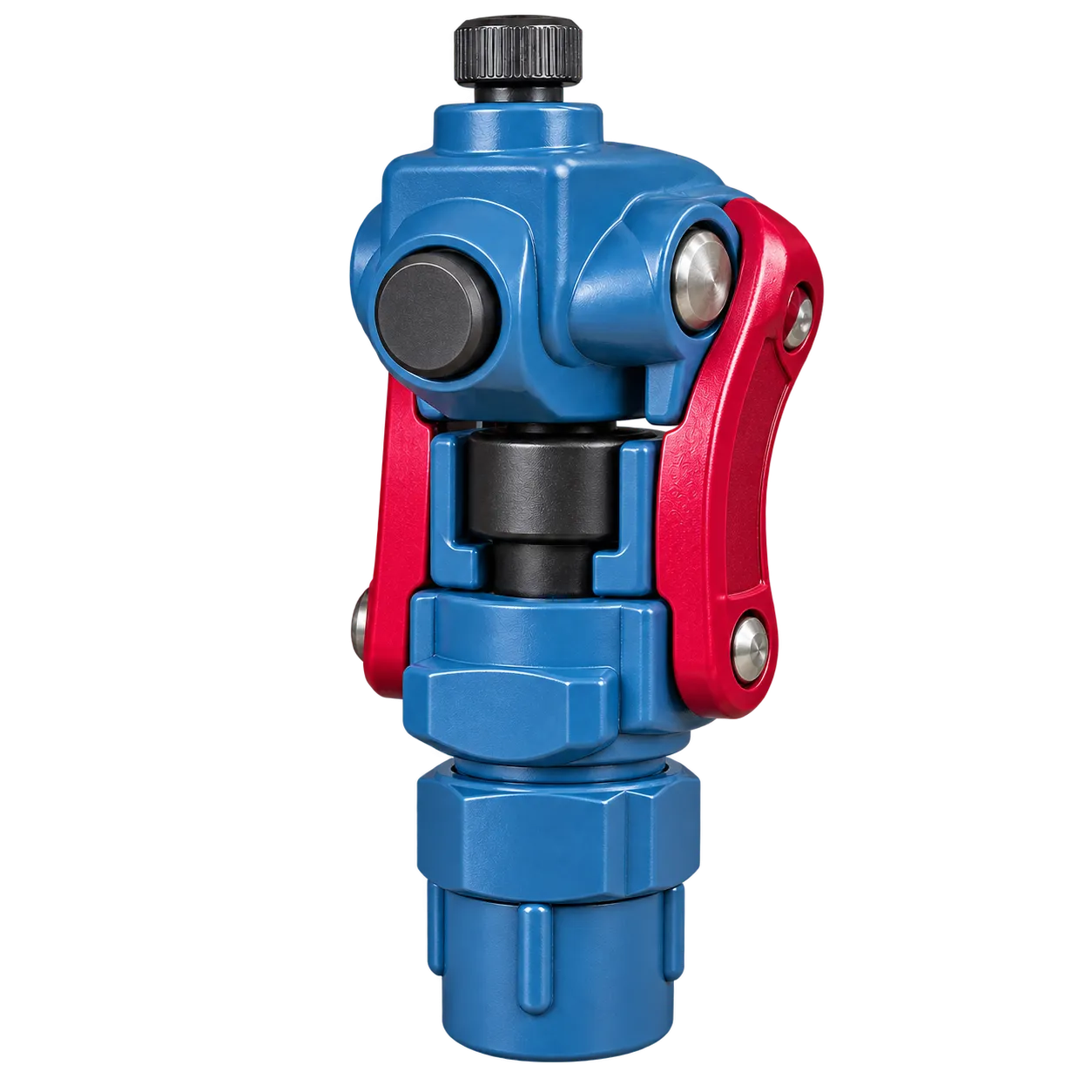
The 3F65-2 is used in paediatric rehabilitation units, children's prosthetic clinics, limb-fitting centres and physiotherapy services that run walking programmes for young prosthesis users. Its users are children with transfemoral amputation or knee disarticulation, whether new to a prosthetic knee or relearning to walk after surgery.
Workflow is the reason teams choose it. Paediatric gait training is planned in phases, each with its own goals, and the knee has to suit every one of them. In the first phase, the lock is engaged and the child works on standing, weight shifting and supported steps. In the next, the child walks with the knee still locked, building rhythm and confidence. Then the physiotherapist begins releasing the lock for short drills, such as walking along parallel bars or stepping over a line, before extending free walking to whole sessions and finally to daily life.
Because the lock and the four-bar mechanism share one joint, each step in the programme is a change in how the knee is used. The prosthesis stays the same, the alignment stays the same, and the child keeps the leg they know. That keeps the focus of each lesson on the child's coaching and goals.
Prosthetists set up and align the joint, physiotherapists plan and run the phases, and families carry the current phase into home life. Typical uses include a first knee for a young child entering rehabilitation, a knee for a child returning to walking after tumour surgery or trauma, and a knee for a child moving from a locked to a free knee. Within its 75 kg rating, the 3F65-2 carries a child through the whole programme.