
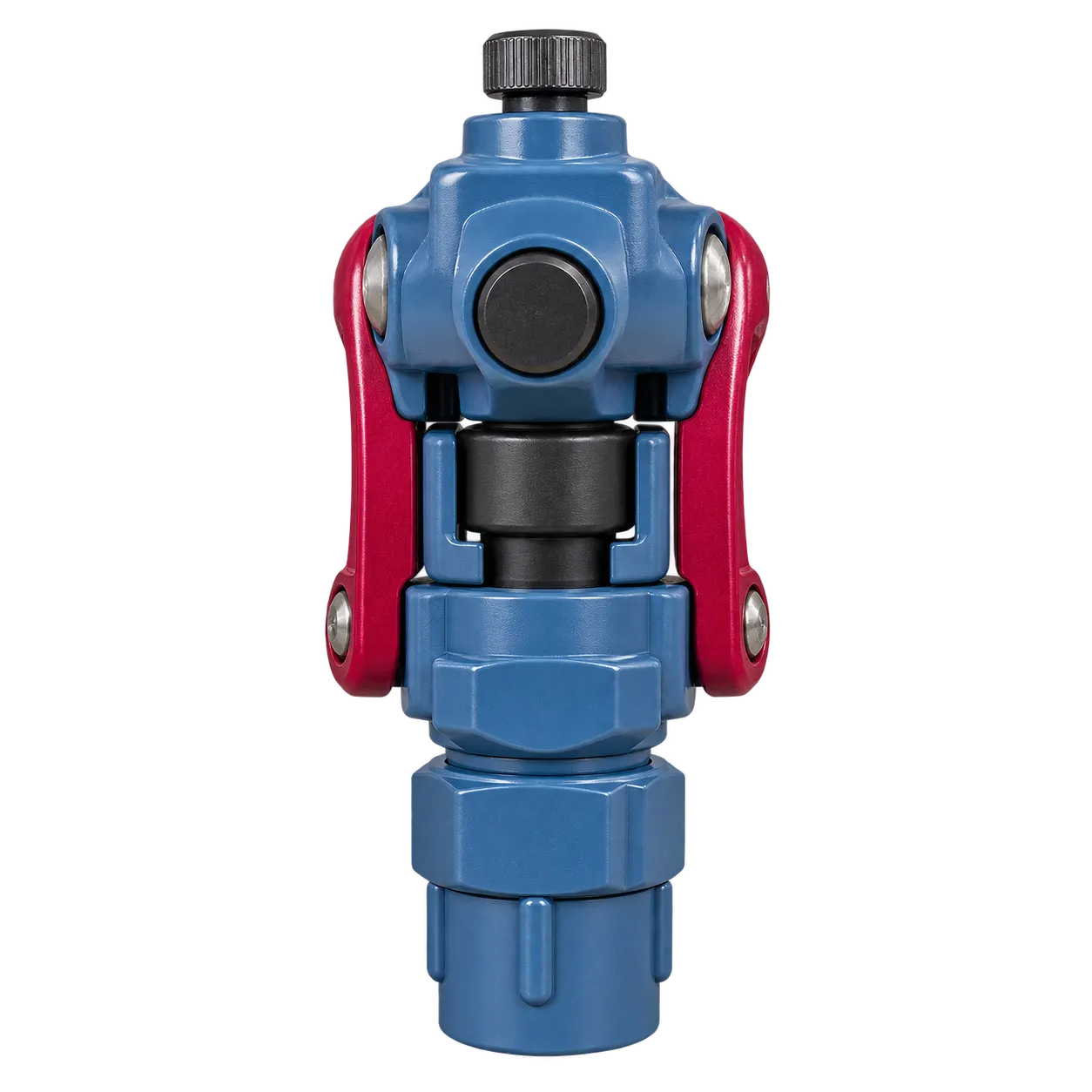
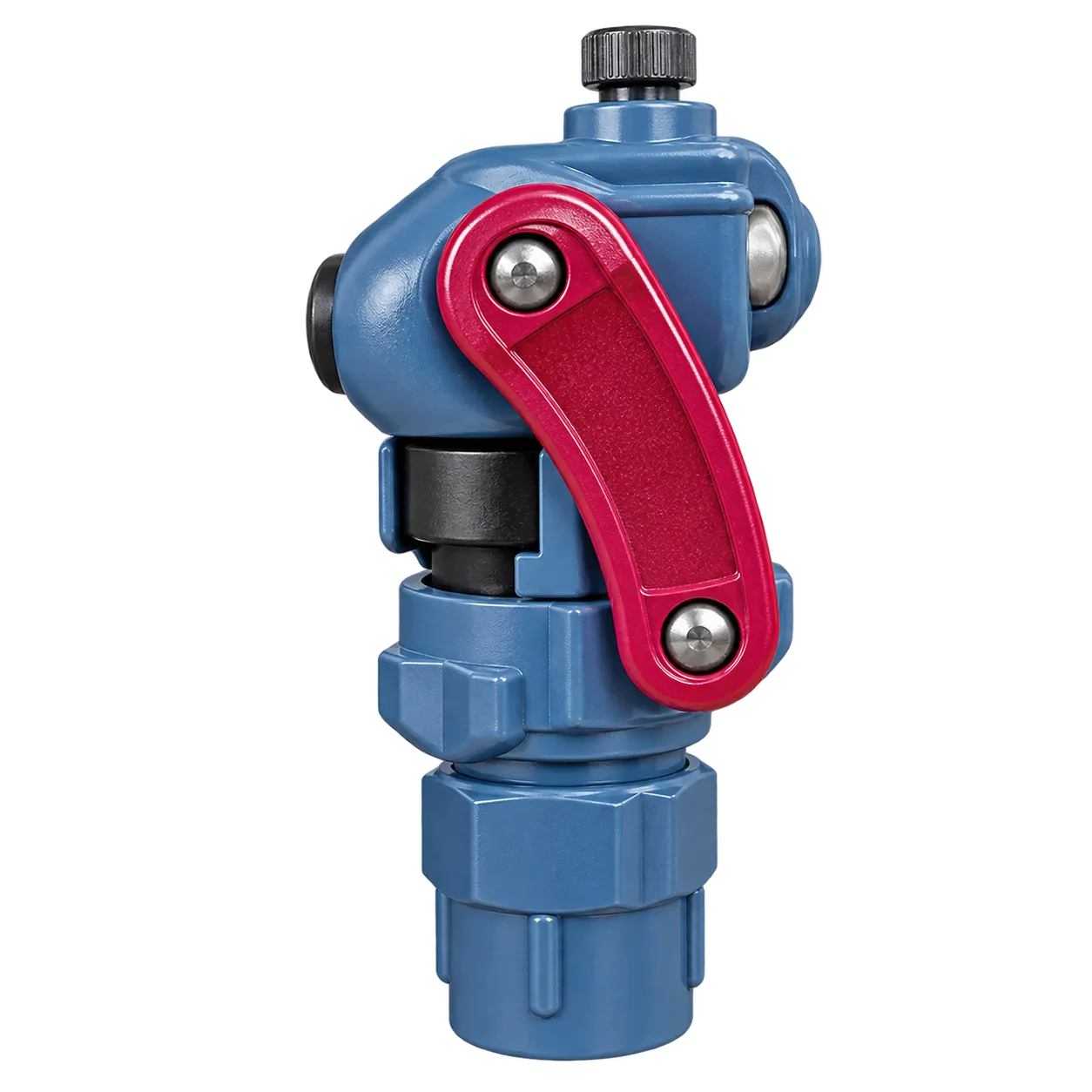
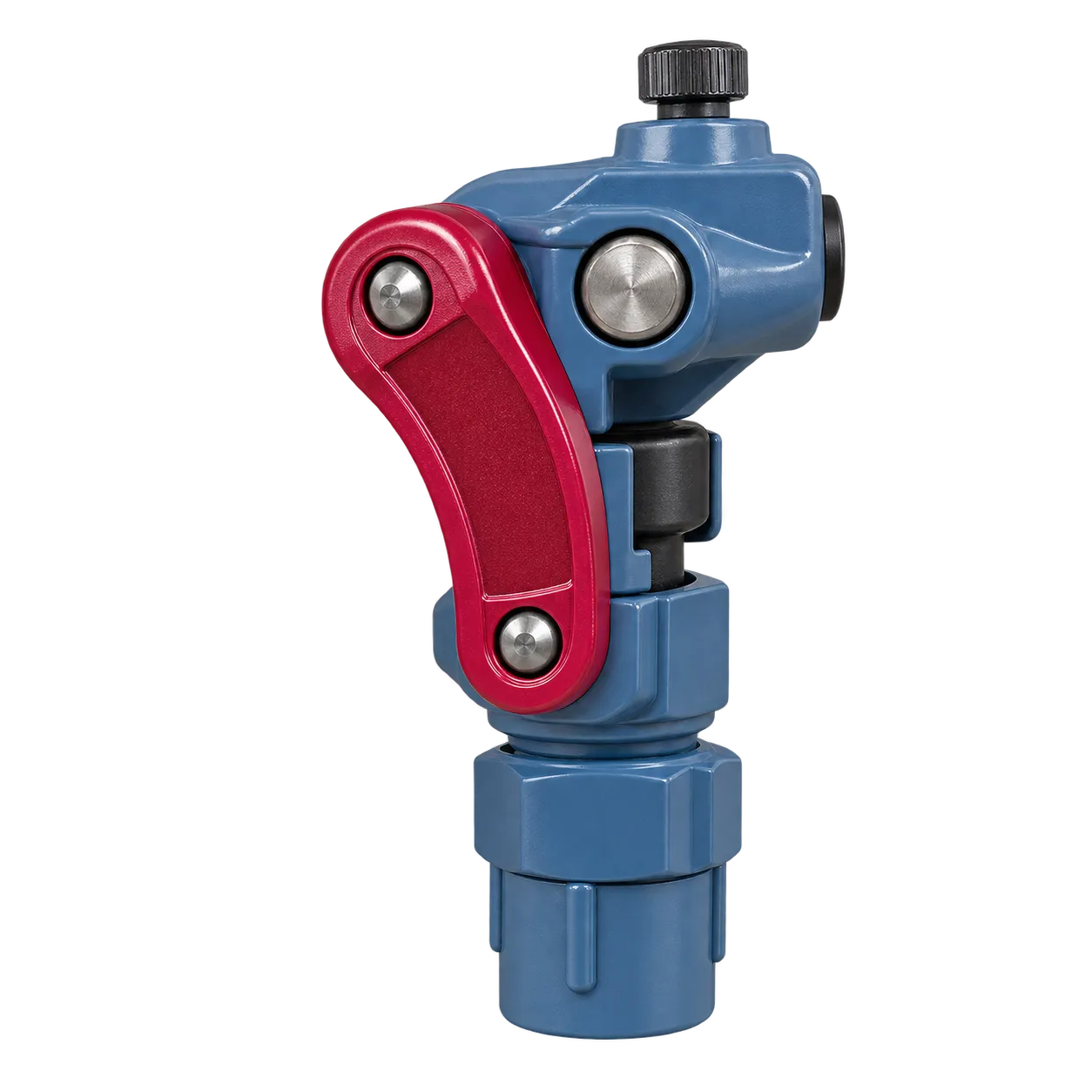
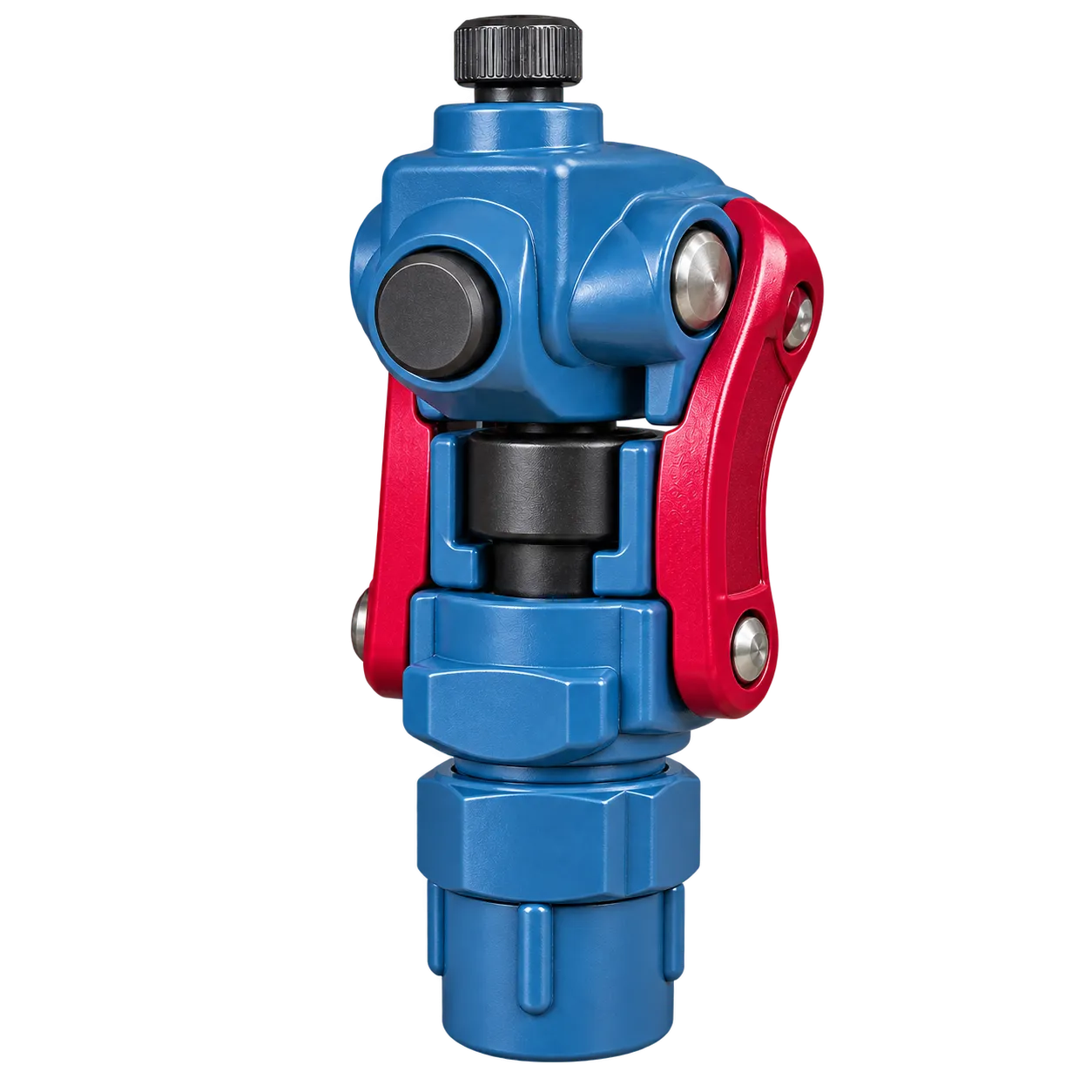
The 3F65-1 is used in paediatric prosthetic clinics, children's limb-fitting centres, rehabilitation hospitals and orthopaedic services. Its users are children with transfemoral amputation or knee disarticulation, from congenital limb difference, trauma or tumour surgery, who are taking their first steps on a prosthetic knee or who need extra security for a period.
Safety shapes how the joint is used. Early in rehabilitation, a child standing on a prosthesis for the first time needs a leg that will not fold. With the lock engaged, the 3F65-1 provides exactly that: a straight, stable leg for standing, balance work and first steps. Parents can see that the leg holds, which helps them encourage the child at home. Physiotherapists can build confidence in standing and walking without the added task of controlling a bending knee.
When the child is ready, the team releases the lock. The four-bar mechanism then bends freely, with its geometry still giving stance stability, and the full 175° range opens up kneeling, floor sitting and getting into and out of chairs. The move from locked to free happens on the same knee, so there is no new component to fit and no change in the leg the child is used to.
Prosthetists set up and align the joint, and the whole team reviews progress at each visit. Typical uses include a first knee for a young child, a knee for a child returning to walking after surgery, and a knee for a child who needs the option of locking for particular situations. Within its 75 kg rating, the 3F65-1 gives children a safe start and room to progress.