
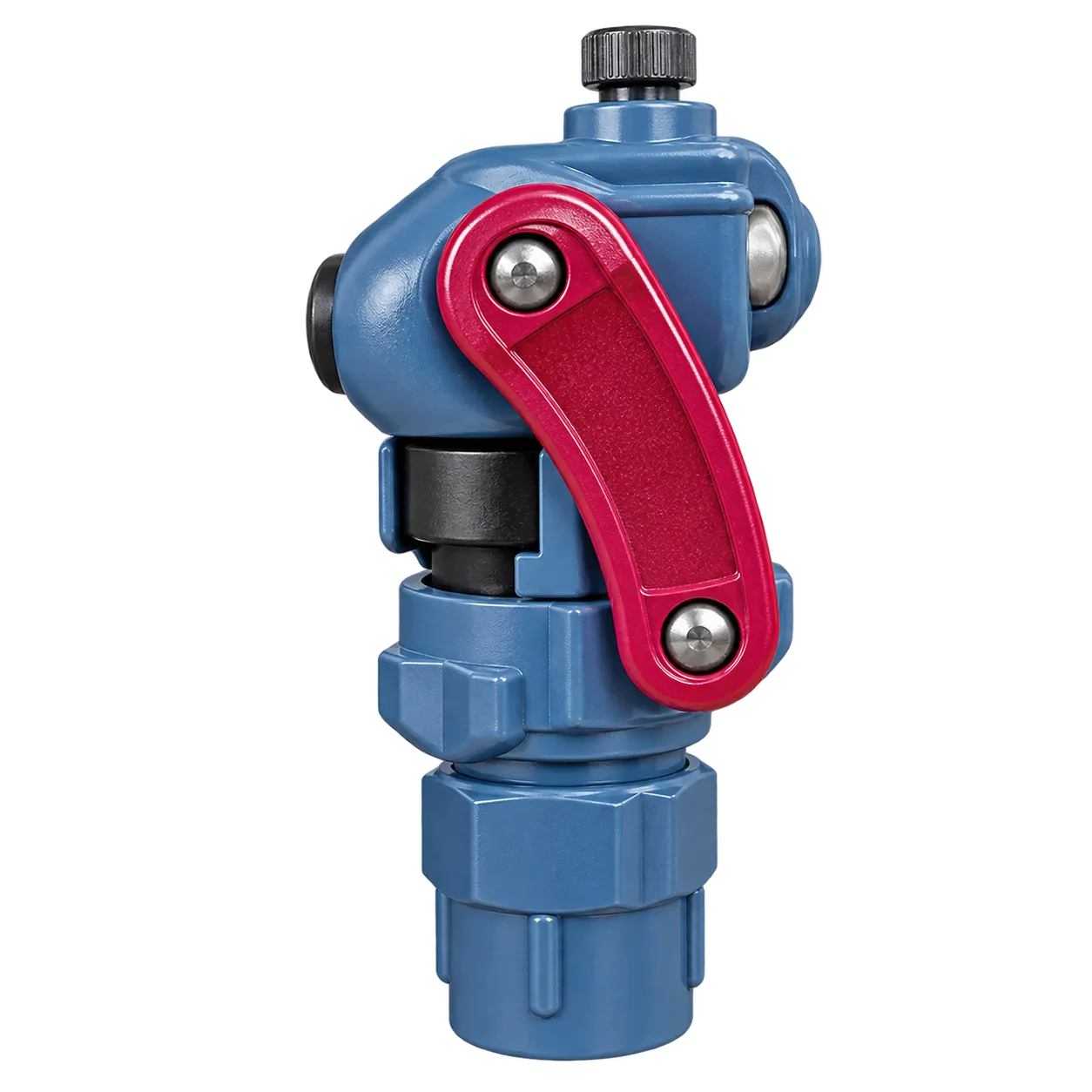
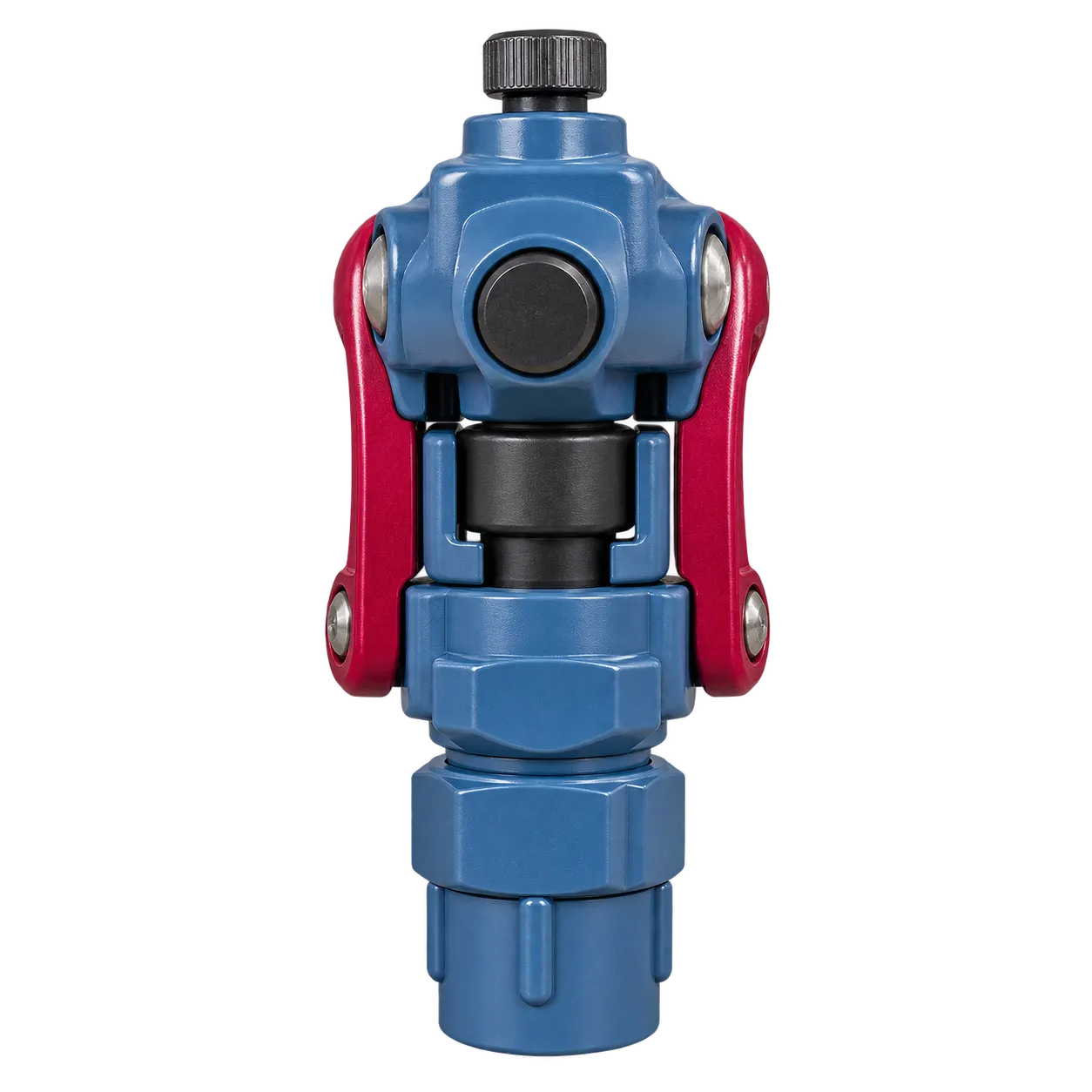
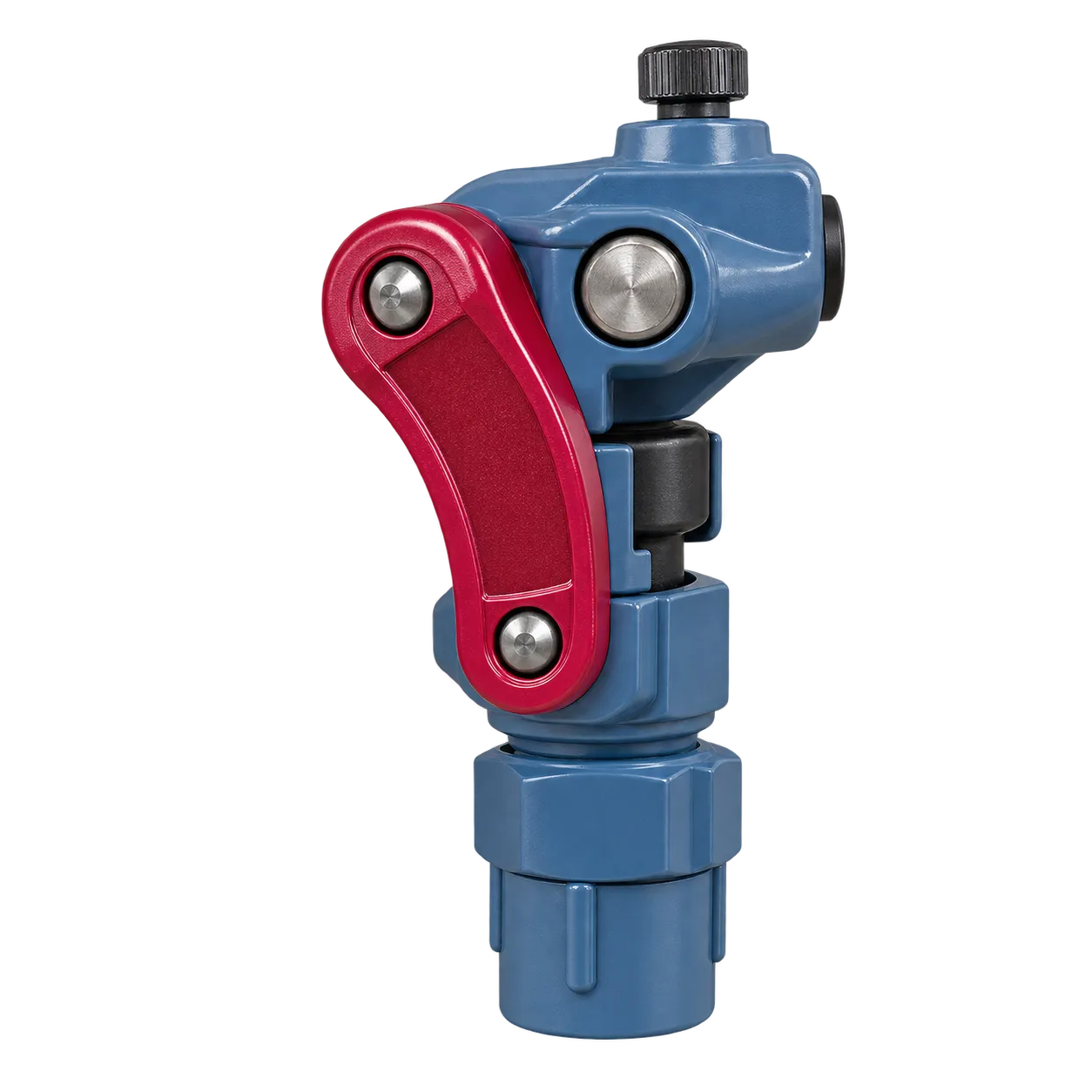
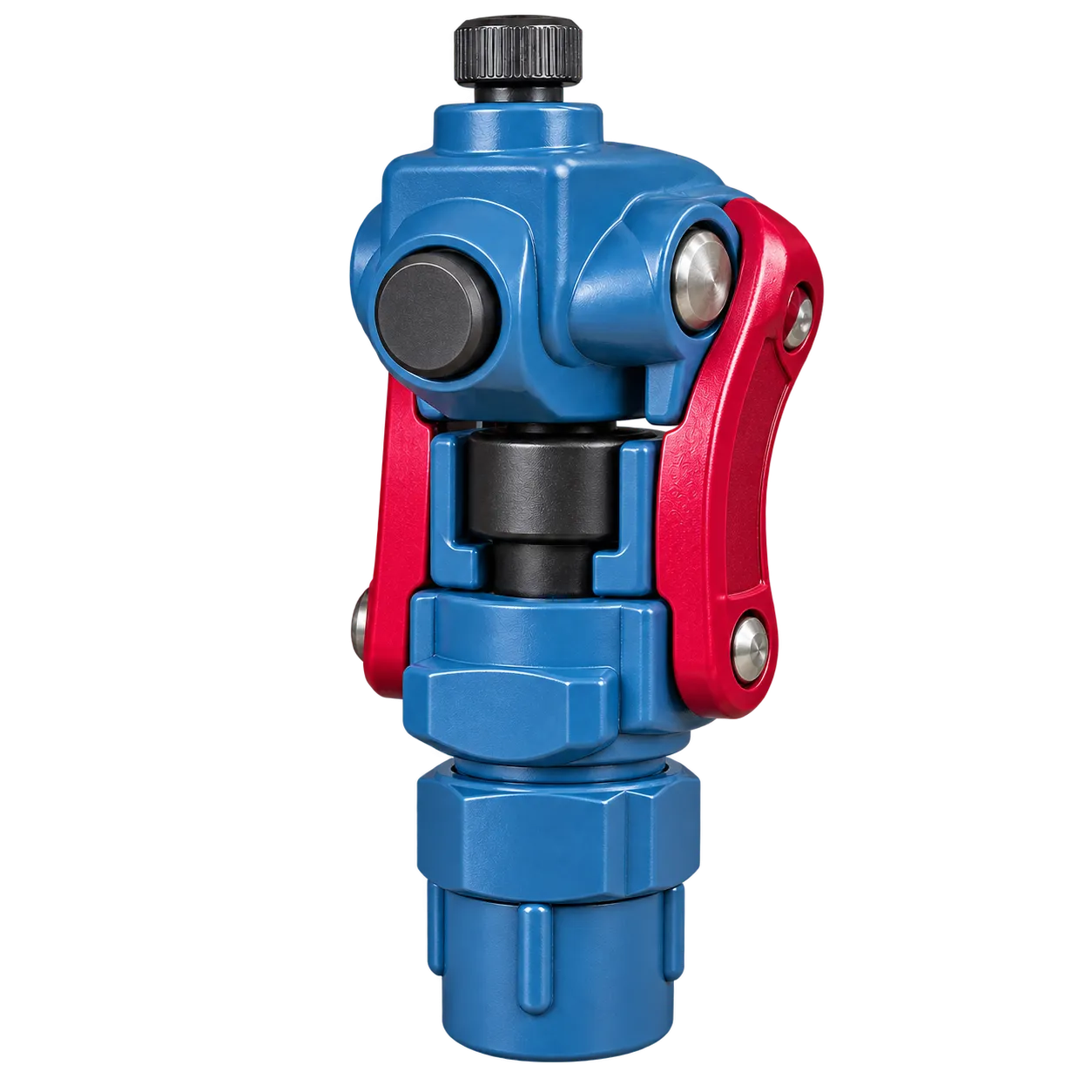
The 3F65 is used in paediatric prosthetic clinics, children's limb-fitting centres, rehabilitation hospitals and orthopaedic services that fit lower-limb prostheses to children. Its users are children with transfemoral amputation or knee disarticulation, whether from congenital limb difference, trauma or tumour surgery, who are ready for a knee that bends.
Population fit is where the 3F65 earns its place. A child's day is spent close to the ground. Children spend time on the floor, kneel to play, sit cross-legged at school and climb in and out of chairs and cars. A knee with 175° of flexion folds far enough for all of that, and four-bar geometry gives the stance stability a young walker needs to trust the leg. Light 7075 aluminium keeps the prosthesis manageable for small residual limbs and developing muscles, so the child is not tired by the weight of the leg.
Prosthetists set up the 3F65 with the rotatable pyramid head, which makes it easier to fine-tune alignment on the bench and at the fitting. For knee disarticulation users, Wonderful lists a dedicated connection plate. Physiotherapists then work with the child on walking, kneeling and getting up from the floor.
Growth brings children back to clinic often, and the six-monthly inspection Wonderful specifies fits naturally into those reviews: alignment, screws, lubricant and wear are checked as the limb is lengthened or the socket is changed. Typical uses include a first articulating knee for a young child, a knee for an active school-age child, and a knee for a teenager within the load figures. In each case, the 3F65 gives a child a knee that keeps up with how children live.