
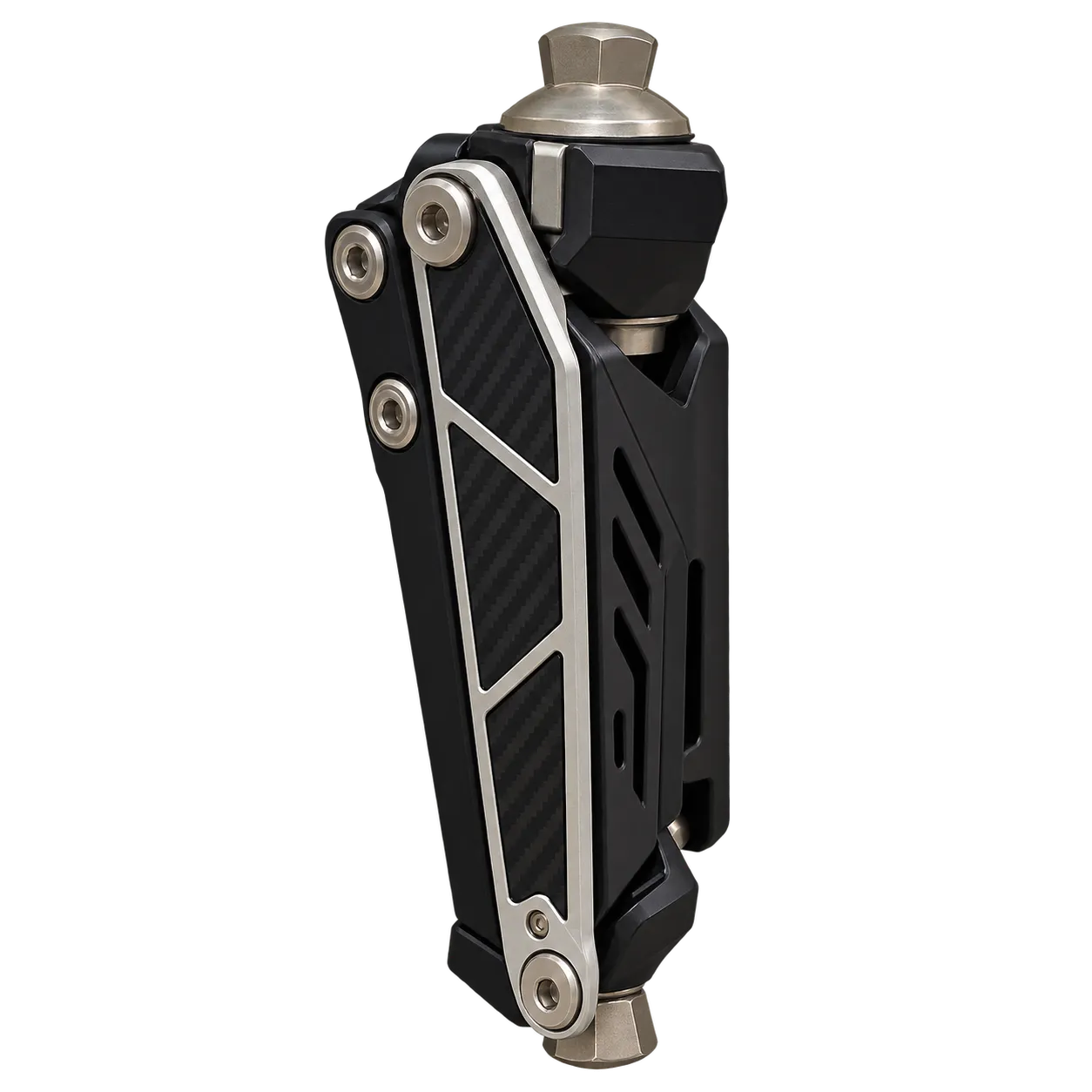
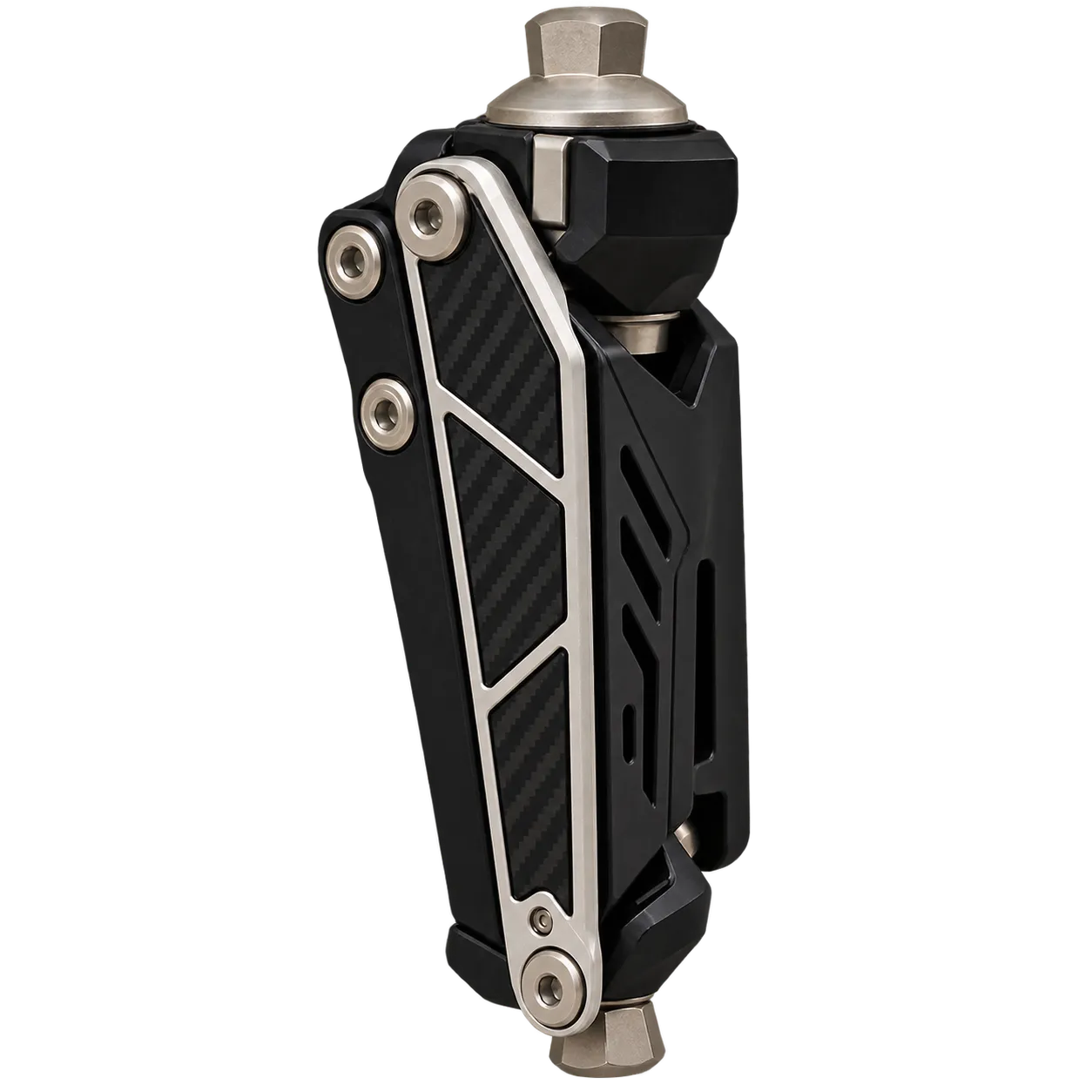
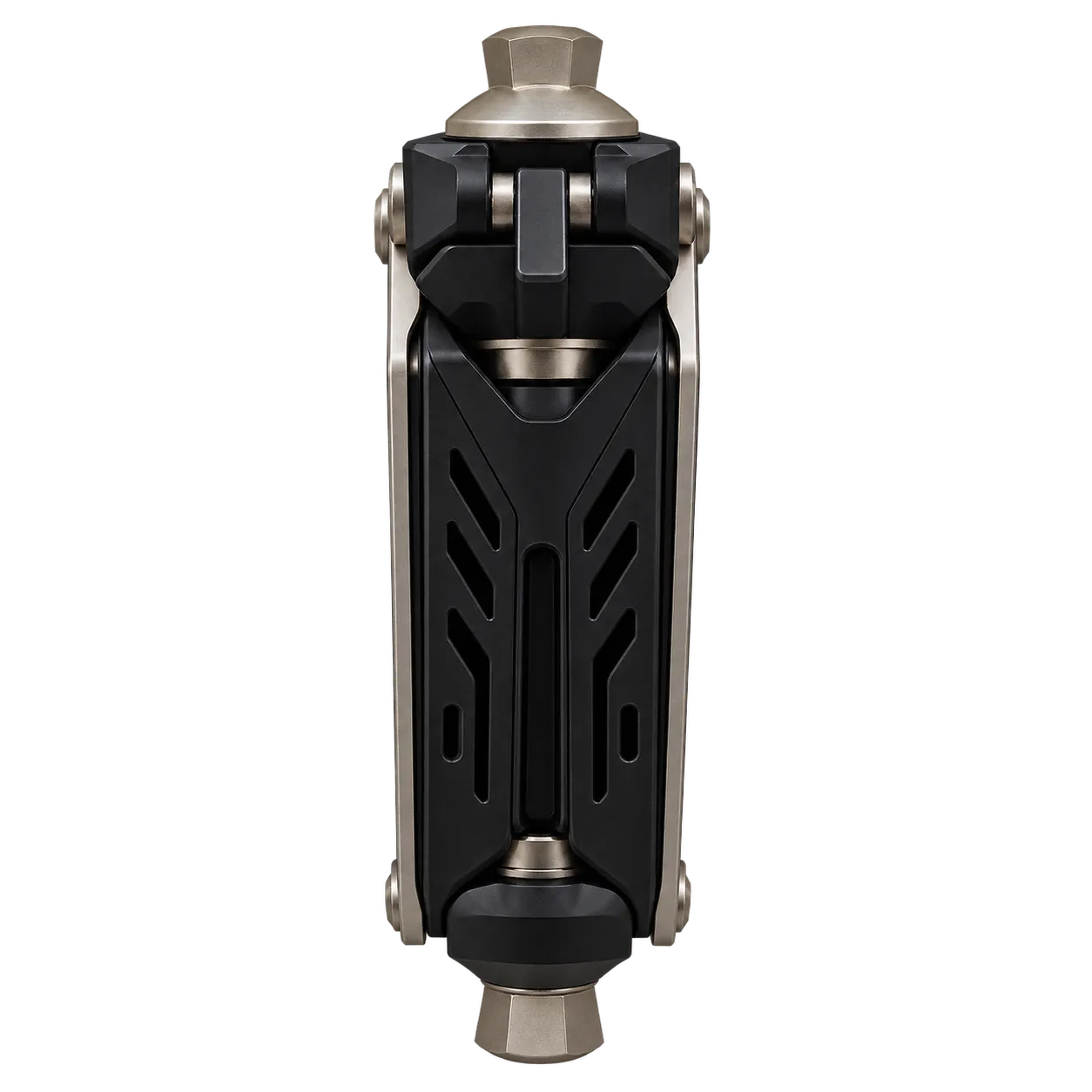
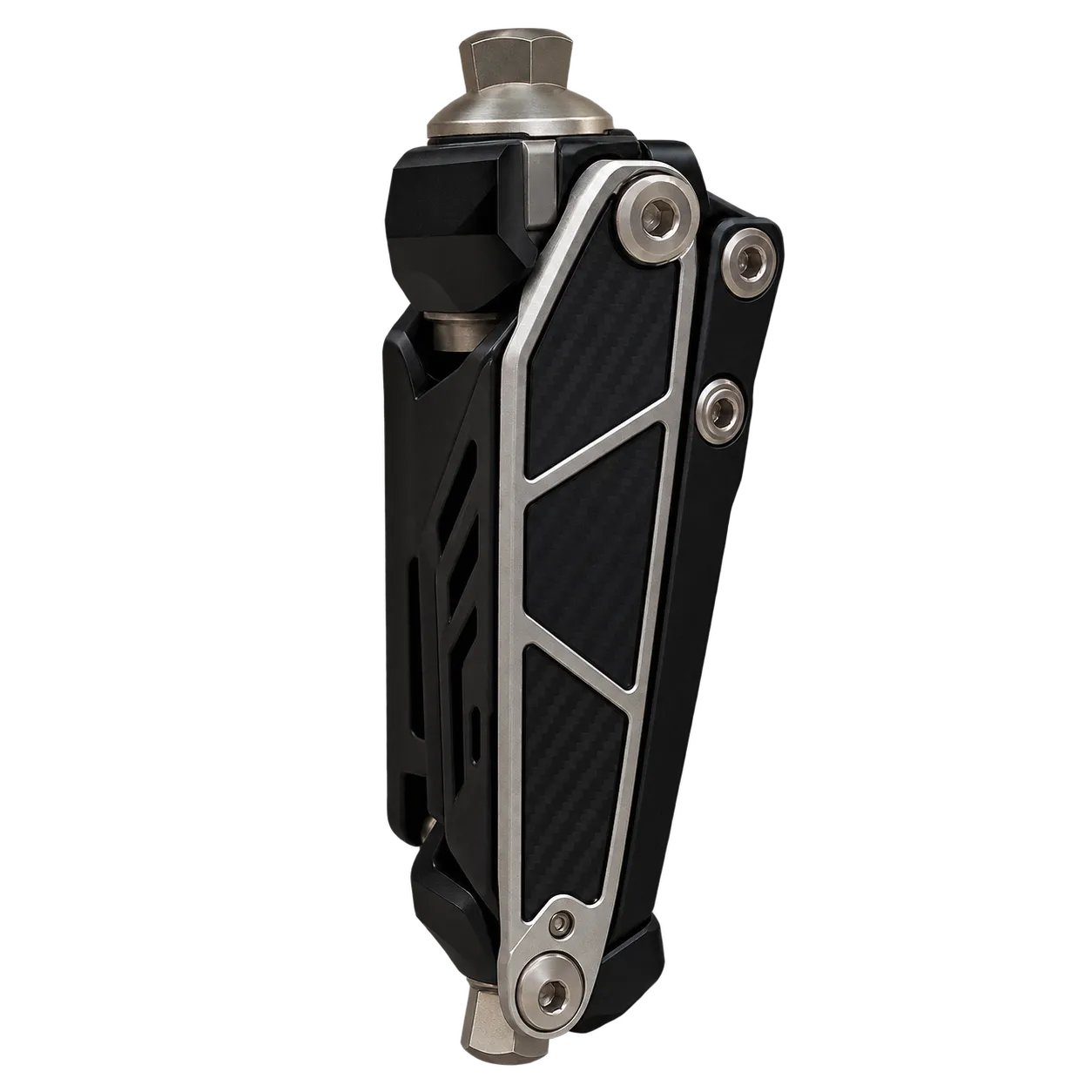
The 3F35 belongs in transfemoral limbs whose owners can plan its servicing as carefully as its fitting. Wearer weight is read against the 150 kg printed on the sheet and against every other part in the limb.
Three kinds of buyer can make that plan work. A limb centre with several wearers on one model can keep a shared spare, so a knee sent for repair never leaves anyone waiting. An independent clinic can write the inspection dates into each wearer's review calendar and agree a loan unit with its supplier in advance. Export and charity programmes need the most care. Where the nearest service point is a customs border away, turnaround is measured in weeks, and a programme should hold spares in proportion to the knees it issues.
Review visits carry the daily work. At each one the prosthetist wipes the body clean, looks for fresh oil, checks play at the pivots, tests the screw torques against the instructions and asks the wearer whether swing has changed. A dated note of those findings gives a repair claim its history.
Published guidance supports fluid swing control for active walkers. A 2019 clinical practice guideline indicated hydraulic or pneumatic swing resistance for that group, citing comfort, speed and symmetry. Evidence also runs the other way: in a 1995 study of 28 transfemoral amputees, 19 preferred a fluid unit, yet energy use at 2 and 3 km/h was higher on it. These are findings about knee types, and the 3F35 has its own test report.
NHS trusts in England buy prosthetic components through a mandated framework, and equivalent public procurement elsewhere asks for the same documented supply and service route. The conformity documentation those procurement routes require is issued by the manufacturer and shared by the enquiry team.