
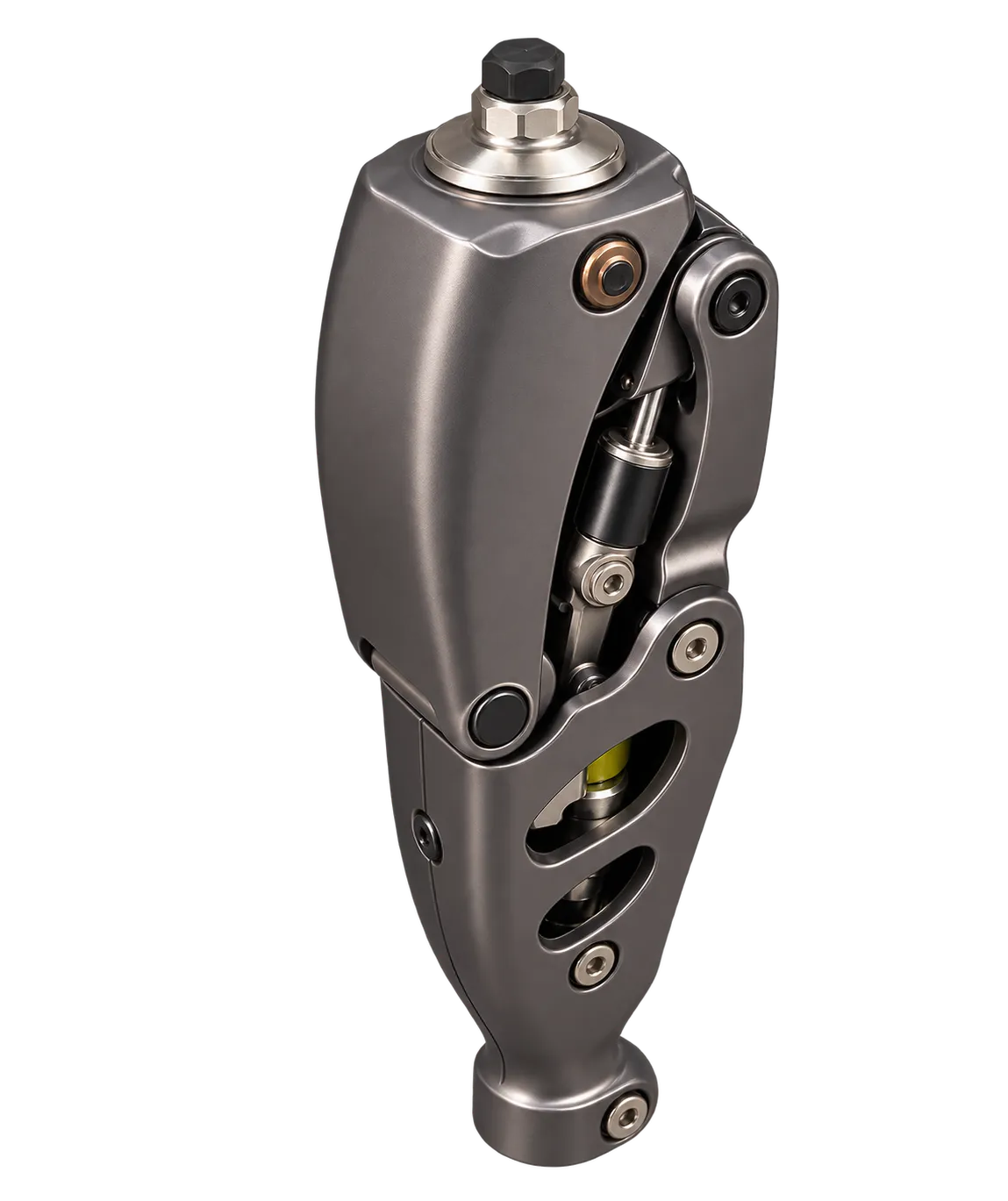
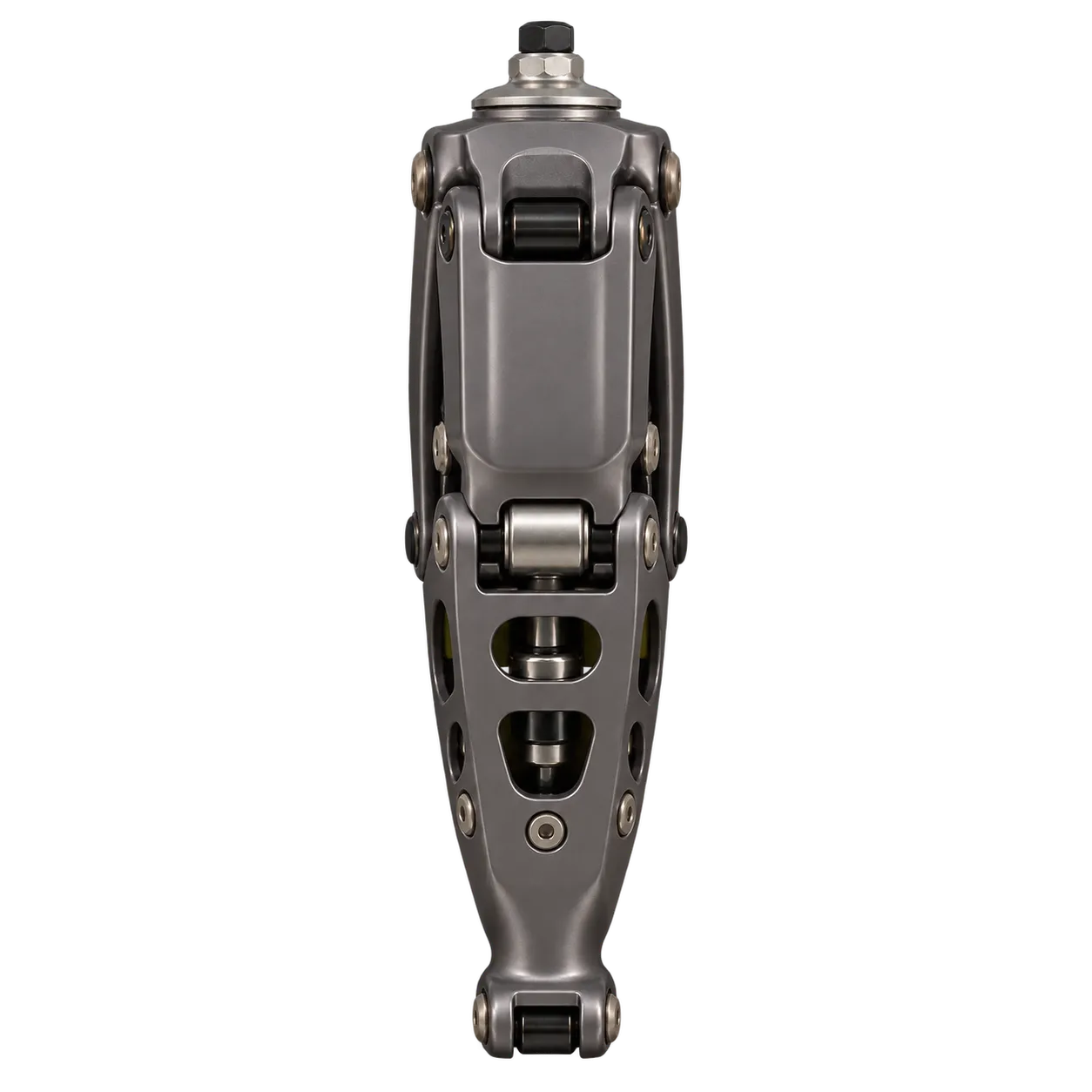
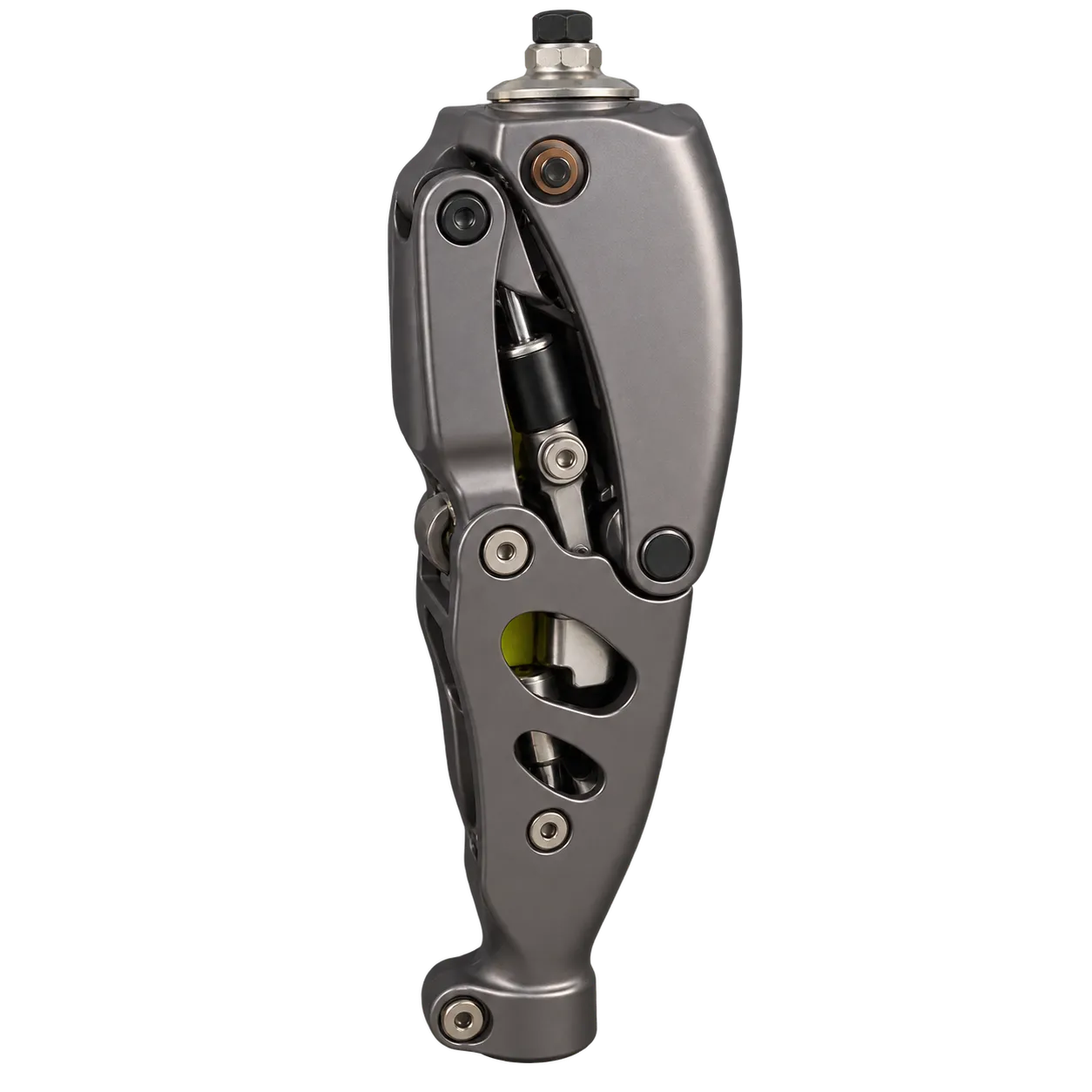
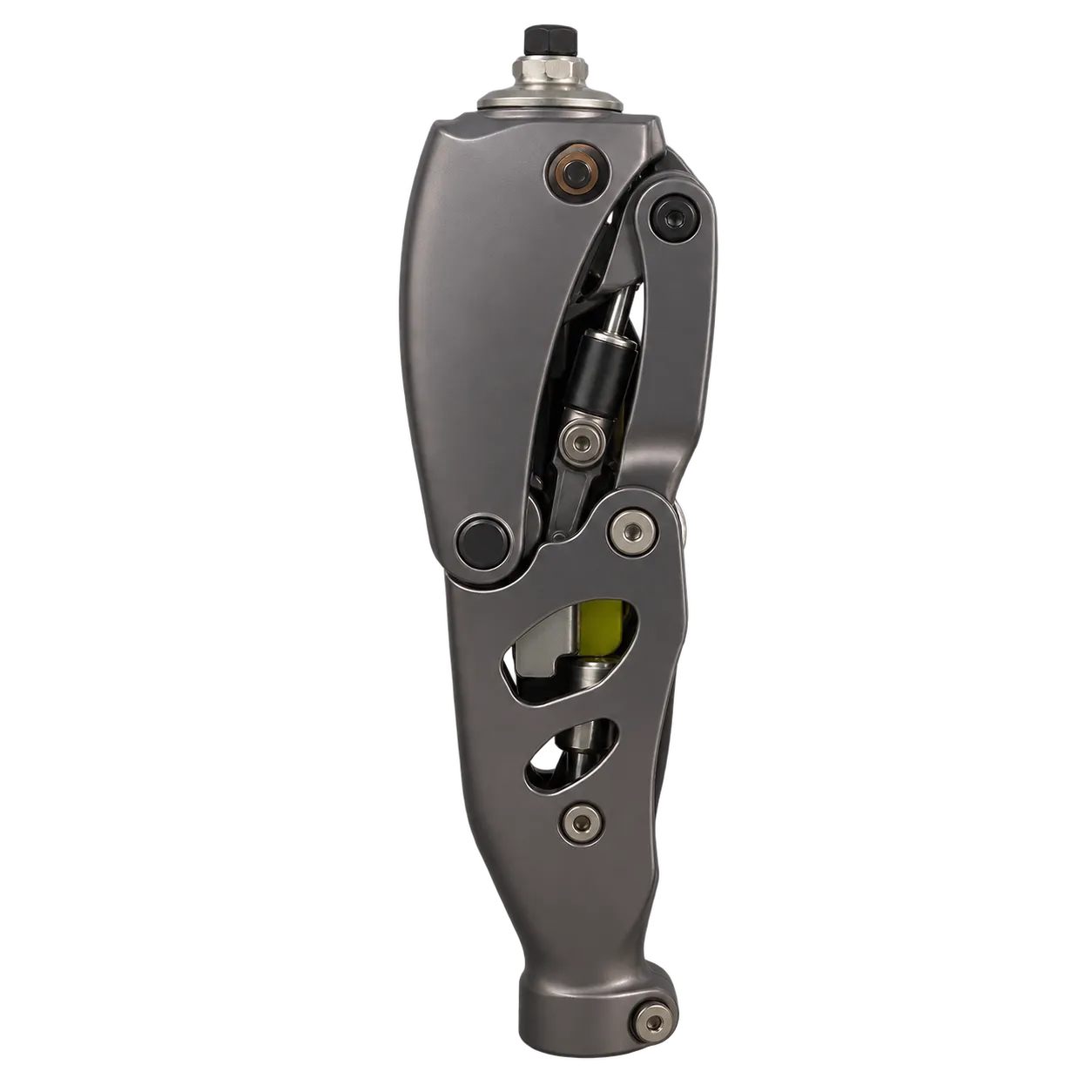
Prescribing the 3F33 begins with a question to the factory and ends with a judgement about one wearer. The question is what 1155 g buys. A service should have the answer in writing, with the ISO 10328 test level, the cylinder's function in swing and stance, and the users Wonderful designed it for. Until that arrives, the knee is a heavy hydraulic unit of unexplained purpose, and nobody should be fitted on a guess.
The judgement is whether this person carries a kilogram well. Evidence gives some room. Meikle and colleagues reported in 2003 that 10 dysvascular transfemoral users walked no shorter a distance in two minutes with 150 g, 770 g or 1,625 g added, and 5 of them preferred the 770 g condition. A 1997 treadmill study of 10 men with transtibial amputation, a different level, measured oxygen uptake 4.7% higher with 907 g added, a change the authors did not find significant. Both samples were small and made up of capable walkers. Neither tested this model or a full day of use.
So the candidates are steady community walkers with sound hip strength, a well-fitting socket and a liking for a limb that feels planted. Heavier adults may be among them, within a planning figure of 120 kg for the knee and the lowest rating in the limb.
Frail users, low-mobility walkers, people in early rehabilitation and anyone needing a locked leg belong on another specification.
Settings include limb-fitting centres, private prosthetic clinics, rehabilitation hospitals and workshops building limbs for export. NHS trusts in England order through the mandated prosthetics framework, and public buyers in other countries follow their own routes. The conformity documentation those procurement routes require is issued by the manufacturer and shared by the enquiry team.