
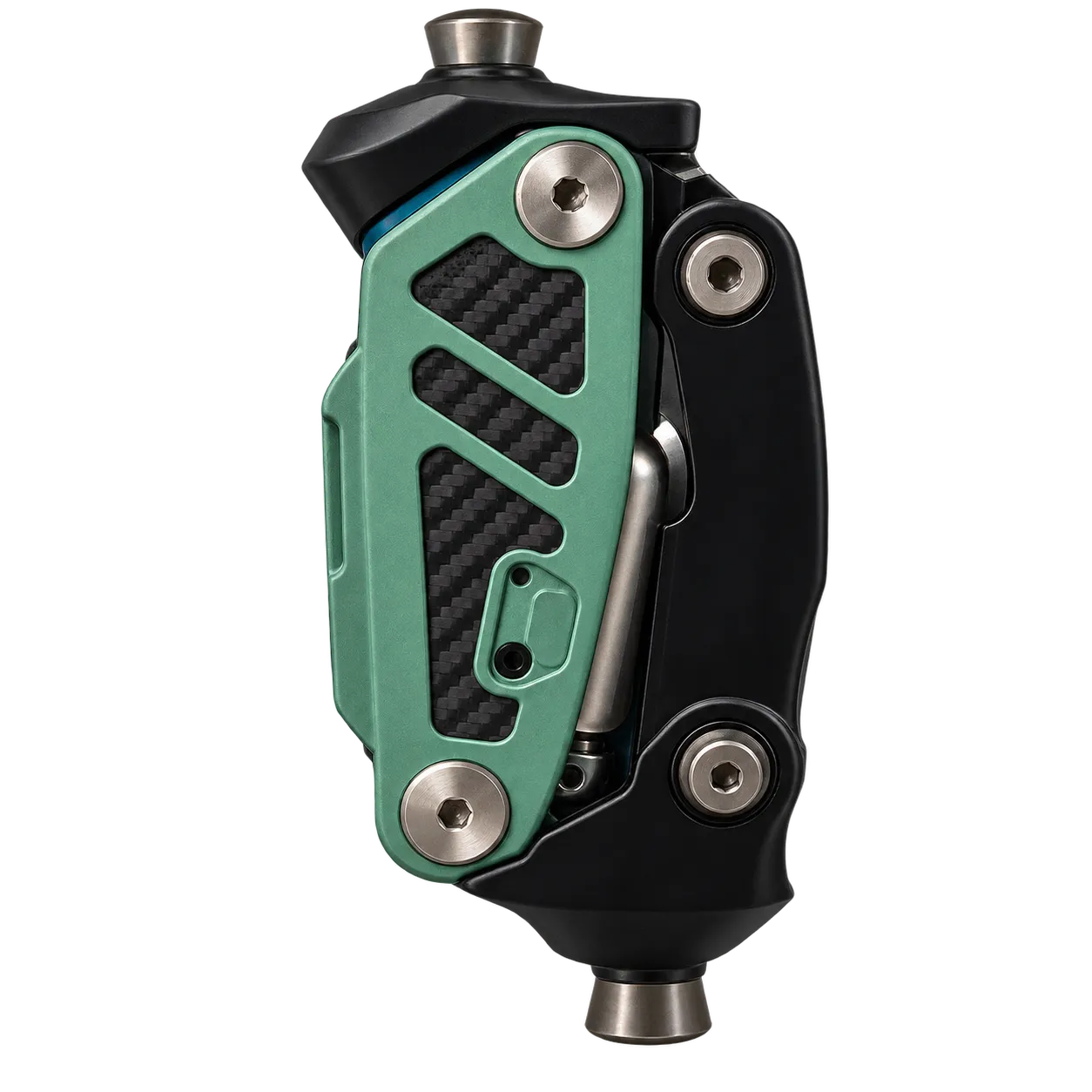
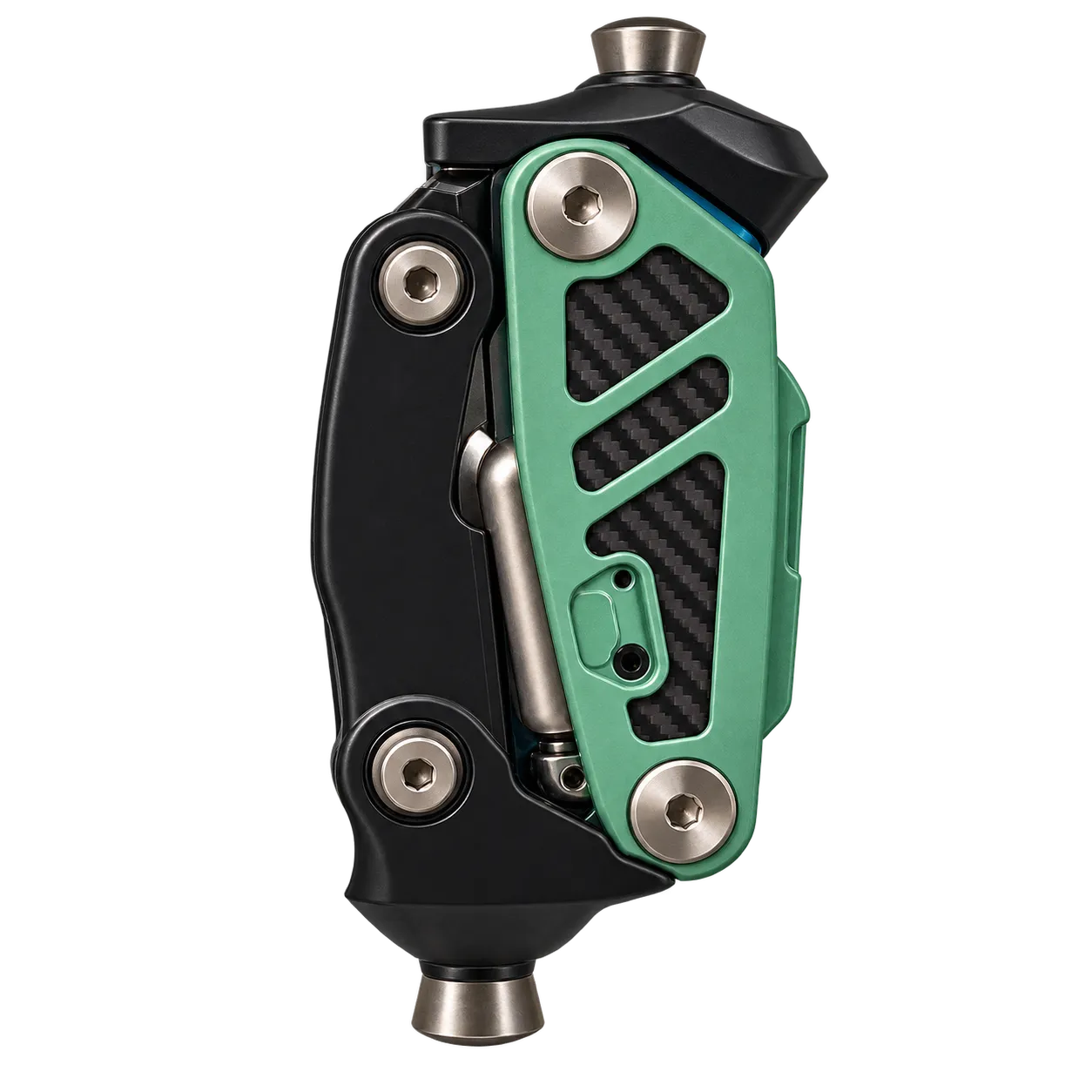
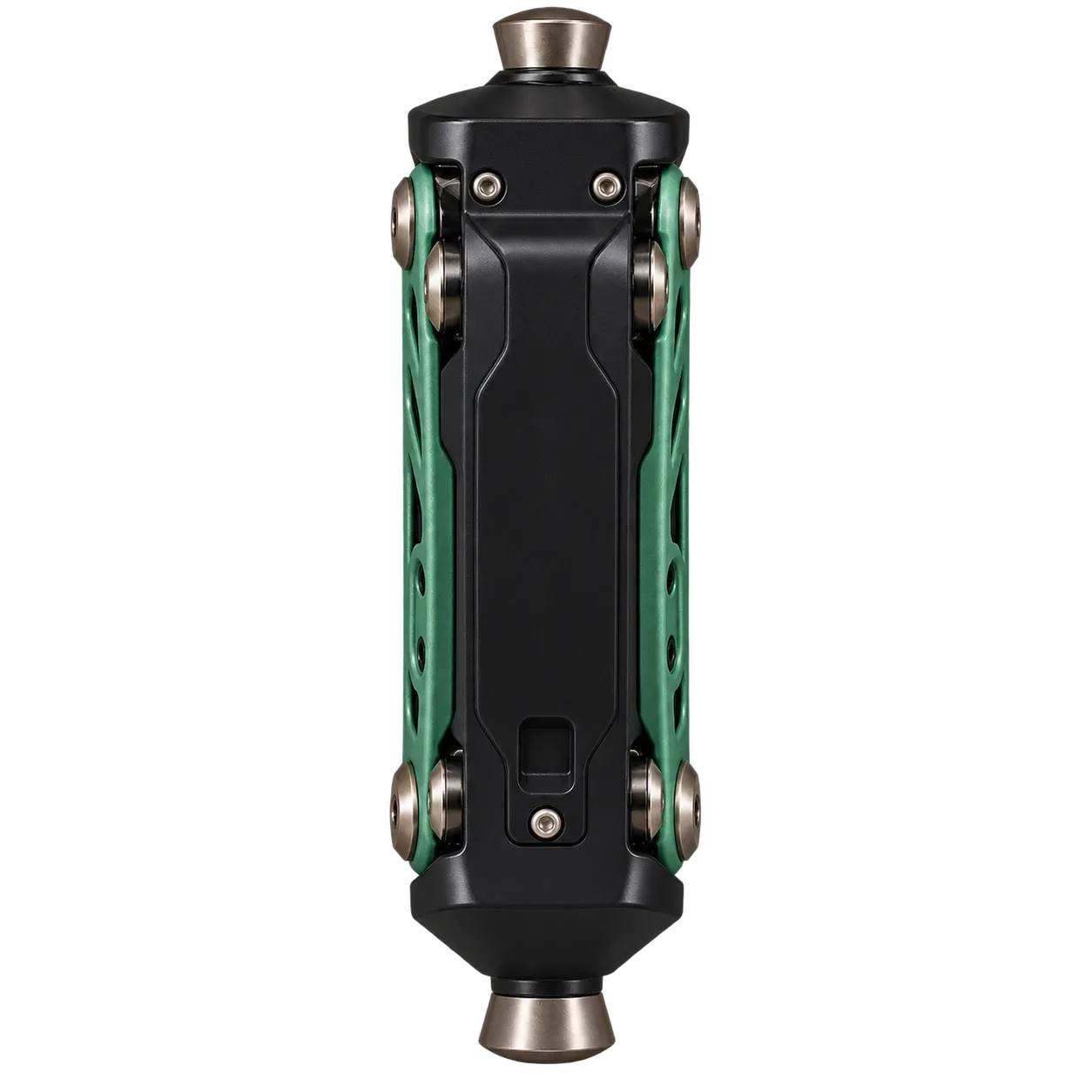
The 3F28P-L belongs with transfemoral users whose day is mostly upright: walking to work, shopping, standing at a bench, climbing ordinary stairs. For them a light knee with geometric stance security is the purchase, and 125° of flexion rarely comes into play.
Published task data frame that judgement. Rowe and colleagues (Gait & Posture, 2000) recorded 20 older adults with healthy knees and found that walking and slopes used under 90° of flexion, stairs and chairs needed 90–120°, and a bath needed about 135°. Against those figures the printed 125° clears the stairs and chairs band and falls short of the bath figure. The subjects were not amputees, so the study describes what tasks demand and says nothing about this knee.
That makes the assessment practical. Before prescription, the team lists the seats the user actually uses: the favourite armchair, the car, the toilet, the workplace stool, any prayer or floor routine. Each is tried on a trial limb with the joint at its stop. Where a task fails, the options are a raised seat, a different car position or a different knee specification, and the user should hear that choice early.
Stance security has its own conditions. A geometric lock holds while weight stays ahead of the instant centre and lets go on toe load, so the user needs the hip control to push through the forefoot.
Limb-fitting centres, private prosthetic workshops and rehabilitation units are the usual settings, along with export programmes fitting active walkers. NHS trusts in England order prosthetic knees through the mandated NHS Supply Chain framework, and equivalent public procurement elsewhere follows its own approved route. The conformity documentation those procurement routes require is issued by the manufacturer and shared by the enquiry team.