
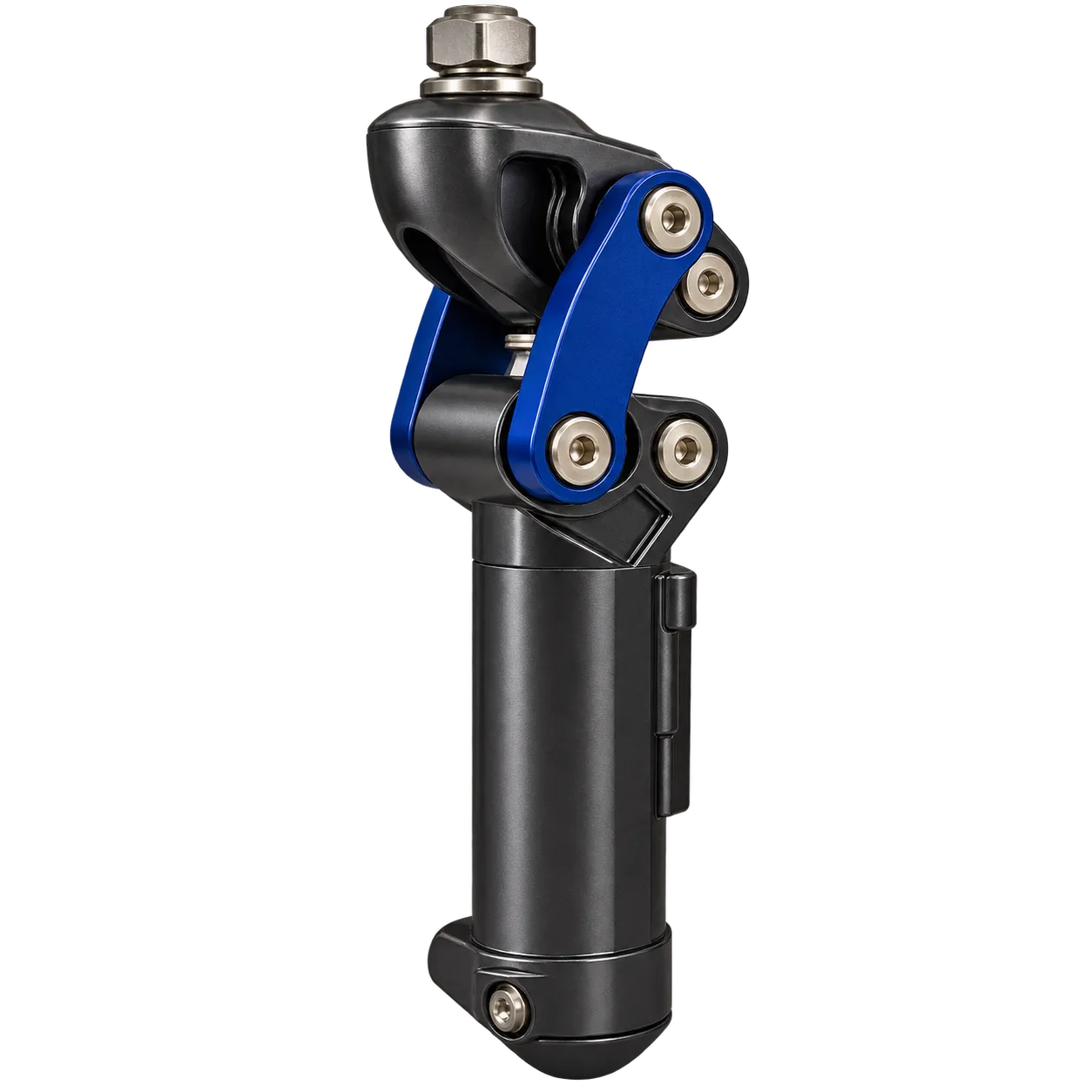
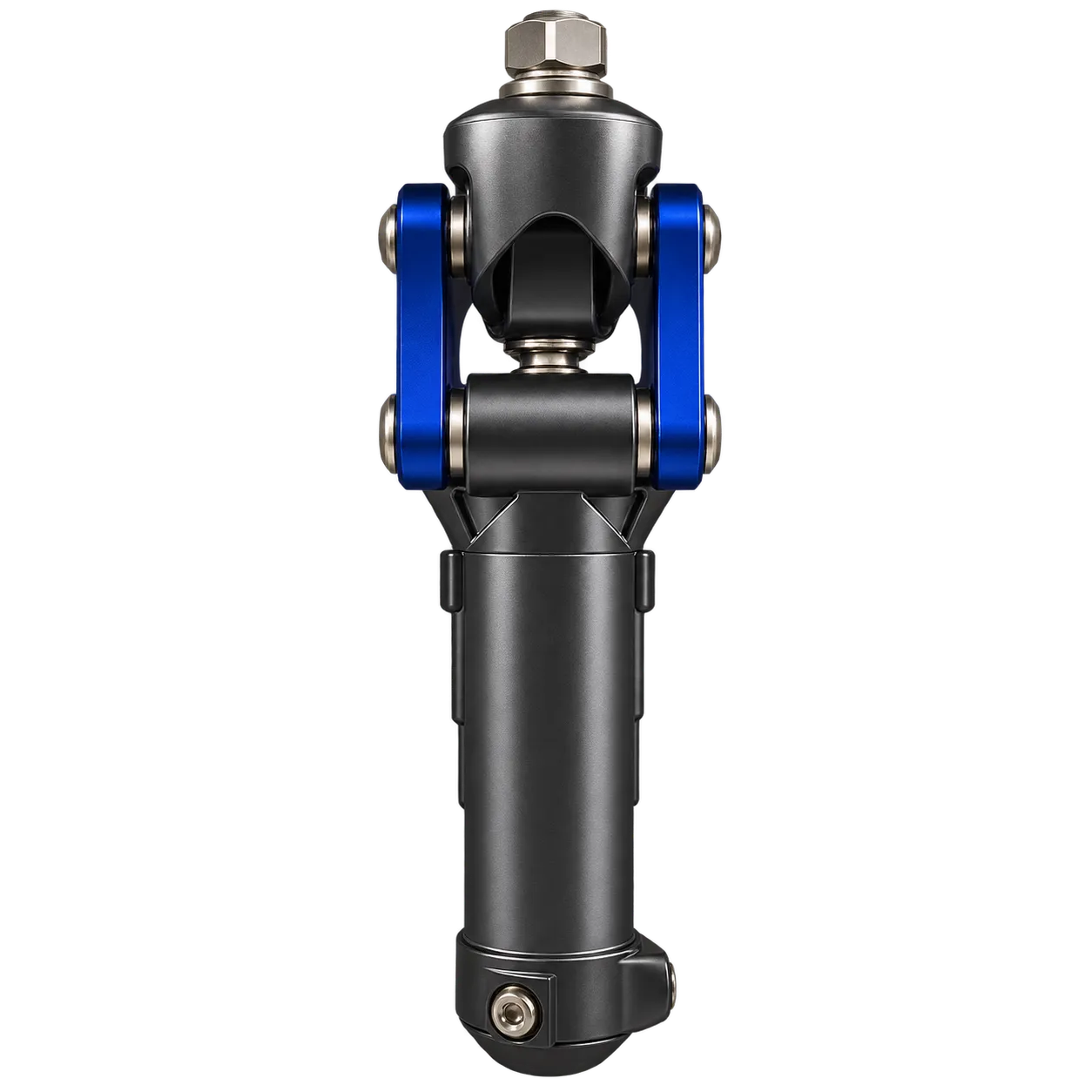
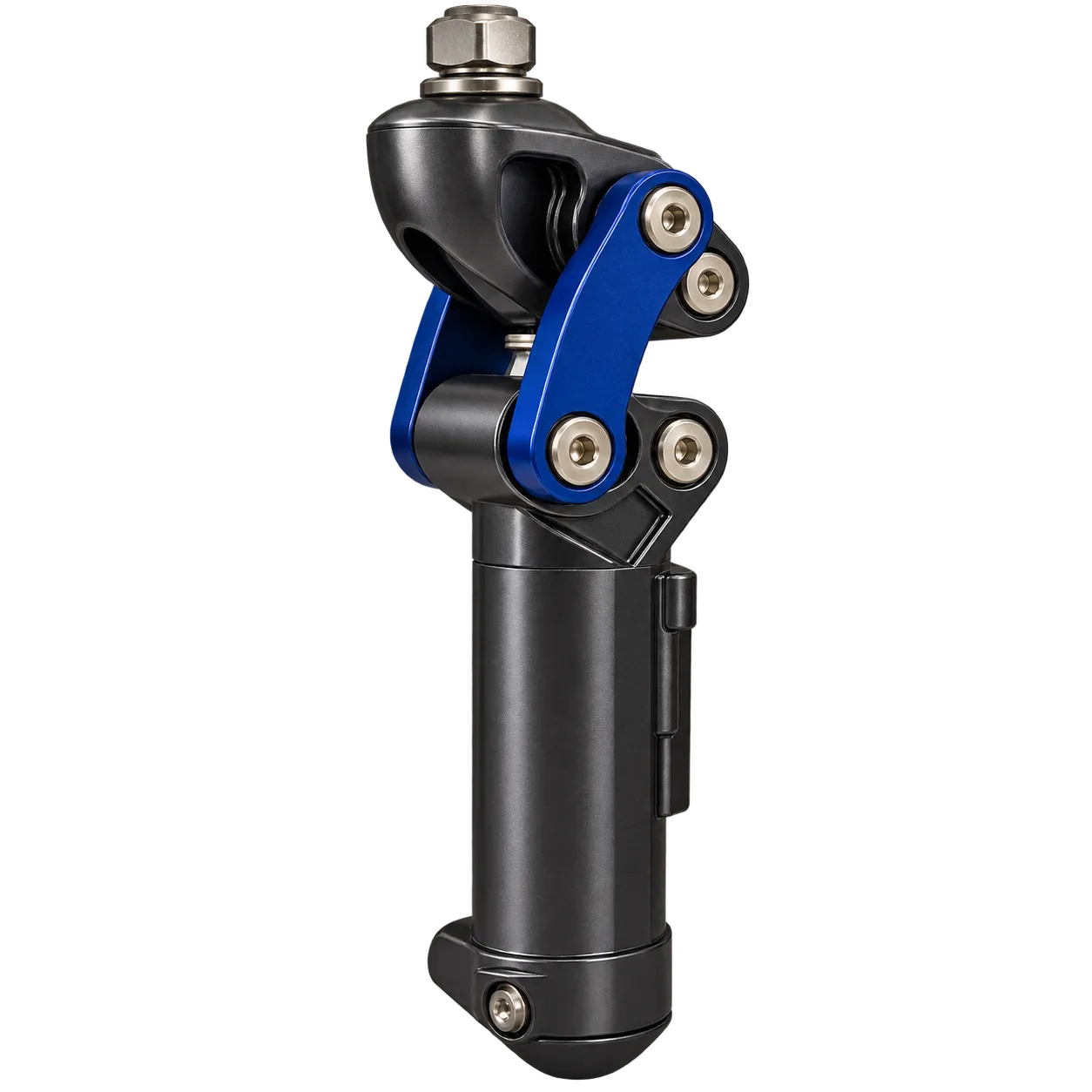
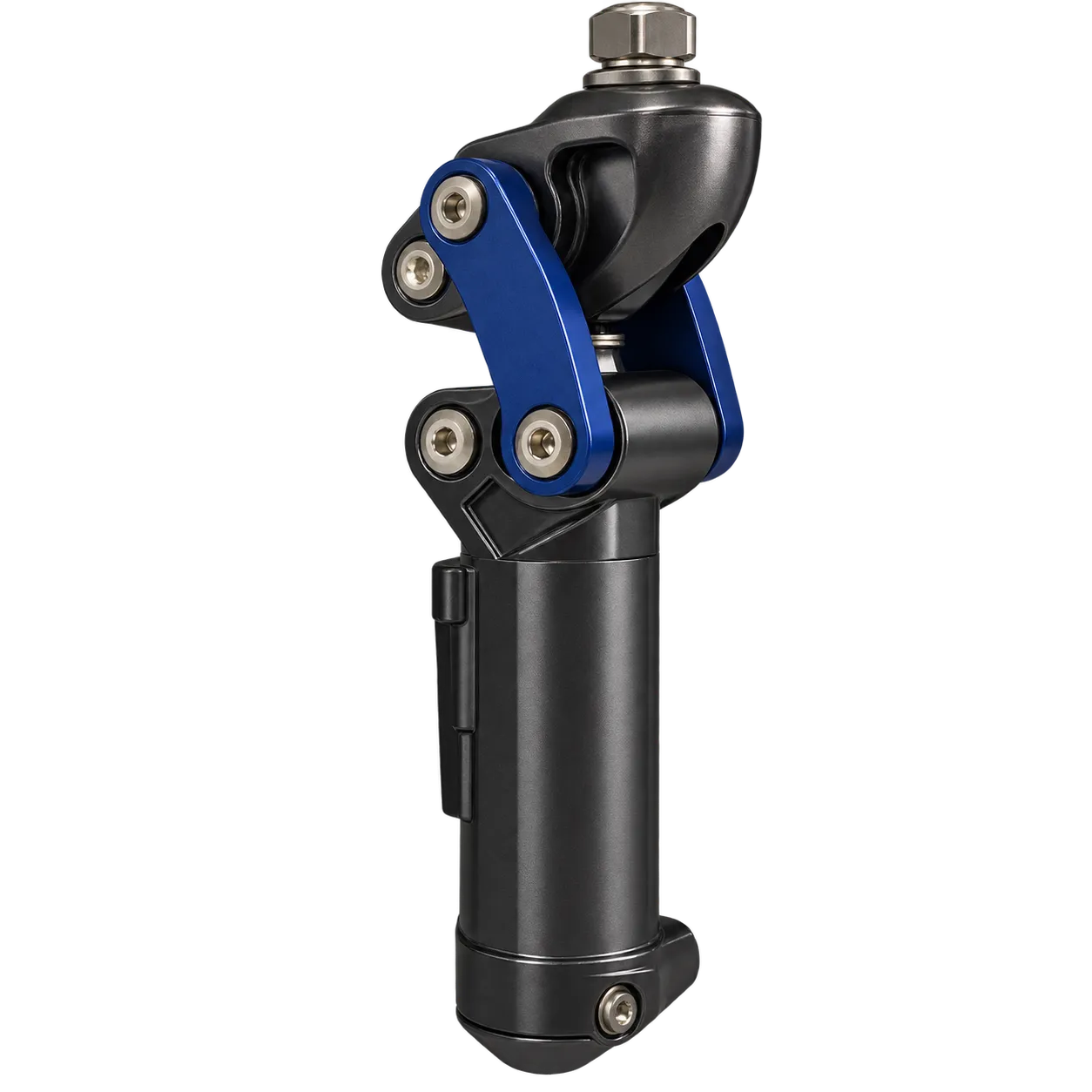
The 3F25P-B1 belongs in transfemoral limbs for people whose walking happens mostly outside: farm and market workers, villagers on unsealed roads, dog walkers, and commuters who cross a gravel car park twice a day. Their knee meets grit underfoot, dust in the dry months, rain in the wet ones and cold starts in winter. A prescription for such a wearer has two parts, the joint and the routine that keeps it clean.
Published work shows how much the outdoors shapes life with a prosthesis. In a 2011 survey of 148 people with major limb amputation, climate, the physical environment and income were the environmental barriers reported most often. A 2019 focus-group study of 14 people with lower limb amputation listed terrain, crowds and climate among the physical barriers to community walking. These findings describe the conditions users face. They do not measure how any knee performs in them.
Evidence on air-controlled swing is mixed. A 1995 crossover study fitted 28 people with unilateral transfemoral amputation with a pneumatic swing knee and a mechanical swing knee in turn. Walking at 2 and 3 km/h used more energy on the pneumatic joint, yet 19 of the 28 preferred it. This model was not the joint tested.
Prosthetists can make the environment part of the fitting. Ask where the wearer walks, show the wipe-down at the bench, and book the first review inside the season that worries them most. Limb centres, private prosthetic practices and charitable programmes in wet or dusty regions are the usual buyers. NHS trusts in England order prosthetic knees through a mandated NHS Supply Chain framework, and equivalent public procurement elsewhere asks for the same paperwork. The conformity documentation those procurement routes require is issued by the manufacturer and shared by the enquiry team.