
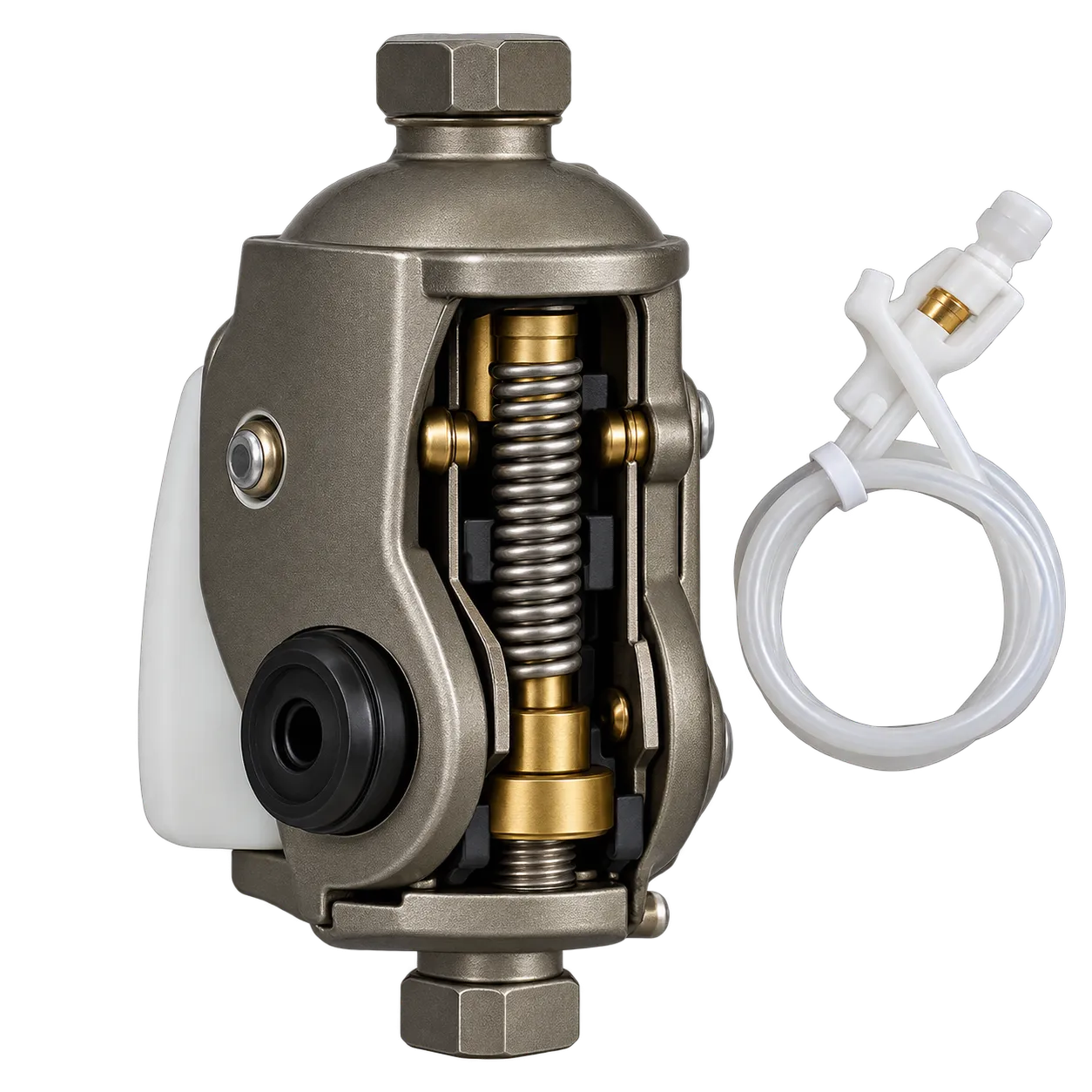
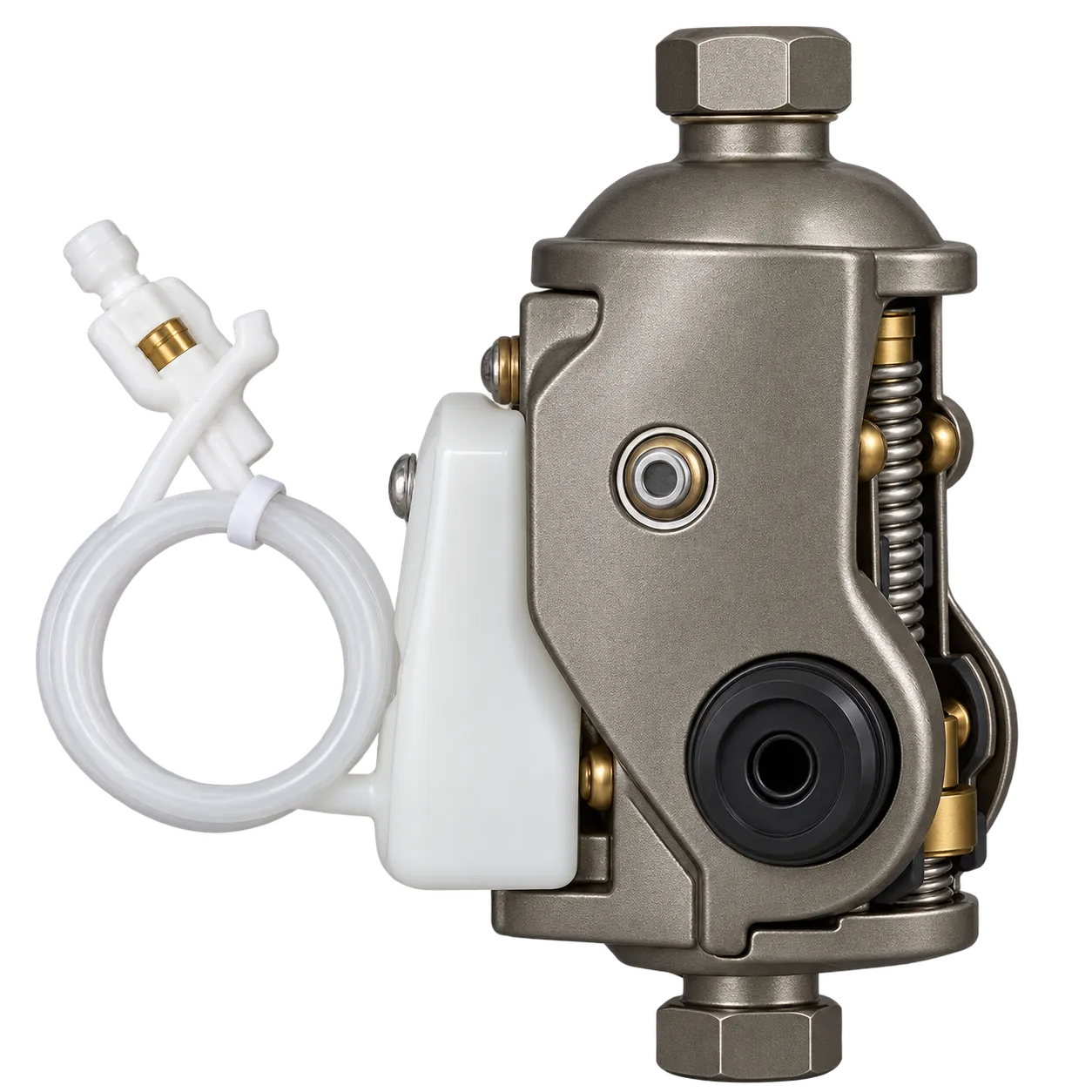
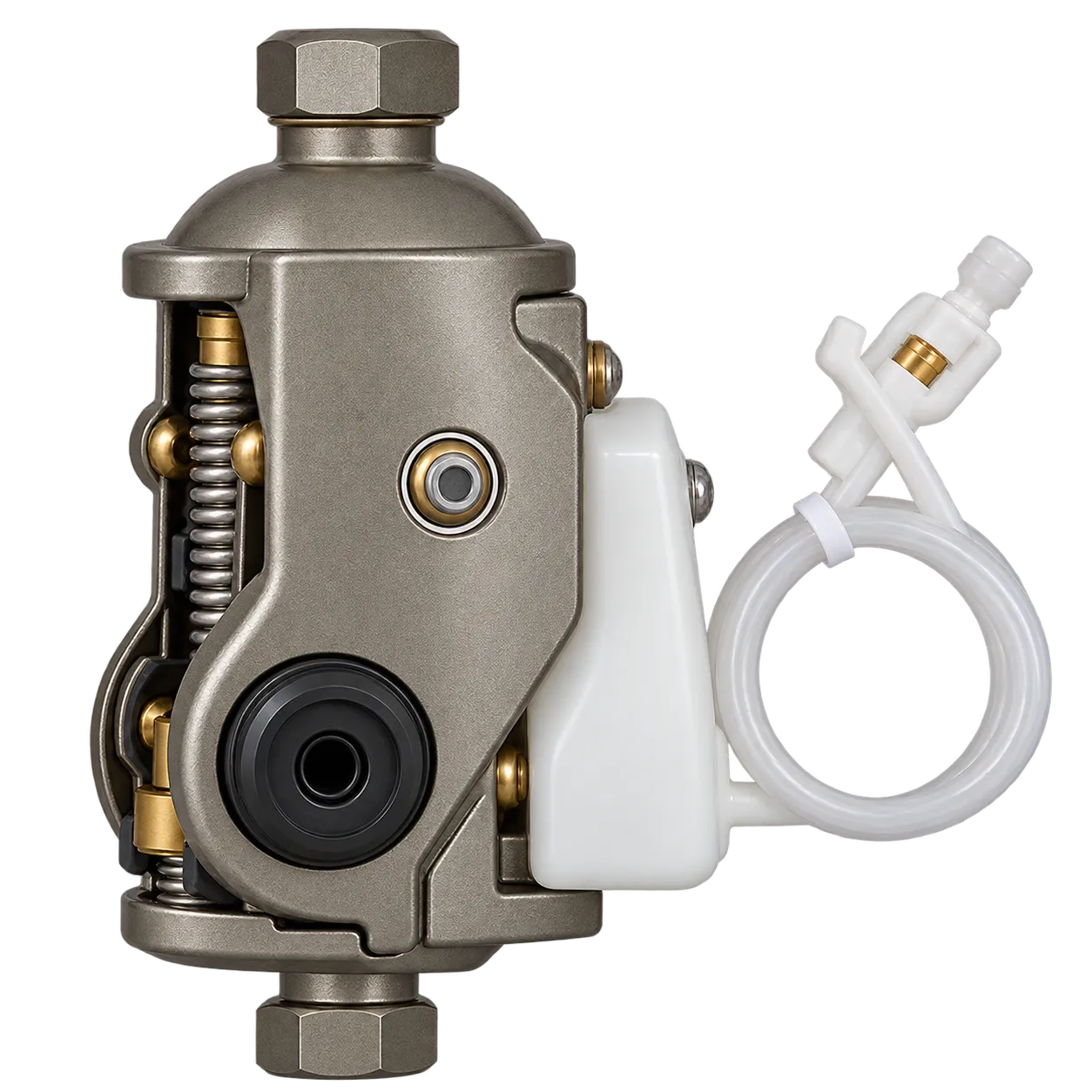
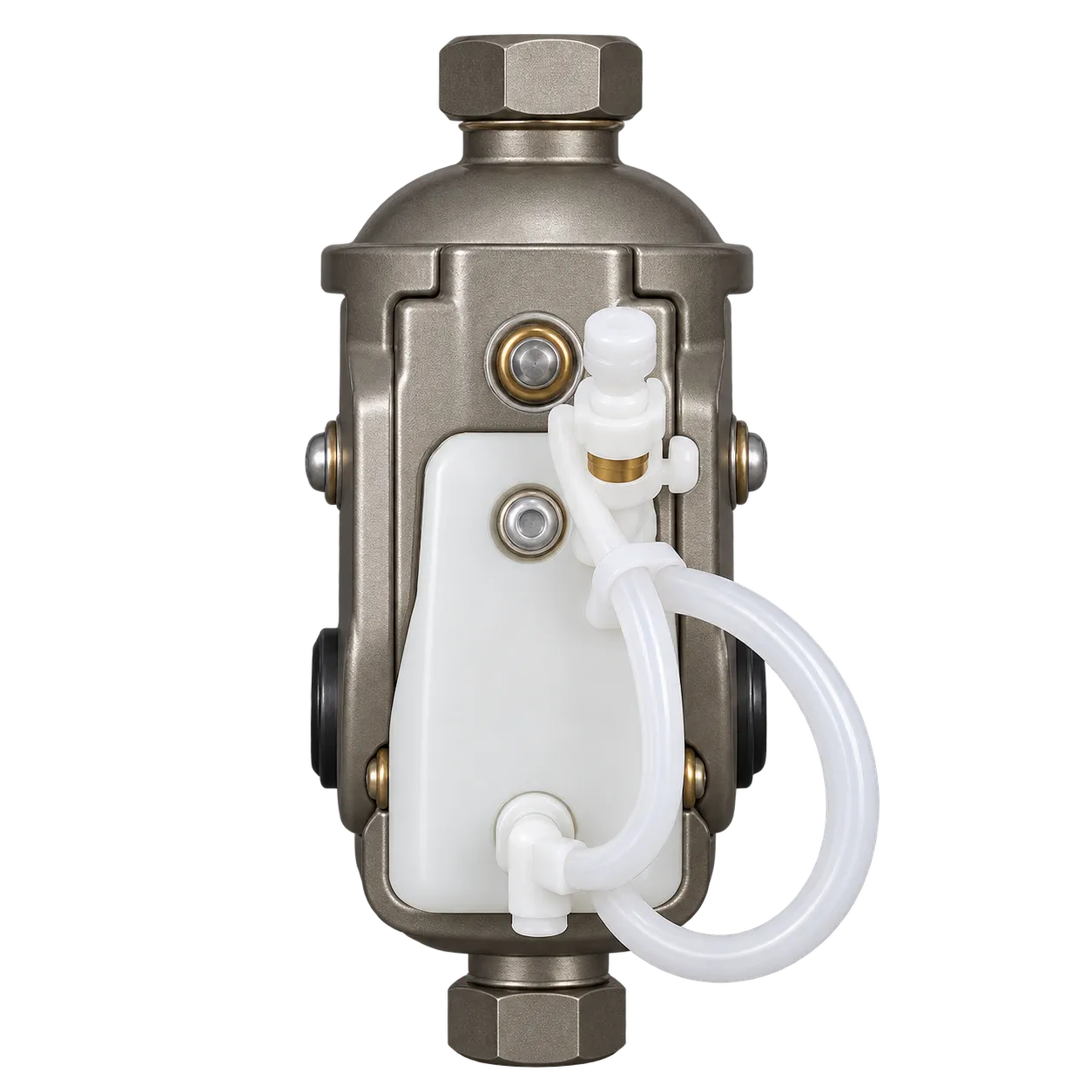
Manual locking knees are generally indicated for people who walk short distances at one steady pace, often within the home, or who cannot control a prosthetic knee voluntarily. The 3F17 serves that group at transfemoral level: older users, people with weak hip muscles or uncertain balance, and first limbs where confidence has to come before gait quality.
Its place in a service is defined by routine. Early sessions in the gym build the sequence of straighten, check, step, and then reverse it with a pull on the cord to sit. Carers in care homes and family homes learn the same sequence, because the moments of risk sit at the transfers. Reviews then look at whether the cord still releases cleanly and the lock still catches every time.
Published evidence is thin, old and mixed. A clinical summary describes manual locking knees as giving a very stable but stiff-legged gait, with users needing to circumduct or hip hitch for foot clearance. In a 1975 study of nine middle-aged and older adults with above-knee amputations, energy requirements showed no significant difference between walking with the knee locked and unlocked. A 2001 case report of a woman with bilateral transfemoral amputations, walking with prosthesis combinations that included a locked knee, measured oxygen cost at 466% to 707% of wheeling, and she chose a wheelchair after discharge. Walking goals need setting honestly.
Prosthetic centres, rehabilitation wards, community physiotherapy teams and charity limb workshops all fit knees of this kind. Knees bought for NHS patients in England go through the framework NHS England has made mandatory, and equivalent public procurement elsewhere sets its own traceability rules for the parts in a limb. The conformity documentation those procurement routes require is issued by the manufacturer and shared by the enquiry team.