
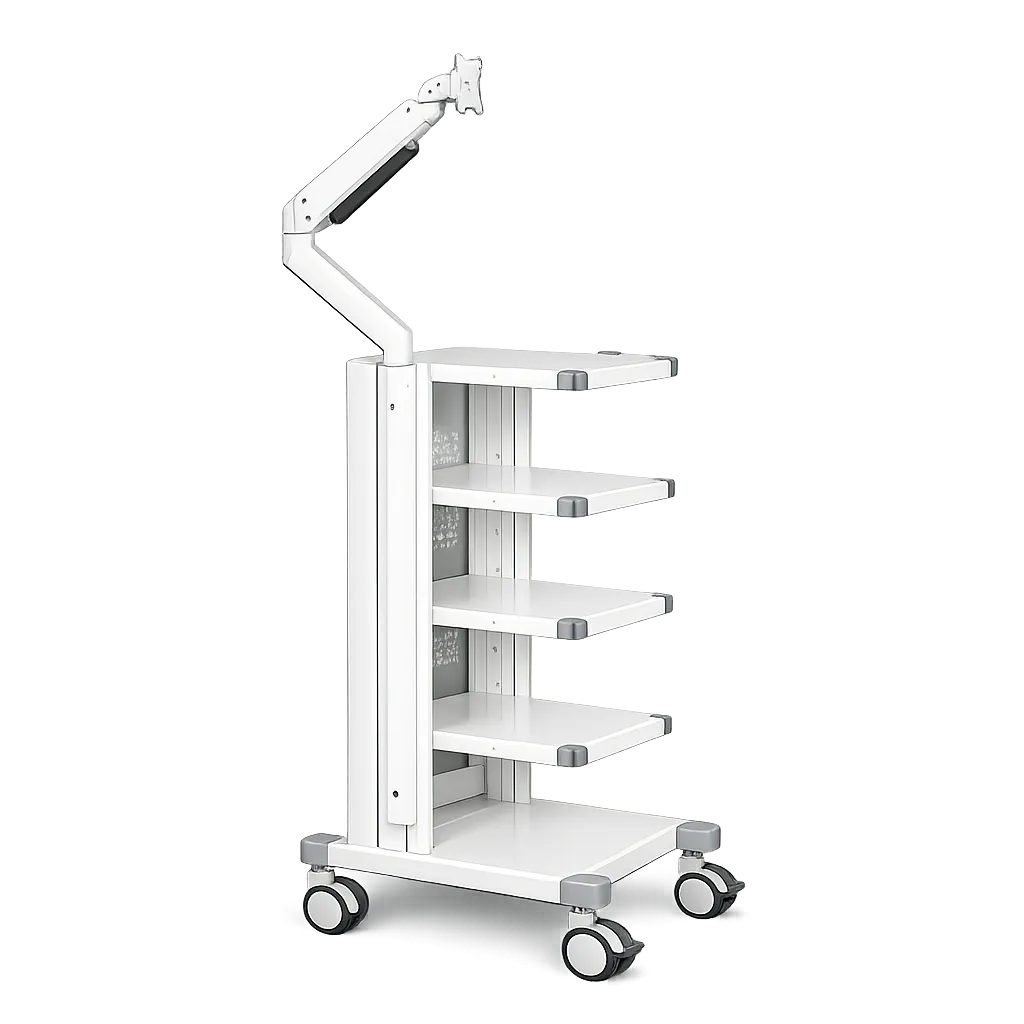
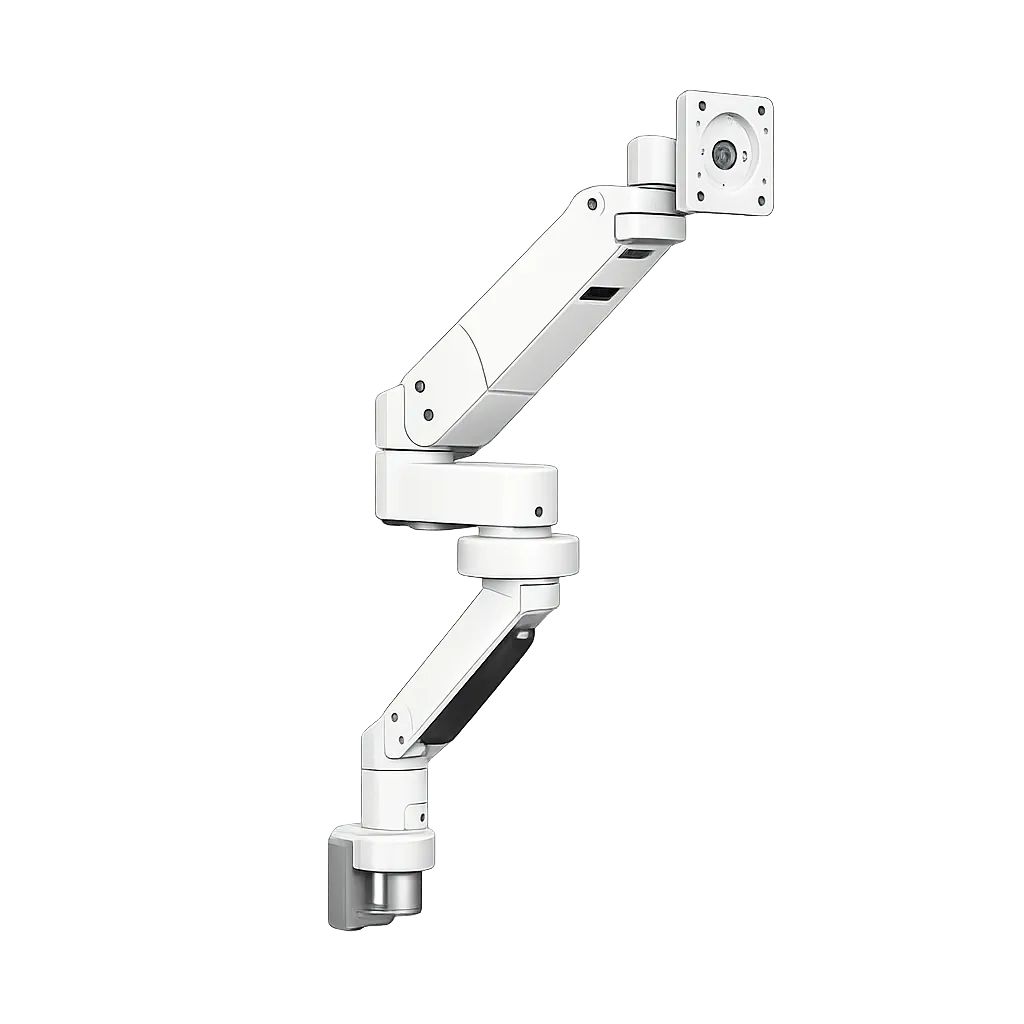
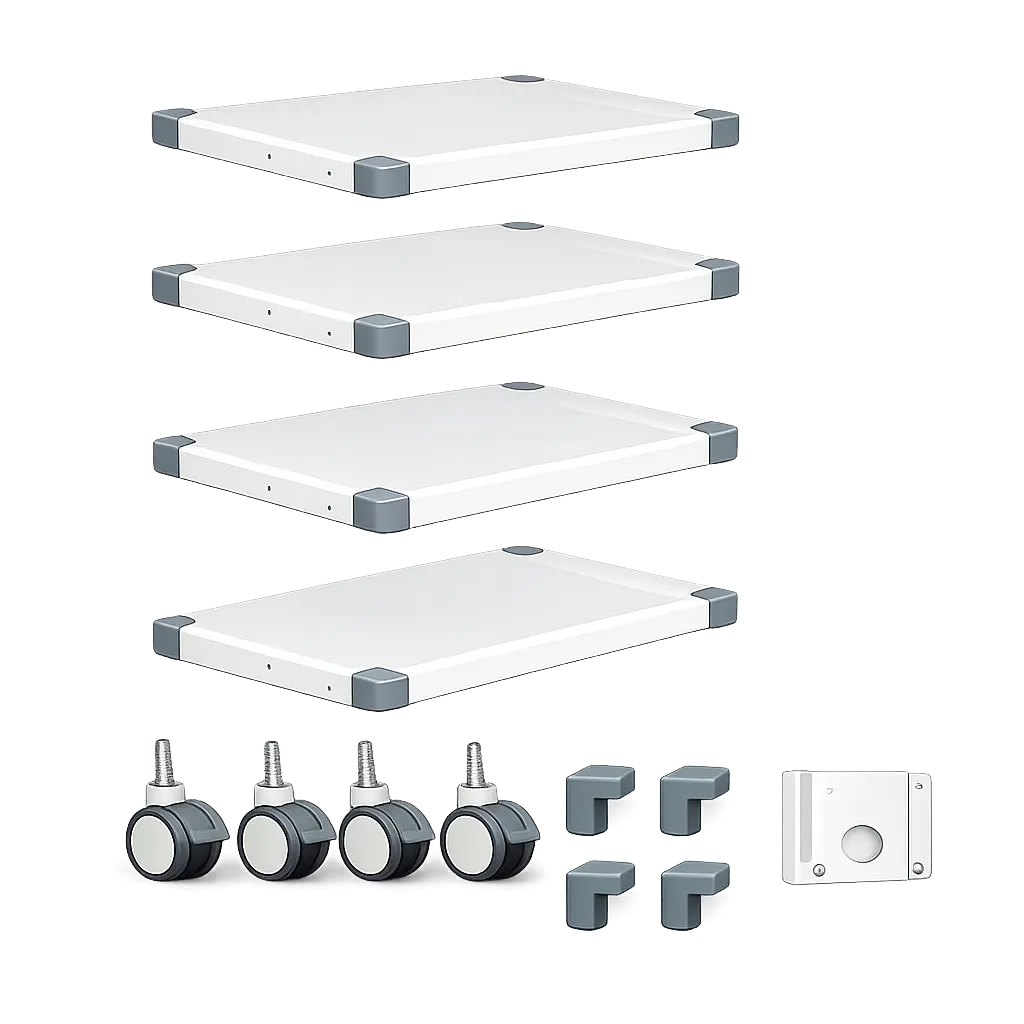
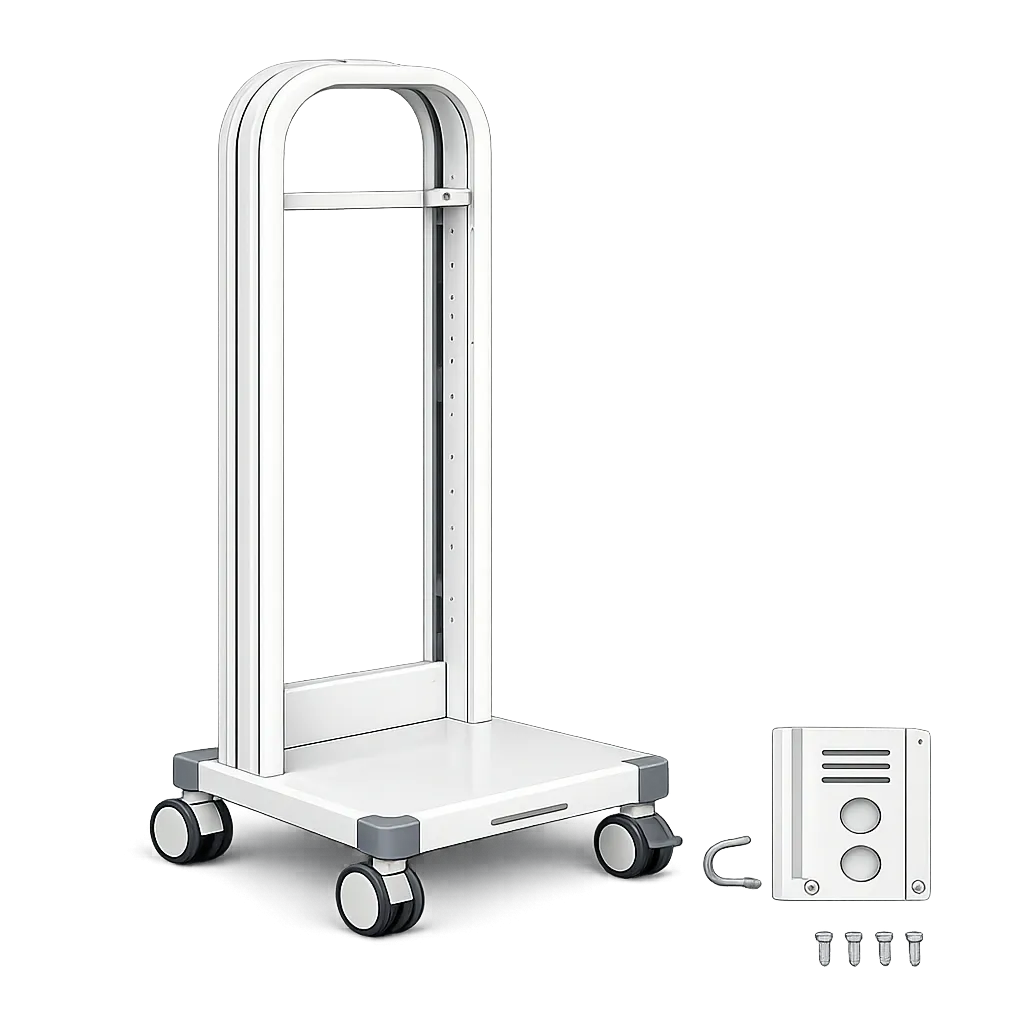
Departments needing a display and somewhere to put devices are served exactly by this configuration, with nothing fitted that has to be worked around. Open shelving keeps equipment reachable and cabled; the articulated arm positions a screen for the operator; and braked castors lock the cart once it is in place. Medigear.uk supplies the CA-20 on the basis that certification, load ratings and manufacturer identity are established before any clinical procurement decision.
Organisations standardising a cart fleet across several departments benefit most. One model that works everywhere avoids holding several variants, training staff on each, and stocking separate spares. It means a cart can be moved between areas without becoming the wrong tool for the job. That operational value does not appear on a specification sheet but shows up in estates management. Medigear.uk can advise on volume terms for multi-cart orders.
Areas where carts are moved frequently gain from the lighter configuration. Without a drawer, tray, or secondary post, the cart is easier to push out repeatedly throughout a shift, which is an ergonomic consideration during rounds rather than an occasional one. When a trolley is pushed dozens of times over a shift, that difference accumulates to the point that staff notice. Net weight is not published, a nd Medigear.uk obtains it in writing.
Departments reconfiguring equipment periodically use the adjustable brackets to reset shelf heights around new devices rather than replacing the cart. In a plain configuration, the shelves are at full capacity, so the adjustment range is the specification that determines how far the cart can adapt. Medigear.uk obtains the range and increment from the manufacturer.