
Ward Rounds and Bedside Examination
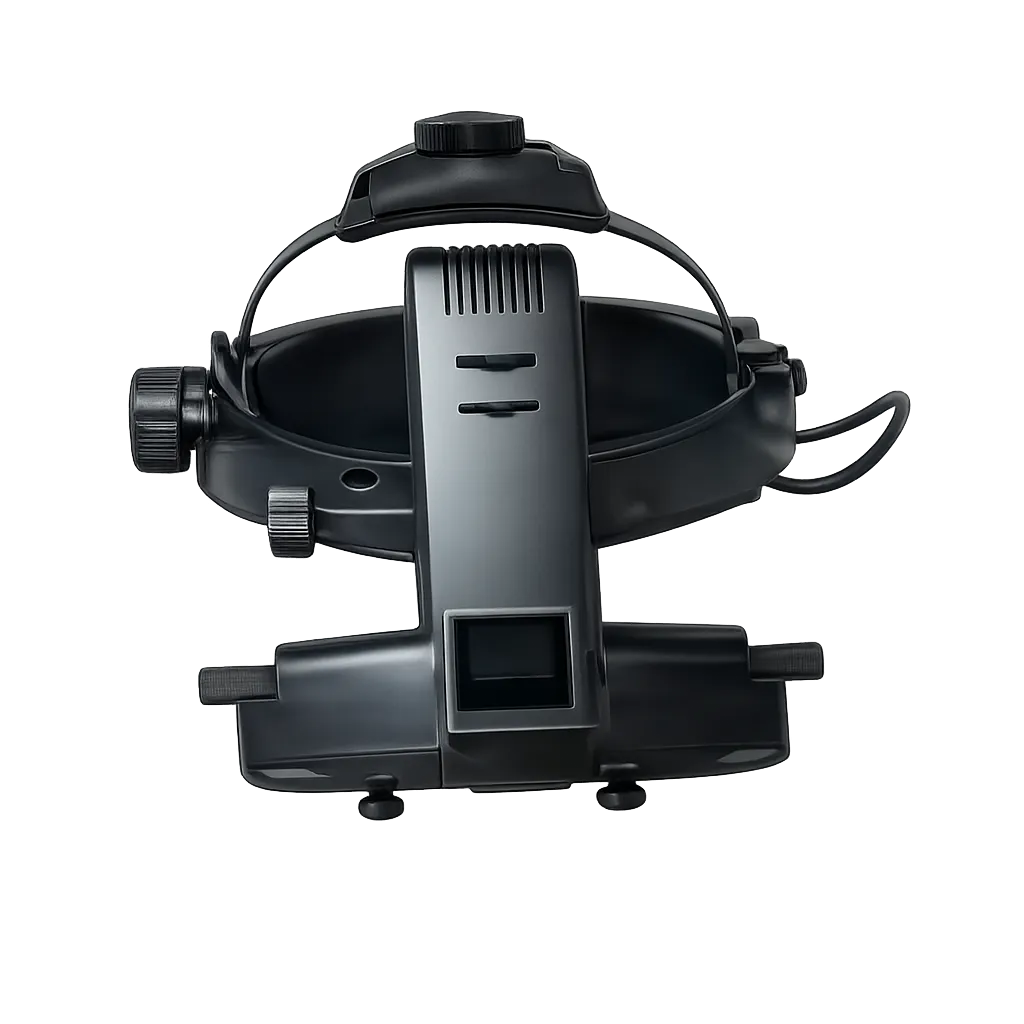
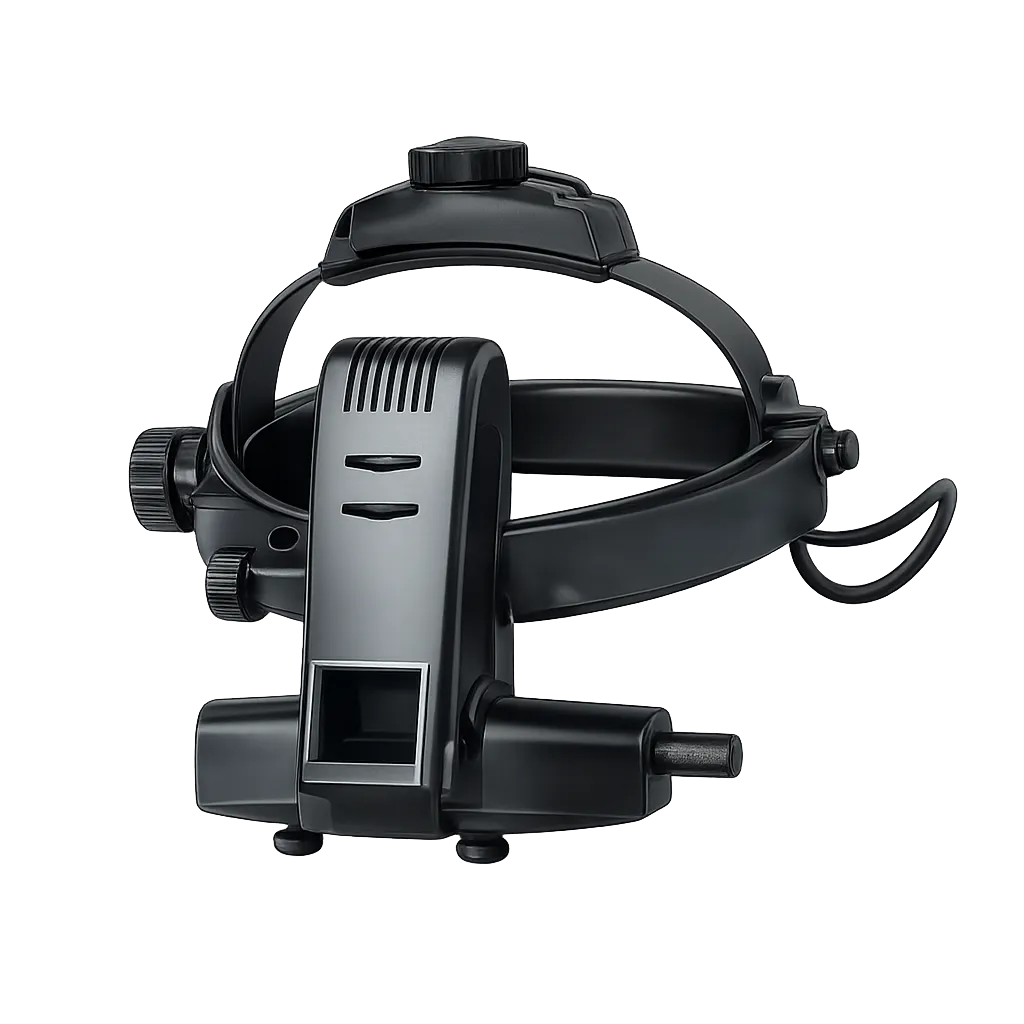
An instrument with nothing to plug in can be carried to a patient rather than requiring them to attend a room with a socket. For bedbound patients and ward-based ophthalmology that is the whole argument, though what any examination reveals rests with the examining clinician. Bedbound patients cannot attend a clinic room. The instrument travels to them instead. Ward based ophthalmology depends on that reach. Sockets are not always nearby.
Theatre and Procedure Rooms
Freedom from a trailing cable matters where an examiner moves around a patient or works within a sterile arrangement. A cordless instrument removes a cable from a space that usually has too many already. Trailing cables are unwelcome around a patient. Sterile arrangements complicate them further. Movement around a patient stays unimpeded. Cables gather where space is tight.
Supervision and Training
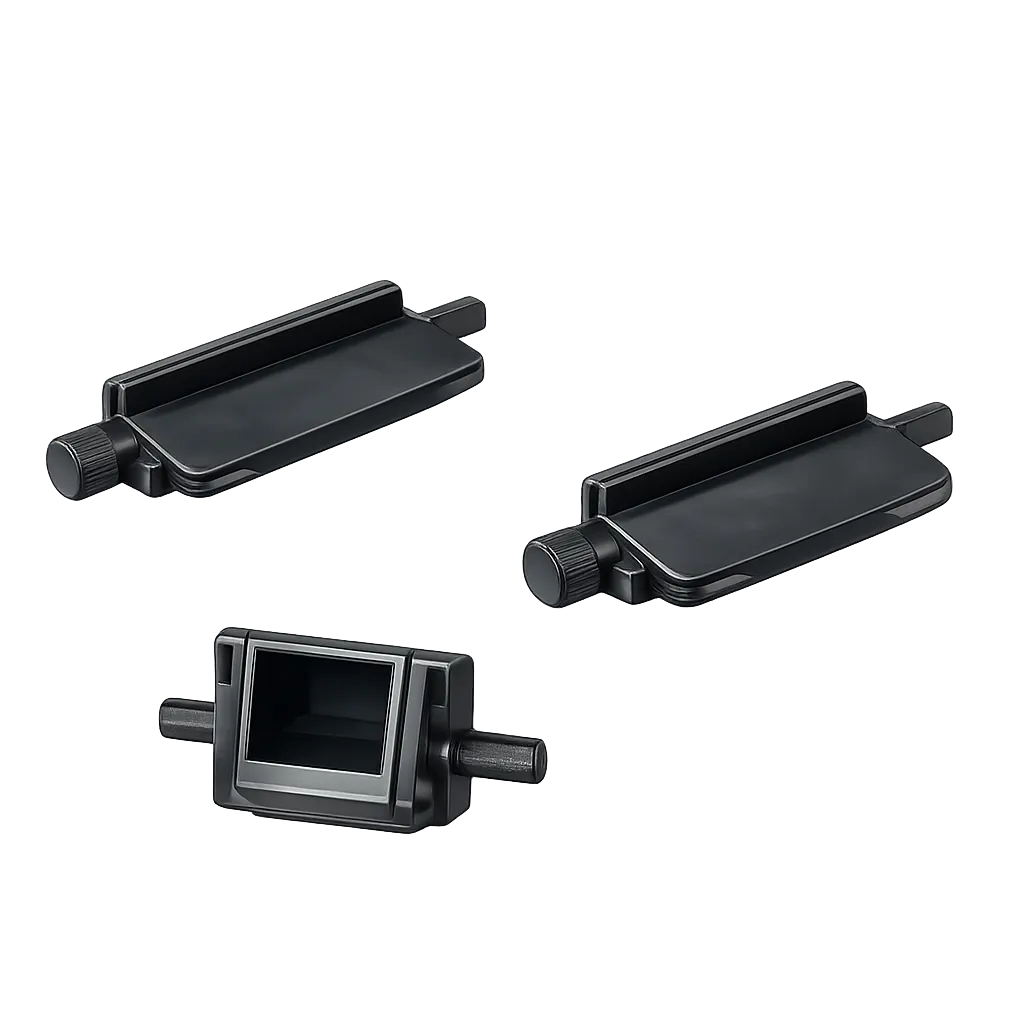
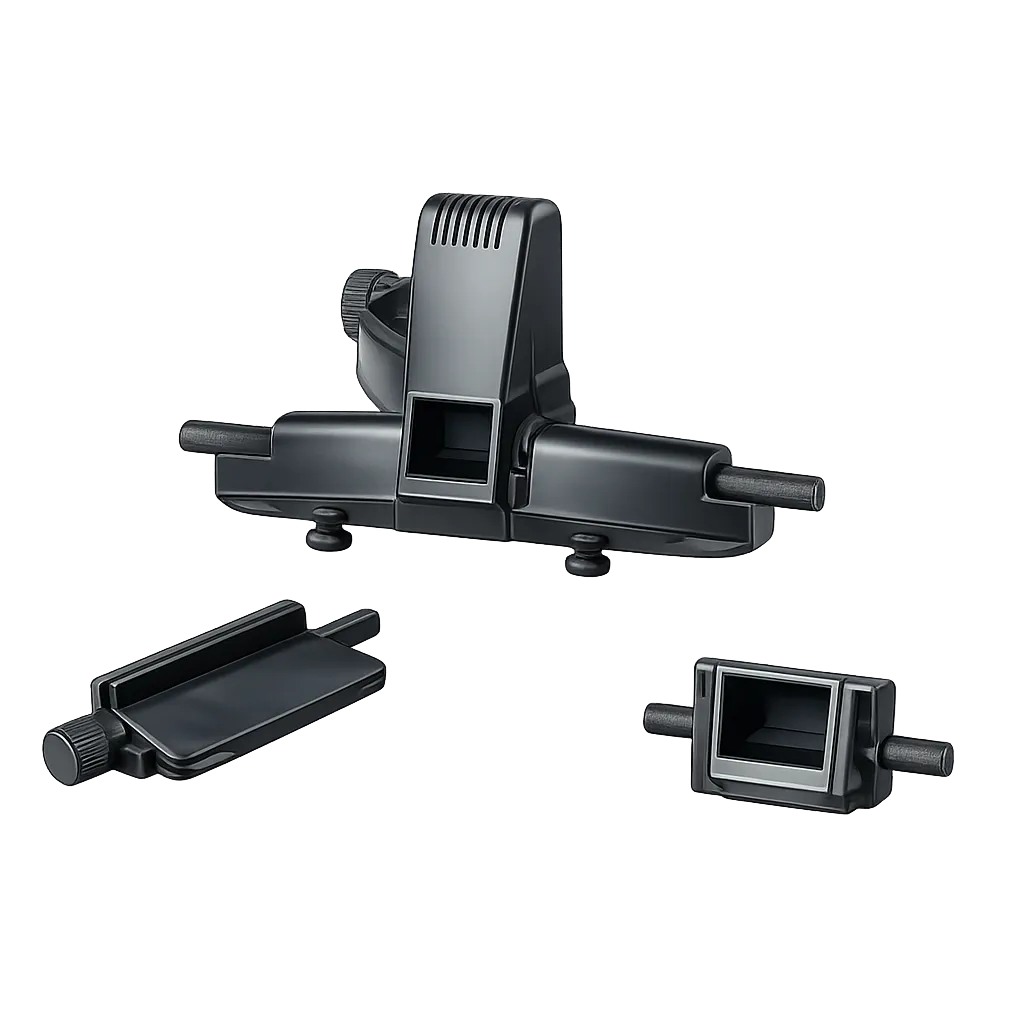
The teaching mirror allows a second person to observe the examiner's own view as it happens. Combined with cordless working, that suits teaching at the bedside as readily as in a clinic room. Bedside teaching becomes as workable as clinic teaching. Both see the same view at once. Observation happens at the moment of examination. Description afterwards loses detail.
Services Assessing Battery Equipment
Any cordless instrument stands or falls on how long it runs between charges, and that figure is absent here. A service should establish running time, charging time and battery replacement arrangements before committing, since these determine whether it survives a full list. Running time determines whether a list is survivable. Replacement arrangements matter too. Charging time bears on turnaround between lists. Neither figure appears on the card.