
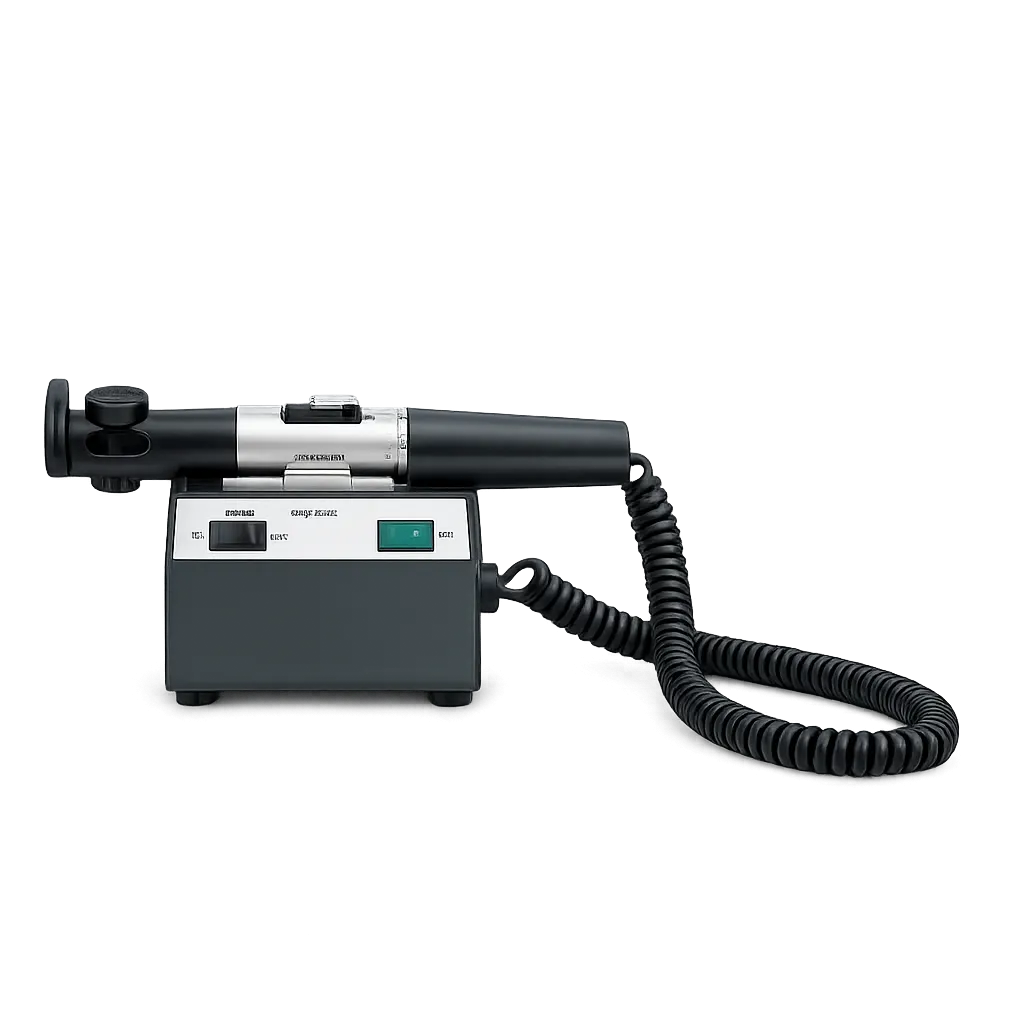
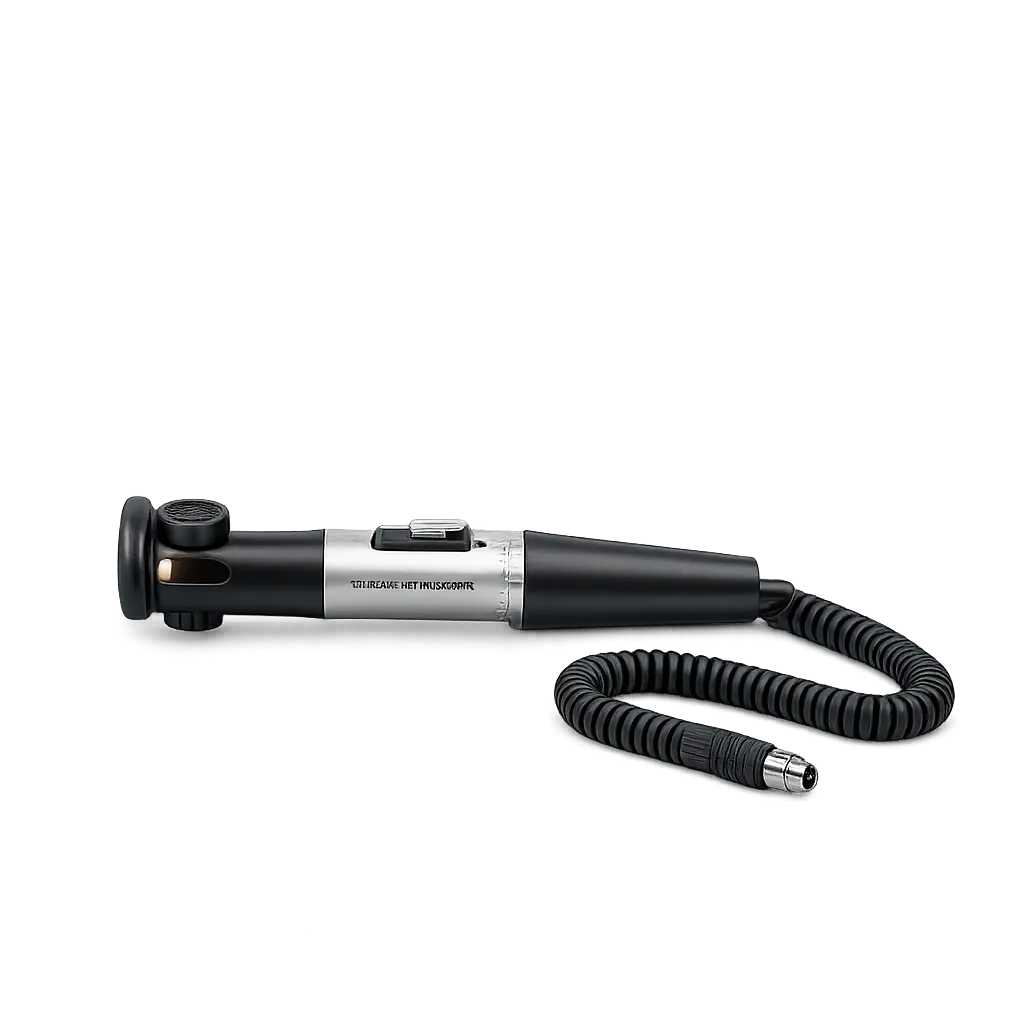
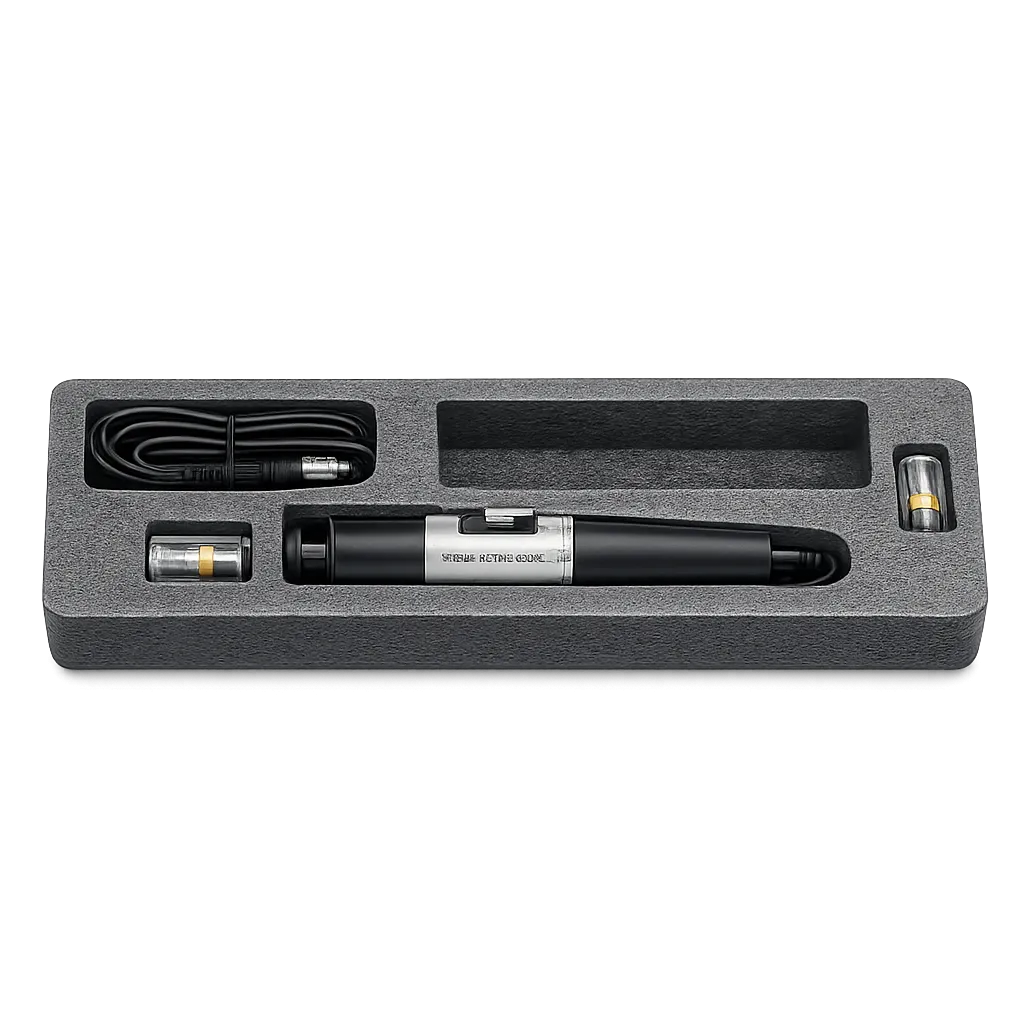
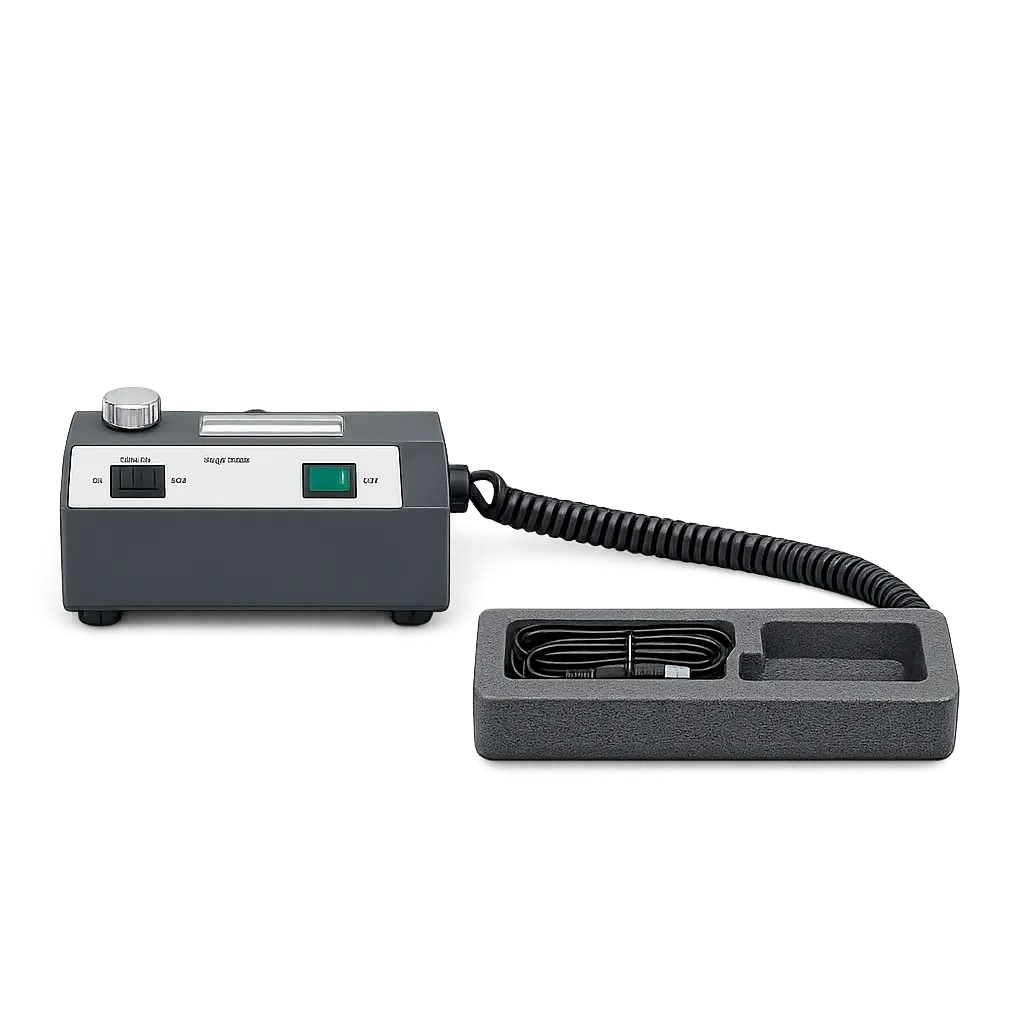
Objective Refraction
Retinoscopy gives a refractive result without requiring subjective responses from the patient, which suits children, patients unable to communicate reliably and anyone where subjective refraction is impractical. The result itself is determined by the examiner from the observed reflex. Subjective refraction is impractical for some patients. The reflex supplies the information instead. Children and non verbal patients are reached properly. The examiner reads the reflex directly.
Astigmatic Axis Determination
Aligning the streak with the meridian under examination is how the astigmatic axis is found, and full 360 degree rotation means no axis is out of reach. What the reflex indicates, and what refraction follows, rests entirely with the clinician performing the examination. Limited rotation would leave meridians awkward. Full rotation removes that restriction. Alignment with the meridian is how the axis is found. Determination stays with the clinician.
Paediatric and Non-Verbal Patients
Because retinoscopy needs no answers from the patient, it reaches groups that subjective refraction cannot serve. Two brightness settings help where a bright beam would be poorly tolerated, which matters particularly with young children. Young children tolerate a dimmer beam better. No answers are required from them at all. Brightness reduction helps with photophobia too. Cooperation is not required at all.
Optometric Practice and Eye Clinics
A retinoscope is standard equipment wherever refraction is performed, and the specification here covers the ordinary requirements. Bulb supply is worth establishing alongside the instrument, since a halogen bulb is a consumable. Halogen bulbs are consumable and need supply. Standard equipment wherever refraction happens. Bulb supply should accompany the instrument. Refraction happens in most eye practices.