
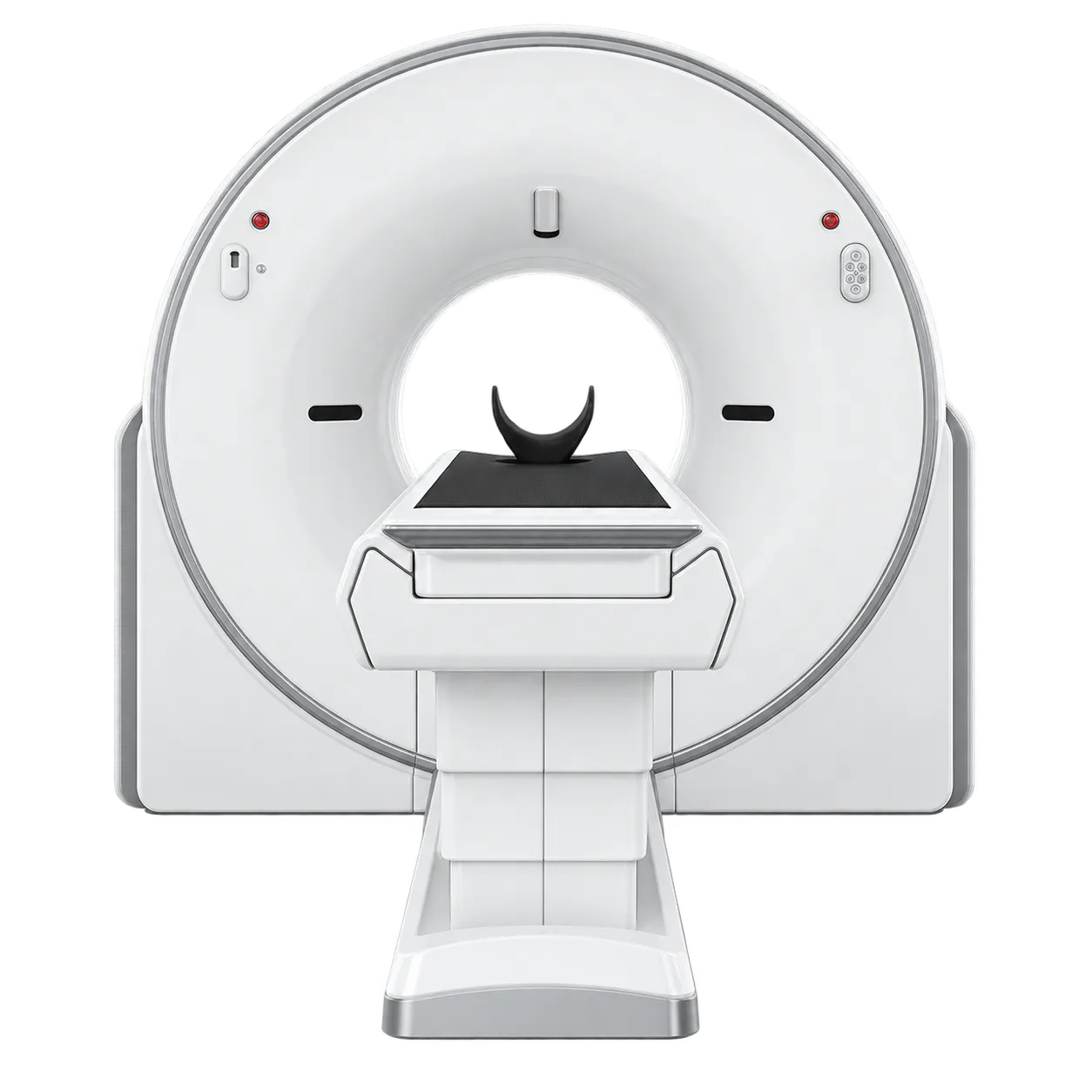
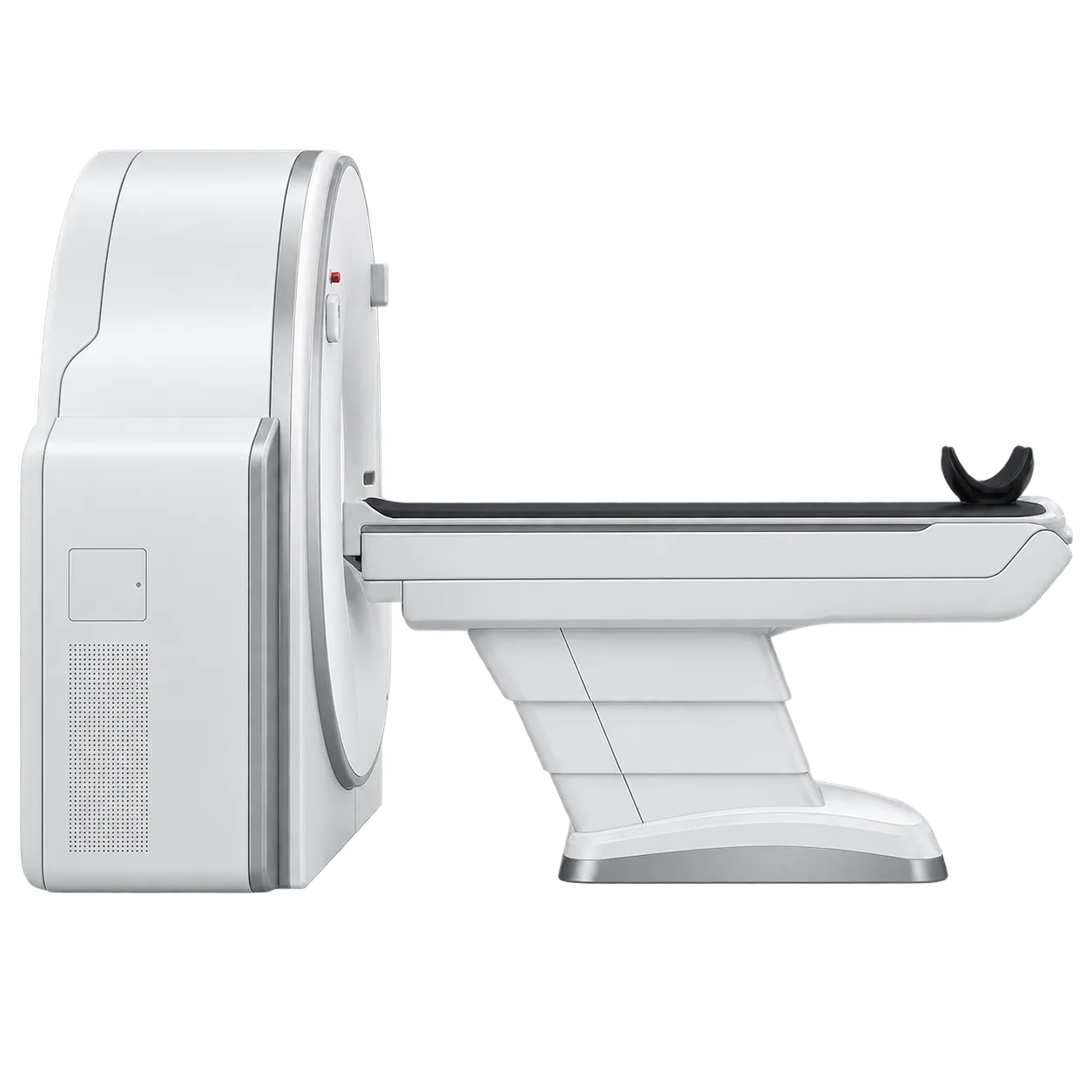
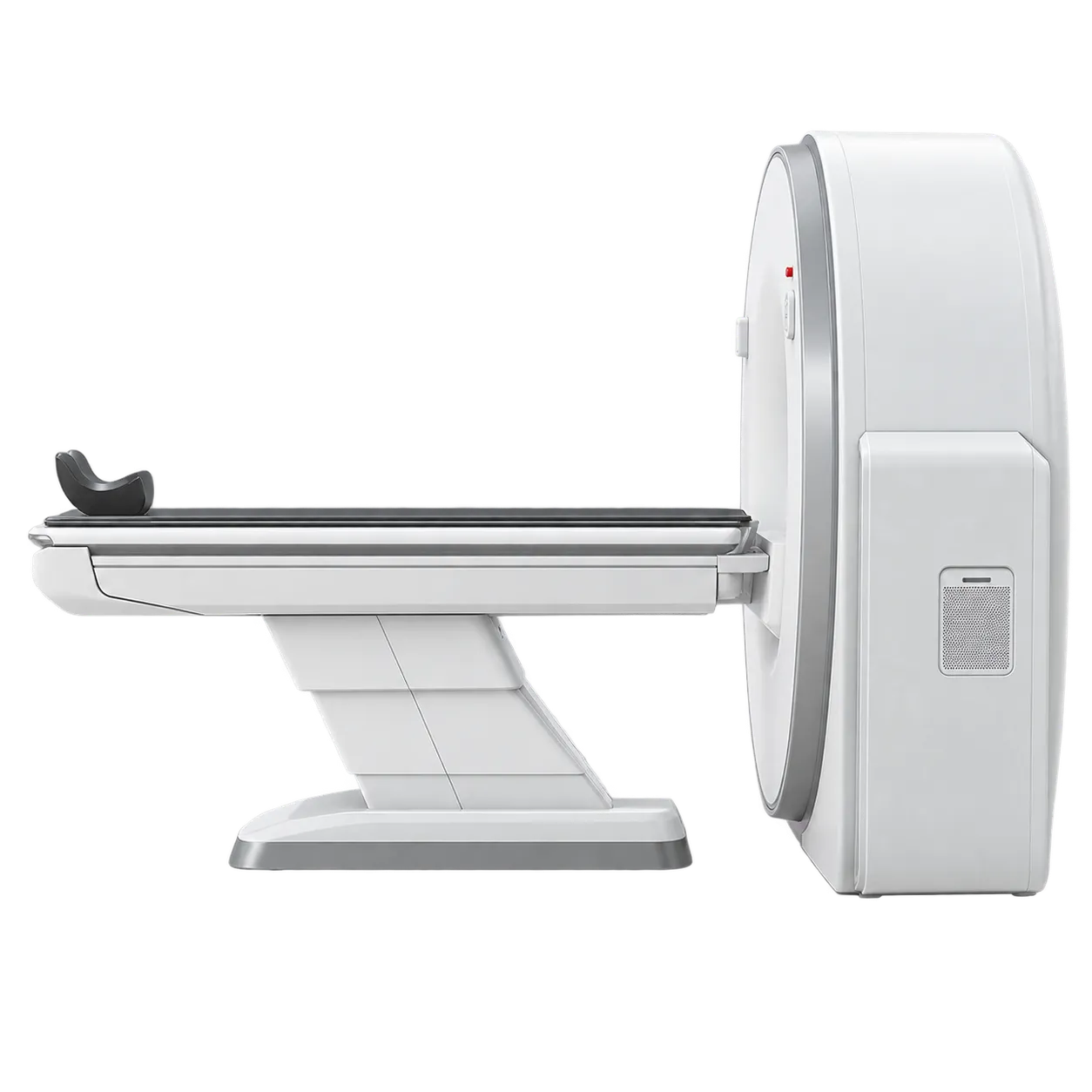
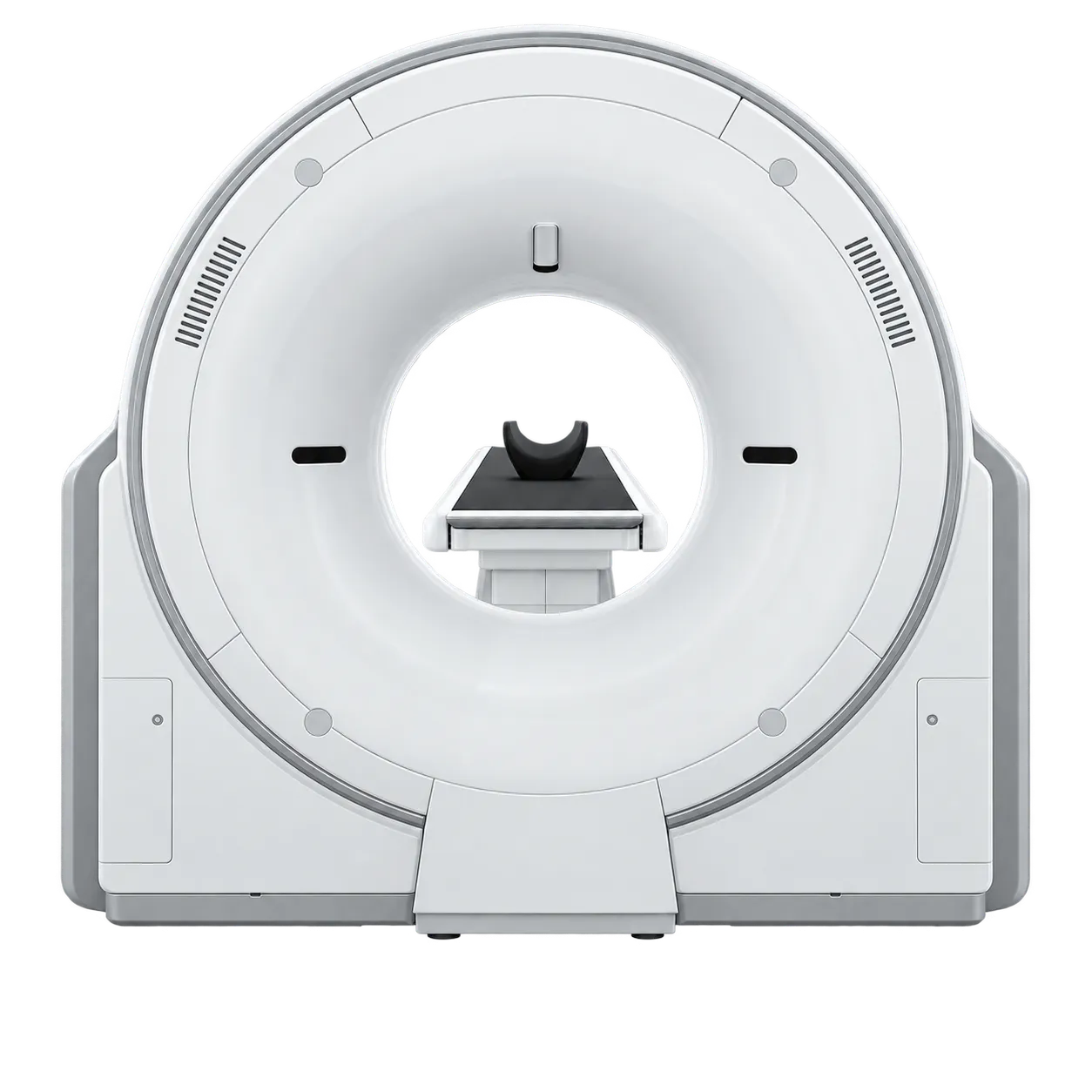
Head and intracranial imaging is a primary and frequently requested application for this system, where the 1024×1024 reconstruction matrix supports detailed visualisation of skull and intracranial structures, and Visionstar's automatic head scan positioning software standardises setup across patients and reduces operator-dependent variability. Renal and abdominal imaging represents a second important application, illustrated in Visionstar's own material with a 3D volume-rendered kidney reconstruction supporting surgical planning or diagnostic review of renal pathology.
Chest imaging forms a third application, where the system's intelligent chest scanning mode is designed to reduce respiratory motion artefacts that otherwise result from prolonged breath-holding, and where automatic lung scan positioning and smart chest reverse scan software are intended to support consistent chest acquisition protocols across a busy radiology list and multiple operators. Vascular imaging is a fourth key application, supported by the system's 3D volume reconstruction and maximum intensity projection capabilities, consistent with CT angiography workflows illustrated in Visionstar's own materials showing vascular structure alongside the skull.
Skeletal and musculoskeletal imaging, including lumbar spine assessment, rounds out the confirmed application set, supported by the system's respiratory navigation and intelligent positioning software across the lumbar vertebrae region shown in Visionstar's own workflow material. These applications reflect the reconstruction and workflow capabilities Visionstar has demonstrated in its own product material rather than independently confirmed clinical outcome data, and departments considering this system for a specific clinical pathway should request outcome or throughput data directly from Visionstar before committing to a purchasing decision.