
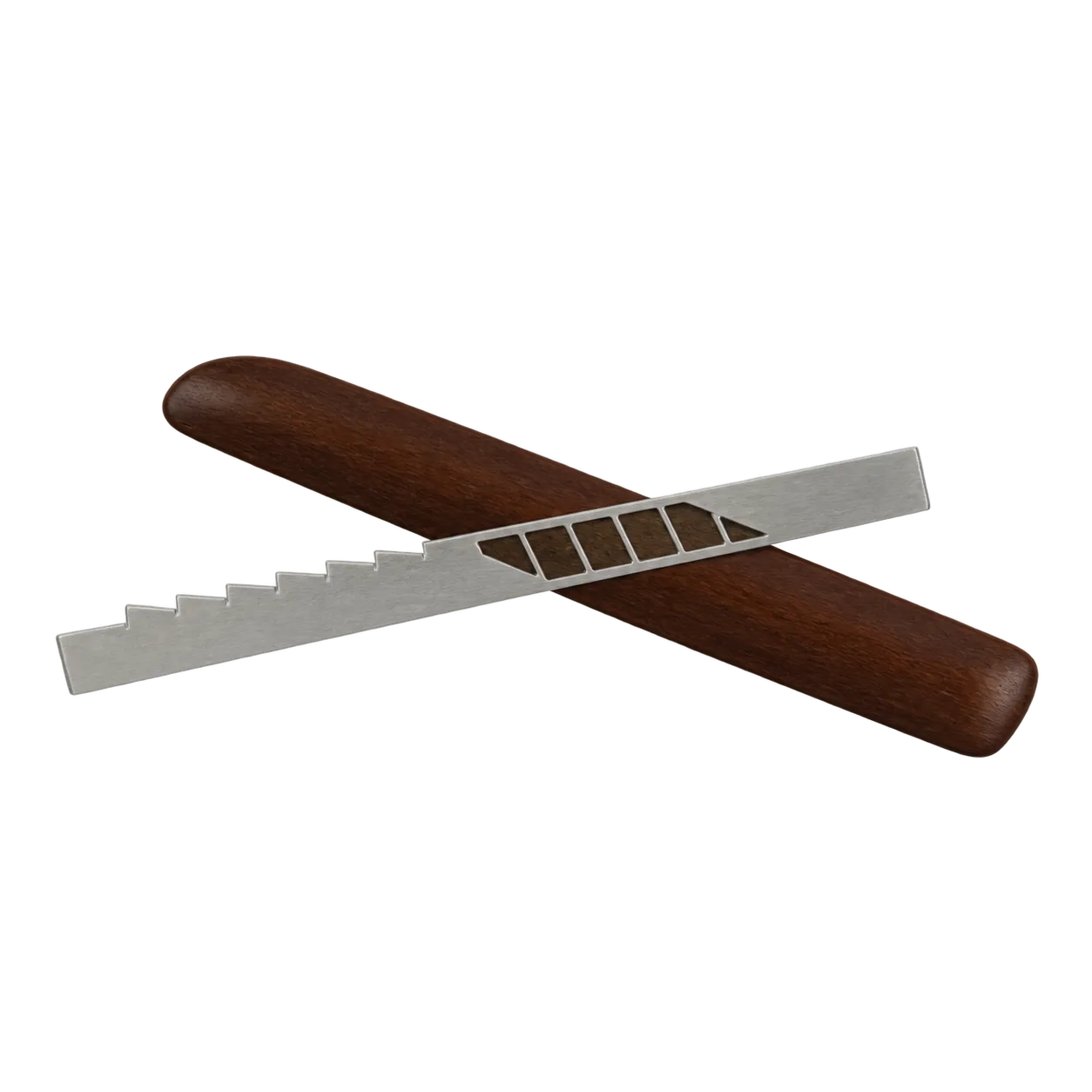
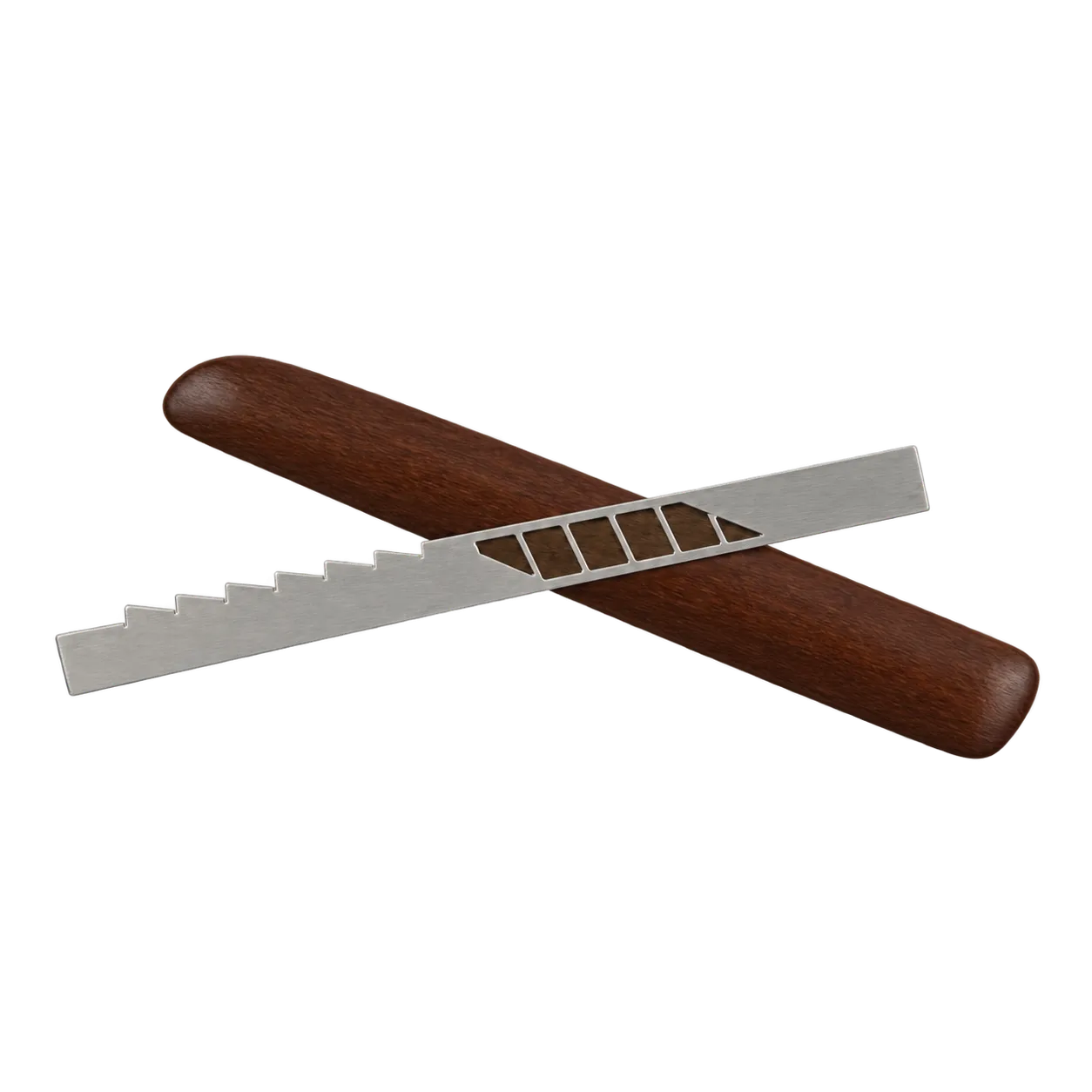
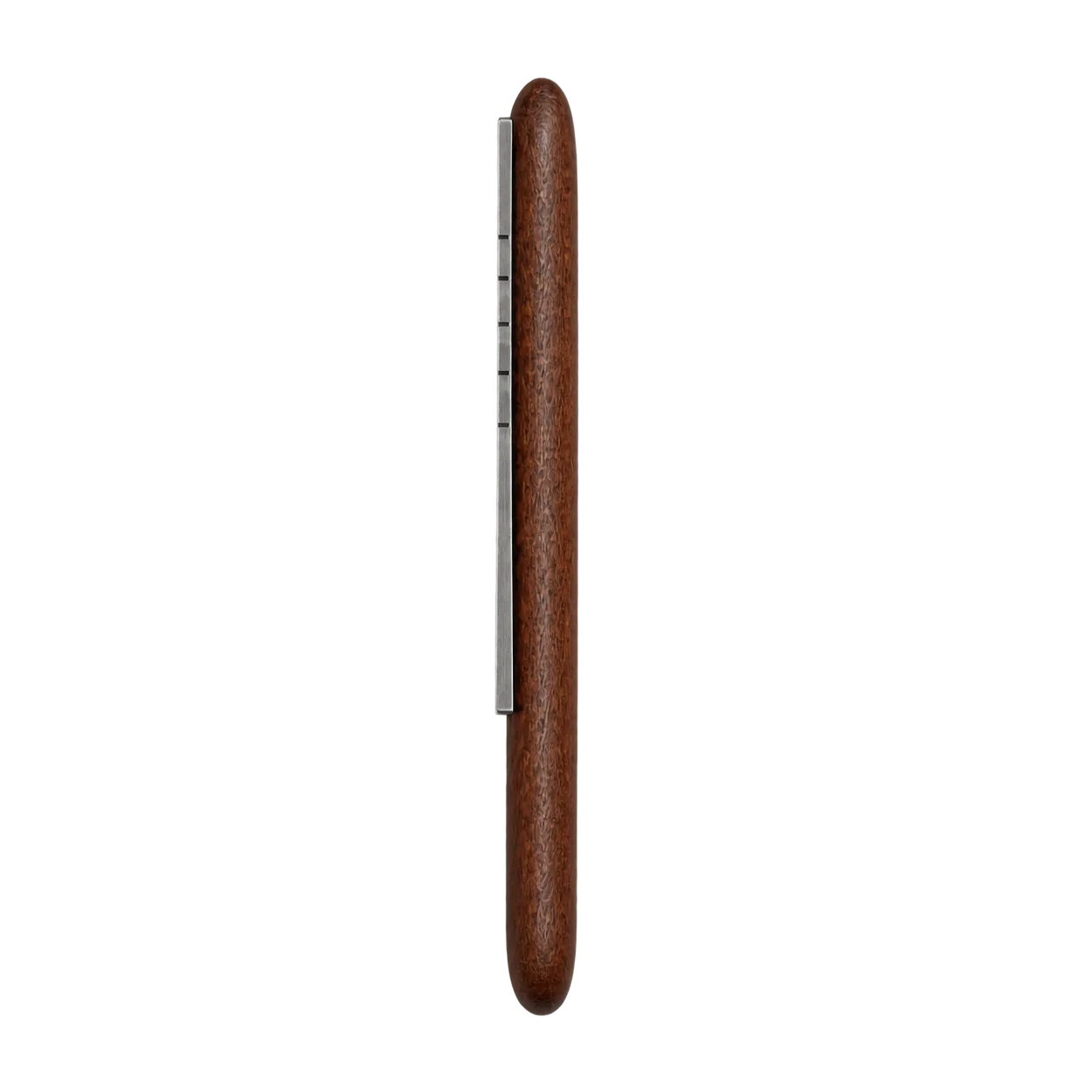
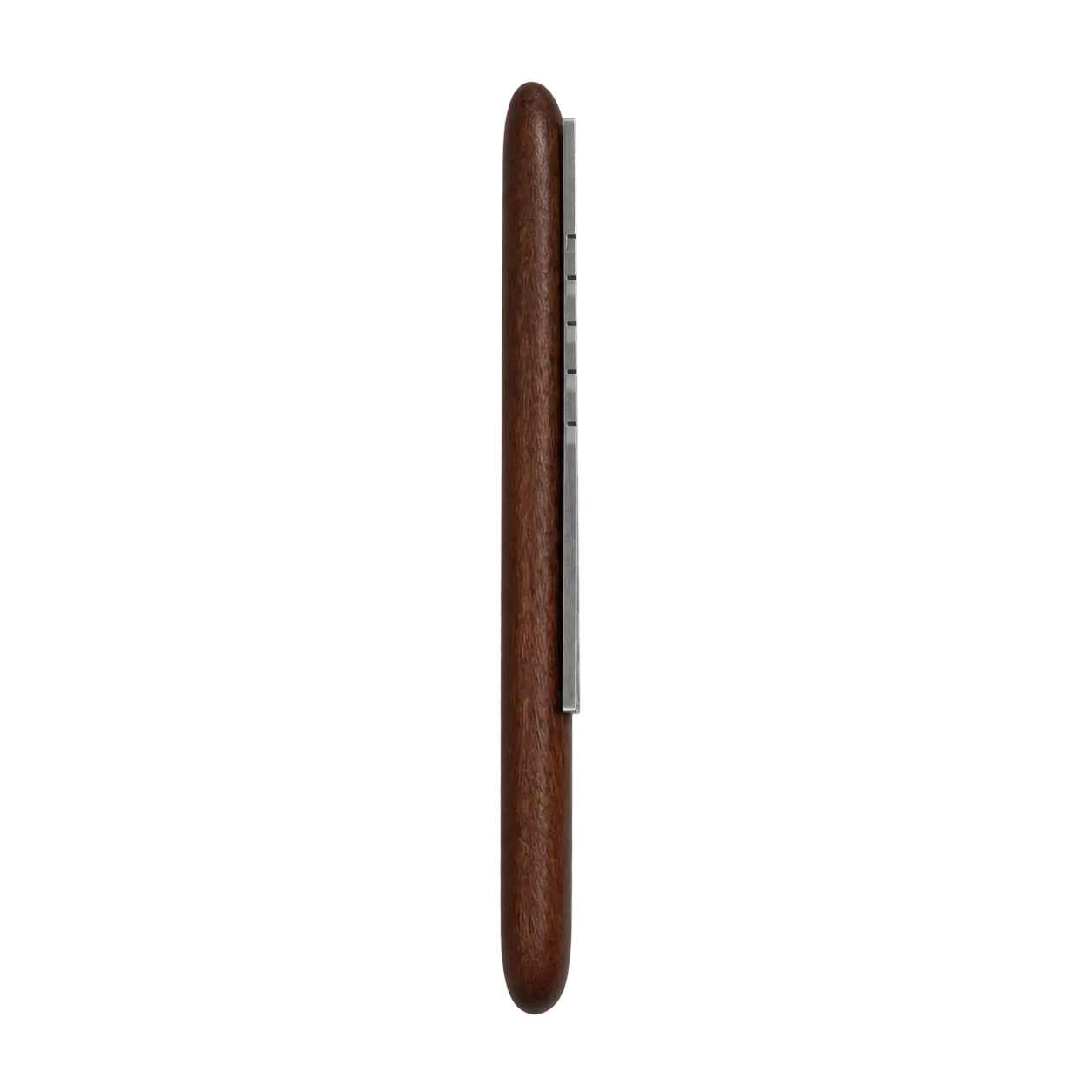
Orthoptic departments are the natural home for a vertical prism bar. Measuring a hypertropia with the prism cover test in the primary position and in other gaze positions shows whether a vertical deviation is comitant or incomitant, which points toward its cause. A bar lets the orthoptist move through the powers with one hand while covering with the other.
Neuro-ophthalmology and stroke services assess acquired vertical diplopia from fourth nerve palsy, skew deviation and brainstem lesions. Serial measurements track recovery, which makes consistent holding technique and a confirmed calibration position essential.
Strabismus surgery planning depends on accurate measurements, since the amount of surgery is based on the measured deviation. The error that a wrong holding position introduces at 20 to 30 Δ is large enough to matter, so surgical units should confirm calibration before relying on the bar.
Thyroid eye disease clinics monitor vertical deviations caused by restricted extraocular muscles over many months, and a stable measurement method supports decisions about prisms or surgery.
Paediatric clinics use a 10 to 15 Δ vertical prism to assess fixation preference in young children with straight eyes, and the bar covers that range.
Optometry practices with a binocular vision interest can measure small vertical deviations at the low end of the bar, where the 1 Δ steps sit.
The bar is less suited to horizontal deviations and to deviations beyond 30 Δ. Institutional buyers commonly ask for evidence of conformity. The conformity documentation those procurement routes require is issued by the manufacturer and provided by the seller.