
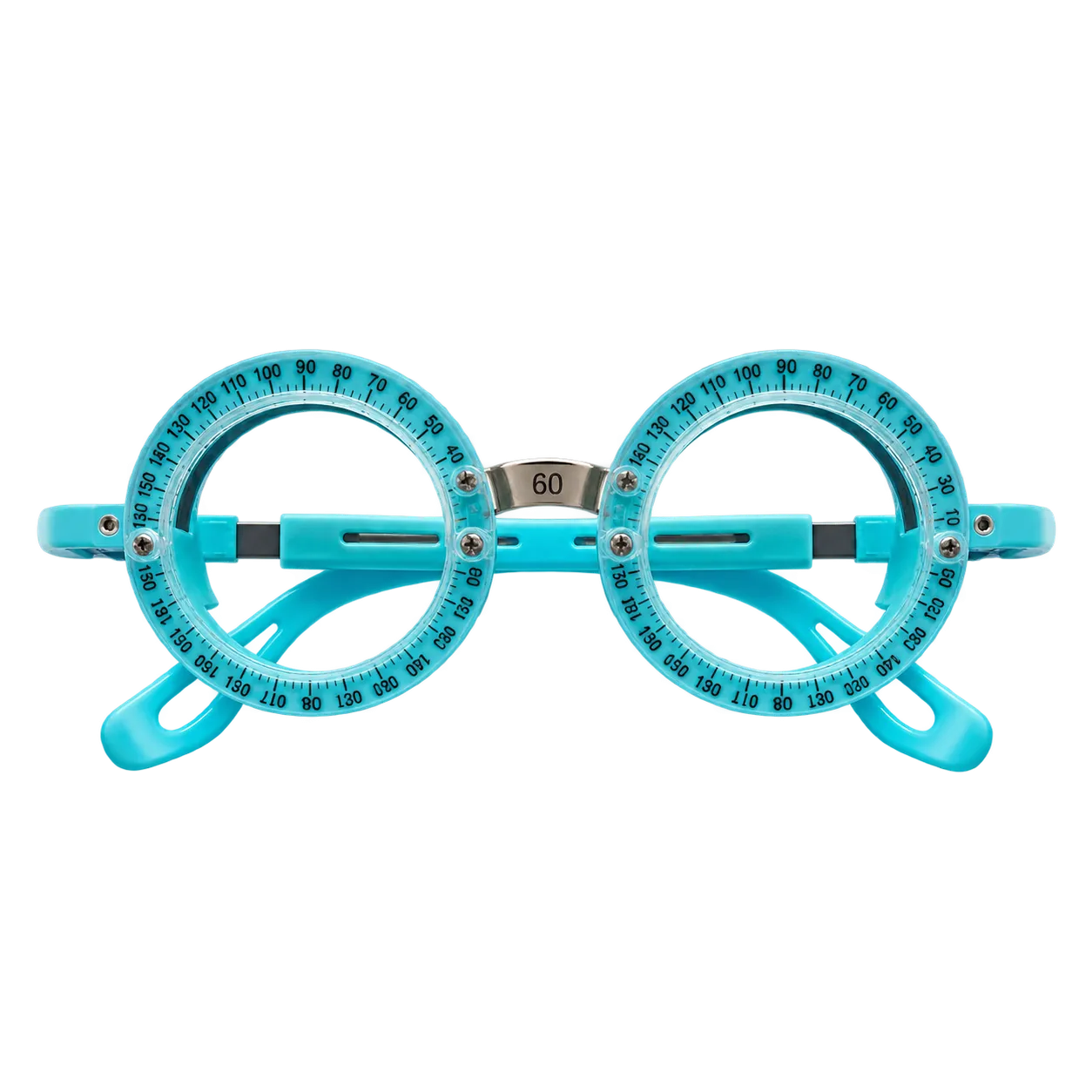

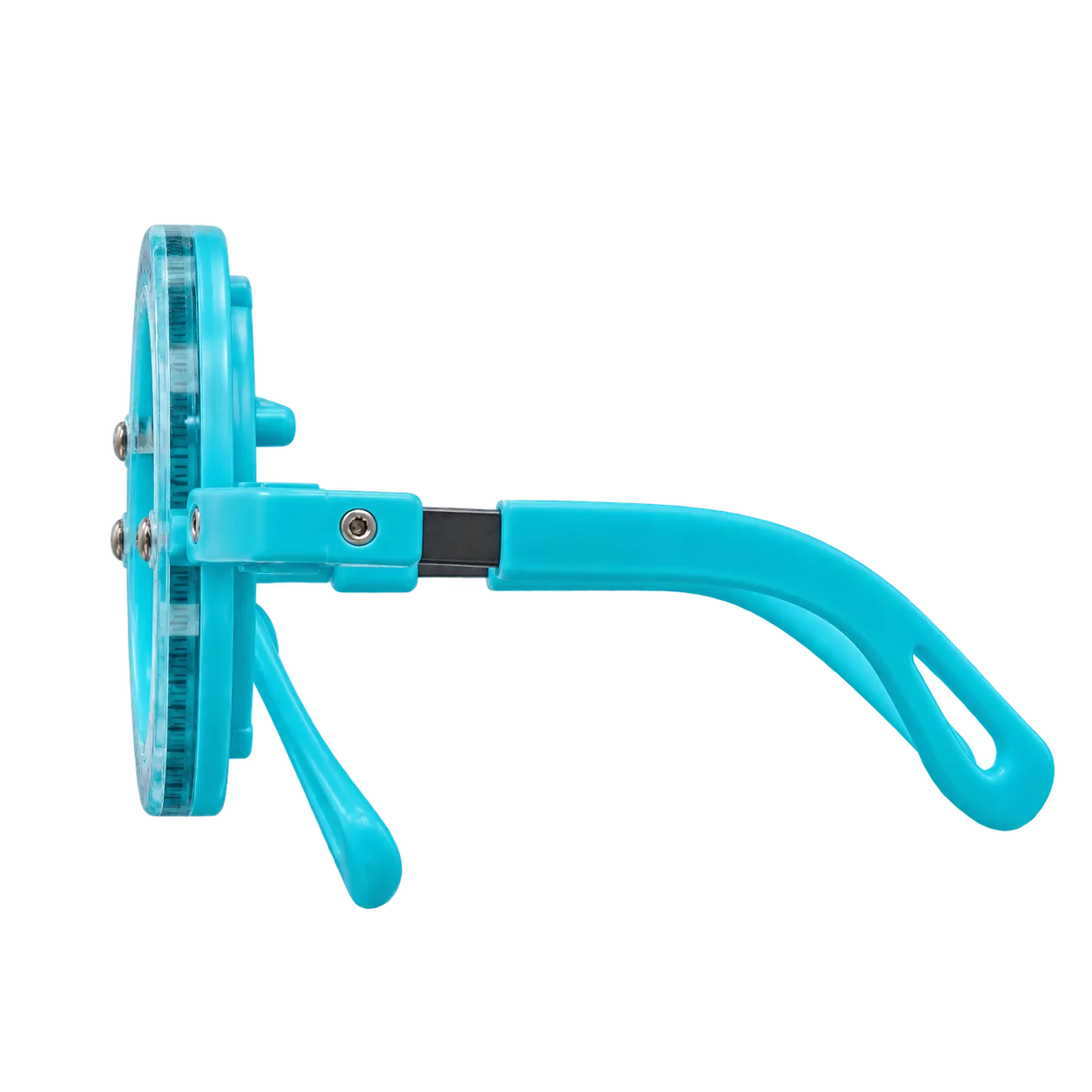
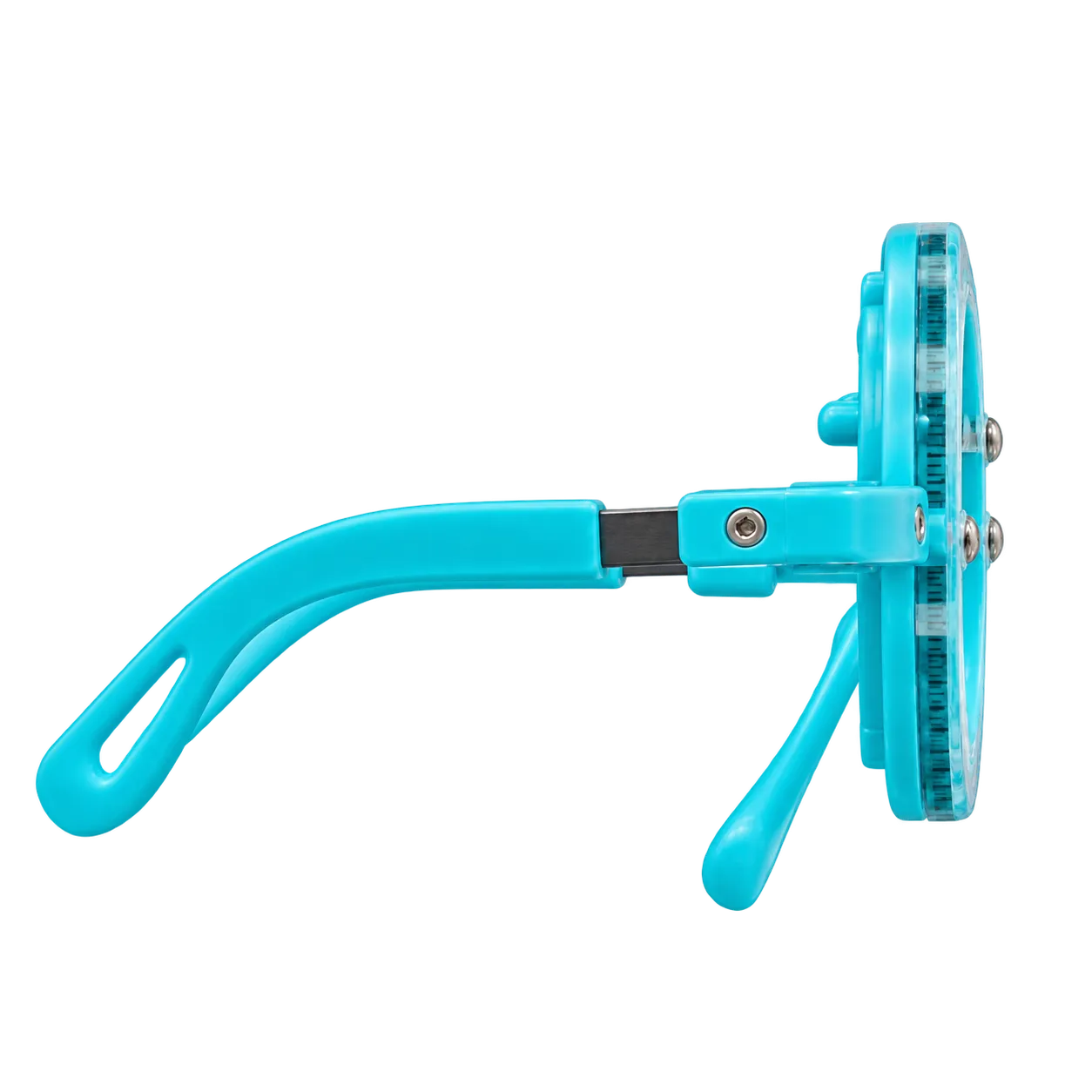
Varifocal dispensing is the clearest use. Showing a patient the progressive experience before ordering sets expectations about the narrow intermediate corridor and softer edges, which is where most adaptation problems begin.
First-time progressive wearers benefit most, since they have no prior experience of how the lens behaves and are the group most likely to struggle.
Previous non-adapters can be shown a different design before committing again, rather than repeating an expensive failure.
Patients moving from bifocals or single-vision readers gain from seeing the difference in practice rather than having it described.
Practices reducing remakes and returns can use a demonstration to filter out patients unlikely to adapt, steering them towards occupational or single-vision alternatives.
Presbyopic patients anxious about cost can make an informed decision, which supports clear communication about what they are paying for.
Representative demonstration depends on correct fitting height, so the frame's vertical adjustment should be confirmed before relying on it for that purpose.
Children fall outside the use case entirely, since progressive lenses are prescribed for presbyopia.