

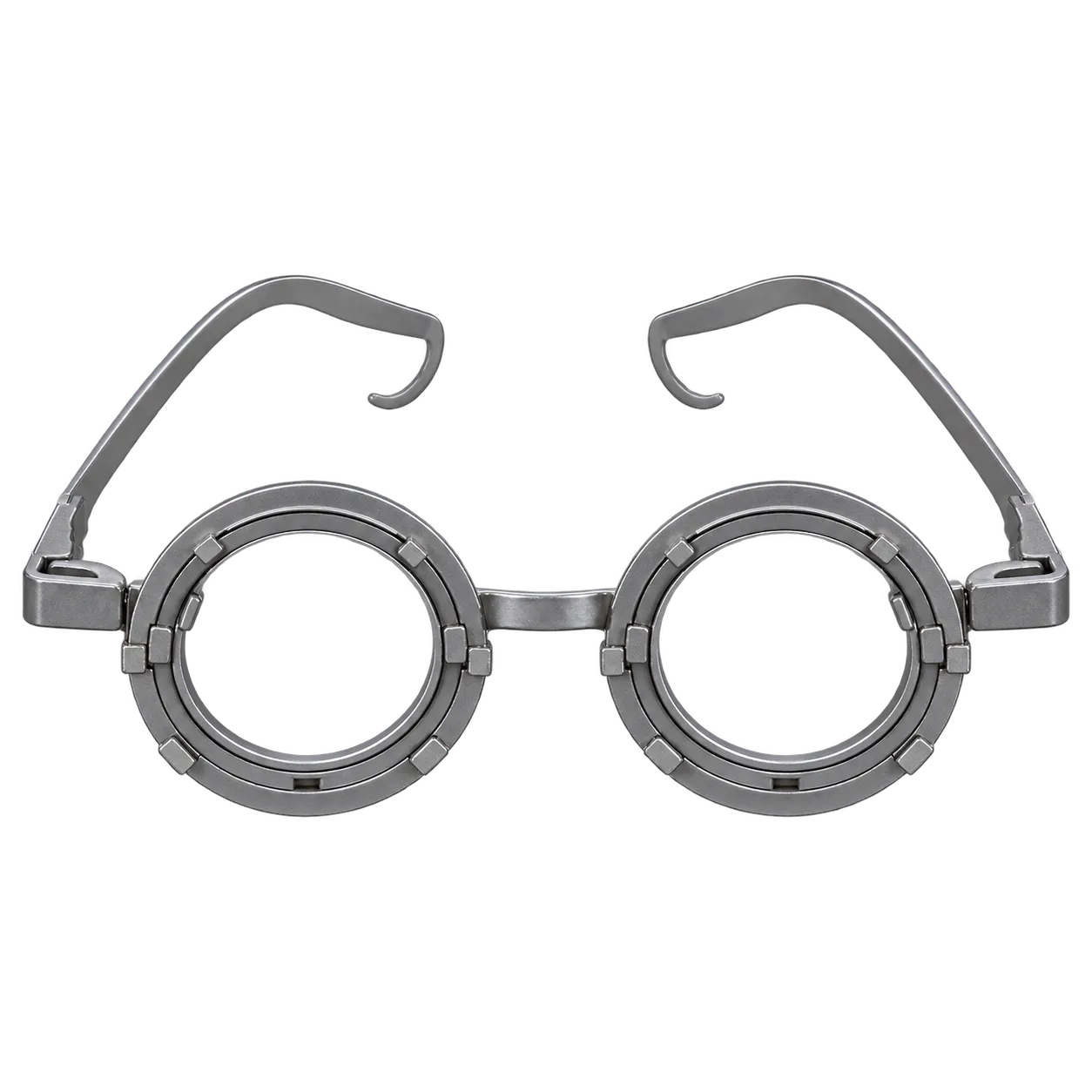
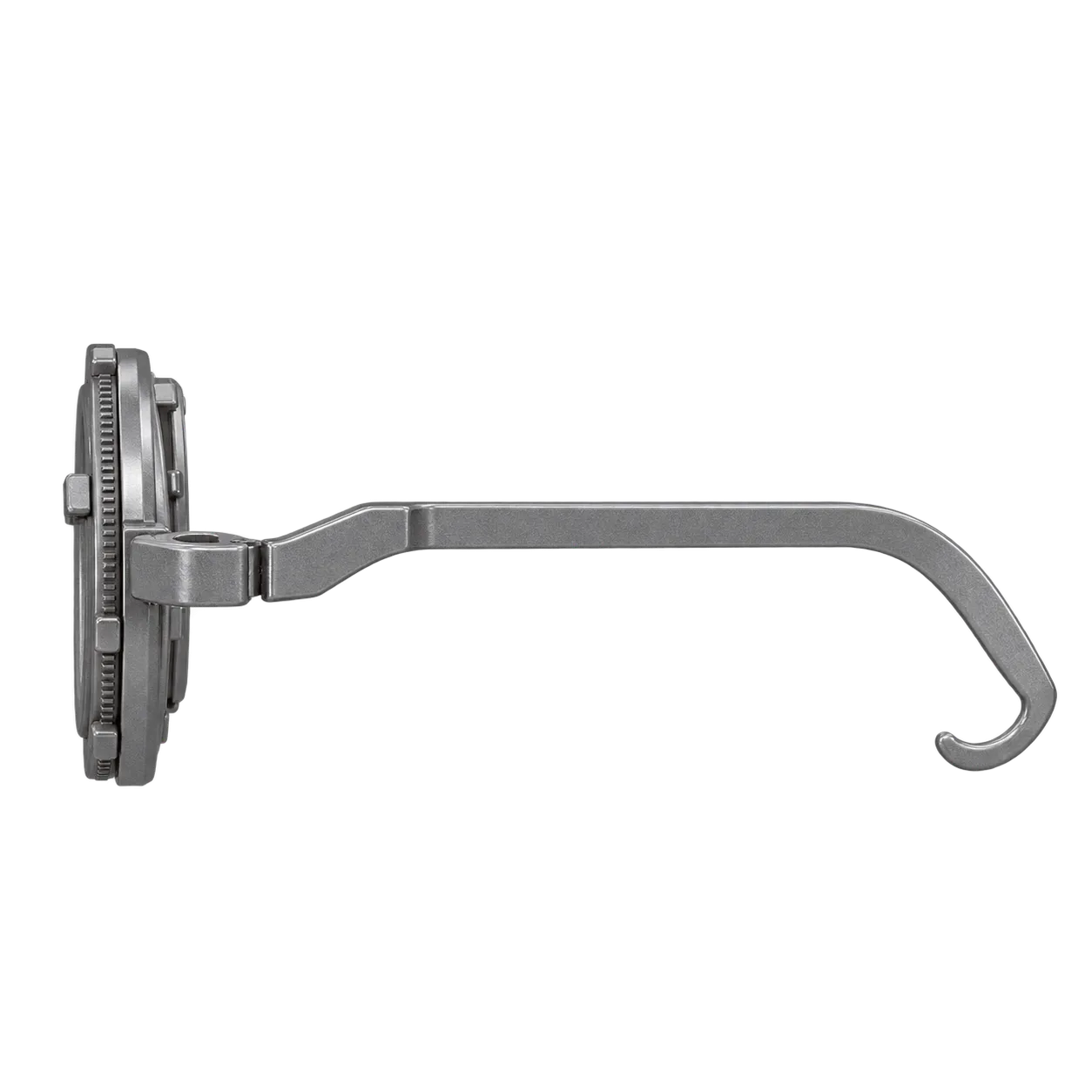
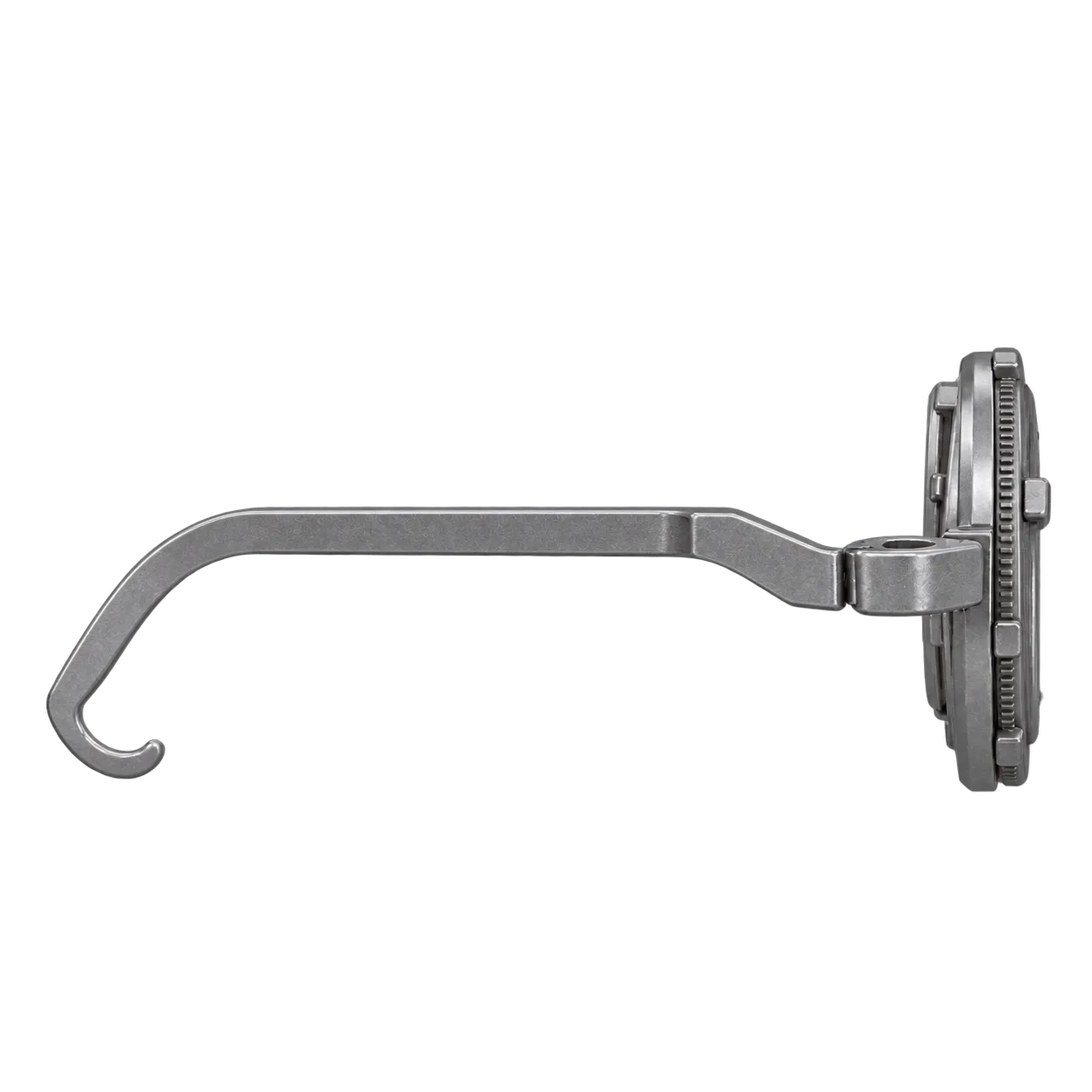
Paediatric refraction is the primary use. The 50 mm lower limit, cable temples and interchangeable pads all point at children, and the colour bands speed up selection in clinics where age and size vary from one patient to the next.
Orthoptic clinics refract children continuously, and narrowing a twelve-size range to four by colour removes a small delay repeated dozens of times a session.
School and community screening benefits most from the banding, since screeners work at speed and against a clock rather than refining a prescription.
Amblyopia and myopia management involve repeated visits, so a frame a child tolerates shortens every appointment in a long series.
Wider-set adults are covered by the grey band at 66 to 72 mm, so the range is not exclusively paediatric where a fixed frame is acceptable.
Teaching clinics can use the bands to show students how interpupillary estimation narrows a choice before measurement confirms it.
Complex prescriptions may be limited by the unpublished lens capacity, which we establish before recommending the range for that work.
Infants measuring below 50 mm fall outside the scale, as with any fixed-PD range.