
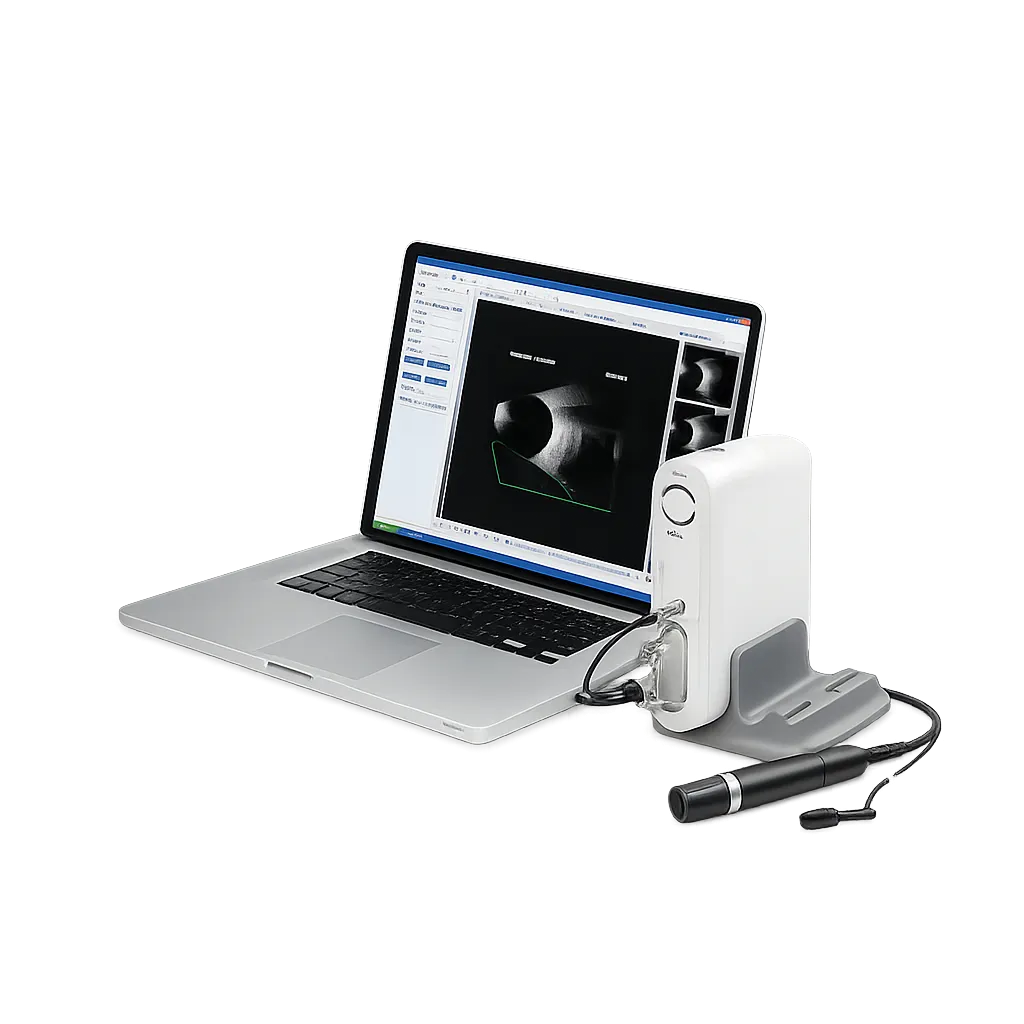
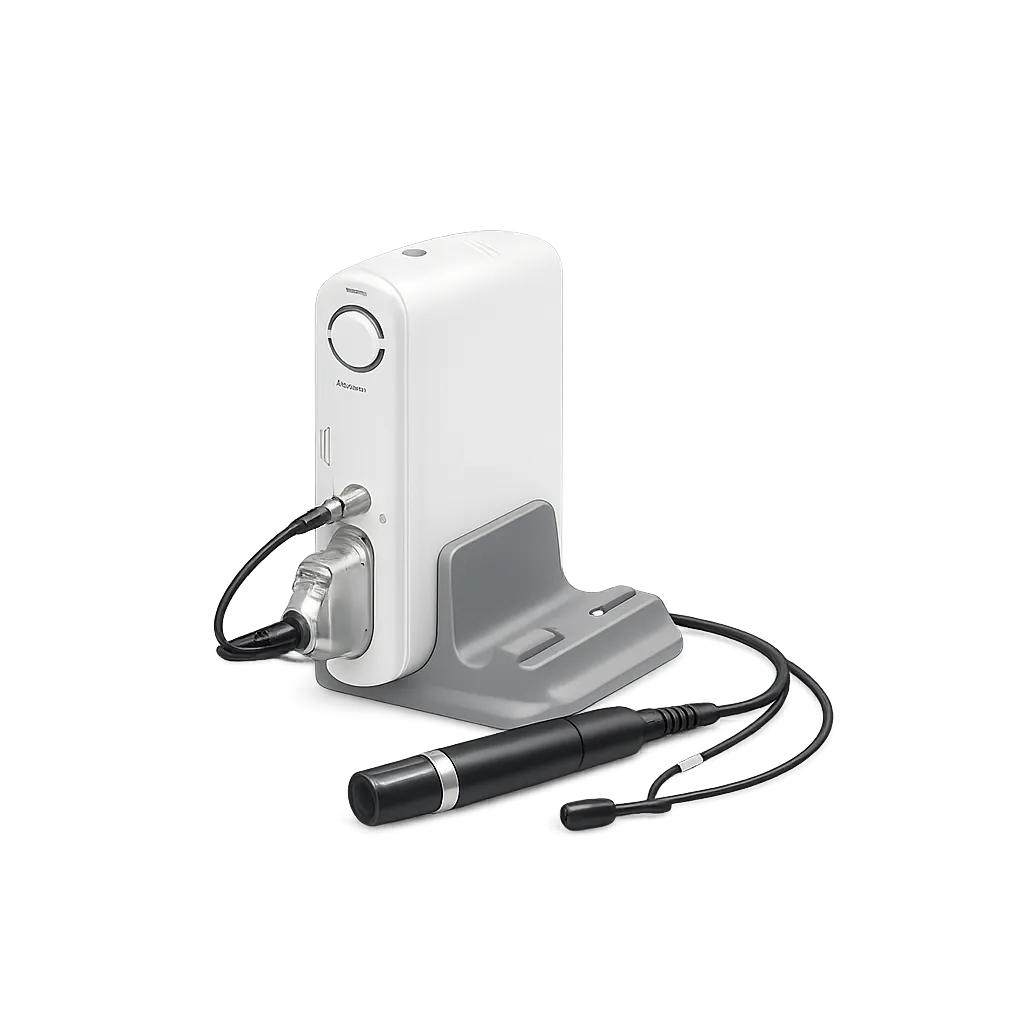
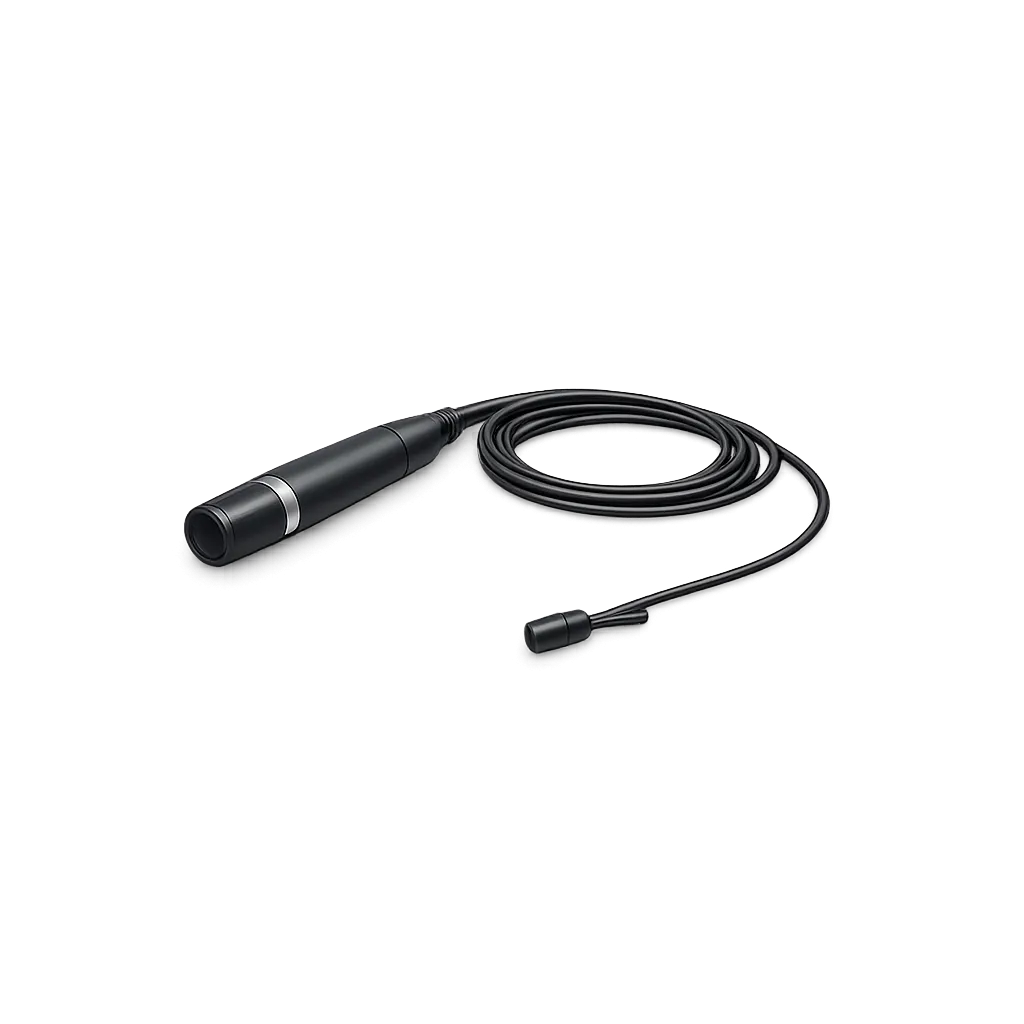
Ophthalmology clinics use B-scan imaging when the fundus cannot be viewed directly, which is the situation the modality is intended for. The manufacturer states that the SW-2100 is used for the diagnosis of intraocular disease, showing the location, shape,aandd extent of a lesion and its relationship with surrounding tissue, and lists vitreous opacity, retinal detachment ,a nd ocular fundus tumours among the conditions assessed. Those are the manufacturer's stated applications. All image interpretation and clinical decision-making remain with the practitioner, and Medigear.uk verifies certification and regulatory status before any procurement decision is made.
Cataract and IOL planning is served by the A-scan side, which measures anterior chamber depth, lens thickness, vitreous body length and total axial length with averaging, at a stated precision of ±0.05 mm. Phakic, aphakic, dense and various IOL eye modes cover the range of presentations, and built-in formulae calculate implant power. Which formulae are included matters to a surgical service, and Medigear.uk confirms them in writing.
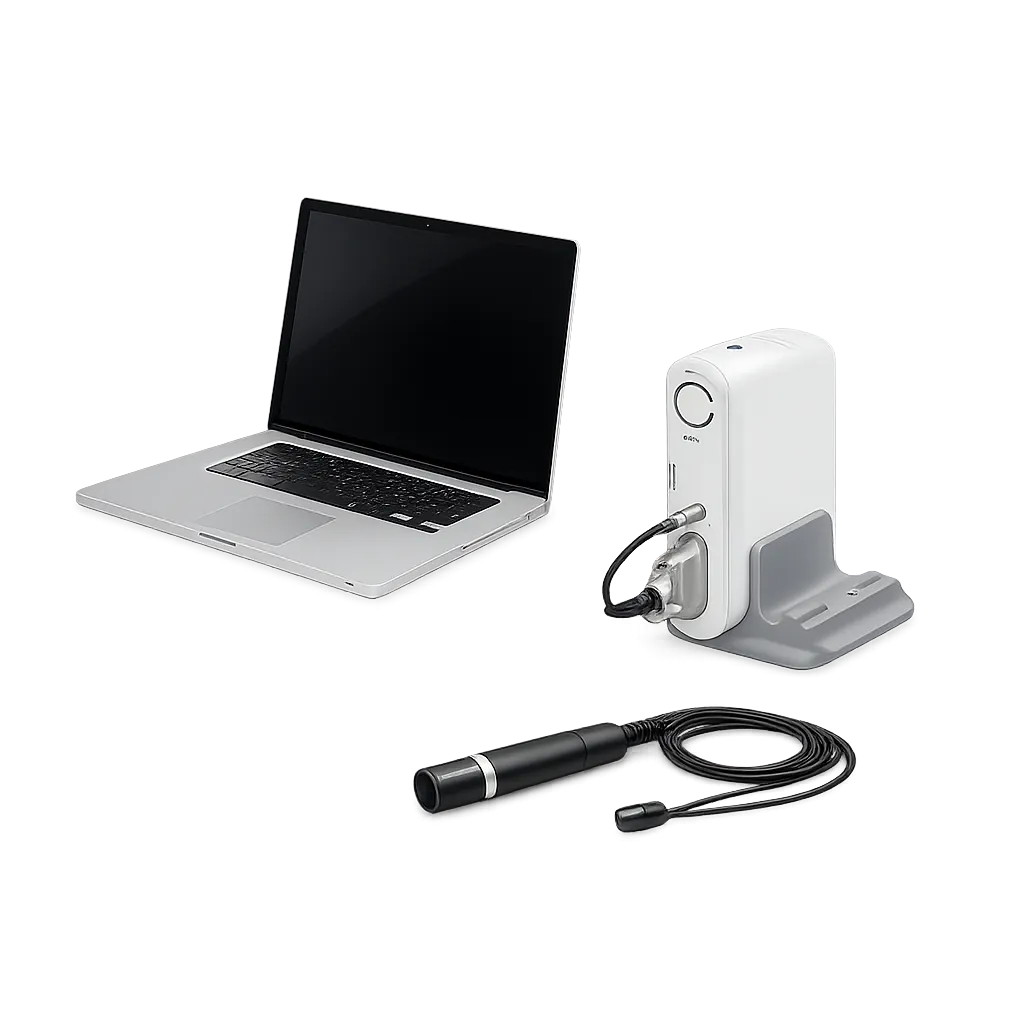
Optometry practices offering enhanced services gain from a 4 kg laptop-connected system rather than a fitted console, since it can be moved between rooms or carried to a satellite clinic. Practices should establish the required computer specifications before purchase, as the workstation is supplied by the practice rather than the manufacturer. A system that will not run on existing hardware carries a cost that never appears on the quotation.
Services building a patient record benefit from PDF report output and AVI or JPG image export, with a 100-image movie review available where a finding is better assessed in motion than on a still frame. Medigear.uk supplies the reporting documentation with the system.