
Cataract Biometry and Lens Selection
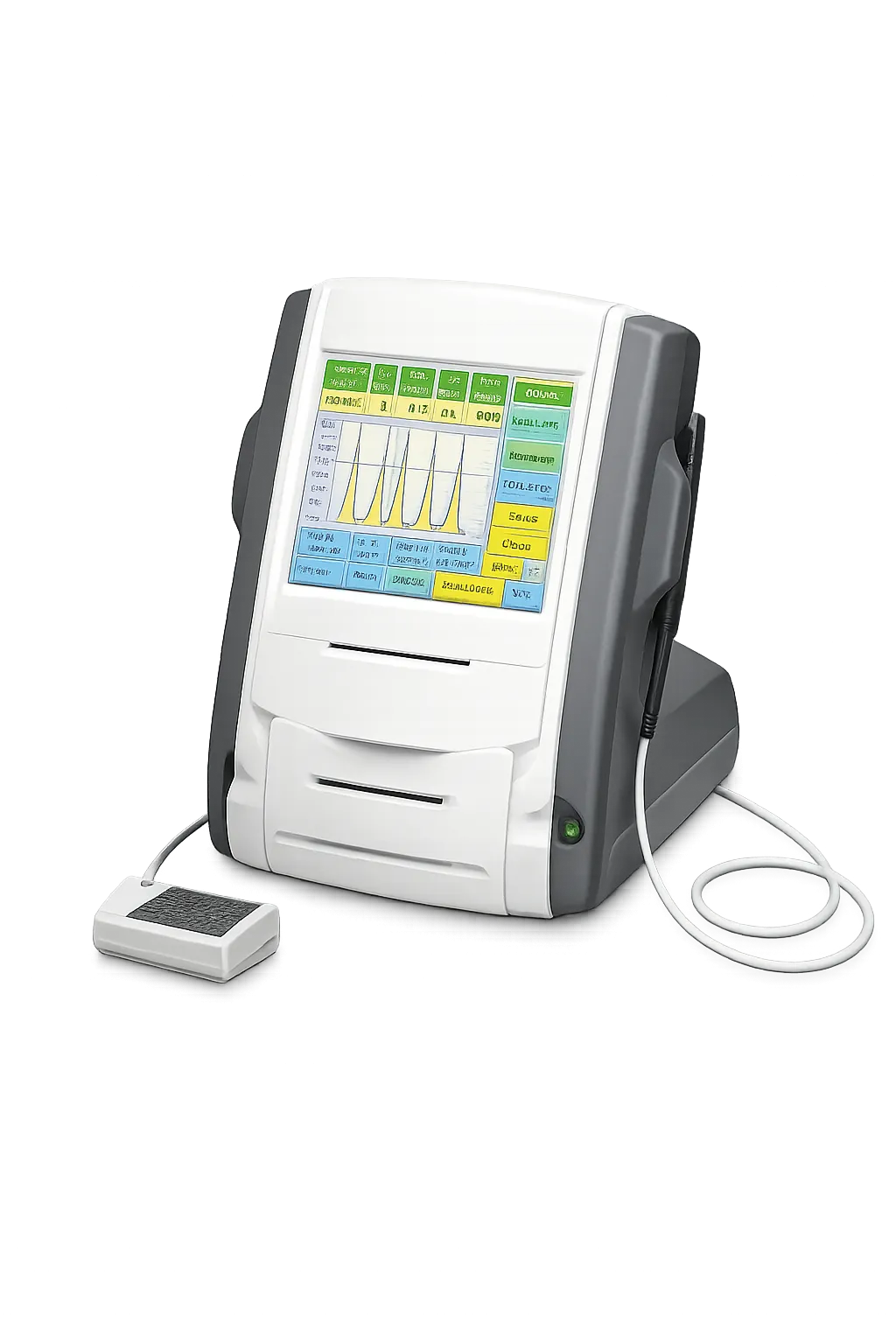
Axial length measurement feeds intraocular lens power calculation, and a precision of plus or minus 0.05 millimetres bears directly on the refractive outcome. Six formulas give a surgeon the choice their practice requires, though which formula suits a given eye is entirely a surgical judgement rather than an instrument setting. Wrong axial length gives a wrong lens power. Precision therefore carries real consequence. Six formulas cover what most practice requires. Choice stays with the surgeon throughout.
Services Choosing Between Methods
Immersion and contact measurement are both supported. The two approaches behave differently, and departments hold their own views about which suits their work, so an instrument offering both leaves that decision with the clinicians rather than settling it for them. Existing practice is accommodated rather than changed. Technique preferences vary between departments. An instrument fitting existing practice is adopted faster. Change is avoided where unnecessary.
Corneal Thickness Measurement
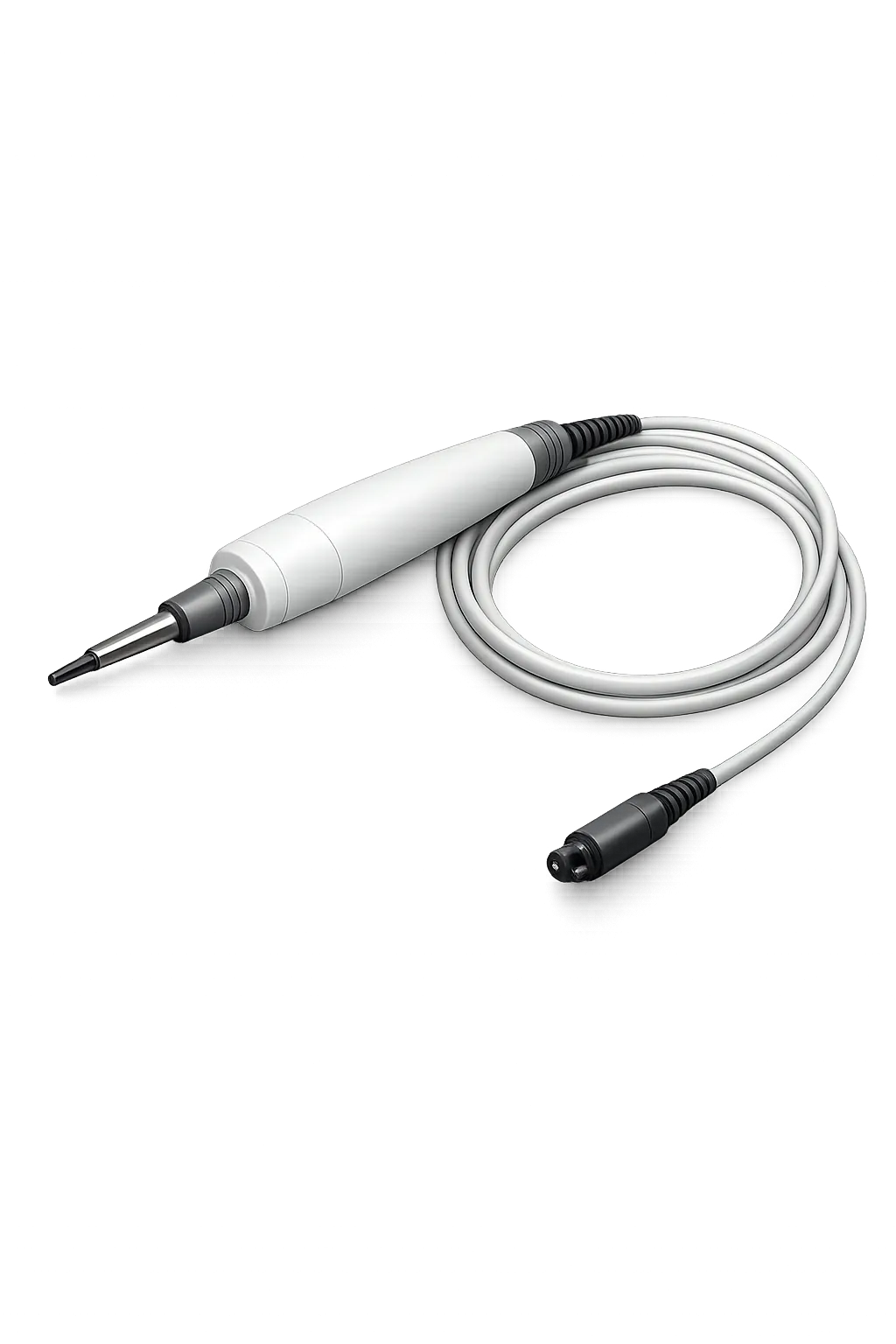
A 20 MHz probe measuring 150 to 1500 microns at 5 micron resolution, with twenty-measurement averaging and map mode, supports thickness assessment across the cornea. What any measurement means clinically rests with the examining clinician. Map mode covers the cornea more broadly than single. Averaging steadies each individual group. Thickness assessment supports clinical judgement only. Interpretation rests with the clinician.
Departments Weighing Corrected Pressure
The instrument can display a thickness-corrected pressure value. Corrected tonometry remains contested clinically, with no single accepted correction, and the card names no method, so any service intending to rely on this function should establish exactly what it applies. No single correction is universally accepted. The card names no method whatsoever. Establishing the method matters before any reliance. Contested measures deserve caution.