
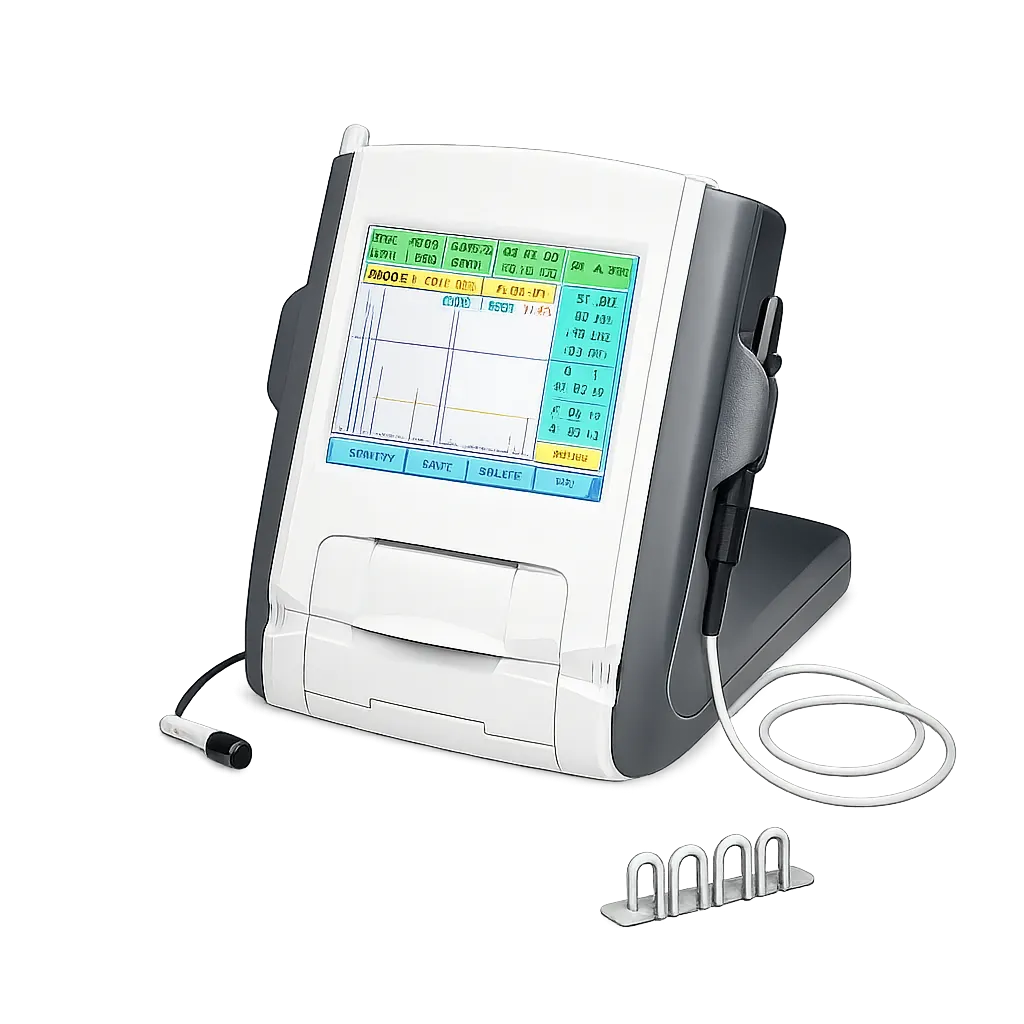
Biometry and Pachymetry Together
One console covers axial length measurement and corneal thickness, so a department running both examinations does not need two instruments or two stations to do it.
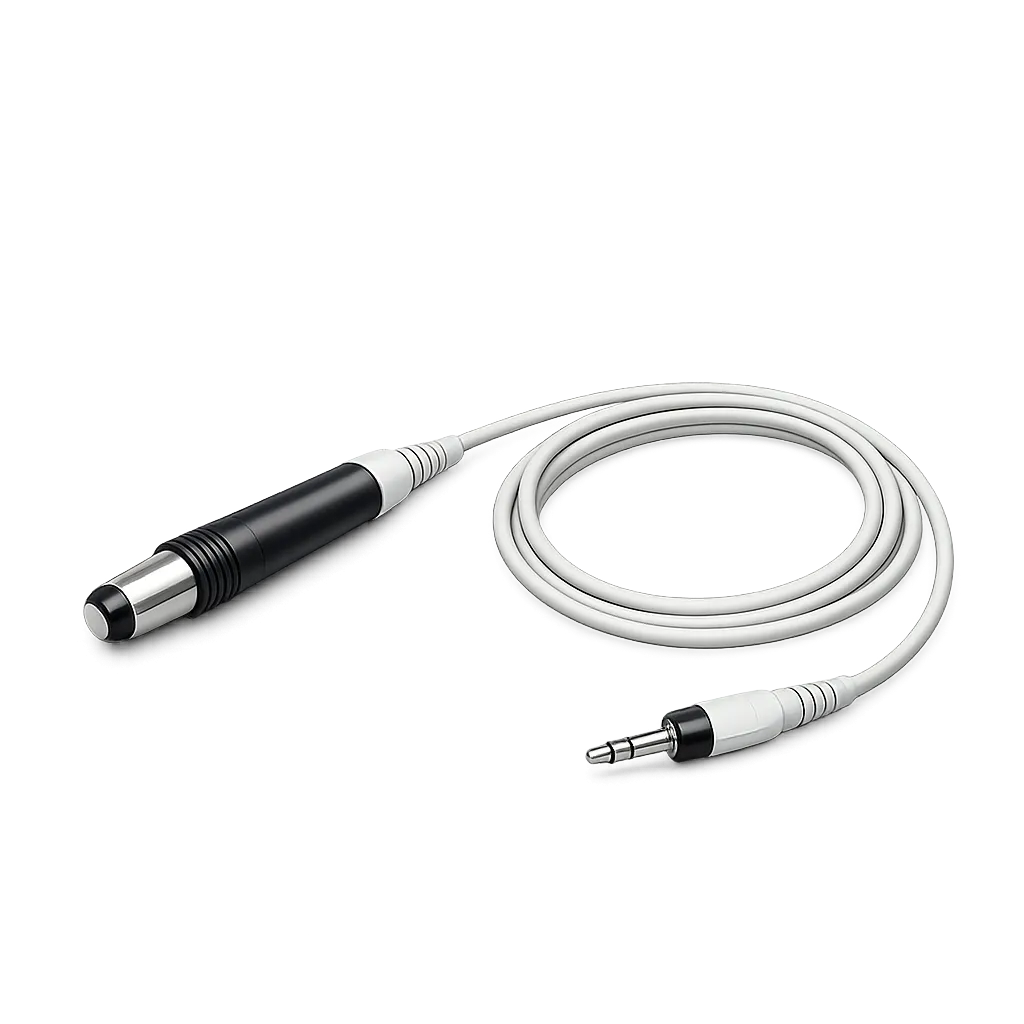
10MHz Biometry Probe
The biometry probe measures across 15 to 40 millimetres to a precision of plus or minus 0.05 millimetres, with a built-in fixation light helping the patient hold steady gaze.
Six Lens Power Formulas
SRK-II, SRK-T, Binkhorst II, Holladay, Hoffer Q and Haigis are all provided, so a surgeon can apply whichever formula suits the eye in front of them rather than accepting one default.
Immersion and Contact Methods
Both techniques are supported, allowing a department to continue with its established practice instead of changing technique to accommodate new equipment.
Four Eye Modes
Phakic, aphakic, dense and various intraocular lens settings adapt the measurement to the condition of the eye, which matters where a dense cataract alters how sound travels.
20MHz Corneal Probe at 45 Degrees
The corneal probe resolves to 5 micrometres across 150 to 1500 micrometres, and its angled tip makes positioning against the cornea more straightforward.
Twenty Reading Averaging and Map Mode
Each group averages 20 measurements for reliability, and results present in single mode or as a map showing thickness across several measured positions.
Pedal Control and Built-In Printer
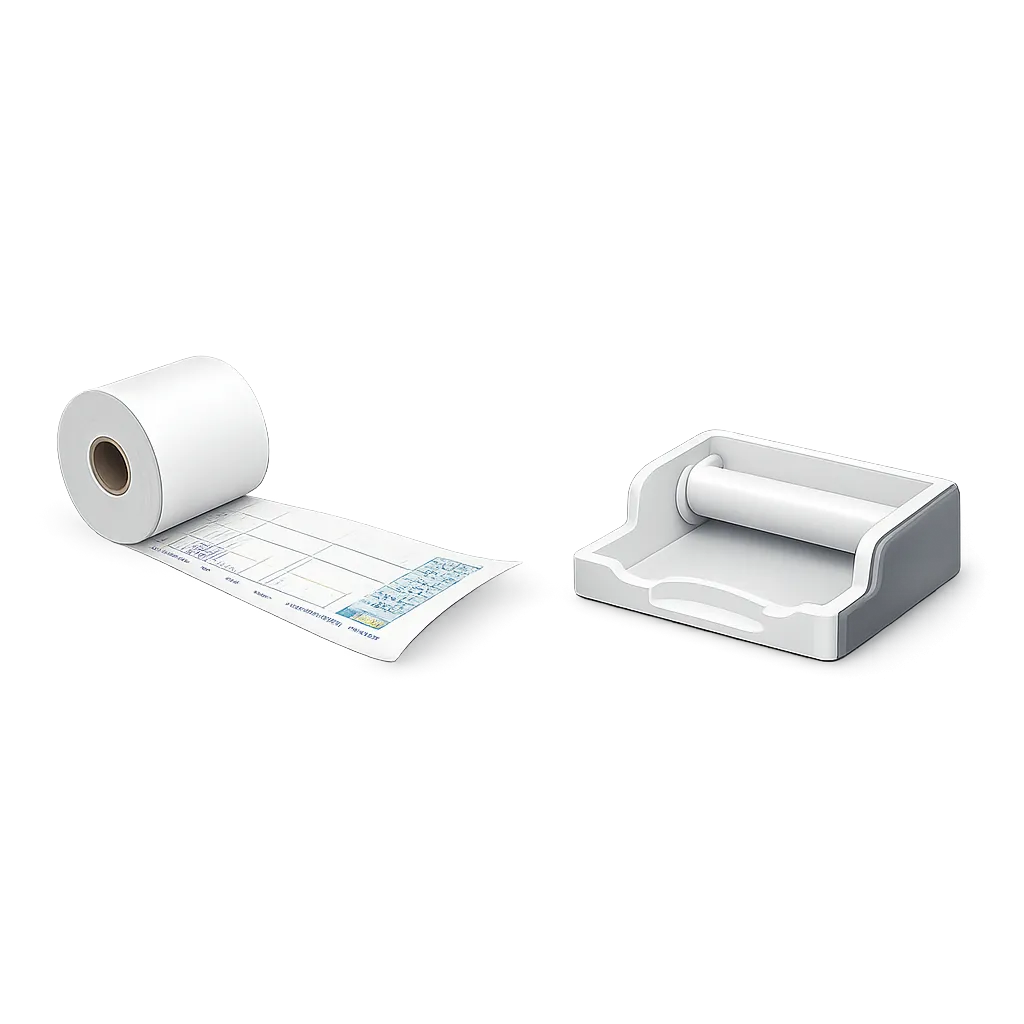
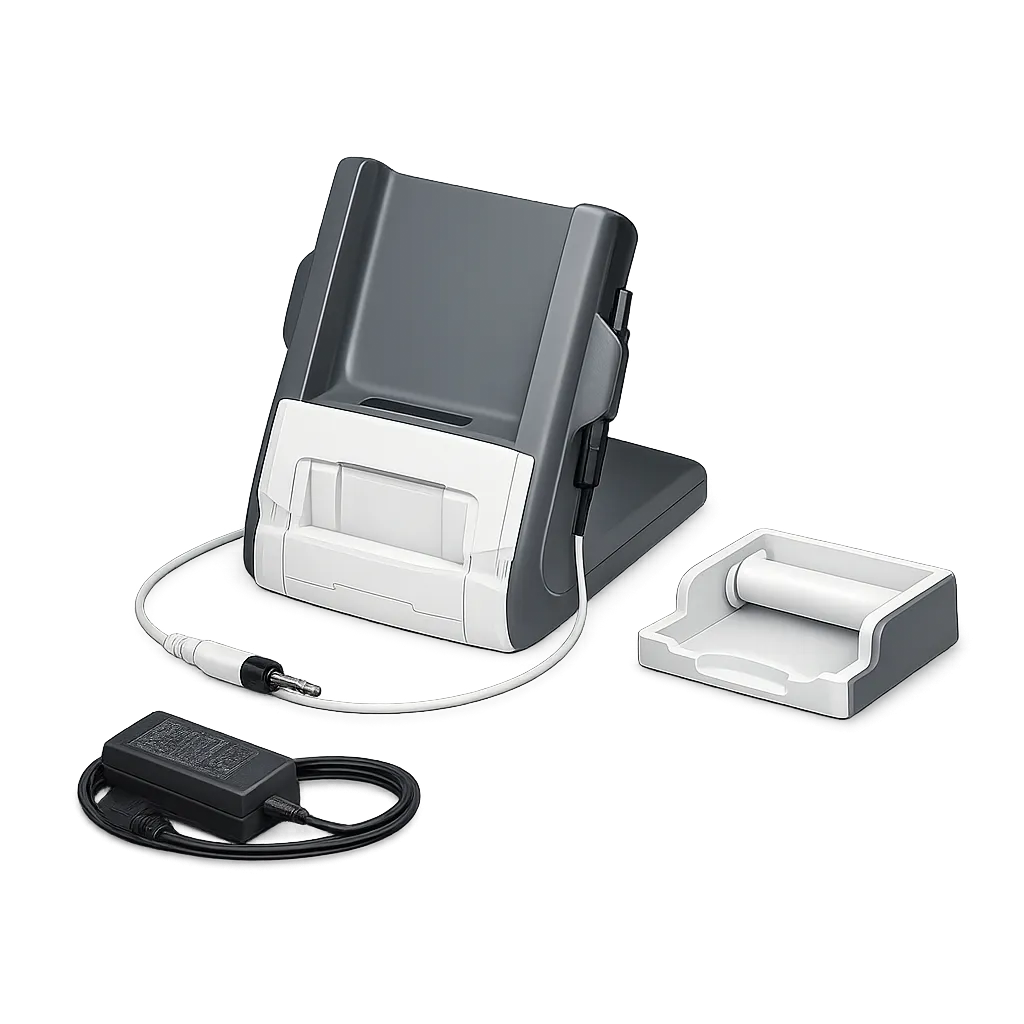
Curve freezing runs manually or automatically under pedal control, leaving both hands free, and a thermal printer produces waveforms and calculation sheets at the station.