
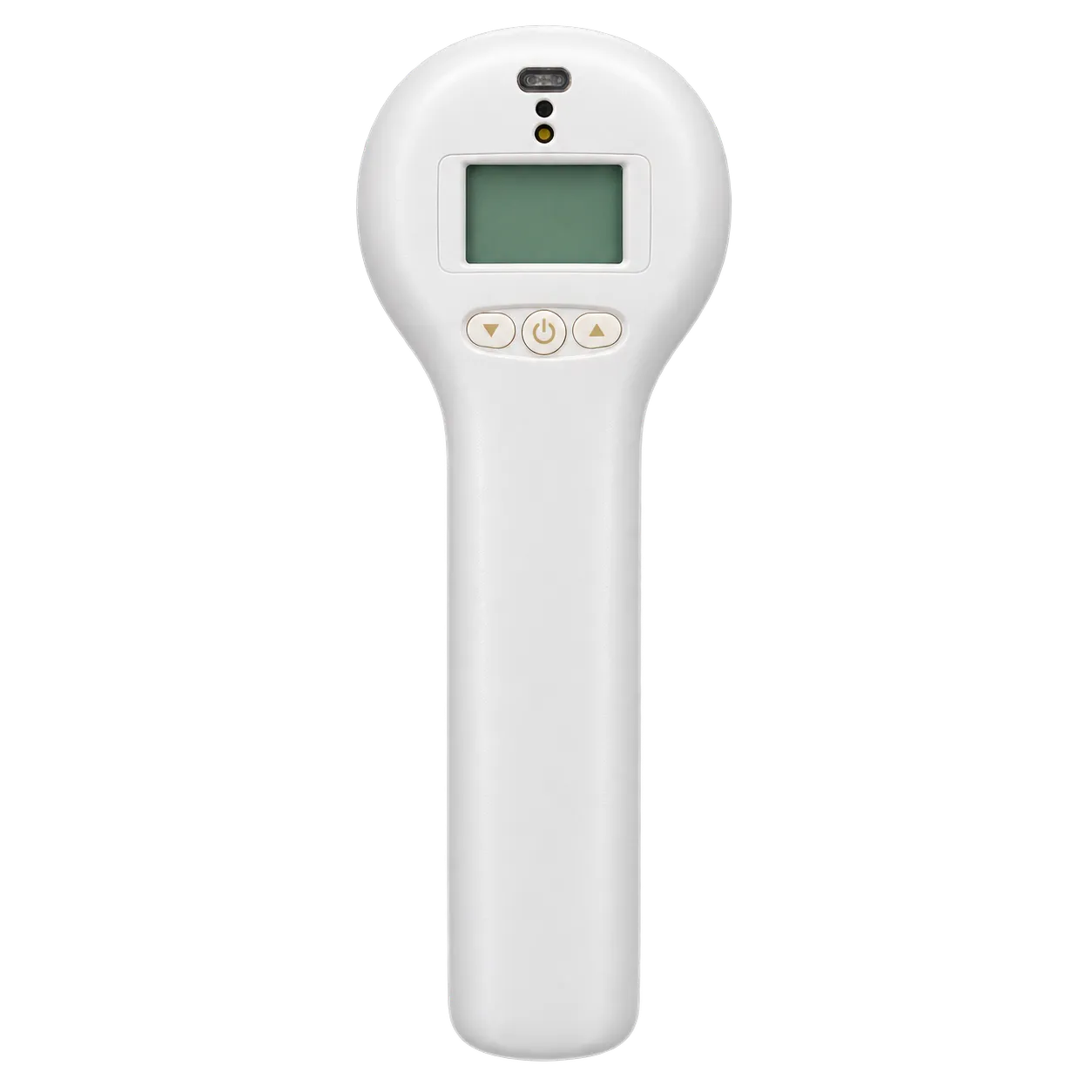
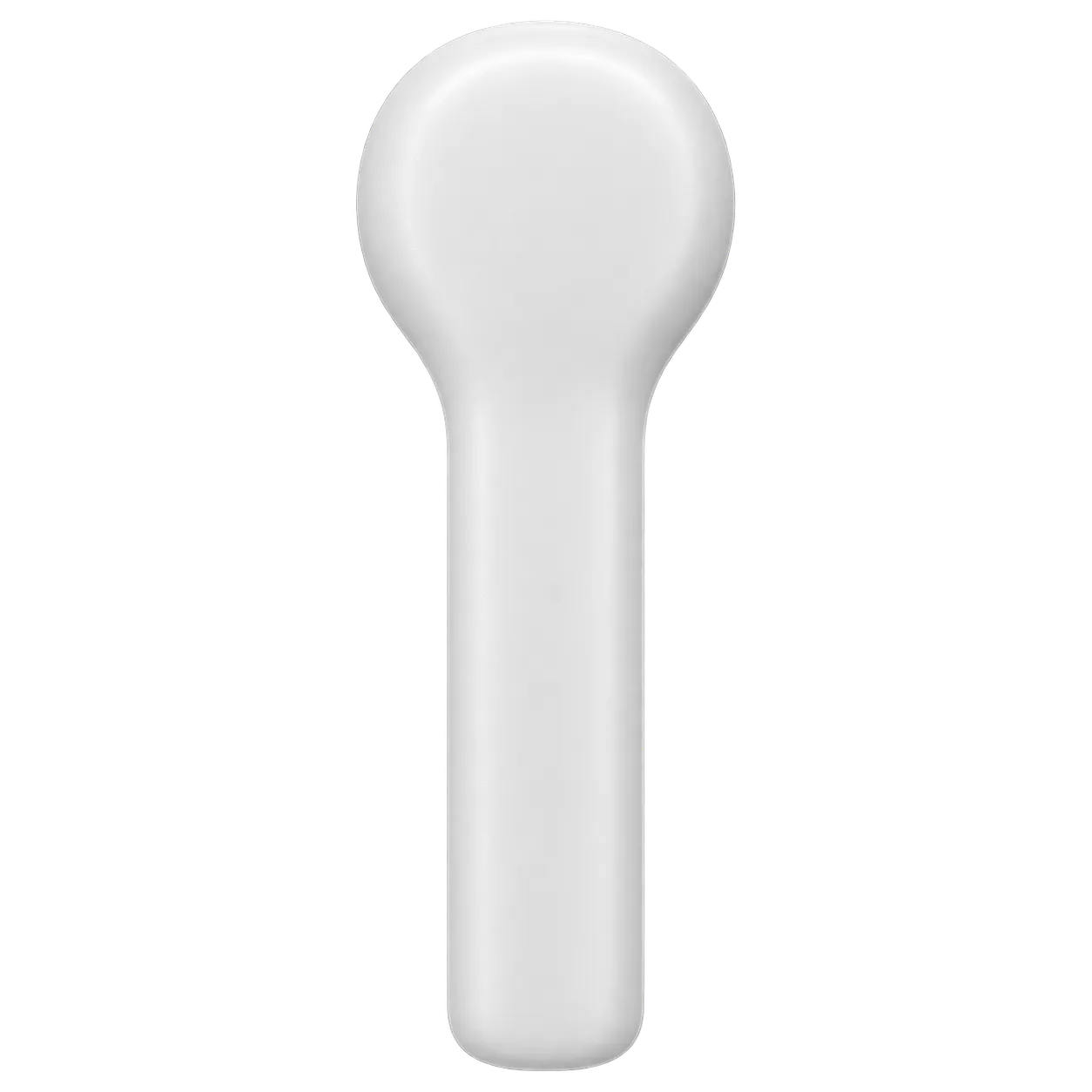
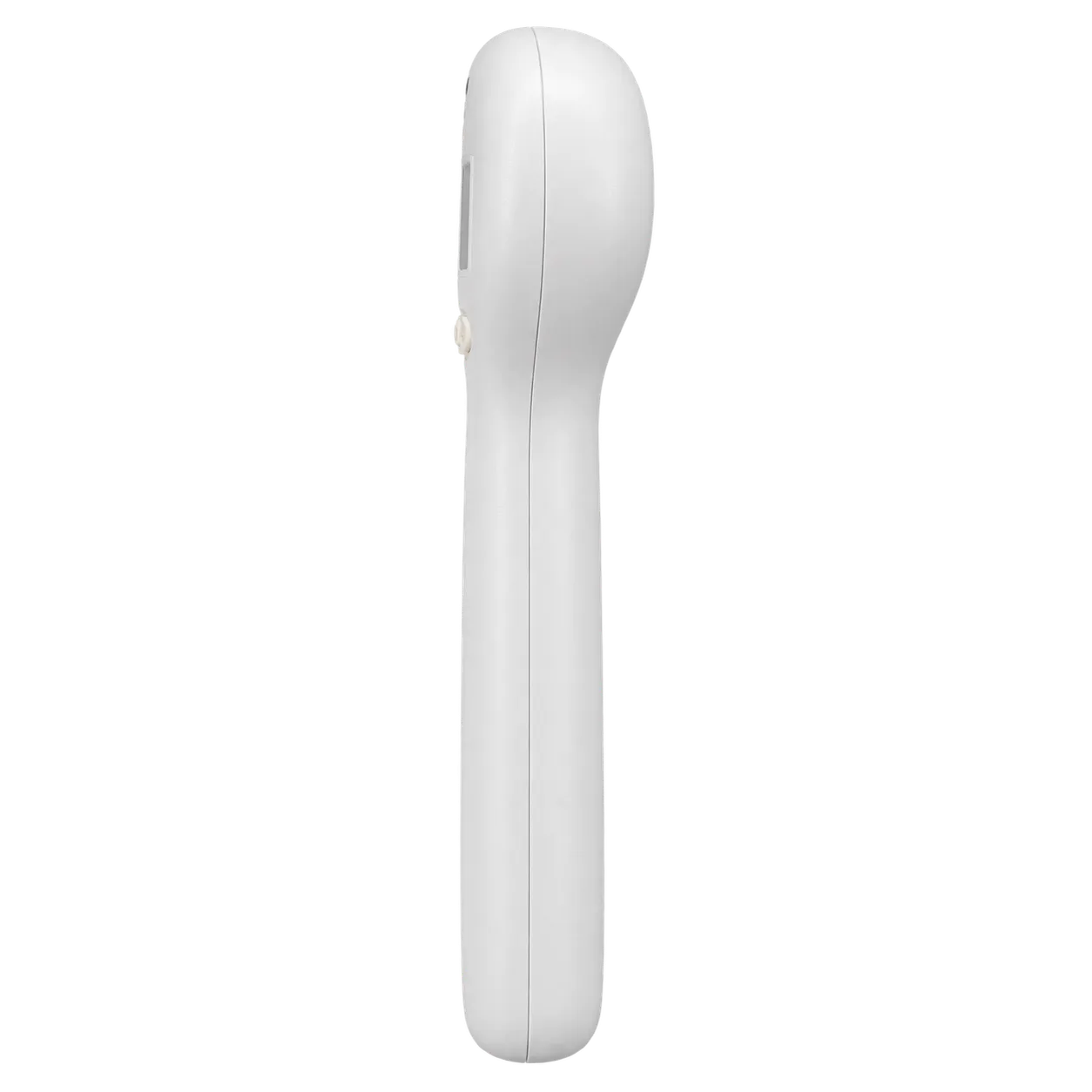
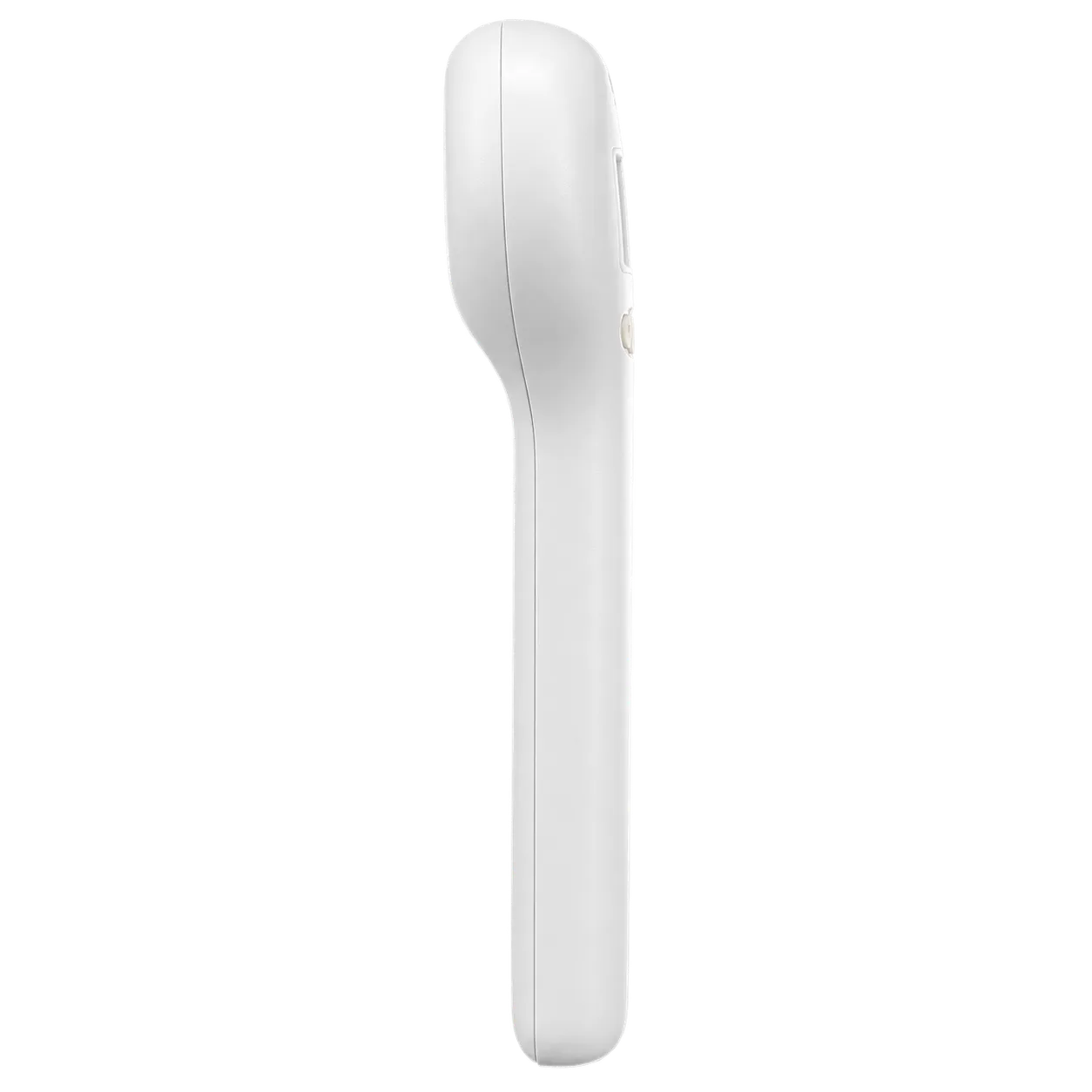
Contact lens practice is the primary setting for keratometry in UK optometry. Corneal curvature readings inform base curve selection at initial fit, and repeat readings during aftercare can reveal lens-induced corneal change — distortion of the measurement or progressive steepening being recognised warning signs. General Optical Council registrants fitting contact lenses depend on that objective baseline, and a handheld instrument makes it available in consulting rooms that cannot accommodate another table-mounted device.
Paediatric work is where the handheld format is genuinely enabling rather than merely convenient. Determining corneal radius in infants and young children who cannot sit at a conventional keratometer is an established indication for handheld instruments, and this one adds a 0.03-second capture and a direct on-screen view of the eye. NHS commissioning of sight testing in special educational settings has expanded the volume of examination carried out away from fixed premises and with patients for whom sustained fixation is not realistic; a handheld, near-instantaneous, non-contact instrument suits that caseload far better than a chin rest.
Hospital eye service and pre-operative settings use keratometry in intraocular lens power calculation before cataract surgery, and a portable instrument allows readings to be taken on the ward or in pre-assessment clinic rather than requiring a trip to a fixed diagnostic room. Bedbound, wheelchair-using and post-operative patients are all reachable in a way they are not with bench equipment.
Domiciliary optometry providers, care home rounds and community screening services form the fourth group. Keratometry is not part of every domiciliary visit, but where contact lens work or corneal assessment is needed the alternative has generally been to defer it. Practices should note the honest limitation alongside these strengths: keratometry samples only the central corneal zone and is markedly less sensitive than topography for detecting keratoconus and other irregularities, so it complements rather than replaces topographic assessment where that is clinically indicated.