
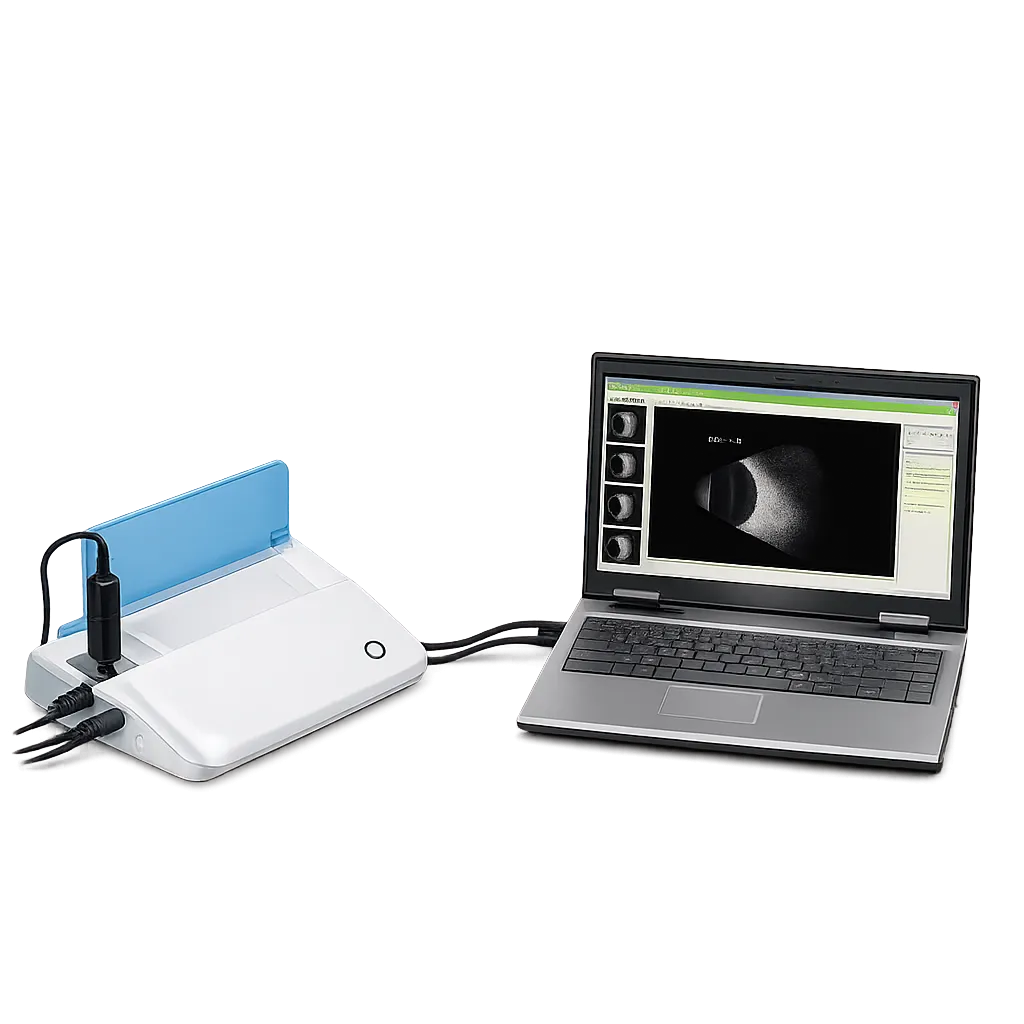
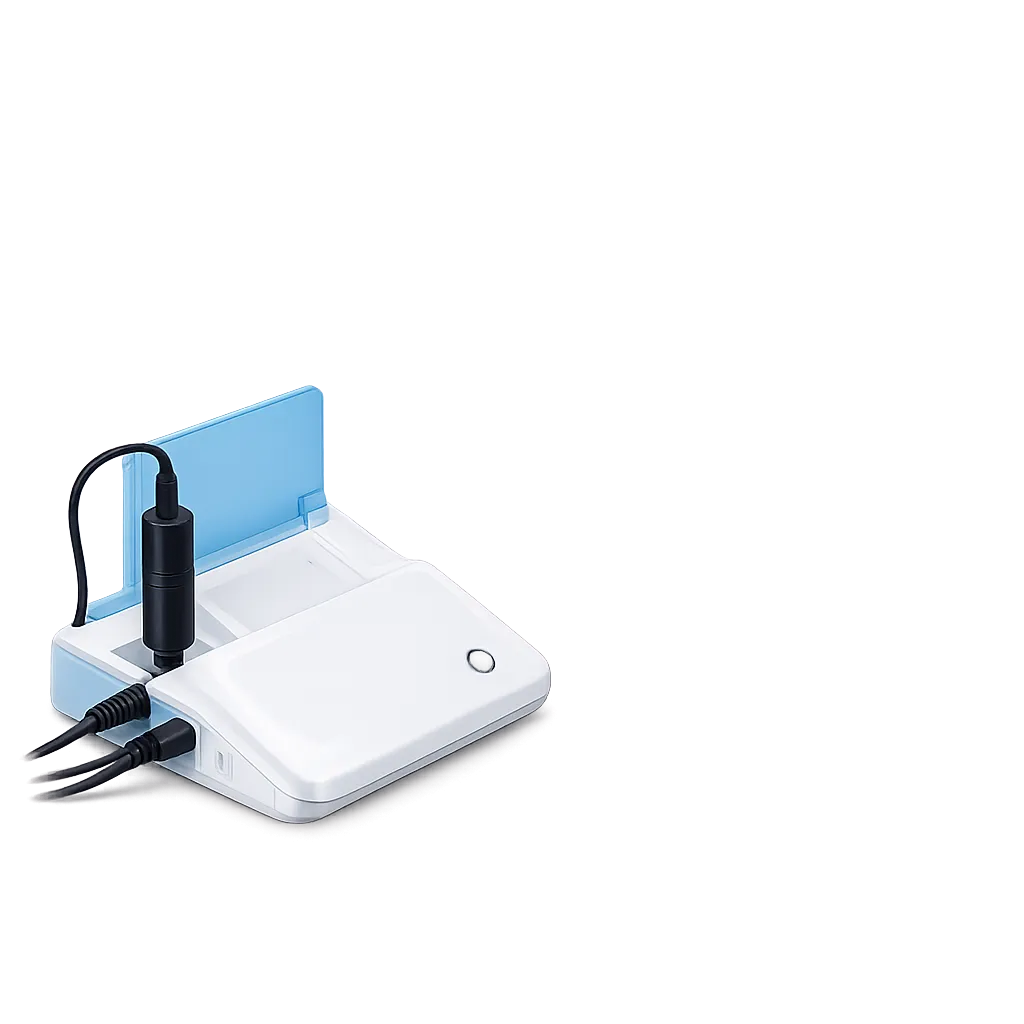
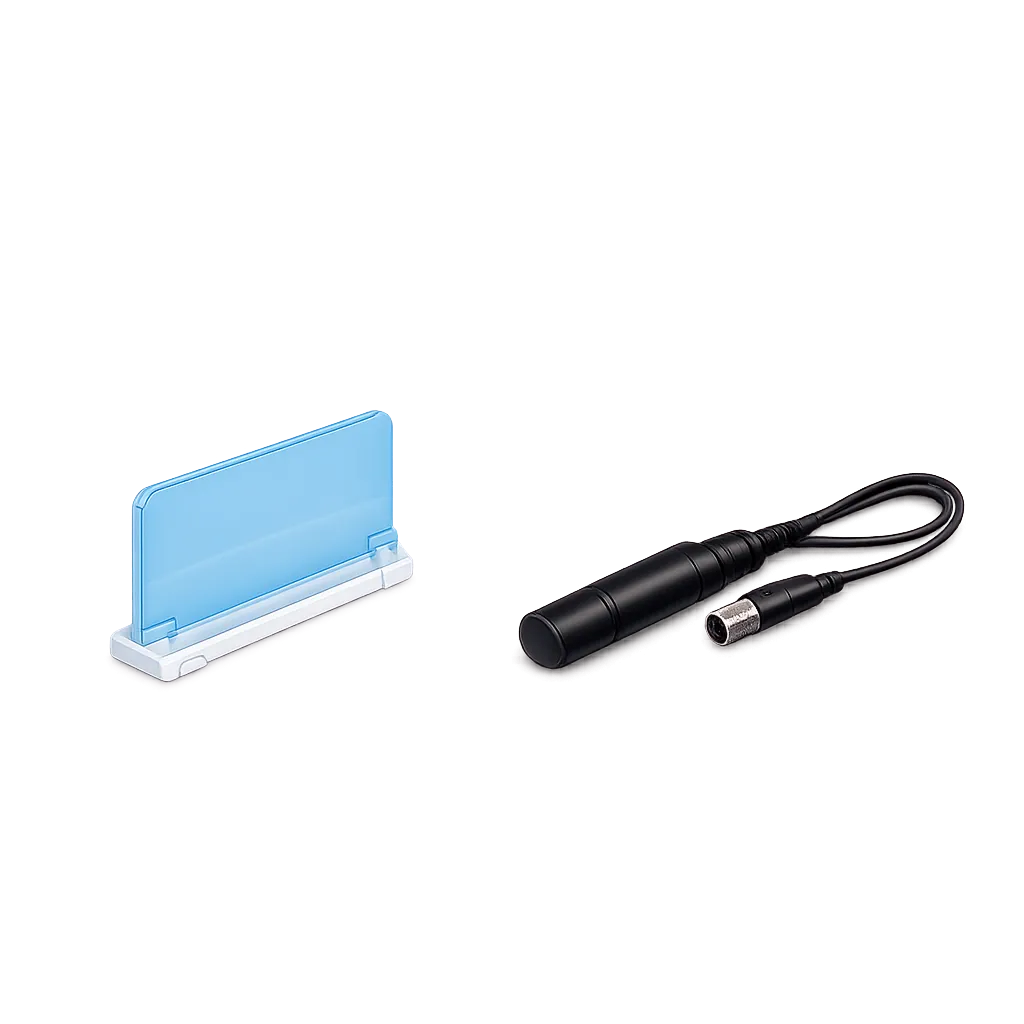
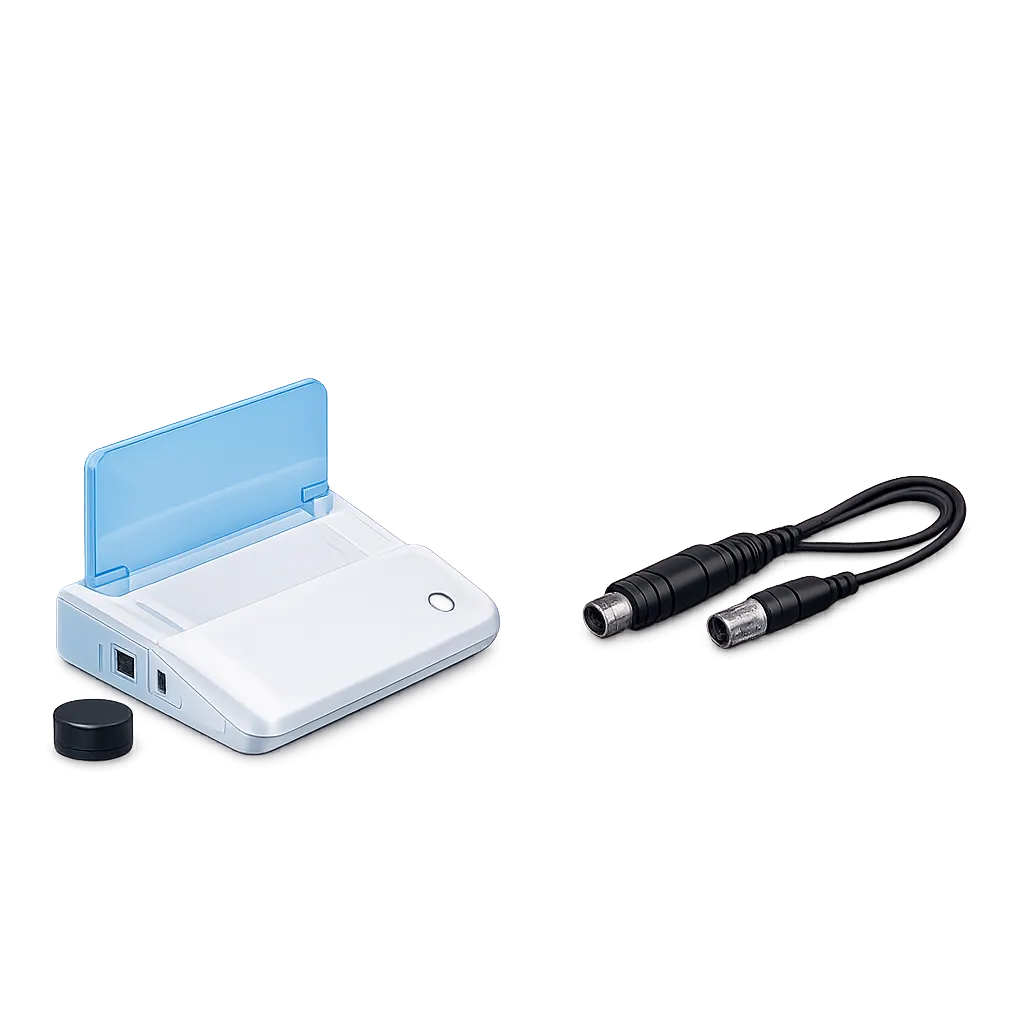
Cataract surgery planning is where the immersion capability earns its place. Contact applanation compresses the cornea and shortens measured axial length, and that error carries into IOL power calculation, which is why immersion is generally regarded as the more accurate technique. A unit supporting both lets a service use contact for routine speed and immersion where the eye or the target refraction makes accuracy critical, without committing to a second instrument. Medigear.uk confirms the provision of the immersion shell and any required consumables before any procurement decision.
Services measuring atypical eyes benefit from individual segment velocities alongside the four examination modes. Dense cataract, aphakic and pseudophakic eyes all depart from the velocity assumptions that suit normal anatomy, and applying a single composite figure introduces error precisely where precision matters. Setting velocity per segment addresses that directly, and the benefit grows the further an eye departs from typical dimensions.
Practices where several people take biometry gain from slit lamp mounting, which stabilises the probe and improves alignment repeatability. Between-operator variation is a recognised source of inconsistency in biometry, and mounted acquisition reduces it. That matters most in a service where measurements are taken by whoever is available, rather than by a single designated operator. Medigear.uk confirms slit lamp compatibility with the instruments a practice already owns.
Ophthalmology clinics use B-scan where the fundus cannot be viewed directly, and an optional 20 MHz probe extends the system toward anterior segment work where higher resolution matters more than penetration. Detailed B-scan parameters are confirmed for the specific build rather than taken from listings under another brand, and all image interpretation remains with the practitioner.