
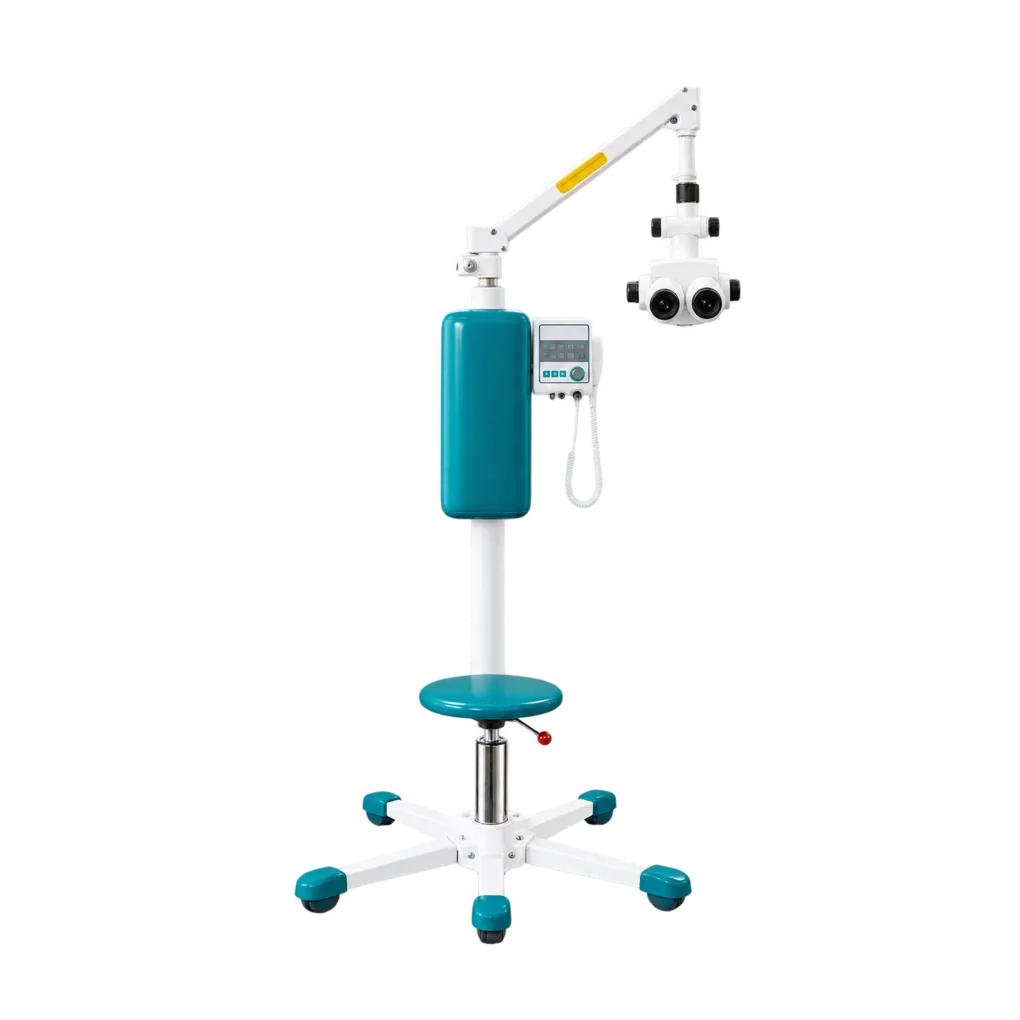
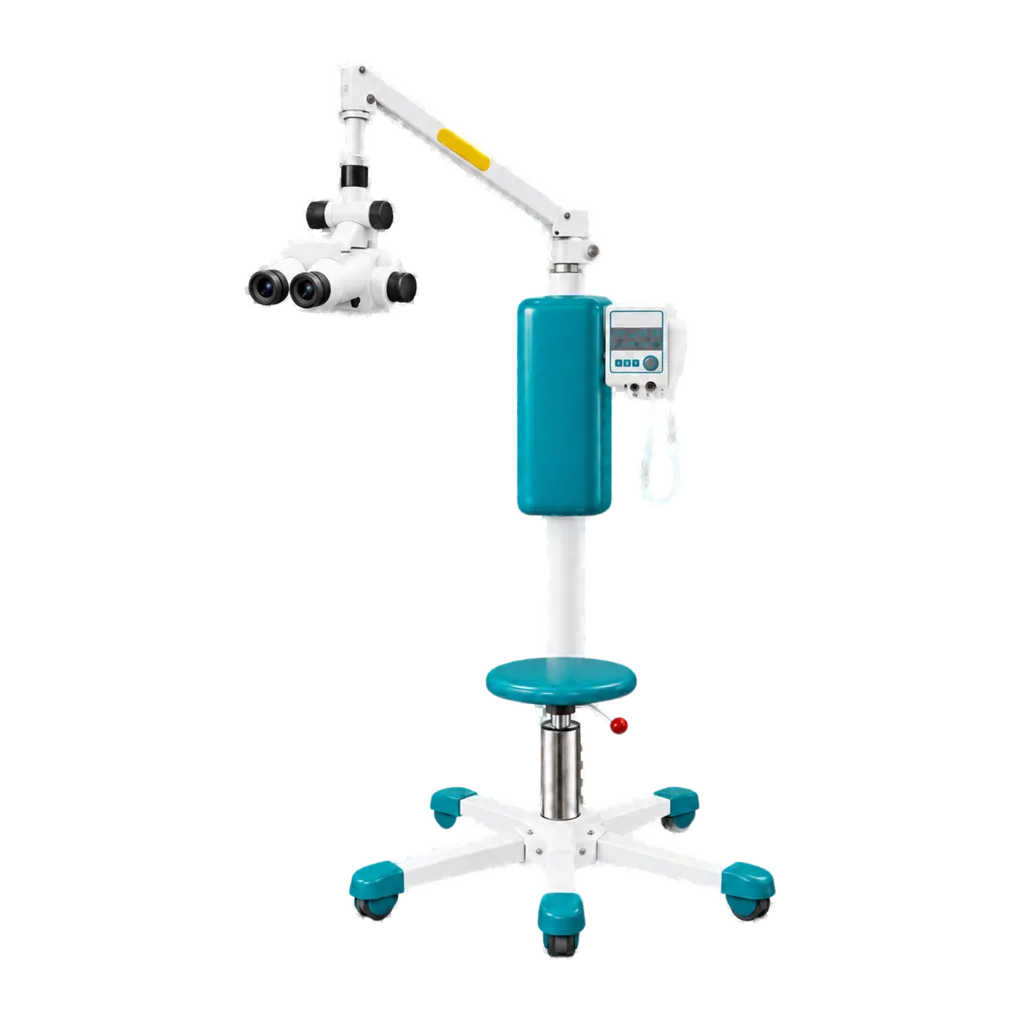
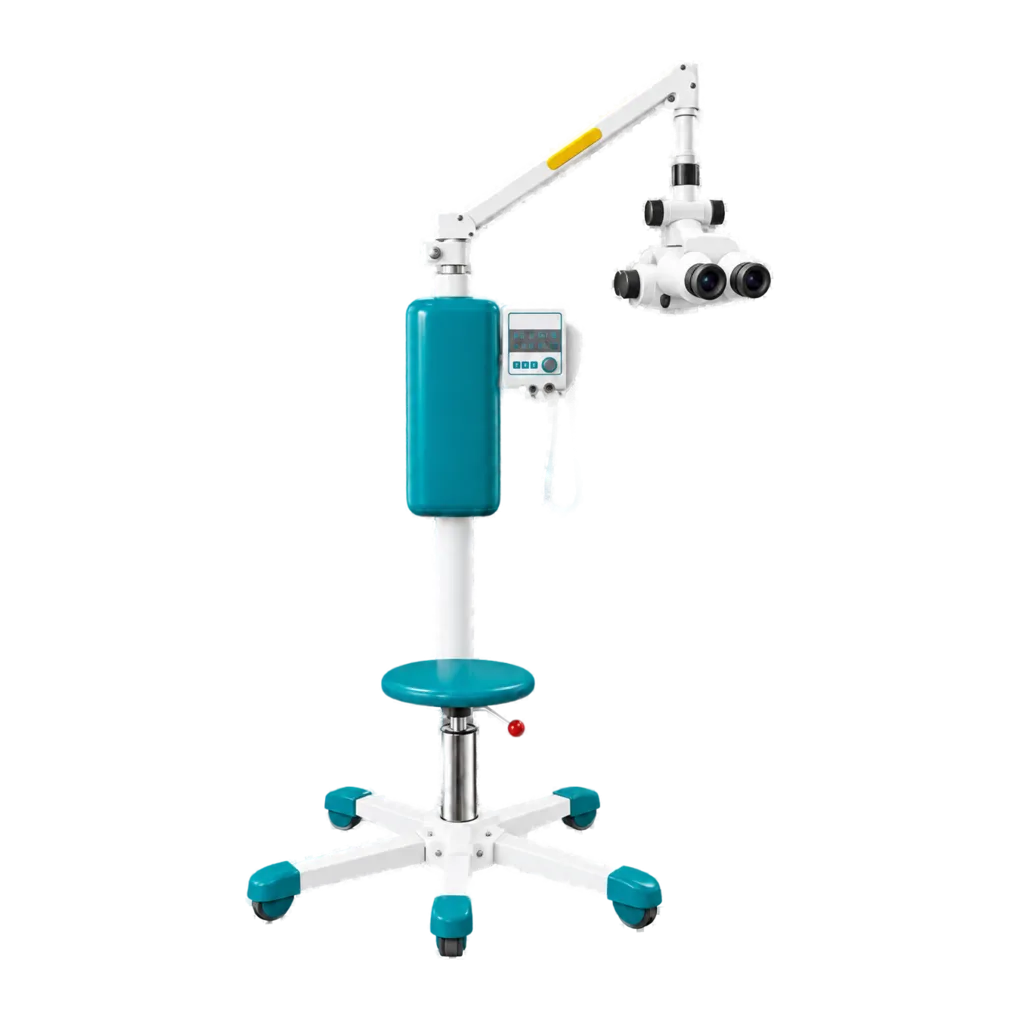
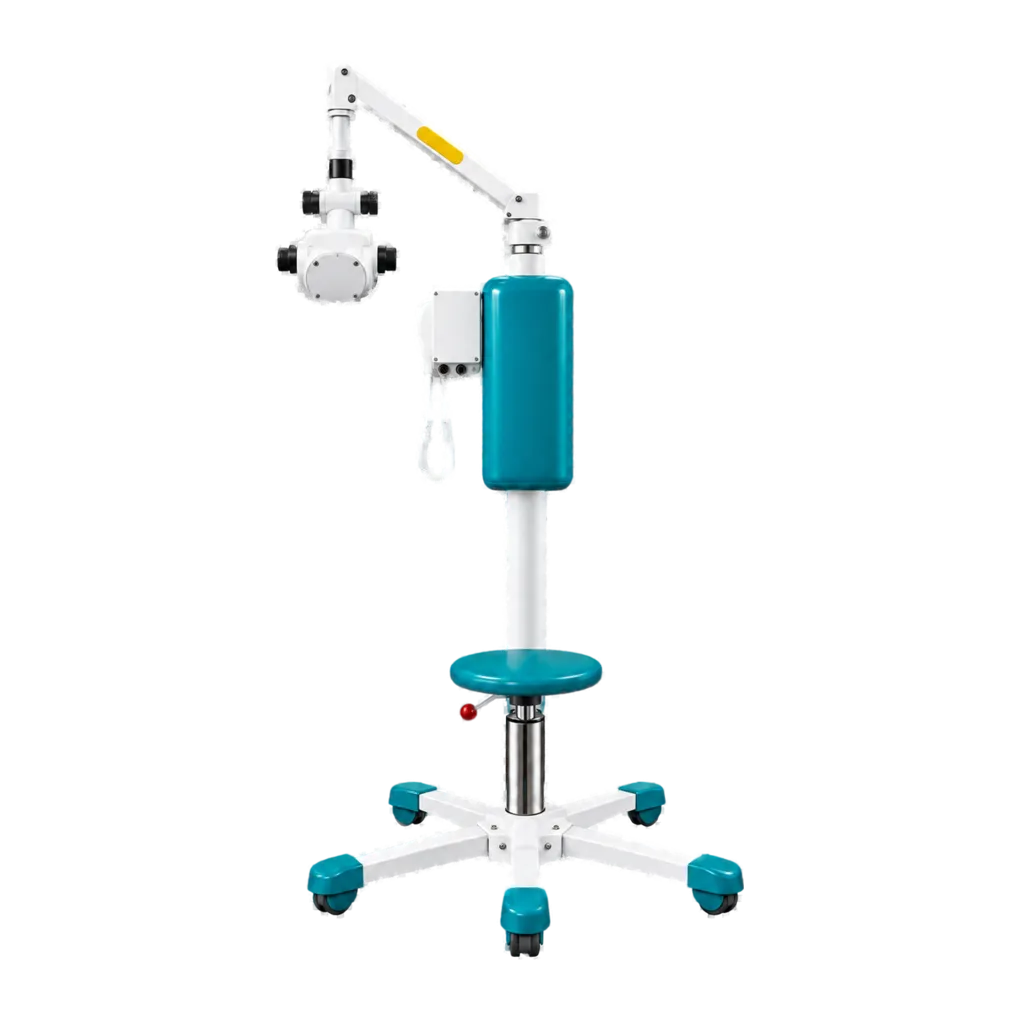
Intraoral radiography carries the diagnostic load in UK general dentistry, and a column-mounted unit is the fixed-position answer to it. The SJD-C09 supports bitewing caries detection, periapical assessment of pathology, endodontic working-length and obturation verification, alveolar bone-level review, and root morphology assessment ahead of extraction.
The mounted format shapes how it fits a practice. A tube head on an articulated arm returns to a known position each time, which suits a surgery taking radiographs through the day at a consistent working distance. The separate control panel lets the operator stand well clear of the tube for every exposure, which is the most effective dose control available and is built into the format rather than bolted on.
Output at 8 mA supports short exposures on the standard configuration, which helps with patients who find receptors difficult to tolerate and with paediatric work where holding still is the limiting factor.
The focus question bears directly on case selection. Practices whose radiographic work centres on caries detection, endodontic length verification and fine periapical detail should weigh the standard 1.5 mm focal spot carefully with their Medical Physics Expert, and consider whether the optional finer focus is worth the longer exposures it implies. Practices using radiographs mainly for gross assessment and bone-level review will find the standard configuration less constraining.
Room requirements are the practical difference from carried equipment. Controlled area designation, wall construction, adjacent occupancy and operator position all form part of the Radiation Protection Adviser's assessment for a fixed installation, and that work belongs before installation rather than after.
Guidance from the College of General Dentistry and UKHSA Dental X-ray Protection Services remains the reference point UK practices work to, alongside HSE enforcement of IRR17.