
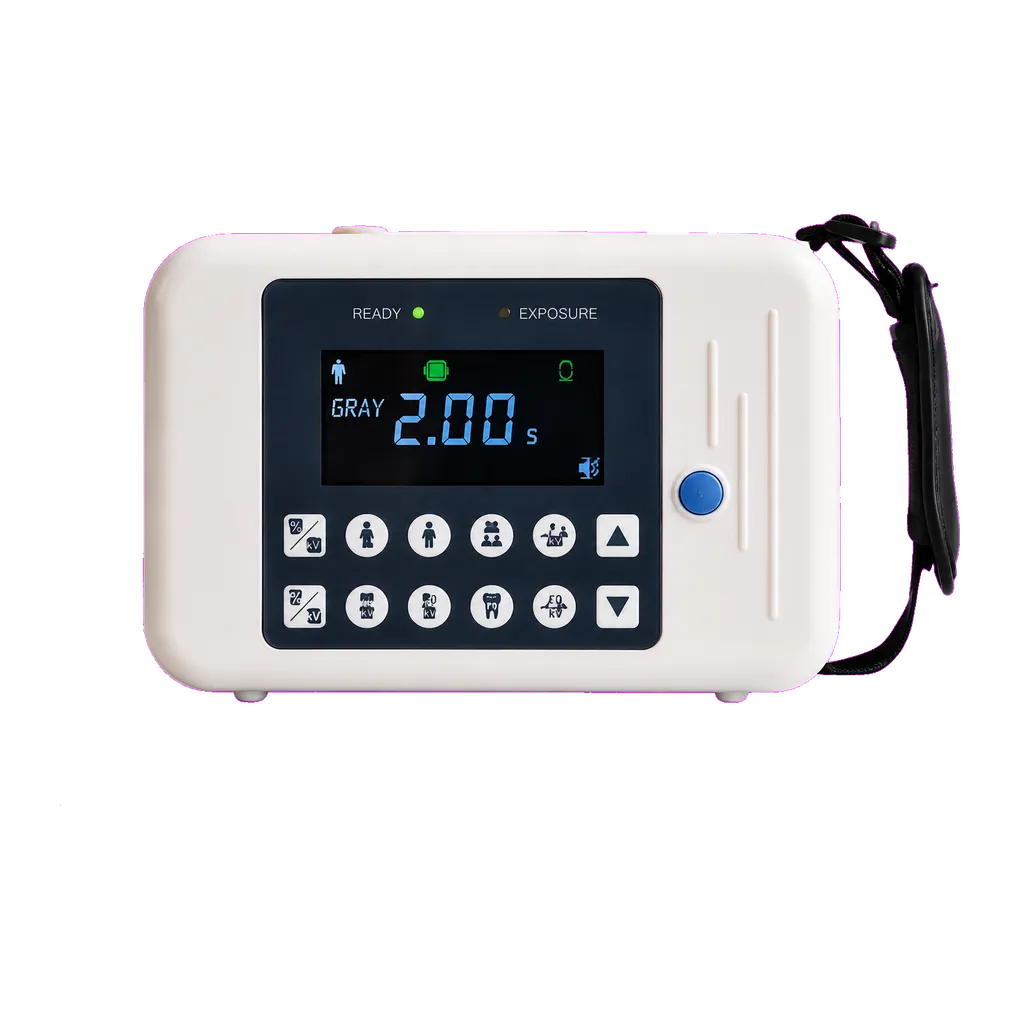
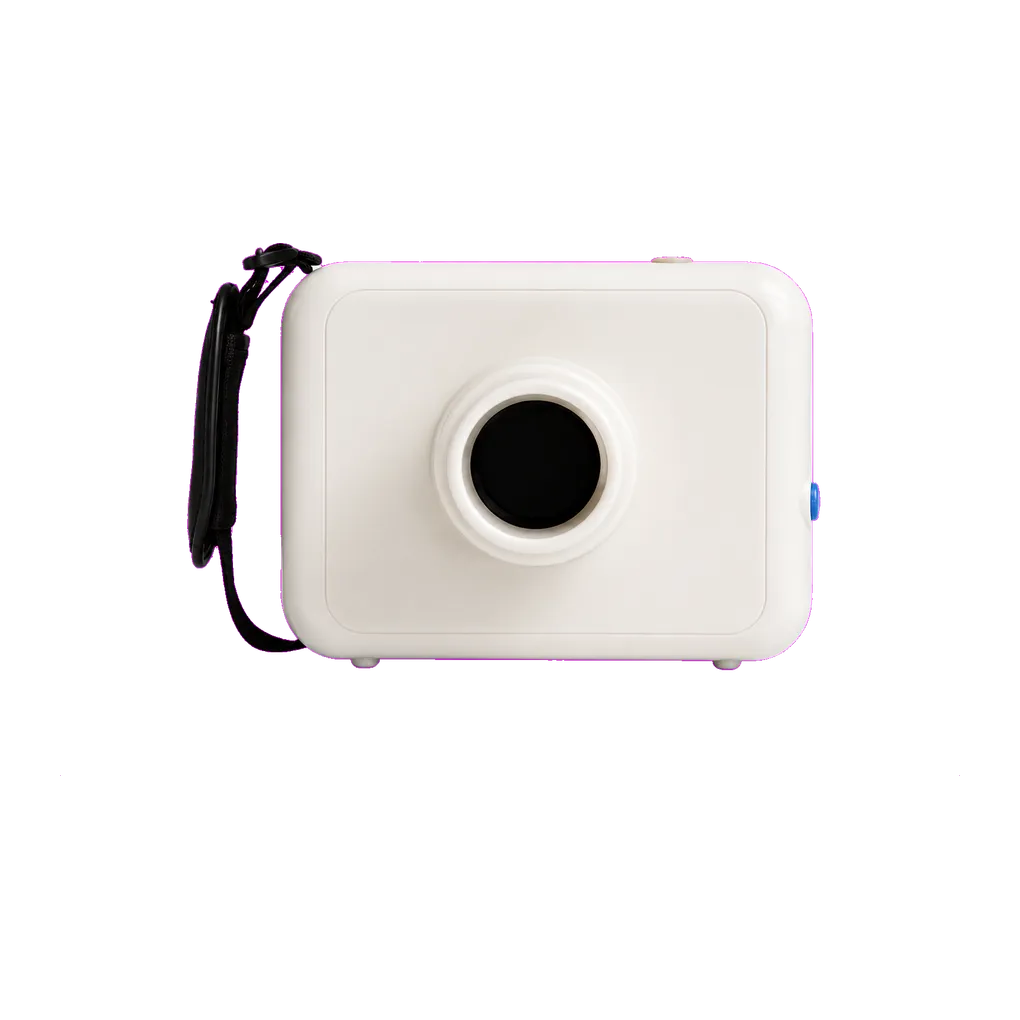
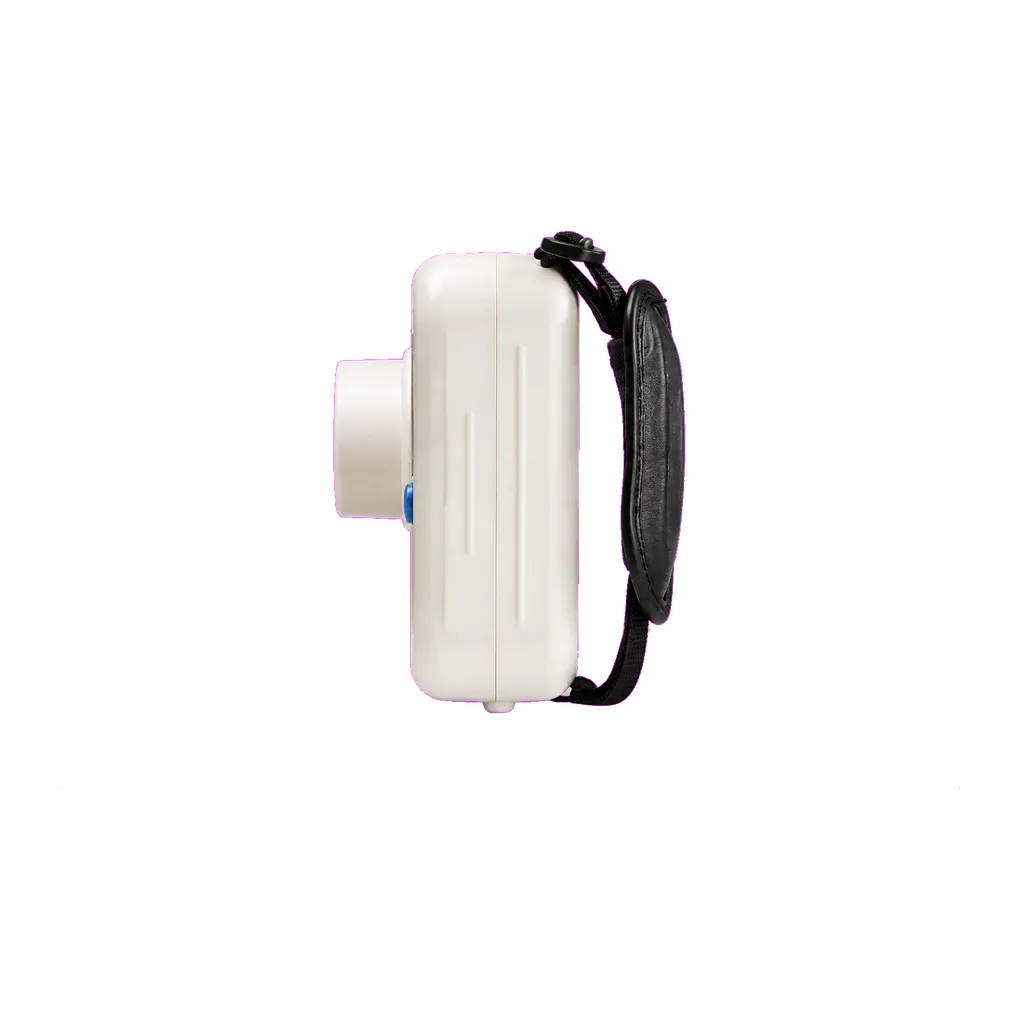
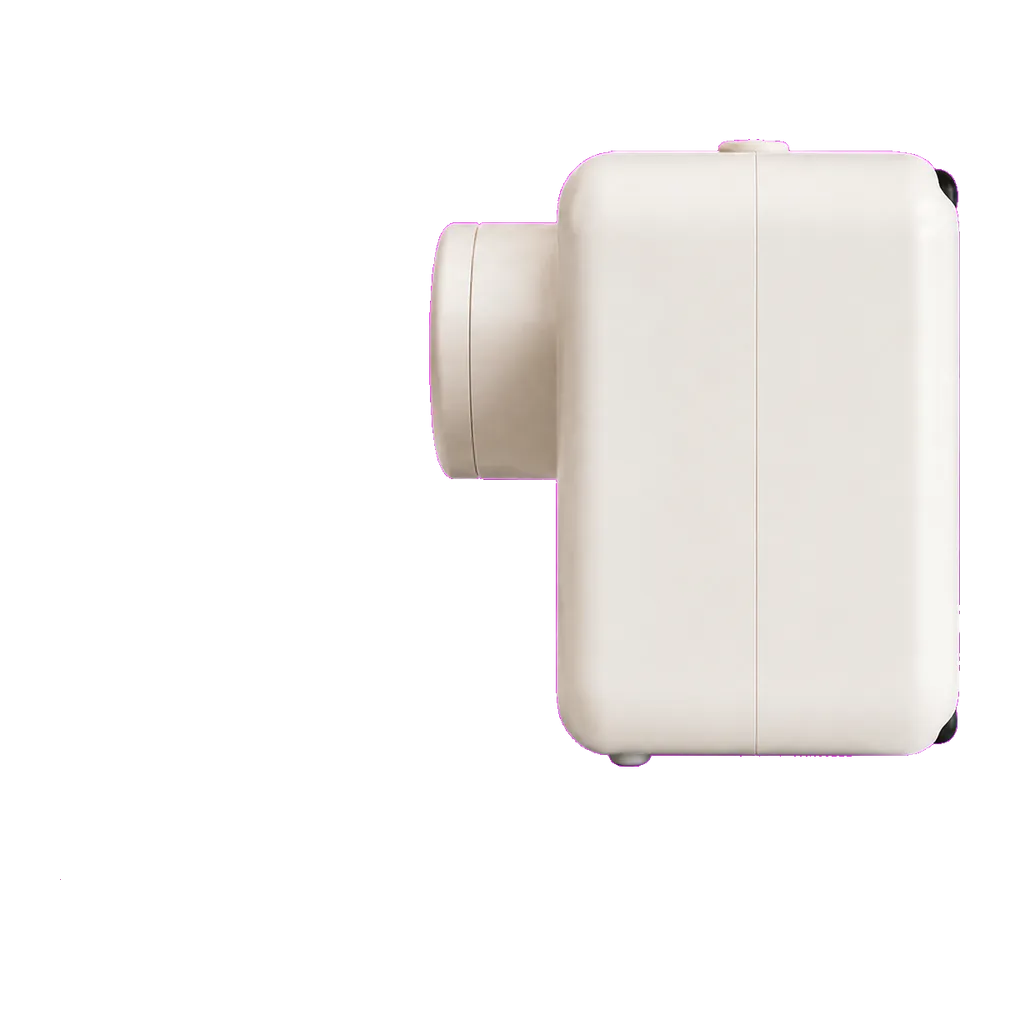
Intraoral radiography carries the diagnostic load in UK general dentistry, and the SJD-321 is configured for that daily volume. It supports bitewing caries detection, periapical assessment of pathology, endodontic length verification, alveolar bone-level review and root morphology assessment ahead of extraction.
Access is the distinguishing application. Wheelchair users, patients with limited mobility, painful joints, spinal conditions or profound frailty can be radiographed where they sit, which removes a transfer from the appointment. UK service providers must make reasonable adjustments for disabled people under the Equality Act 2010, and equipment that takes a transfer out of the pathway contributes to that obligation in a concrete way. Special care dentistry, community dental services and domiciliary rounds all work with this population daily.
Gag reflex management is a second fit, with a specific mechanism behind it. Gagging is provoked by receptor contact in the posterior palate and floor of mouth, and tolerance depends partly on how long the receptor stays there. A 0.1-second timing floor keeps the exposure brief and shortens the episode, though placement technique, receptor selection, positioning and distraction remain the substantial part of managing it.
Anxious patients benefit for a related reason. A movement-blurred image means a repeat, and a repeat is often precisely what an anxious patient fears, so a short exposure works in their favour. Behavioural and communication techniques remain what actually manages dental anxiety.
None of this alters radiation protection. Operator position, distance and shielding are set by the Radiation Protection Adviser's assessment, and local rules should already state who provides physical support during an exposure and under what protection.
Guidance from the College of General Dentistry and UKHSA Dental X-ray Protection Services remains the reference point UK practices work to, alongside HSE enforcement of IRR17.