
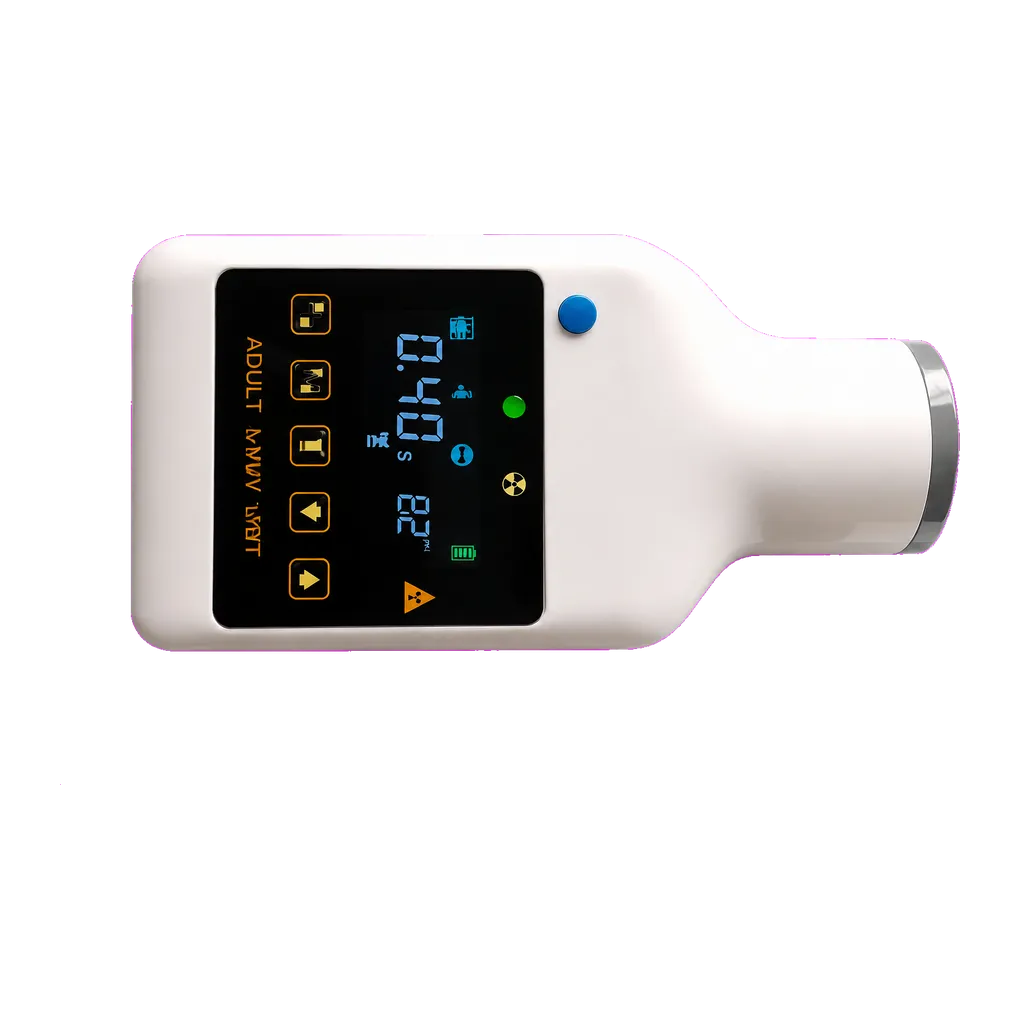
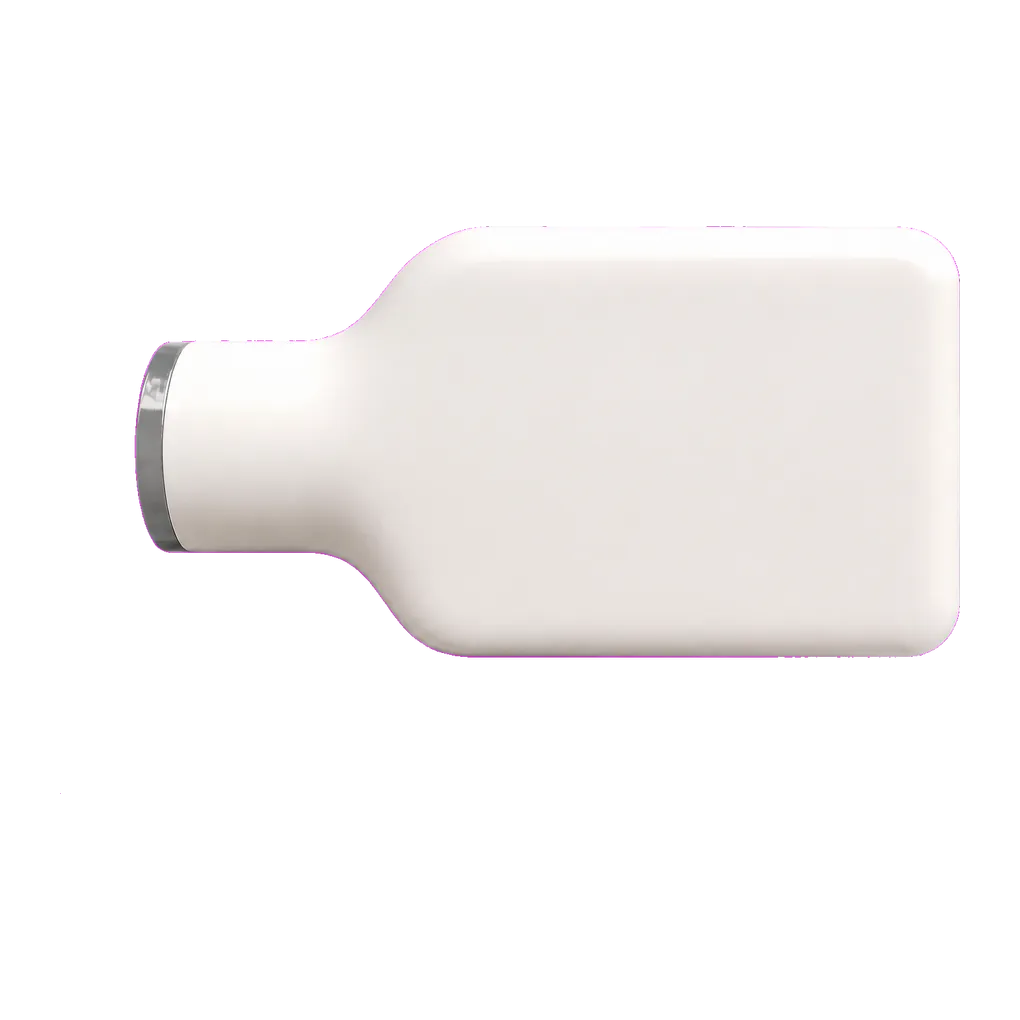
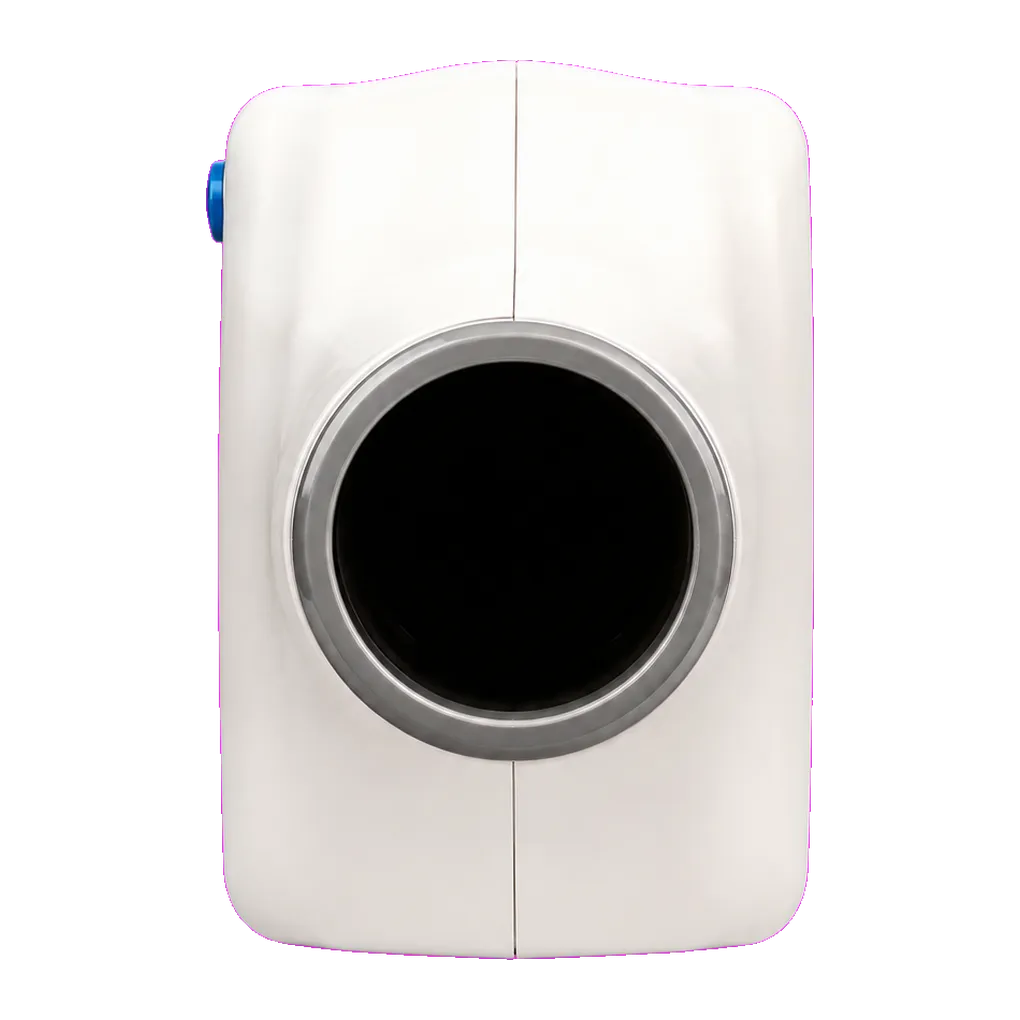
Intraoral radiography carries the diagnostic load in UK general dentistry, and the SJD-251 is configured for that daily volume. It supports bitewing caries detection, periapical assessment of pathology, endodontic working-length and obturation verification, alveolar bone-level review, and root morphology assessment ahead of extraction.
Teaching and training settings are the clearest fit. Dental schools, foundation training practices, community dental services and corporate groups all bring operators through supervised radiographic practice — foundation dentists, new associates, therapists and dental nurses working towards a radiography certificate. Positioning is the part of that training with the weakest feedback loop, and an objective tilt figure gives the trainer and trainee a shared reference during the exposure instead of afterwards.
Multi-operator practices benefit for a related reason. Where several clinicians and nurses share one unit, technique drifts, and image quality audits become hard to attribute. A common numeric reference gives the team something concrete to discuss when audit findings point at angulation.
Reproducibility work applies throughout general practice. Returning to a known geometry for a review radiograph, or shifting the tube by a measured amount for a second localisation view during orthodontic assessment, both become measured actions.
Community dental services and special care teams need equipment one clinician can carry. At 1.7 kg, the unit travels easily, though the modest published battery capacity, alongside the standby draw of a large backlit panel, makes spare pack availability worth settling before a domiciliary round or a training session, with off-site radiation protection arrangements agreed with the RPA in advance.
Guidance from the College of General Dentistry and UKHSA Dental X-ray Protection Services remains the reference point UK practices work to, alongside HSE enforcement of IRR17.