
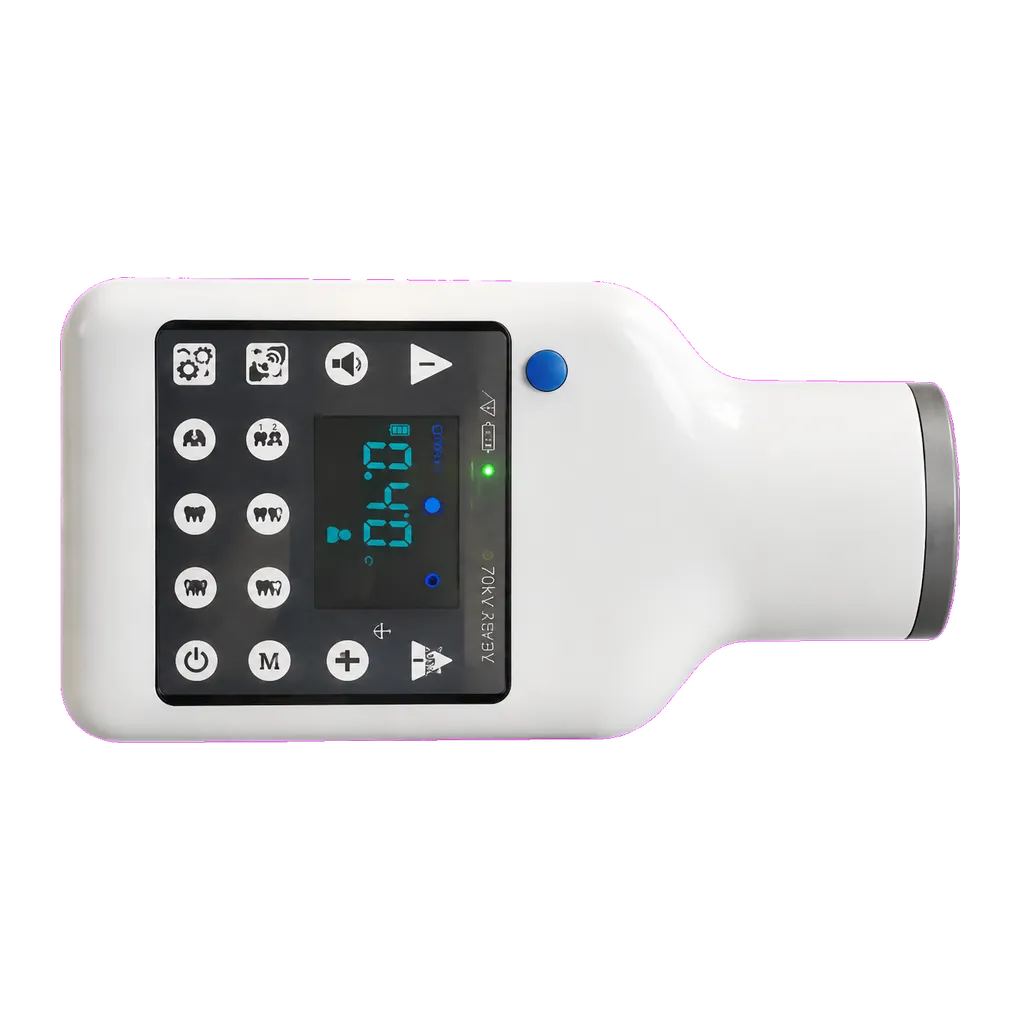
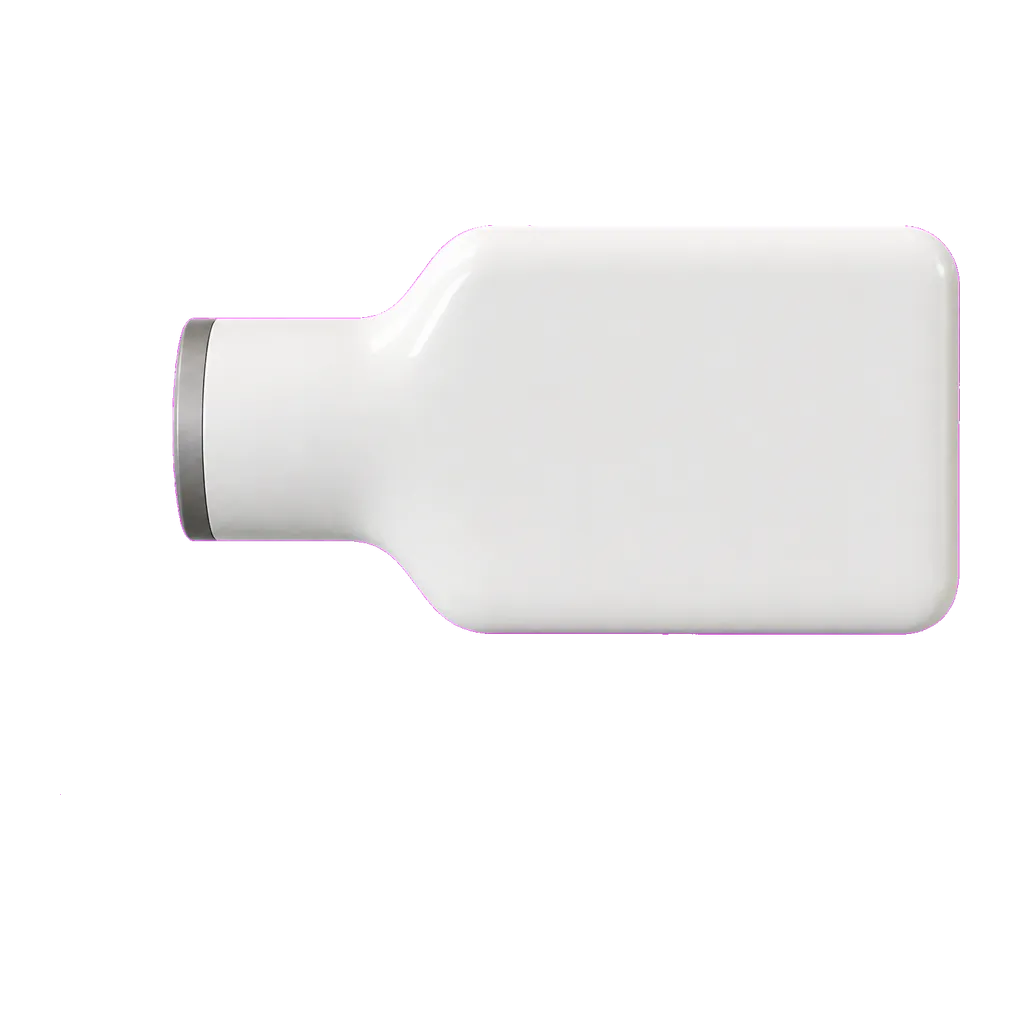
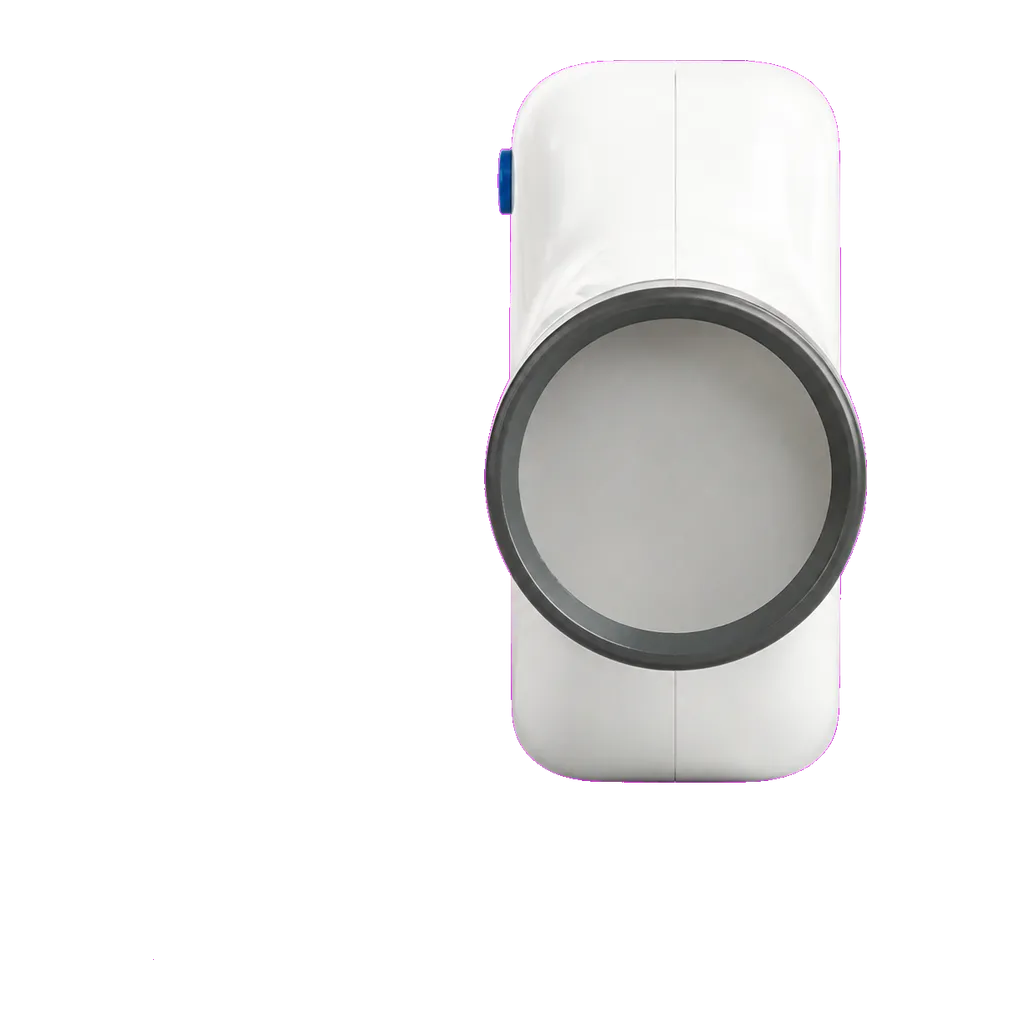
Intraoral radiography carries the diagnostic load in UK general dentistry, and the SJD-212 is configured for that daily volume. It supports bitewing caries detection, periapical assessment of pathology, endodontic working-length and obturation verification, alveolar bone-level review, and root morphology assessment ahead of extraction.
Paediatric and mixed dentition work is a clear fit. Anterior periapicals show retained deciduous teeth, delayed or ectopic eruption, supernumeraries such as a mesiodens, and the stage of developing successors. Those findings decide whether a child is monitored at recall, referred for extraction of a retained primary tooth, or referred to orthodontics. Community dental services carry much of that caseload, and reduced exposure factors for smaller patients belong in the protocol set agreed with a Medical Physics Expert.
Hygienist-led periodontal care uses bitewing and periapical views to show interproximal calculus deposits and alveolar bone levels following BPE screening. Radiographs read interproximal surfaces well and buccal or lingual deposits poorly, so they supplement probing and charting rather than standing in for them.
Endodontic practice makes heavy use of periapical views, with a single root canal treatment often needing a diagnostic film, a working-length film, a master cone check and a post-obturation view.
Community teams need equipment one clinician can carry. At 1.7 kg, the unit travels easily, though the modest published battery capacity makes spare pack availability worth settling before a domiciliary round or a screening session, with off-site radiation protection arrangements agreed with the RPA in advance.
Guidance from the College of General Dentistry and UKHSA Dental X-ray Protection Services remains the reference point UK practices work to, alongside HSE enforcement of IRR17.