
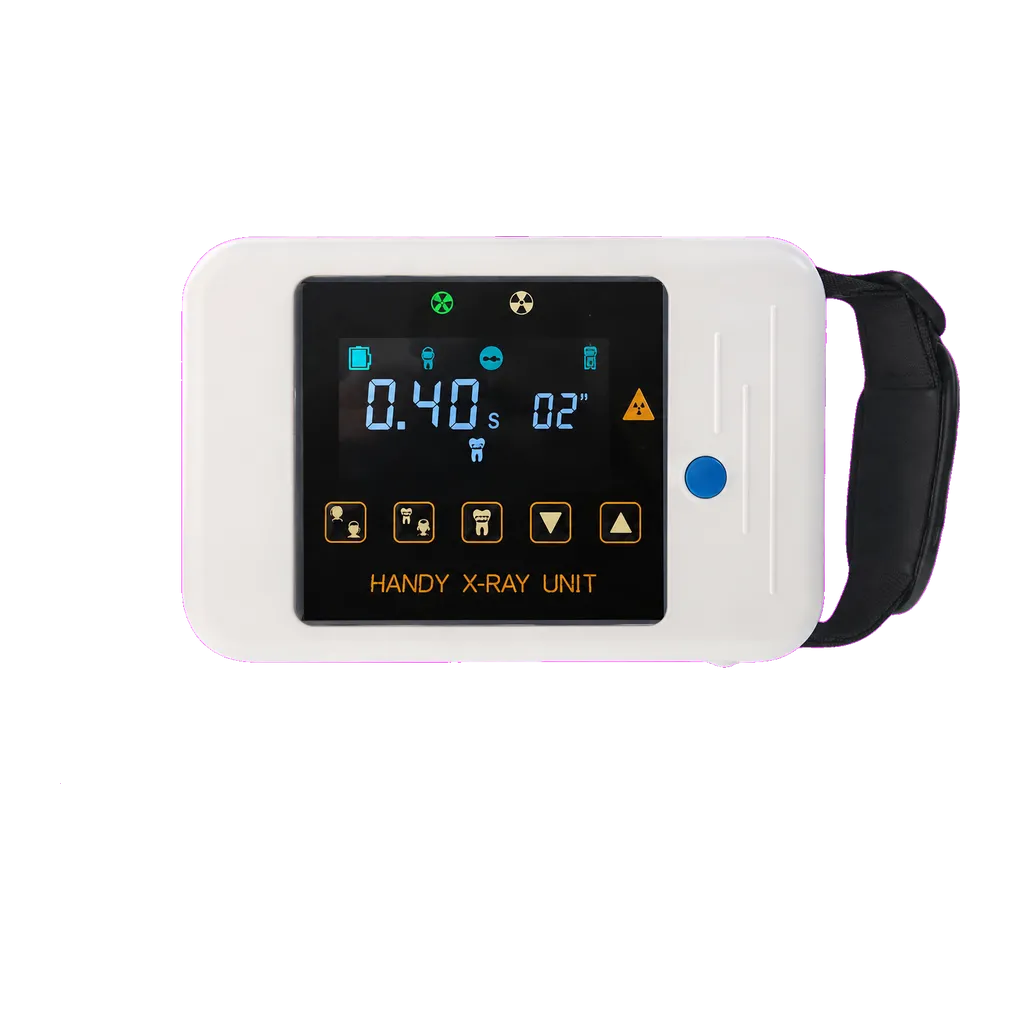
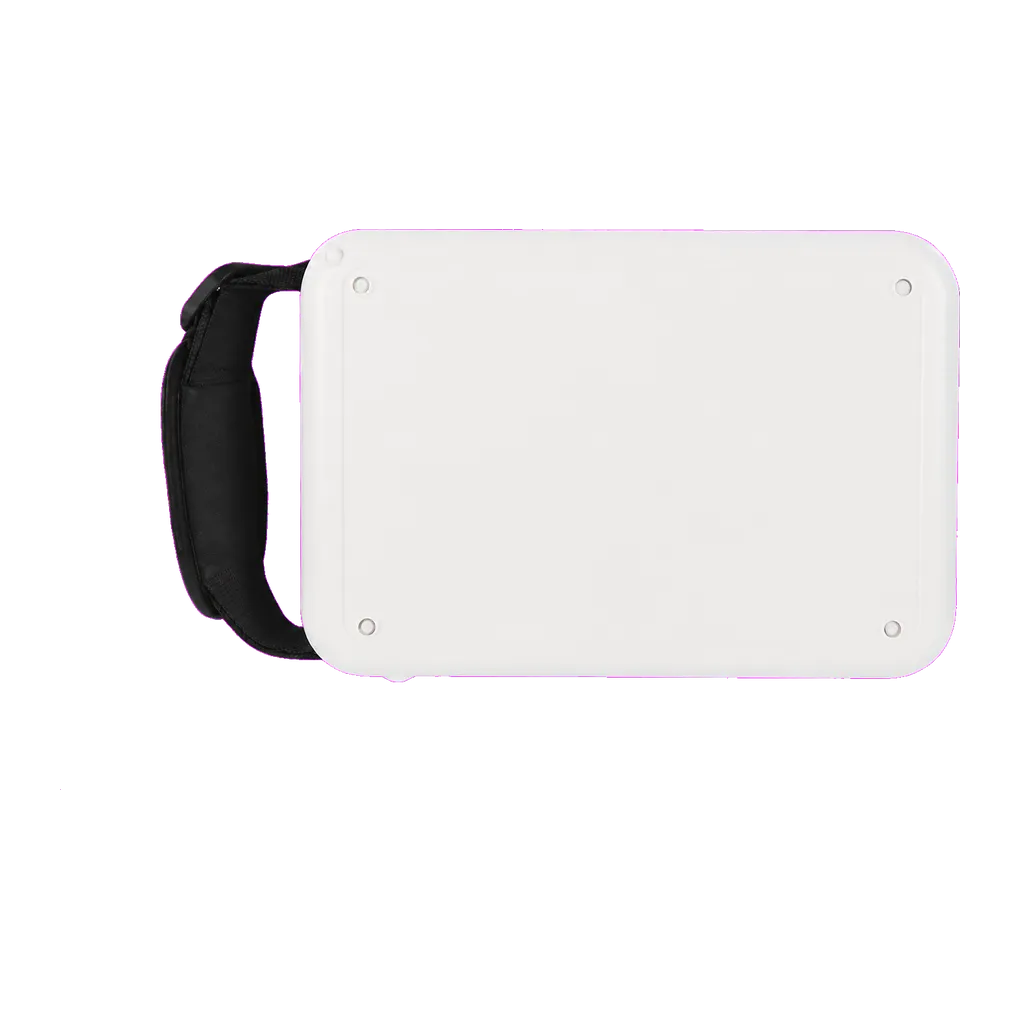
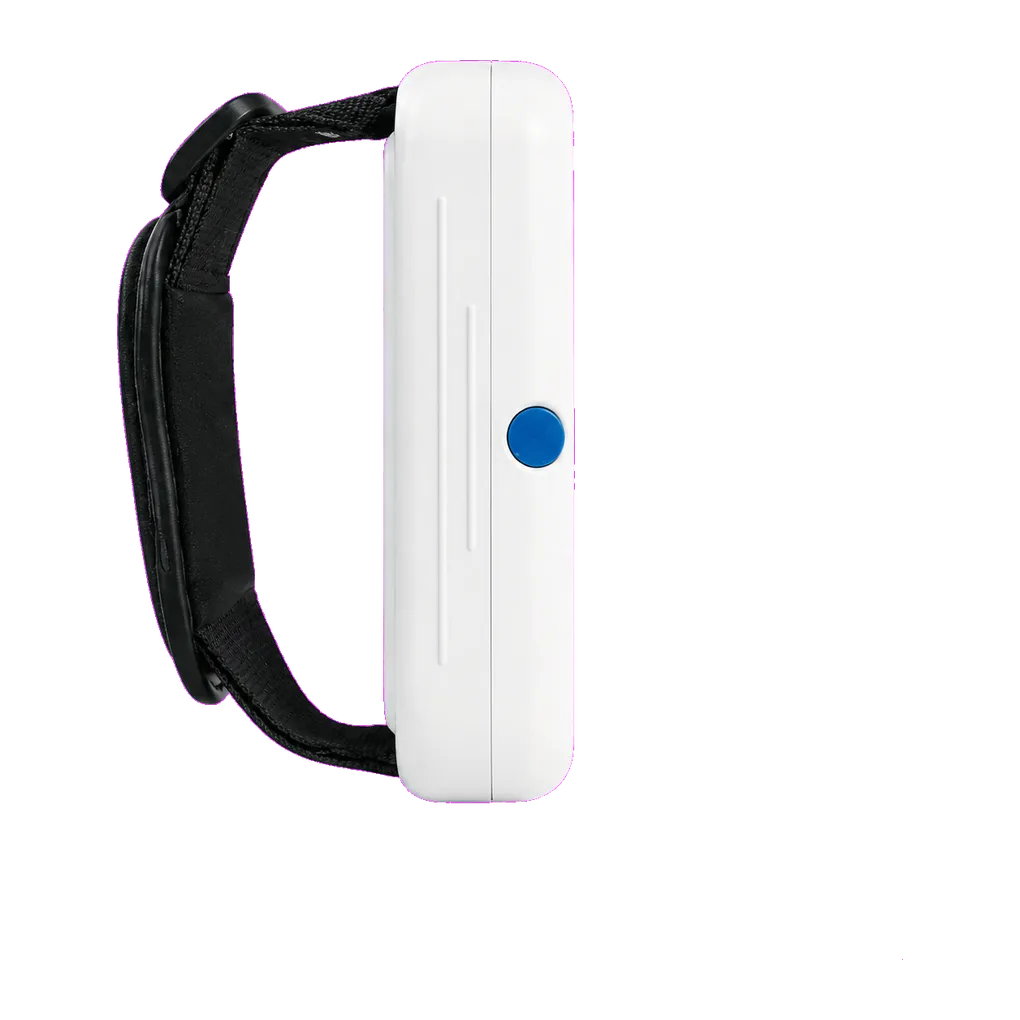
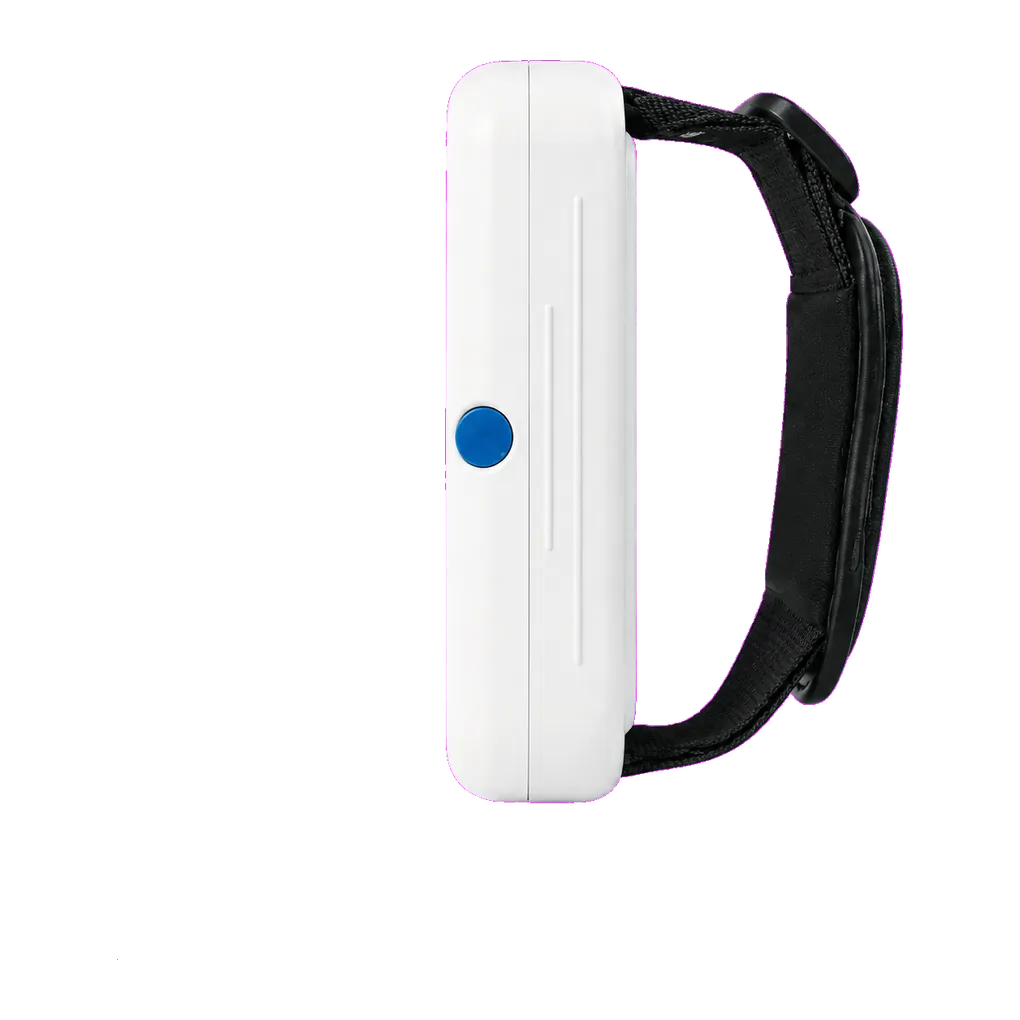
Intraoral radiography carries the diagnostic load in UK general dentistry, and the SJD-151 is configured for that daily volume. It supports bitewing caries detection, periapical assessment of pathology, endodontic working-length and obturation verification, alveolar bone-level review, and root morphology assessment ahead of extraction.
Endodontics is where reproducible geometry pays most directly. A working-length film is measured, and a foreshortened or elongated root introduces error into that measurement. Across the four or more views a single root canal treatment typically requires, applying a consistent, recorded angulation keeps the sequence comparable from diagnostic film through to post-obturation check.
Orthodontic practice uses parallax localisation to establish whether an unerupted canine lies palatally or buccally, which depends on shifting the tube by a known amount between two exposures and reading how the tooth appears to move. Serial monitoring of root resorption through active treatment depends on the opposite requirement — reproducing the earlier geometry rather than changing it. A recordable tilt figure supports both.
Periodontal practice depends on serial comparison of alveolar bone levels across recall visits, where a shift in geometry can read as a change in bone height. Consistent angulation makes that comparison meaningful, and where several operators share one unit, a recorded angle gives them a common reference.
Community dental services and special care teams need equipment one clinician can carry. At 1.7 kg the unit travels easily, though the modest published battery capacity, alongside the standby draw of a large backlit panel, makes spare pack availability worth settling before a domiciliary round, with off-site radiation protection arrangements agreed with the RPA in advance.
Guidance from the College of General Dentistry and UKHSA Dental X-ray Protection Services remains the reference point UK practices work to, alongside HSE enforcement of IRR17.