
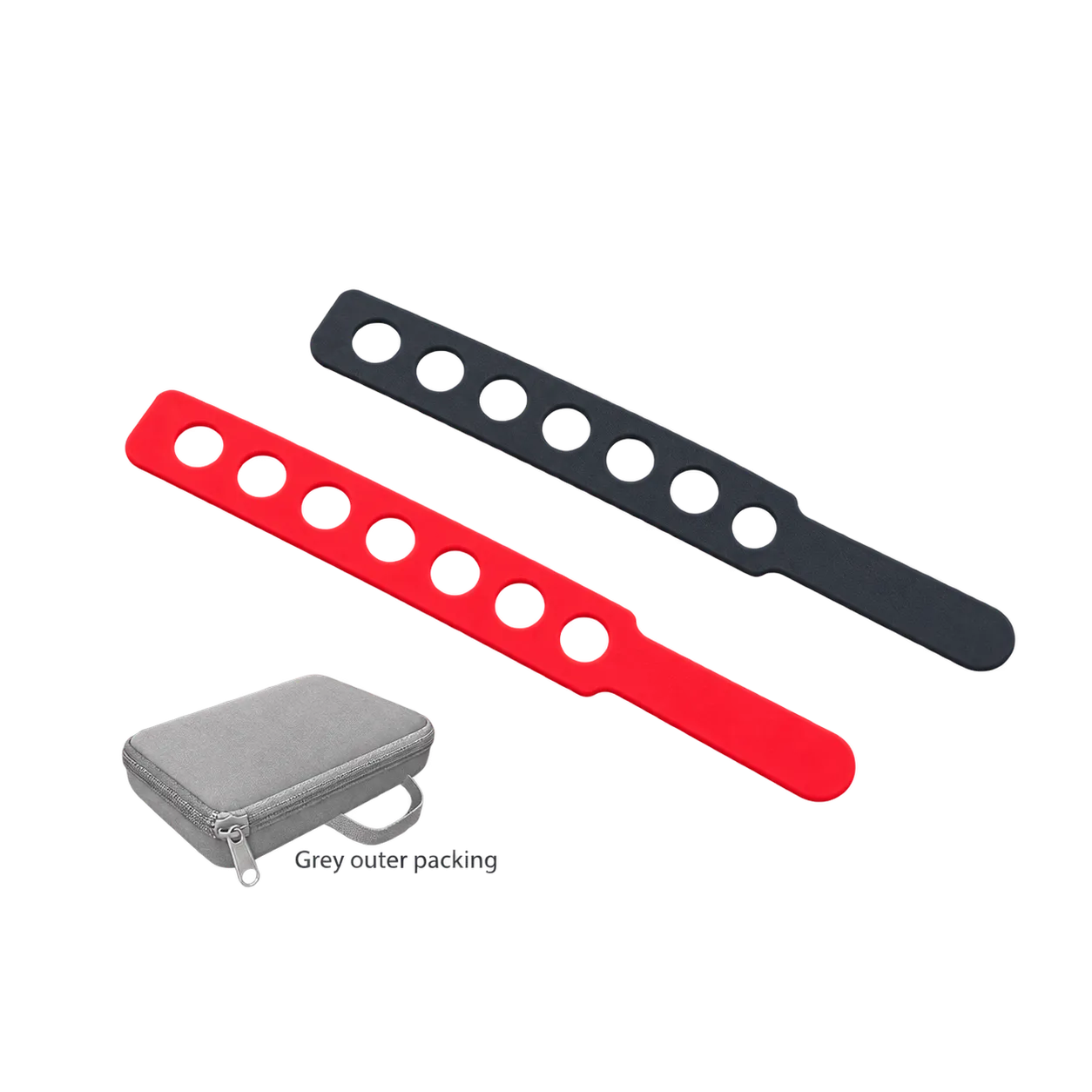
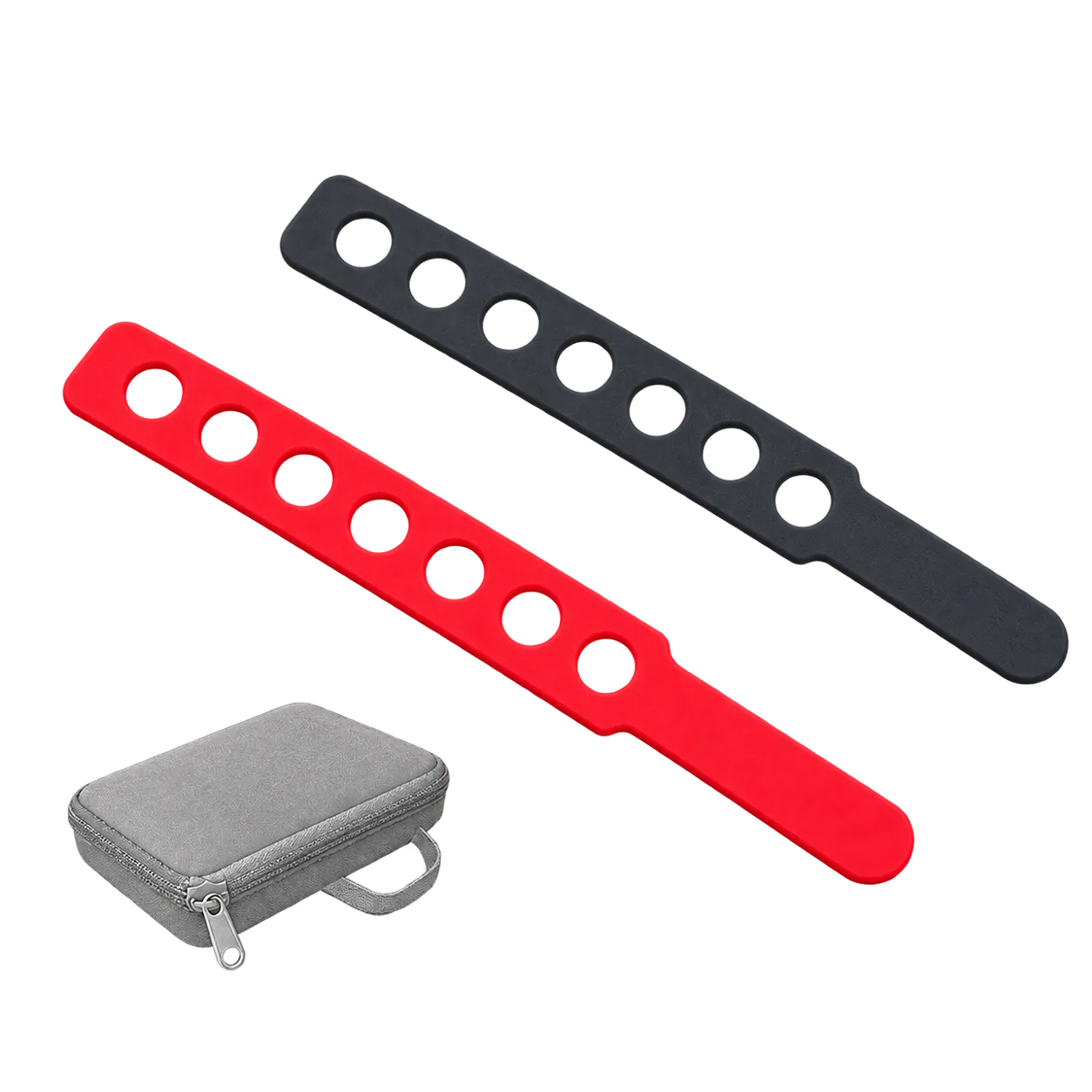
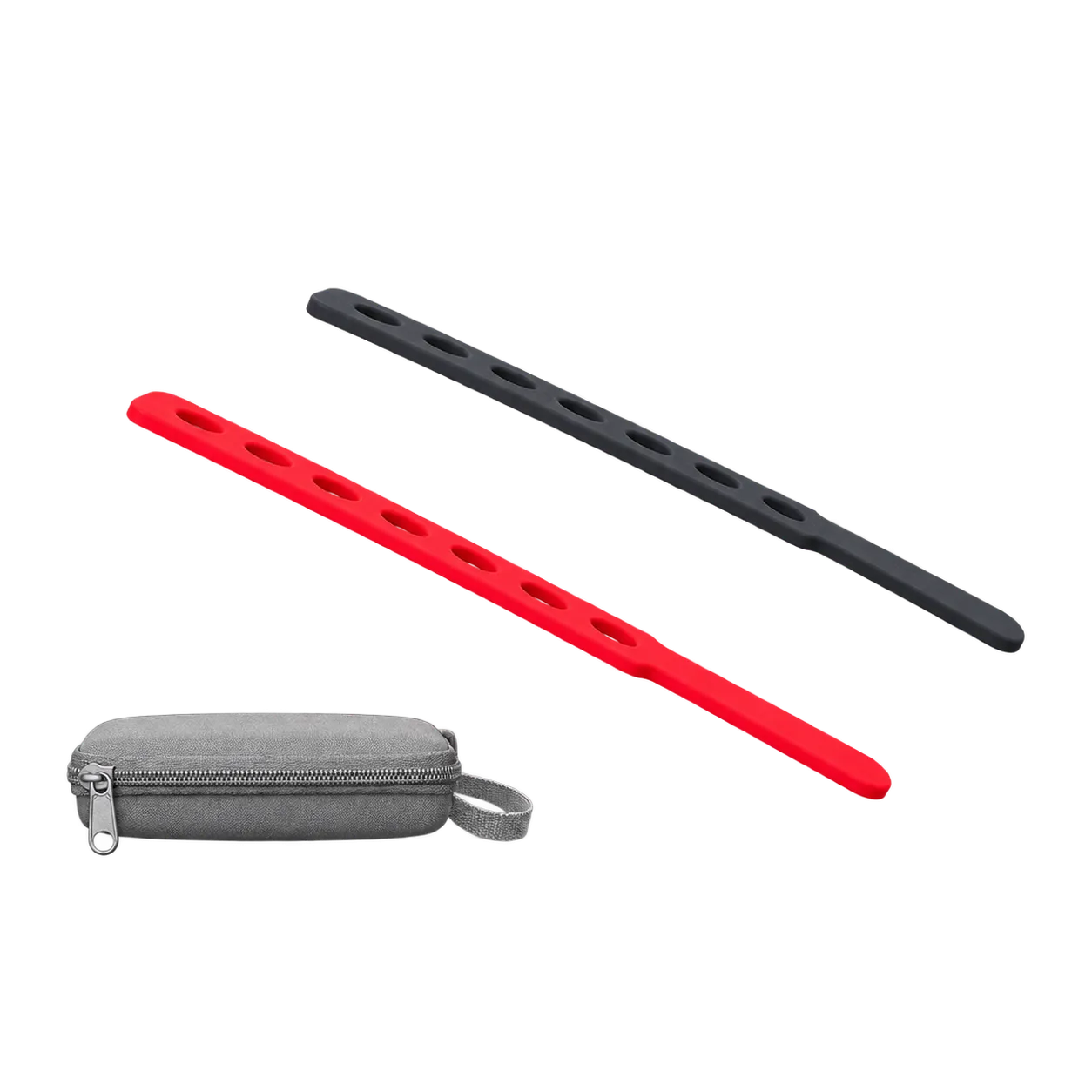
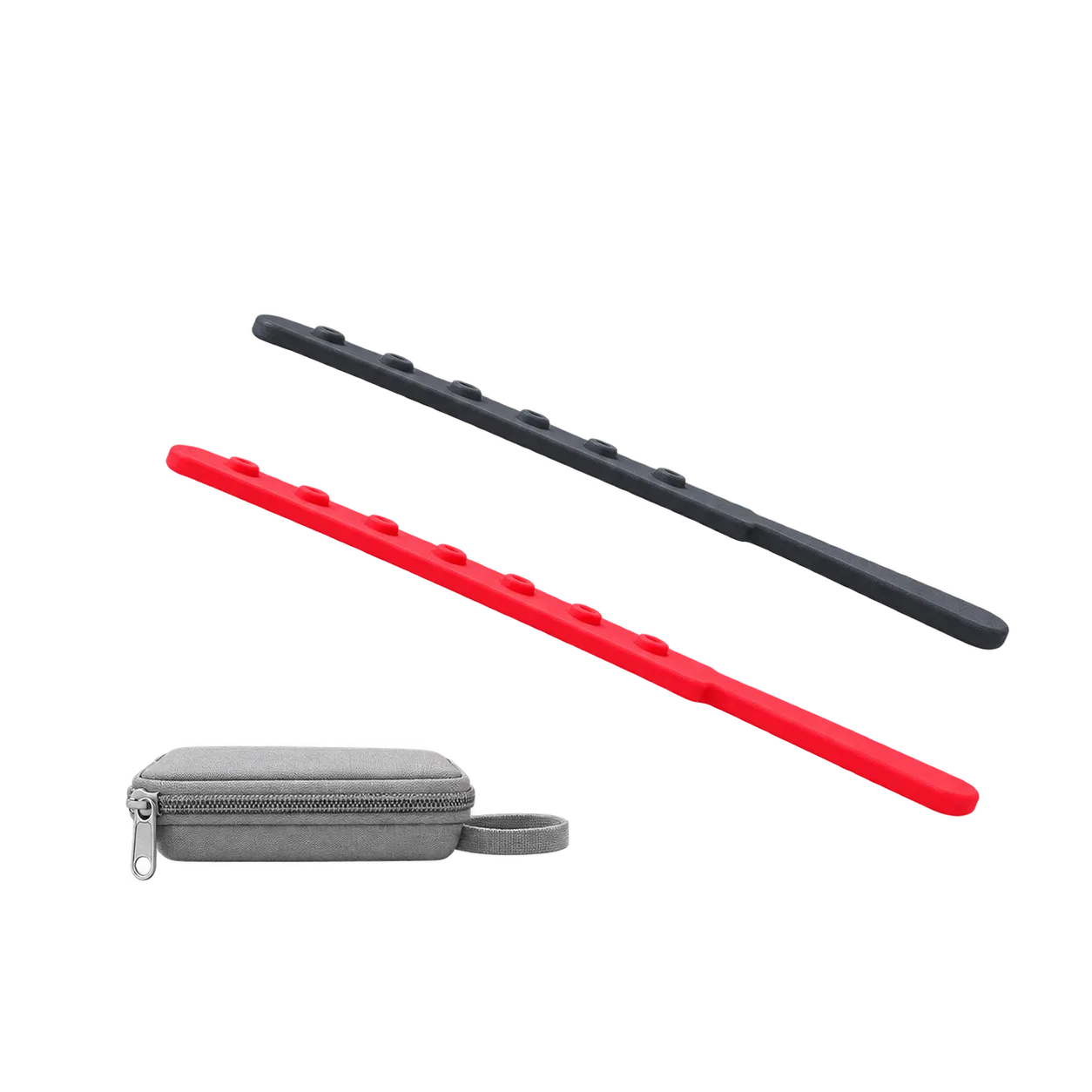
Paediatric eye clinics are the natural home for a retinoscopy rack. Infants and young children rarely tolerate a trial frame, but most will accept a bar held briefly in front of the eye while they look at a target or a toy. With cycloplegia, the practitioner can neutralise each meridian quickly and move on before the child's attention fades.
Special-needs and learning disability services use racks for the same reason. Adults and children who are distressed by anything touching the face can still be refracted objectively, and the result guides a first prescription where subjective responses are unreliable.
Hospital eye services use racks in orthoptic and ophthalmology clinics for children with strabismus or amblyopia risk factors, where an accurate cycloplegic refraction underpins treatment. Published work shows near retinoscopy without drops can agree closely with cycloplegic results in some strabismic children, which is useful at follow-up visits.
Domiciliary and outreach services seeing patients in care homes or at bedsides can refract without a trial frame when a patient cannot sit upright or keep a frame in place.
Teaching clinics use racks to train students in retinoscopy technique, including working-distance allowances, the effect of lens tilt and the habit of recording the distance at which high powers were held.
The set is less suited to paediatric aphakia, where powers beyond 16.00 D are needed, and to cooperative adults, who are usually refracted in a trial frame. Institutional buyers commonly ask for evidence of conformity. The conformity documentation those procurement routes require is issued by the manufacturer and provided by the seller.