
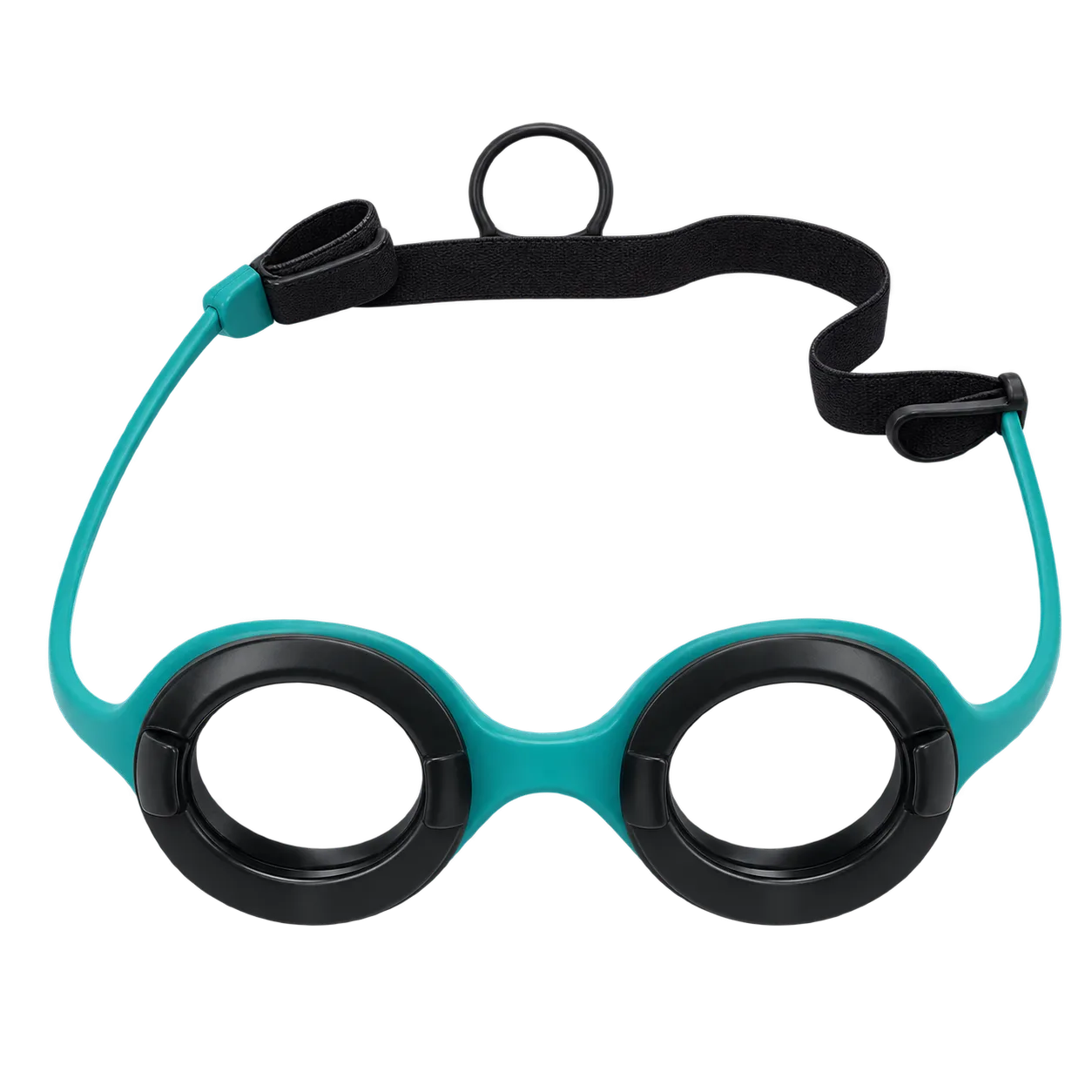
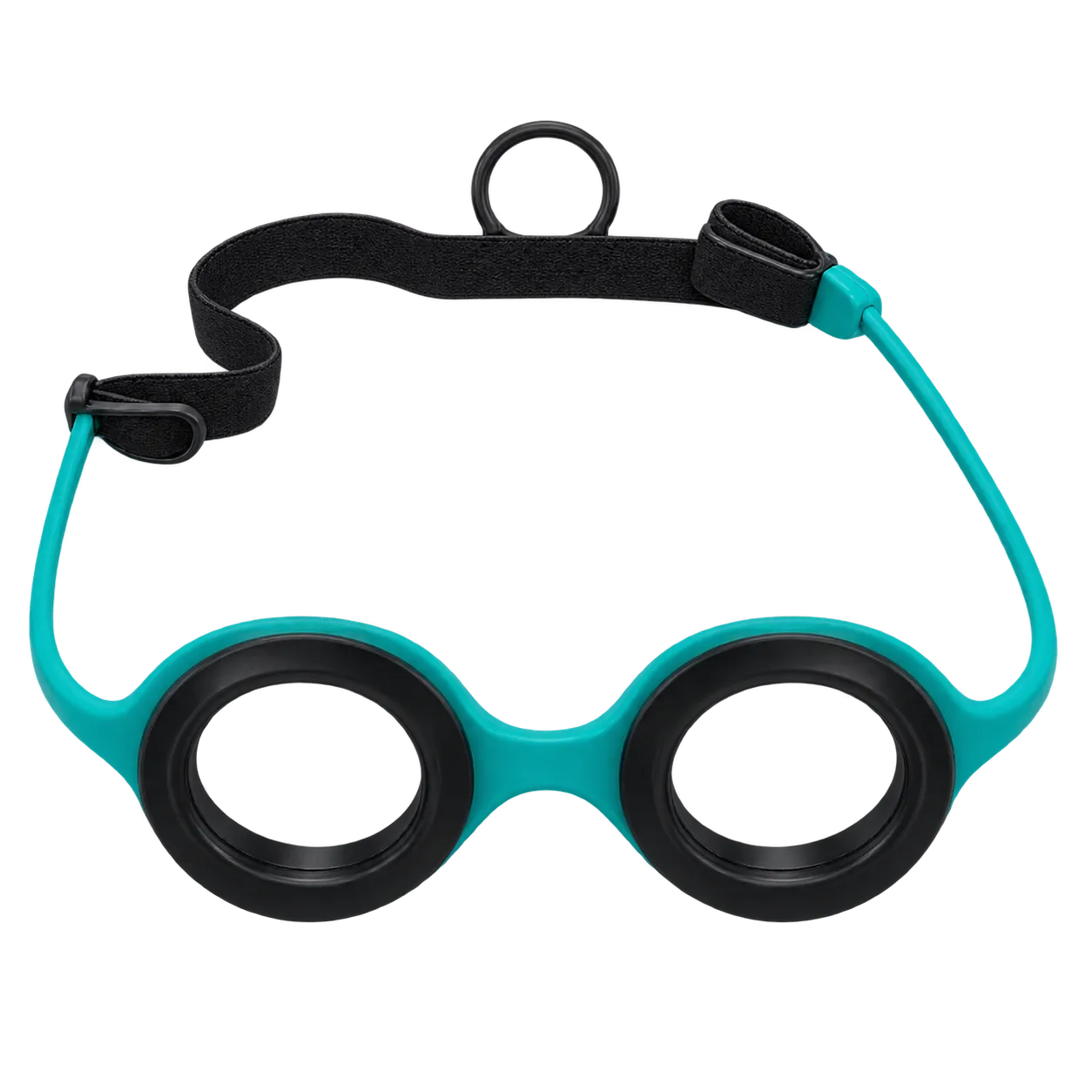
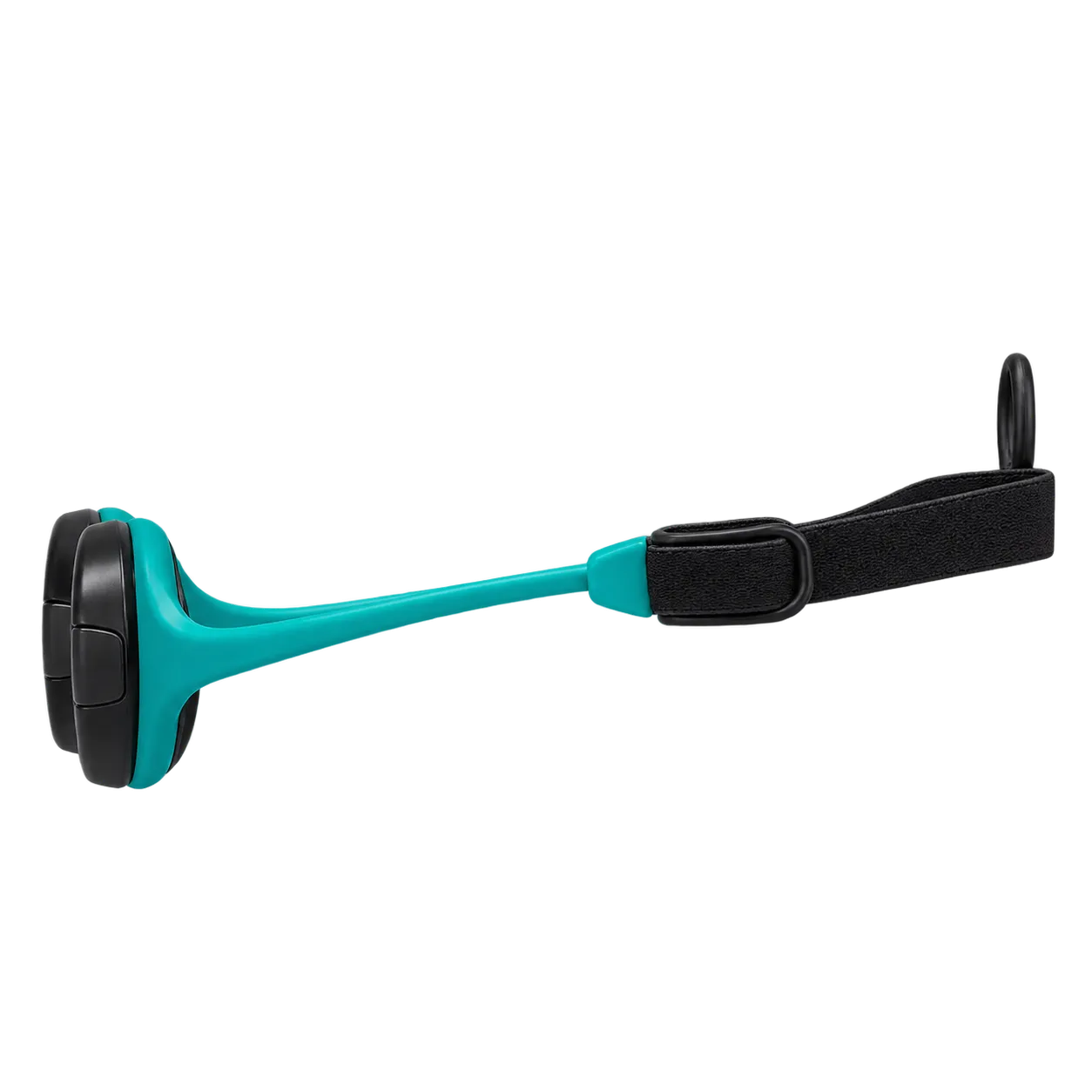
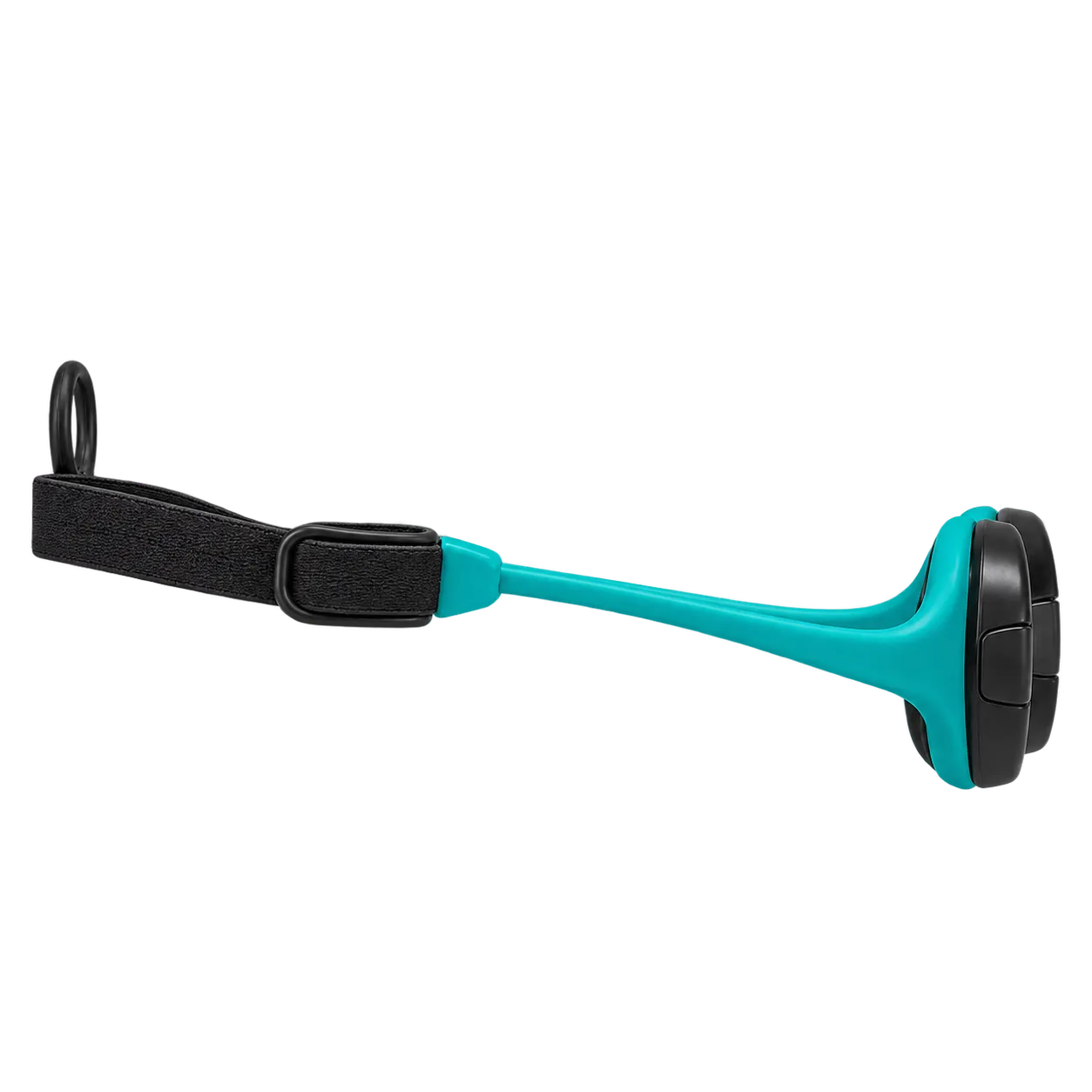
Infant and toddler assessment is the primary use. Children of that age cannot be relied on to leave a frame on their ears, and a headband keeps the lenses in front of the eyes while they move.
Hospital orthoptic clinics see very young children routinely, including those referred for squint, suspected high refractive error or reduced vision, and need a frame that works without cooperation.
Retinoscopy in young children is the most common task, where the clinician needs lenses held steadily in place rather than a precisely centred subjective refraction.
Children with additional needs who will not tolerate a conventional frame may accept a soft-rimmed strap-held one more readily.
Community paediatric services and child development clinics suit a simple, robust frame that fits quickly.
Family reassurance matters with the youngest patients, and a soft, friendly-looking frame helps parents as much as children.
Older children who can keep a frame on usually get a more precise result from a cable-temple paediatric frame.
Precise centration is not a strength of a strap-held goggle, so it should not be relied on where exact lens position matters.