
Patients Who Cannot Tolerate Contact
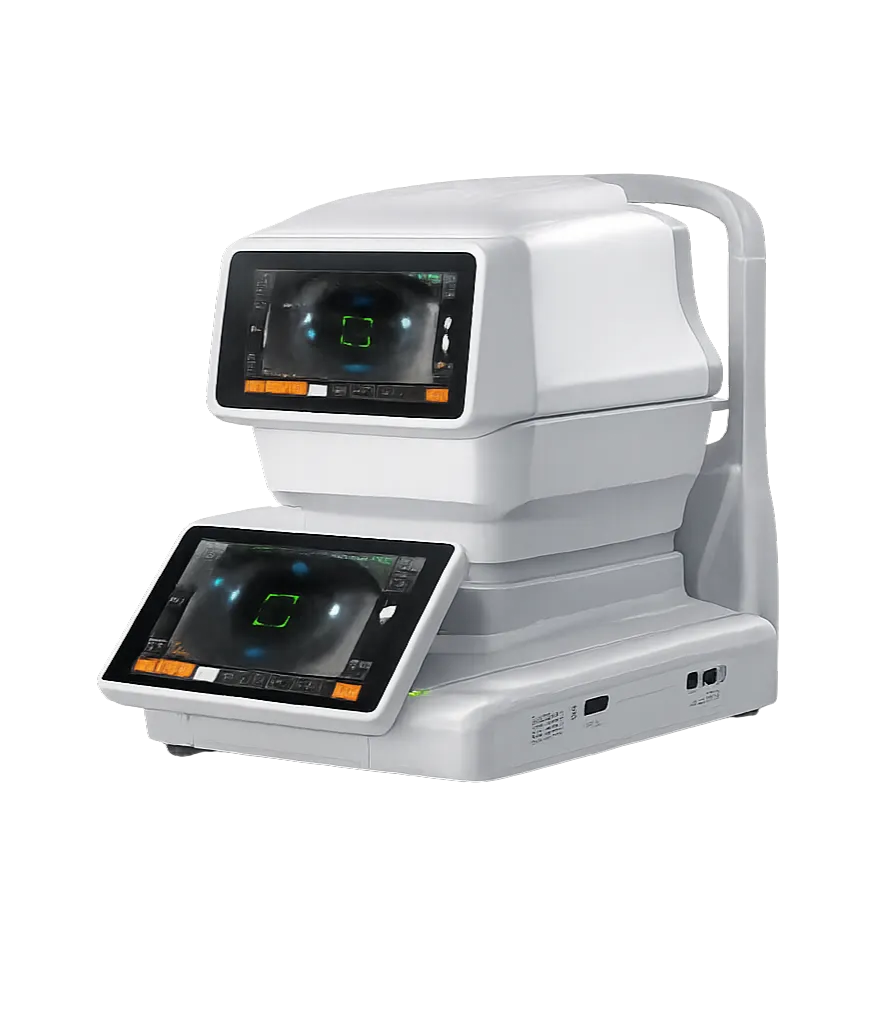
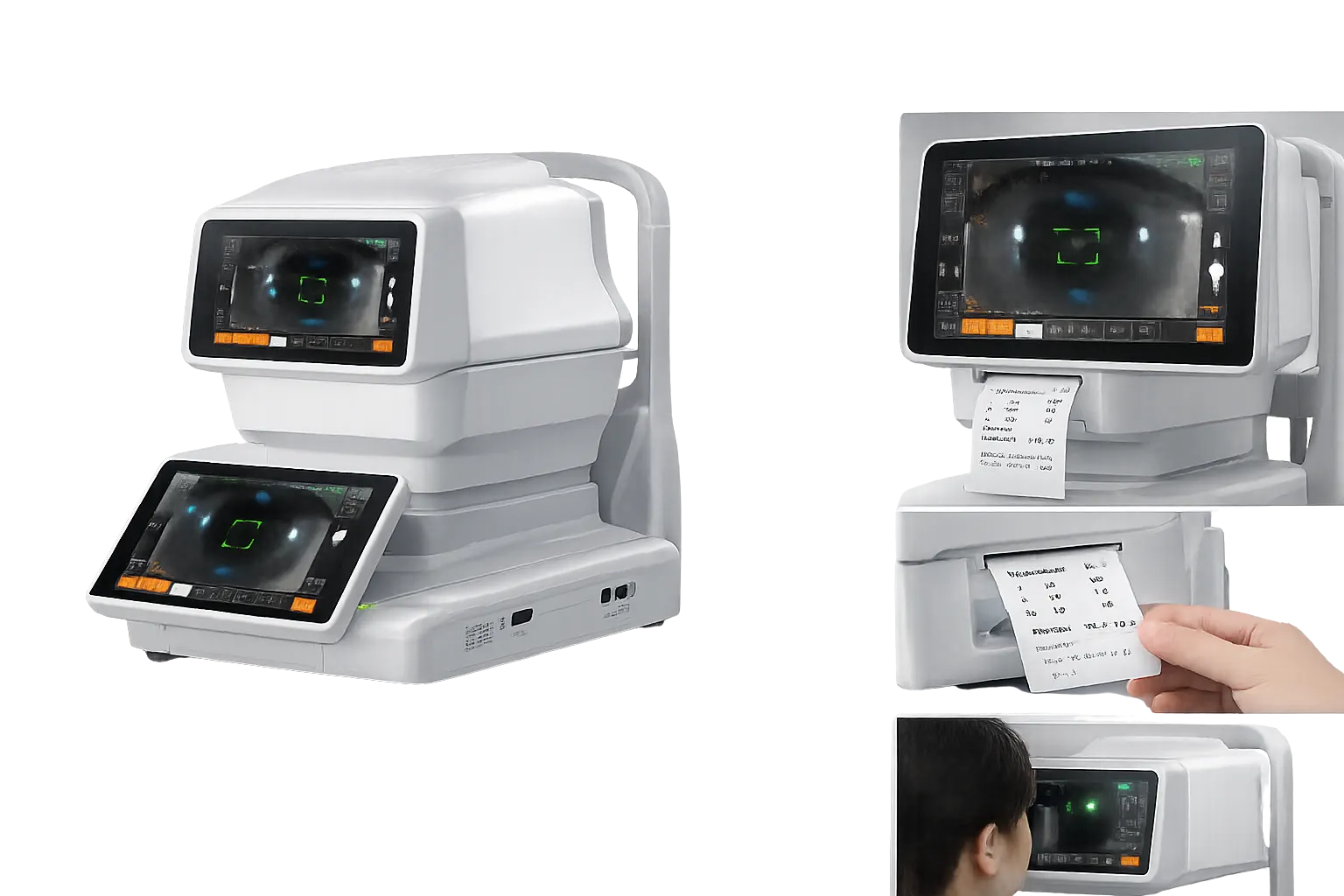
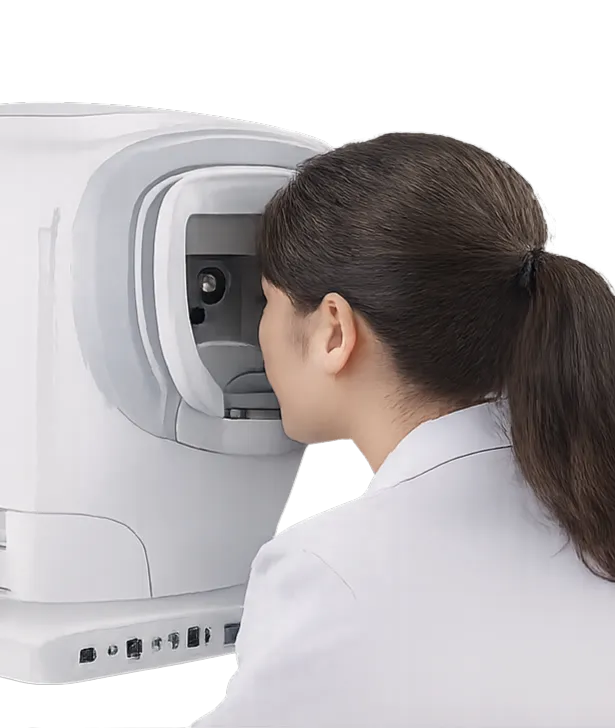
Because nothing touches the eye, measurement is possible for patients who find contact instruments difficult, and no probe or prism enters the equation. Whether any individual patient can be examined, and how a reading should be weighed, remains a judgement for the clinician. Contact instruments raise difficulties this one avoids. Tolerance of examination varies considerably between patients. Nothing enters contact with the corneal surface at all. Contact methods raise questions this one avoids entirely.
High Volume Clinics and Screening
Automatic positioning, automatic eye detection and ten readings per eye mean a measurement sequence runs with little operator input. For services measuring pressure on many patients in succession, that consistency of process matters as much as the figure any single measurement produces. Automated sequences reduce variation between operators. Consistency of process matters across many patients. Little operator input is required for each sequence.
Services Wanting Printed Records
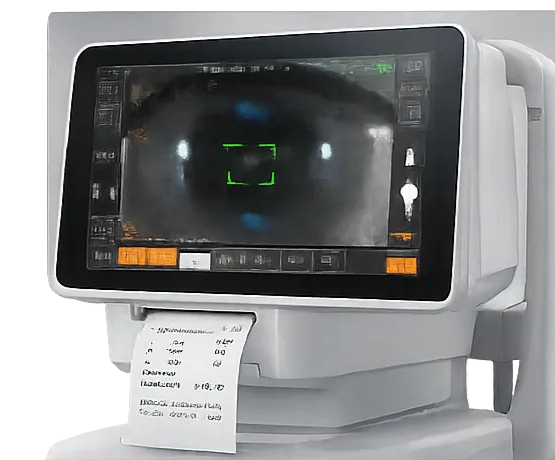
Three printed results per eye from a built-in printer, with USB transfer alongside, means a record leaves the instrument without a separate device. Where documentation is needed for referral or audit, that removes a step from the process. Referral and audit both depend on records being kept. A separate recording device becomes unnecessary here. Documentation leaves with the patient if required. Records reach the file without any additional handling.
Departments With No Contact Policy Considerations
An instrument touching no part of the eye sits outside the decontamination questions that prisms and probes raise. Cleaning of the chin support and headrest still applies, but no component contacts the cornea at all. Prisms and probes are not part of this arrangement. Decontamination questions narrow considerably as a result. Ordinary surface cleaning practice still applies fully. Corneal contact is absent from the arrangement completely.