
Examination Away From a Socket
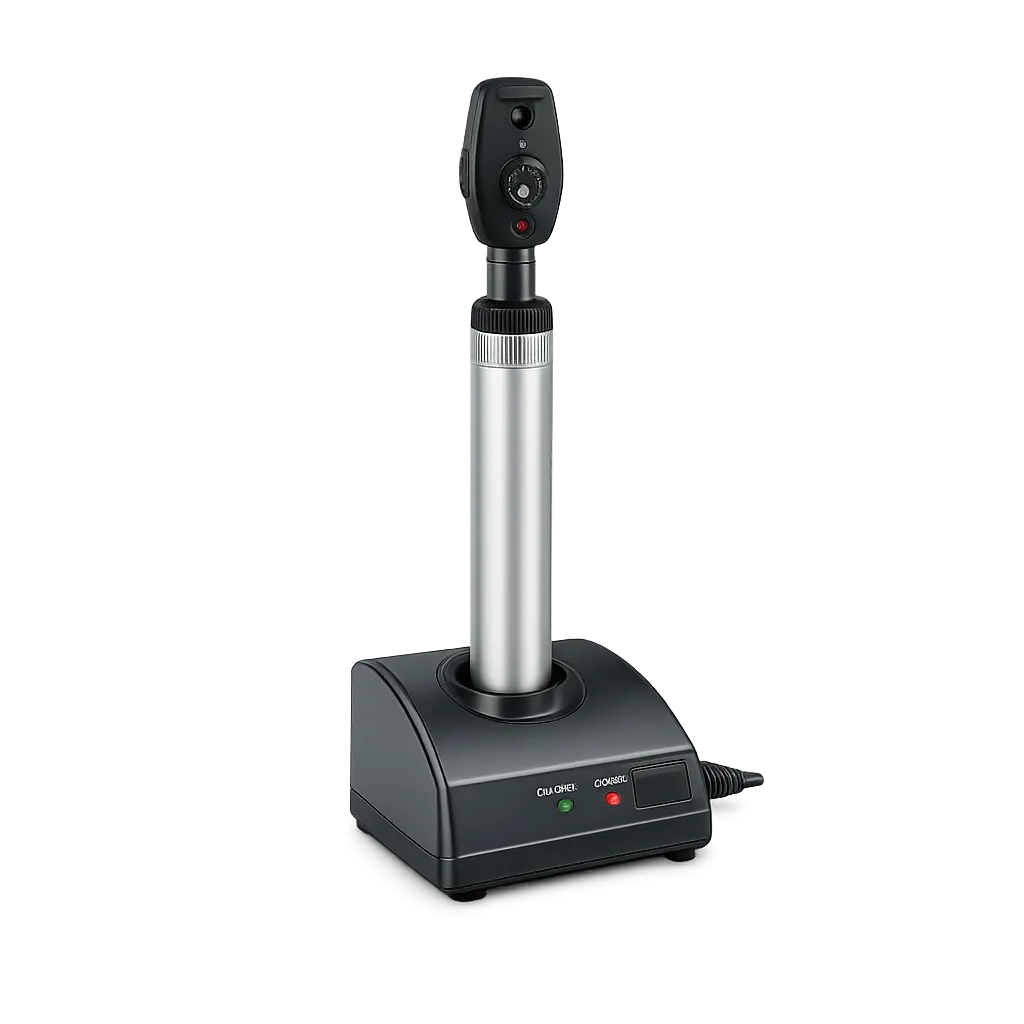
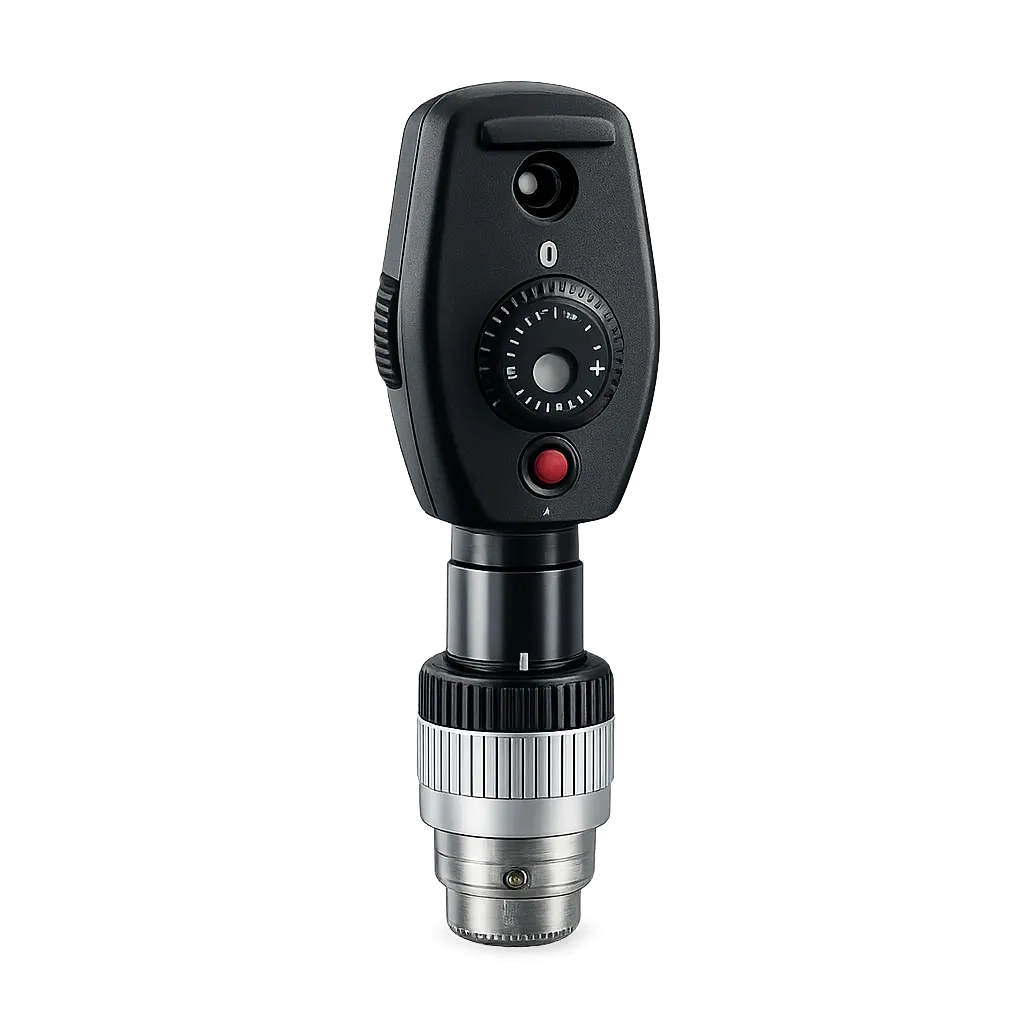
A battery handle can be taken to a patient rather than requiring them to sit beside a power point. Ward rounds, side rooms and home visits all become workable, with what any examination reveals resting entirely with the examining clinician. Sockets stop determining where examination happens. Interpretation remains with the clinician. Ward rounds and side rooms both come within reach. Home visits become workable too. Domiciliary work becomes practical as a result.
Services Needing a Stated Runtime
Two hours published as a minimum lets a department judge whether the instrument covers its working pattern. Because an ophthalmoscope is used in short bursts rather than continuously, two hours of illumination represents considerably more than two hours of clinic time. Bursts rather than continuous use is the pattern. Clinic time therefore exceeds runtime considerably. Two hours of illumination covers many patients. Working patterns can therefore be judged. Scheduling depends upon reliable figures.
Rooms Shared Between Clinicians
A charging base gives the instrument a defined home, which matters where several people use one handset. An instrument with nowhere to live tends to be found flat when it is next needed. Instruments without a home are found flat. A base solves that quietly enough. Several clinicians commonly share one handset. Charging happens without anyone remembering. Defined storage keeps a shared handset ready.
Practices Weighing Consumables
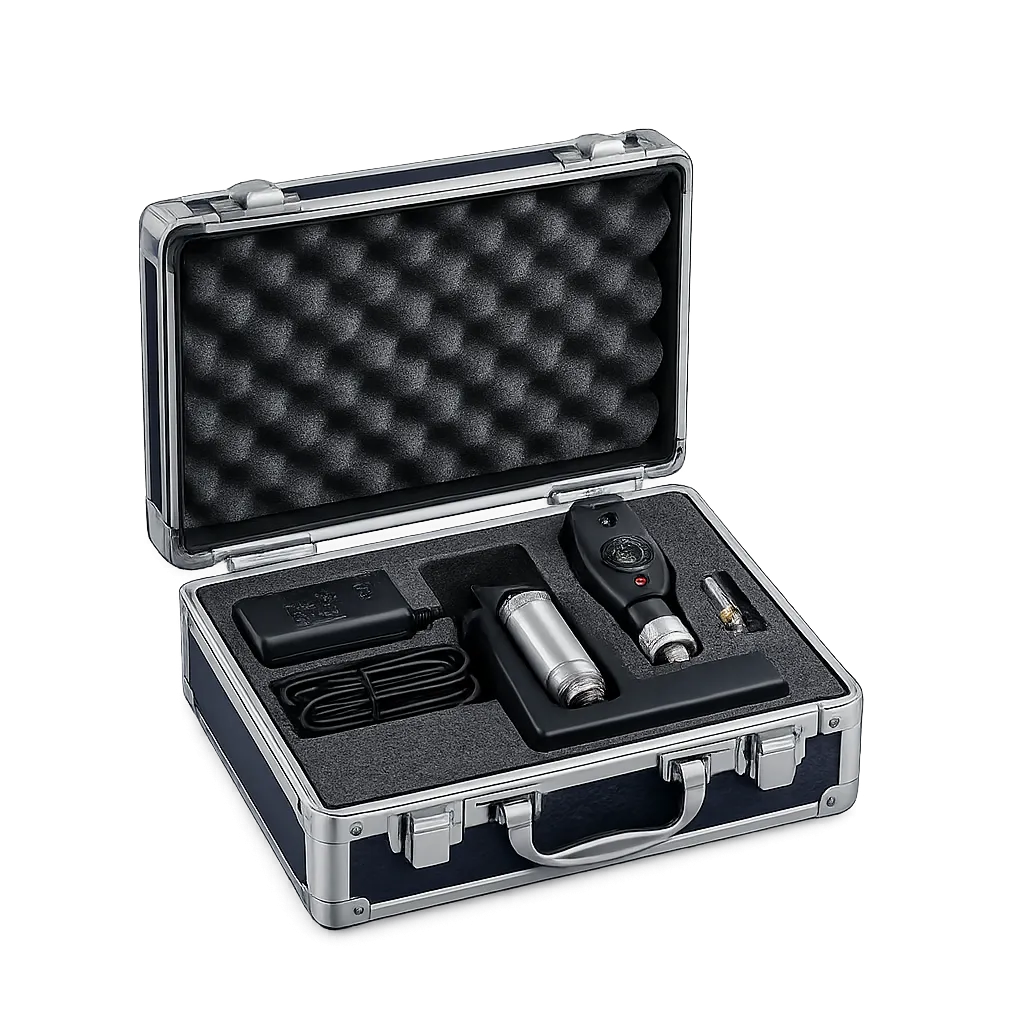
The halogen bulb remains a replaceable item, so bulb supply forms part of ownership. Establishing that arrangement alongside the purchase avoids discovering it when a bulb fails mid-clinic. Bulb failure mid clinic is worth avoiding. Supply should accompany the purchase. Halogen bulbs remain a replaceable item. Establishing supply avoids interruption. Interruption mid clinic is worth avoiding.