
Objective Refraction Away From a Room
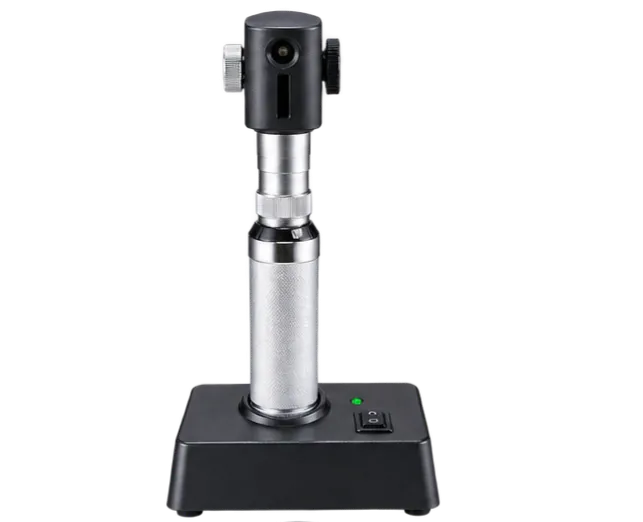
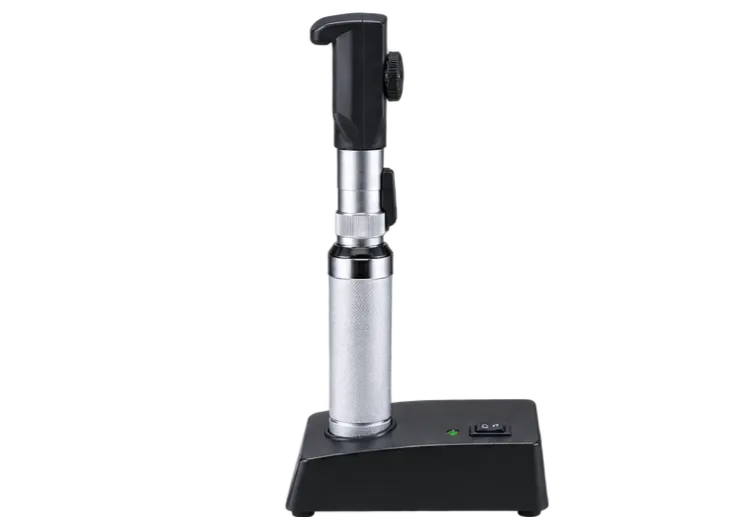
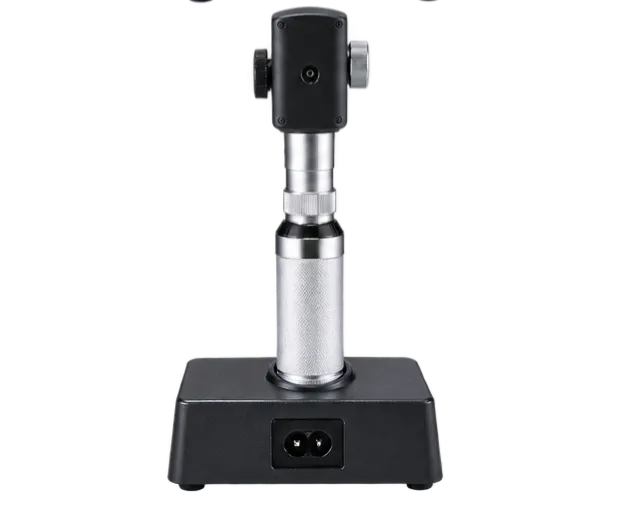
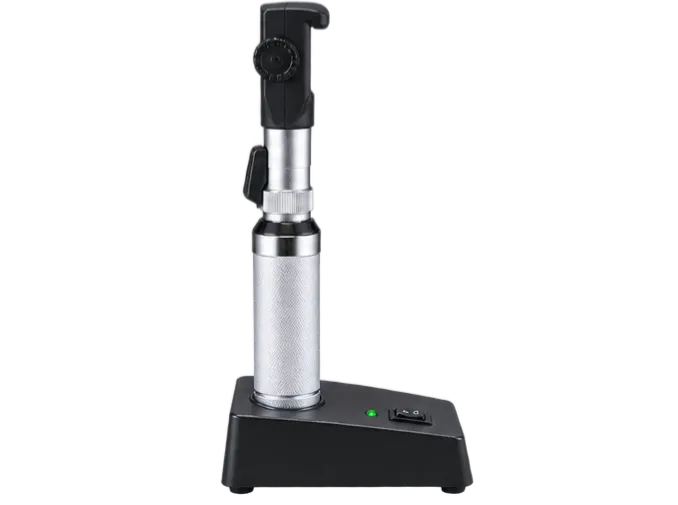
Retinoscopy gives a refractive result without requiring subjective responses, and a cordless instrument brings that capability to wherever the patient is. Ward rounds, domiciliary visits and side rooms all become workable, with the result itself determined by the examiner from the observed reflex. Sockets stop determining where refraction happens. Reach is what the design delivers. Ward rounds and side rooms both come within reach. Domiciliary visits become workable too. Objective refraction suits those settings well.
Paediatric and Non-Verbal Patients
Because the method needs no answers from the patient, it reaches children and anyone unable to communicate reliably. Cordless operation helps further where a child is difficult to position beside a power point. Positioning children beside power points is awkward. No answers are needed from them. Children are frequently hard to position well. Cordless working eases that considerably. No cooperation is required from them.
Astigmatic Axis Determination
Aligning the beam with the meridian under examination is how the astigmatic axis is found, and full rotation means no axis is out of reach. What the reflex indicates, and what refraction follows, rests with the clinician performing the examination. Limited rotation would leave meridians difficult. Determination stays with the clinician. Every meridian becomes accessible directly. Accuracy benefits from that freedom. Alignment is what finds the astigmatic axis.
Services Assessing Battery Equipment
Any cordless instrument depends on how long it runs and how quickly it recharges. Runtime is published here as a minimum, but charging time is not given, and a service should establish it before committing. Charging time bears on turnaround between lists. Establishing it precedes any commitment. Runtime is published but charging time is not. Both figures matter to a department. Turnaround between lists depends upon charging.