
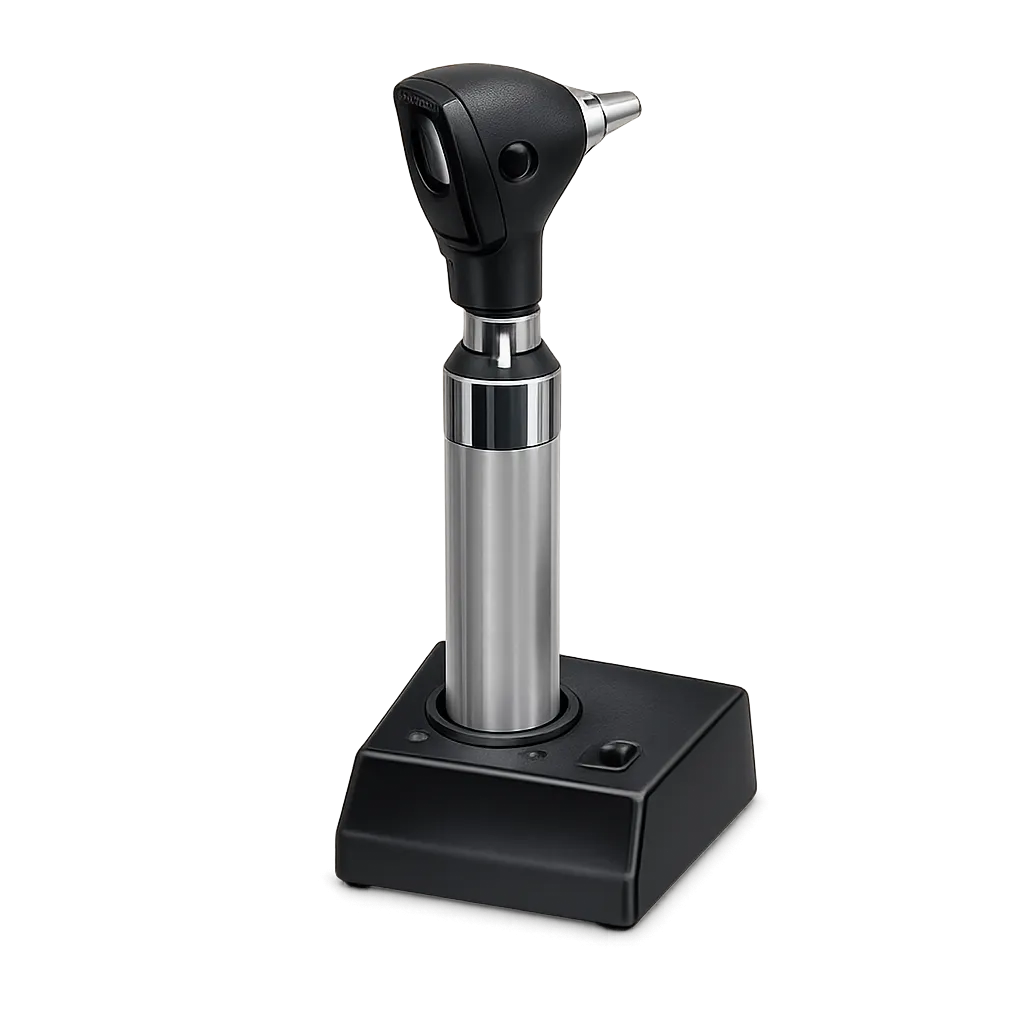
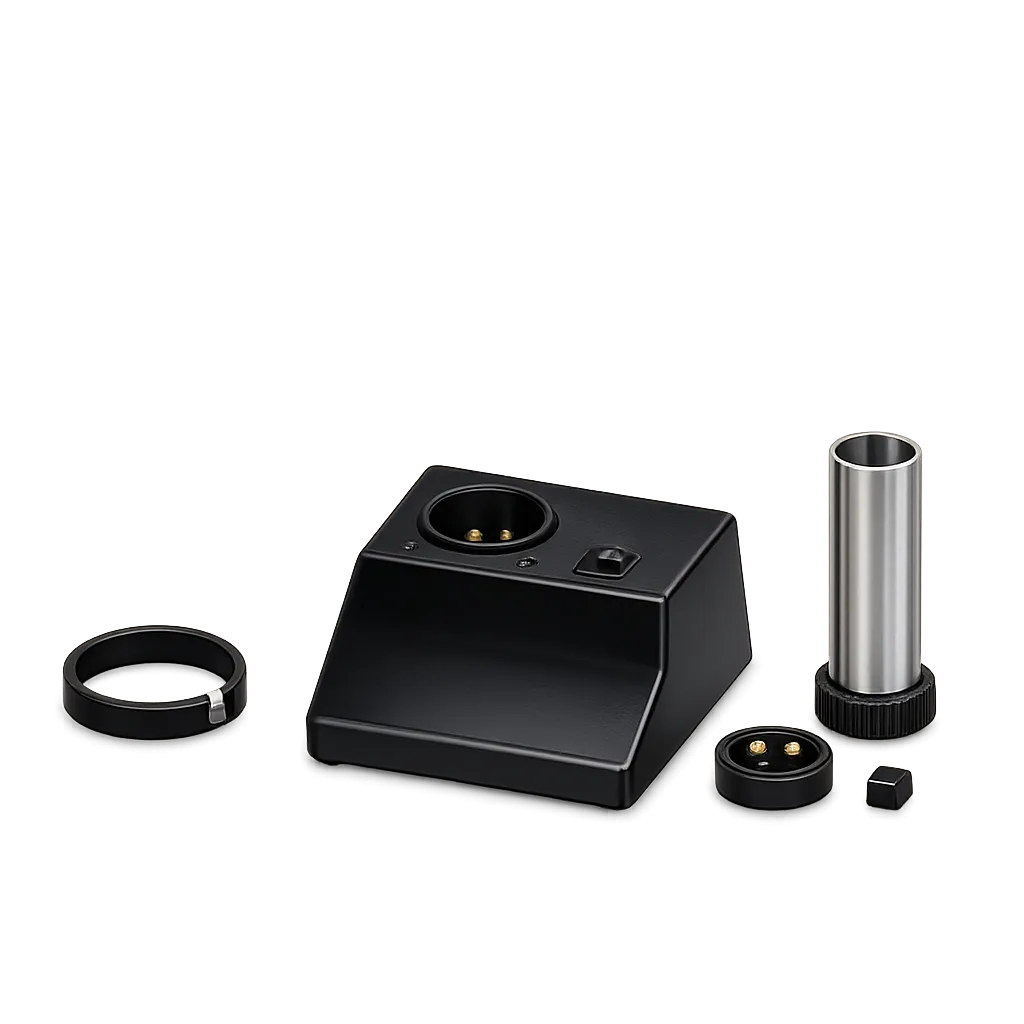
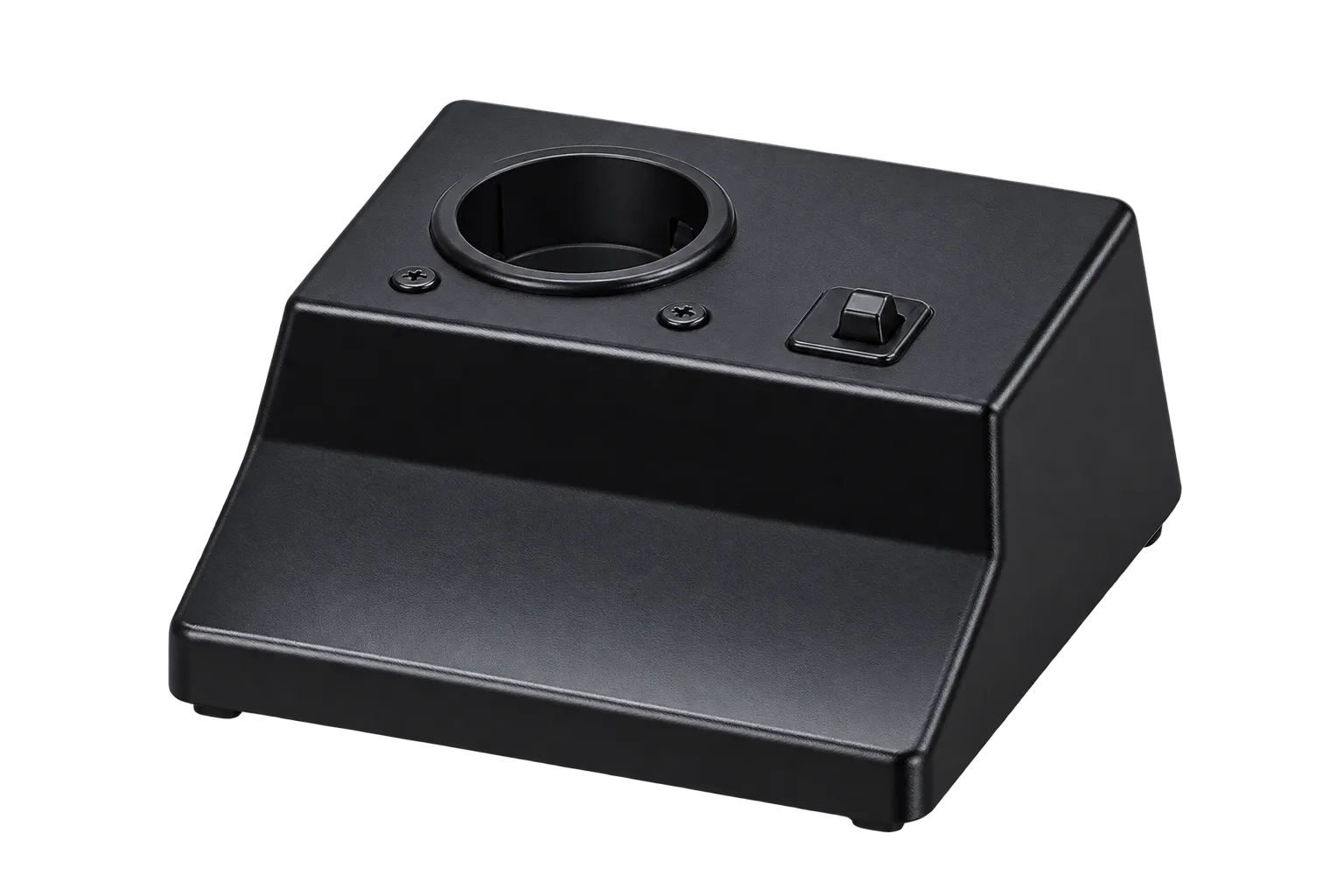
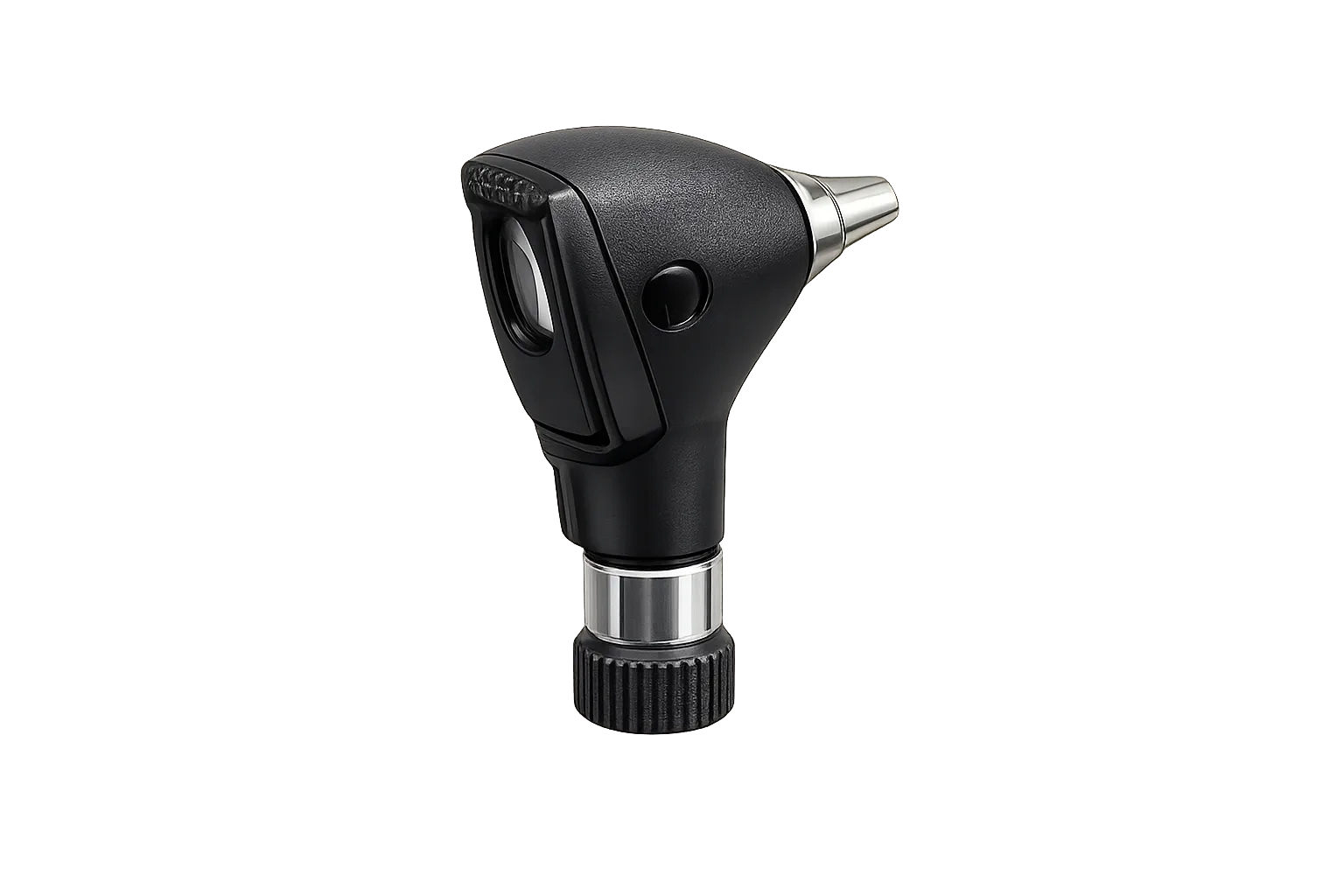
General practice is the largest setting for an instrument of this specification, and the sealed head with an insufflation interface is what sets it apart from inspection-only alternatives. Assessing tympanic membrane mobility rather than appearance alone is the established bedside method for distinguishing a normally mobile membrane from one behind fluid, and it requires both a port and a seal. Medigear.uk confirms whether bulb and tubing form part of the supplied set, since the capability is unusable without them, and clinical technique and interpretation remain the practitioner's judgement.
Paediatric services benefit from adjustable brightness alongside the pneumatic capability. Narrow canals reflect a strong light source at the examiner and wash out the detail being sought, so the ability to reduce output is more useful than maximum brightness. What determines practical suitability is the smallest available speculum size, and Medigear.uk confirms the size range before the order.
ENT clinics gain from fibre optic delivery at the speculum tip. Light travelling down the viewing channel reflects off the speculum wall, obscuring the view, while tip delivery removes it and directs more usable light into the canal. Halogen illumination also renders colour well, which matters when membrane appearance carries diagnostic weight and subtle change is part of what is being judged.
Practices that equip several consulting rooms should treat this as a multi-unit purchase and settle for consumables at the same time. Specula and bulbs across a fleet of instruments accumulate into a recurring cost that dwarfs the difference between one instrument and another, and Medigear.uk quotes volume terms alongside consumable supply at enquiry.