
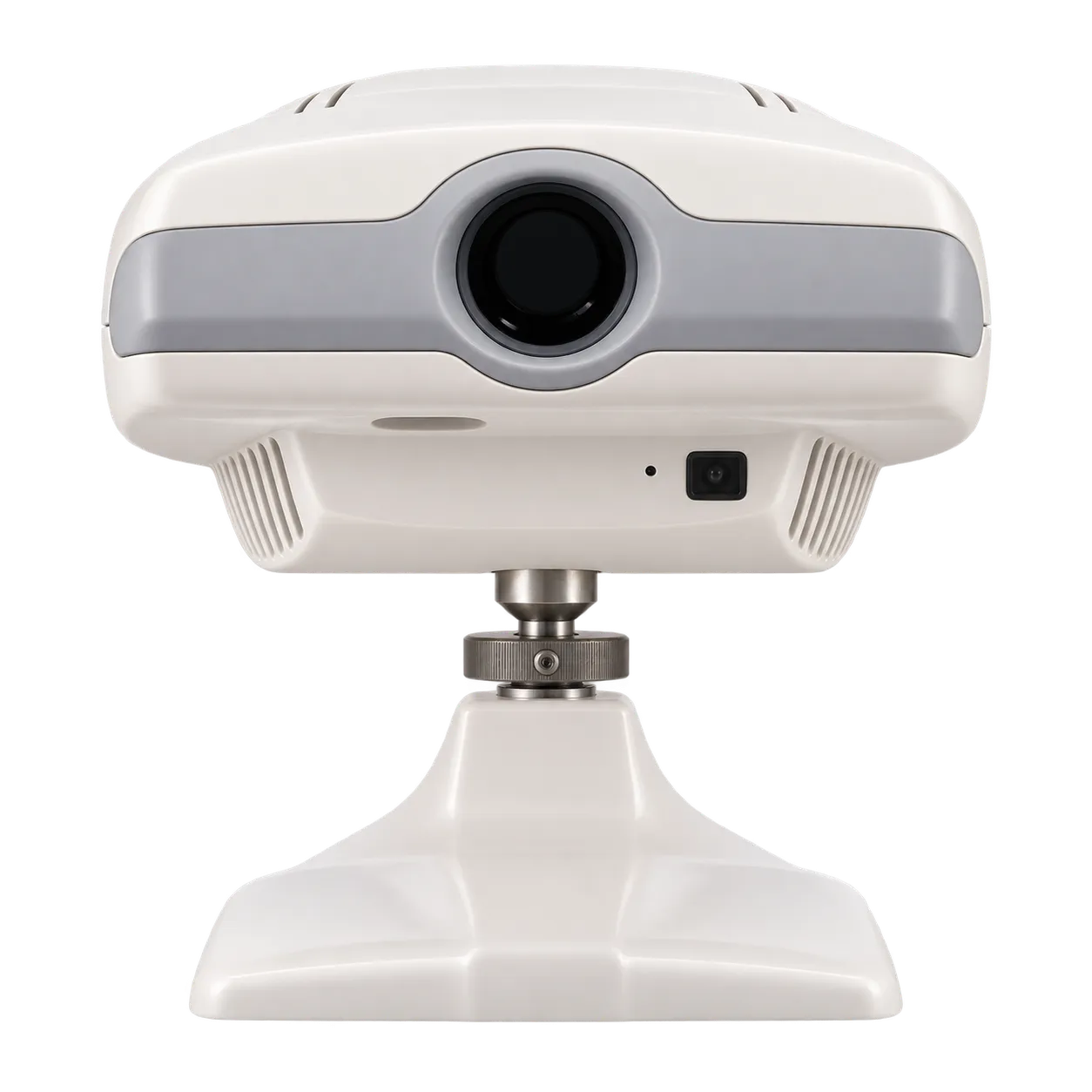
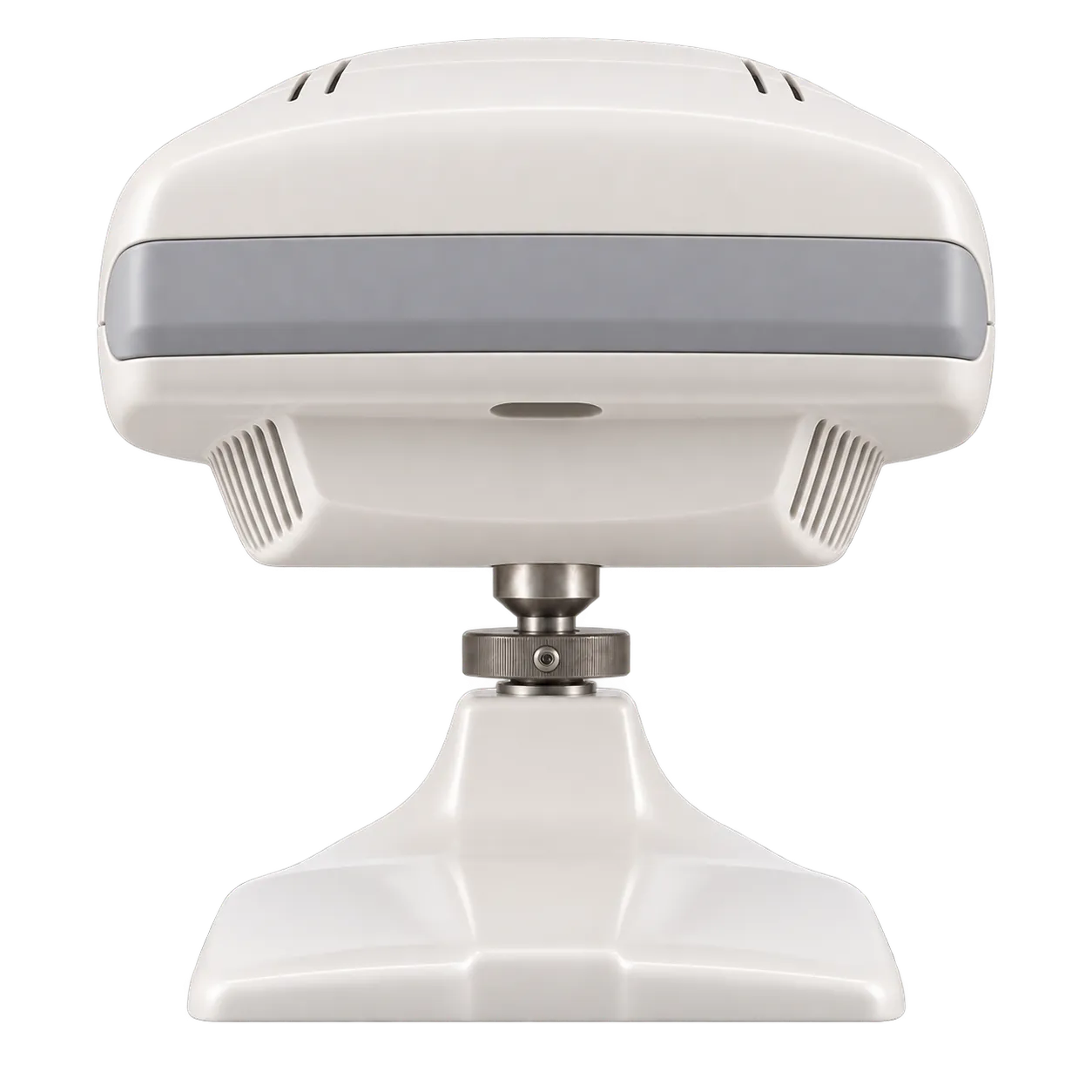
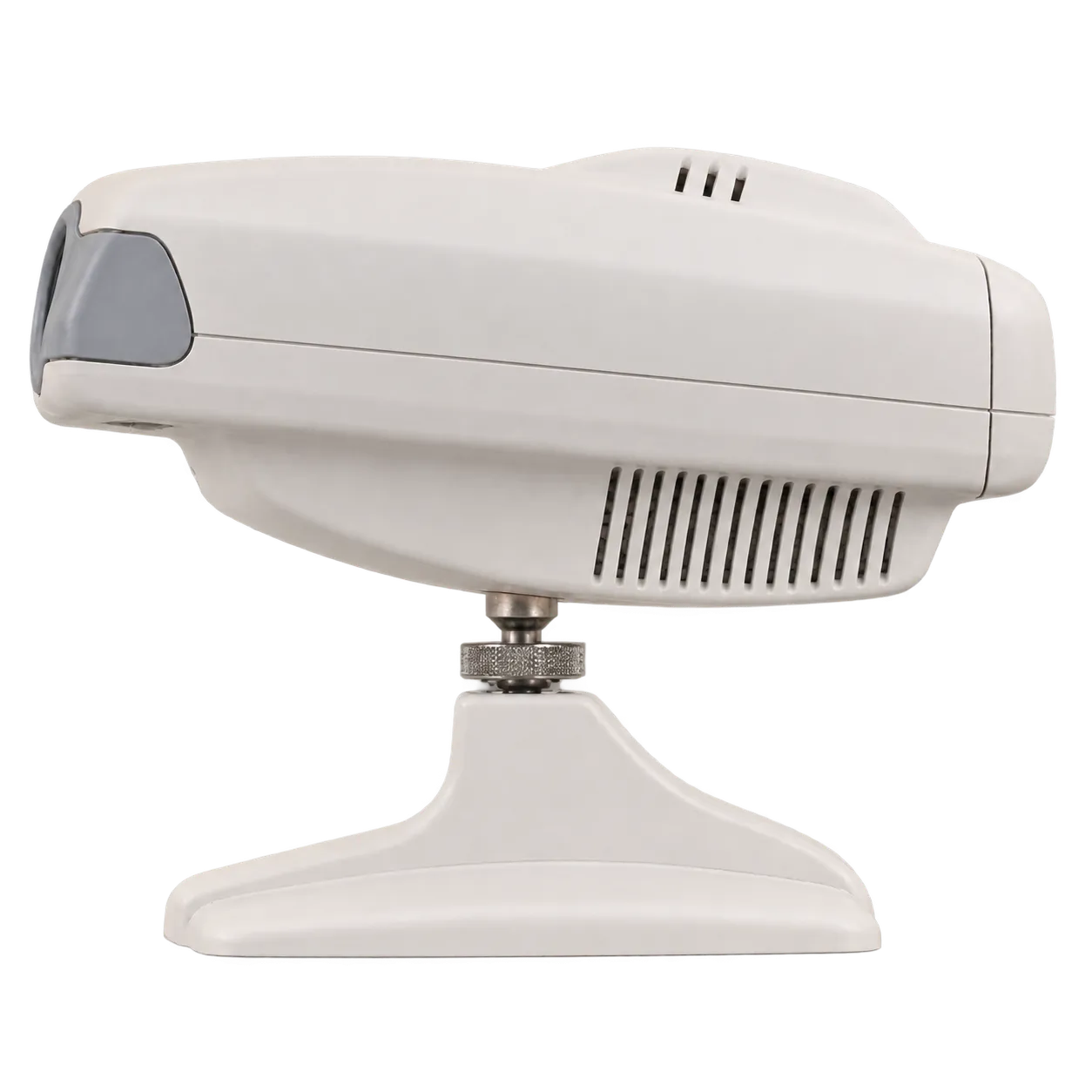
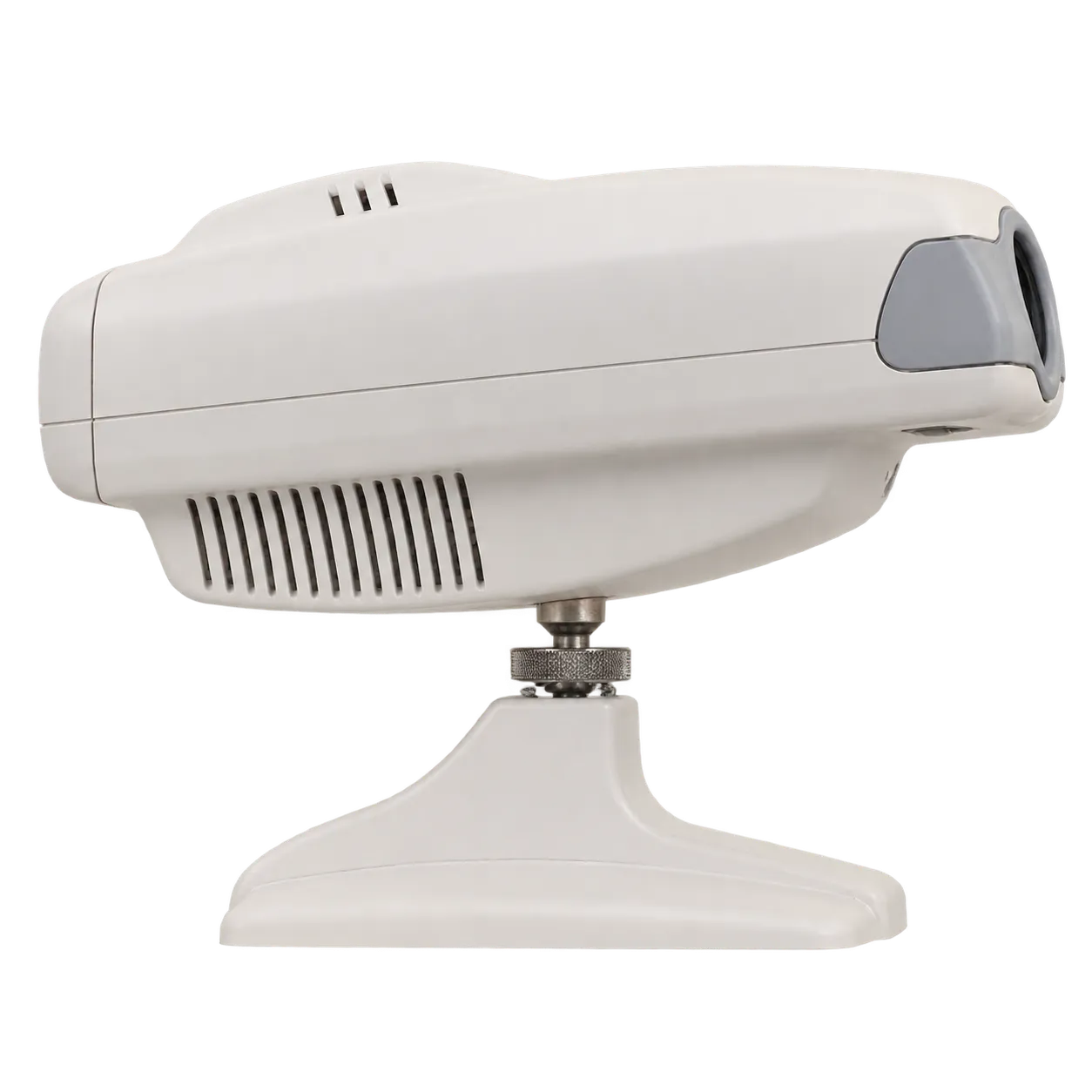
Paediatric and amblyopia work is the clearest application. A child with amblyopia may read acceptably with each eye tested separately while suppressing one entirely under binocular conditions, and monocular acuity testing will never show it. Worth four dot detects that directly and in seconds — four dots reported means fusion, five means diplopia, two or three means suppression. For practices seeing children, running school or special educational needs screening, or monitoring occlusion and atropine therapy, that capability changes what an examination can find.
Binocular vision investigation in adults follows the same logic. Patients presenting with headache, asthenopia, intermittent diplopia or difficulty sustaining near work are frequently experiencing a binocular problem rather than a refractive one, and the chart set here — Maddox rod targets in both meridians, coincidence and cross cylinder tests, fixation targets, duochrome and balance charts — supports that investigation from the projector without separate apparatus. This matters increasingly in the display screen equipment population, where sustained near demand exposes marginal binocular function.
Teaching benefits from having the tests present and labelled. A trainee learning Worth four dot interpretation, Maddox rod phoria measurement or duochrome refinement can perform each in sequence from one remote, and a supervisor can see which chart is displayed.
Room and installation fit is straightforward. A 2.5 to 7 metre projection range covers mirrored six-metre lanes and direct long rooms, the ±10° tilt squares the image where mounting height does not, and the 220–240V power specification matches UK mains natively. Two practical points deserve weight: chart selection at an average 0.3 seconds is slower than several competing projectors and is a perceptible pause at high volumes, and the chart variant must be confirmed as carrying optotypes appropriate to UK acuity notation before ordering.