
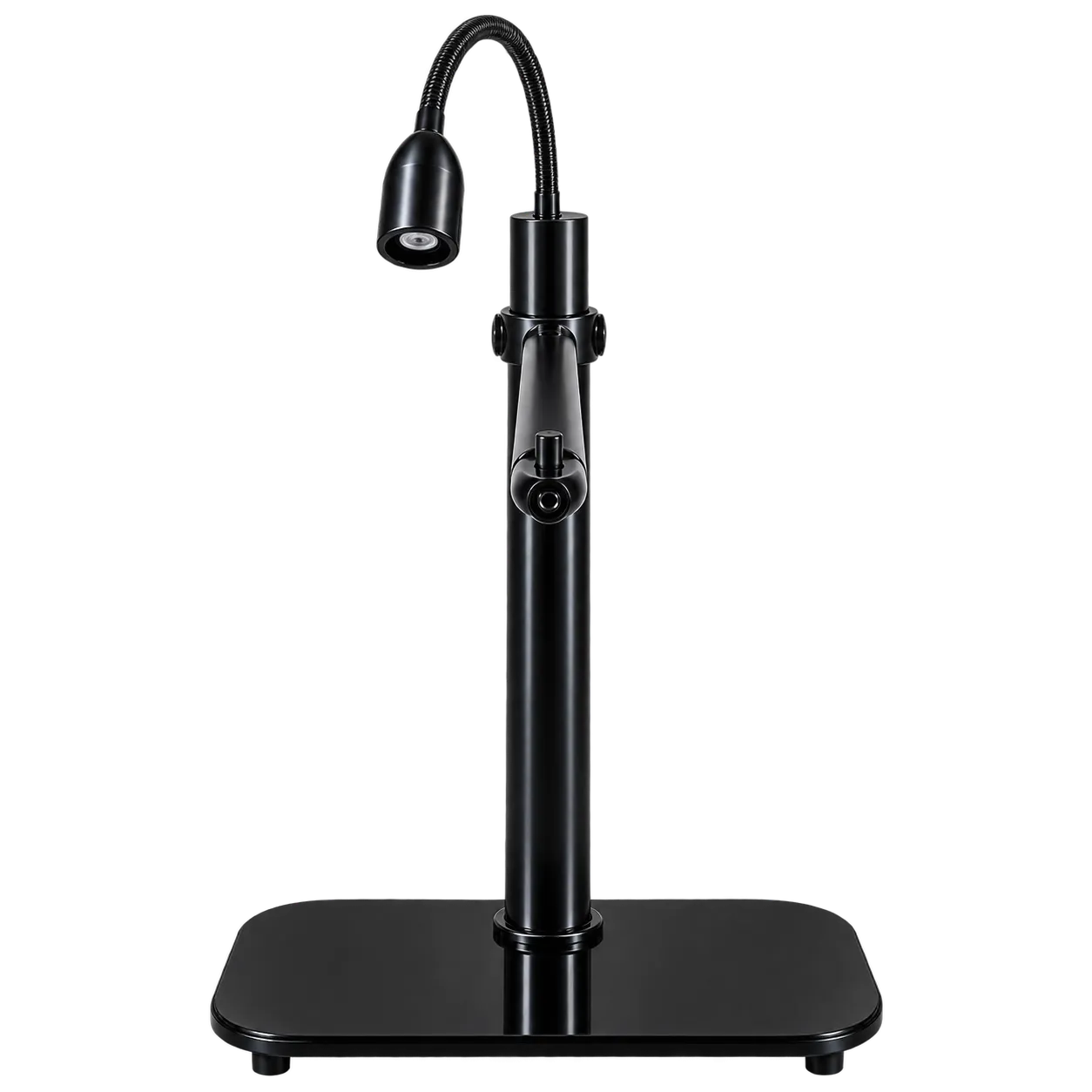
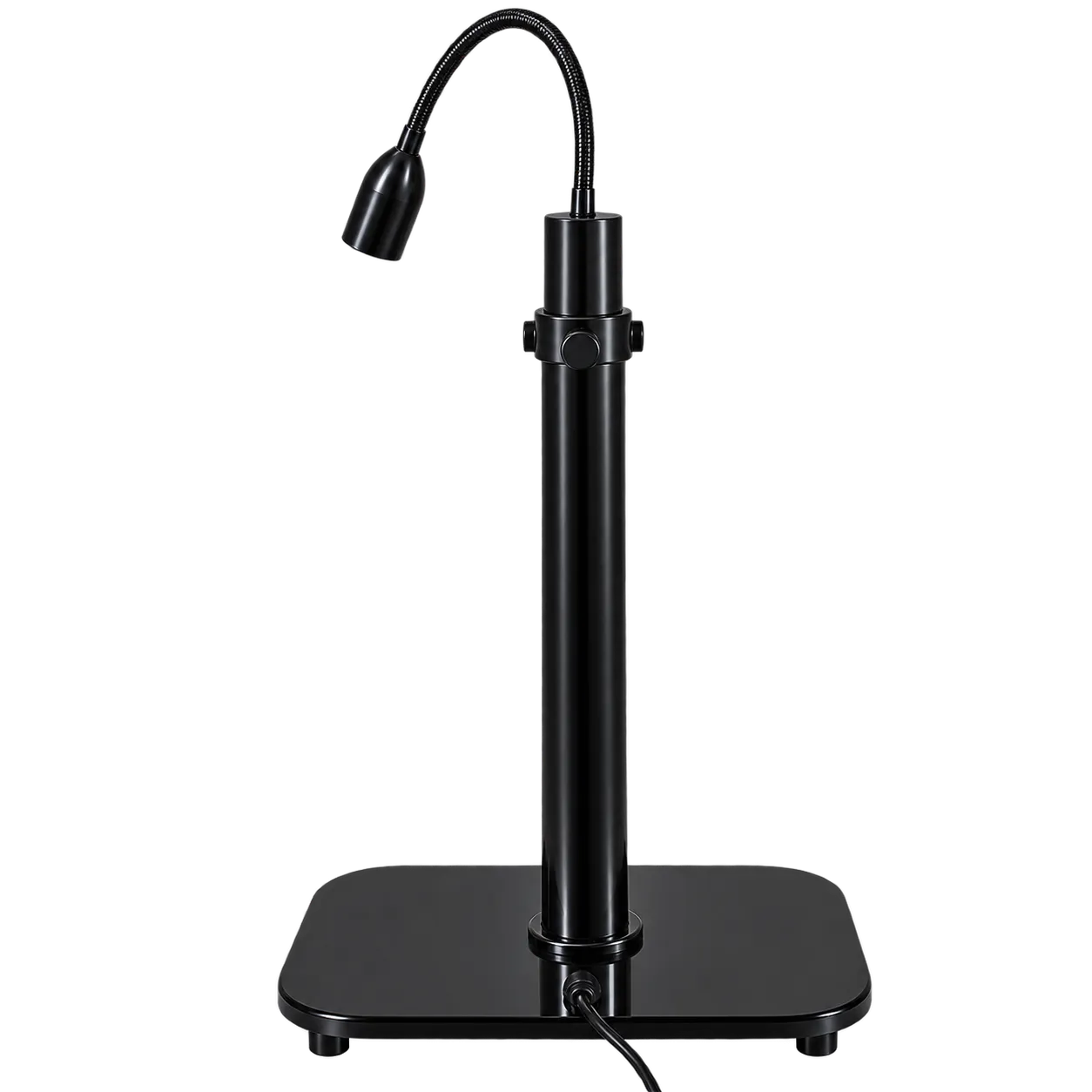
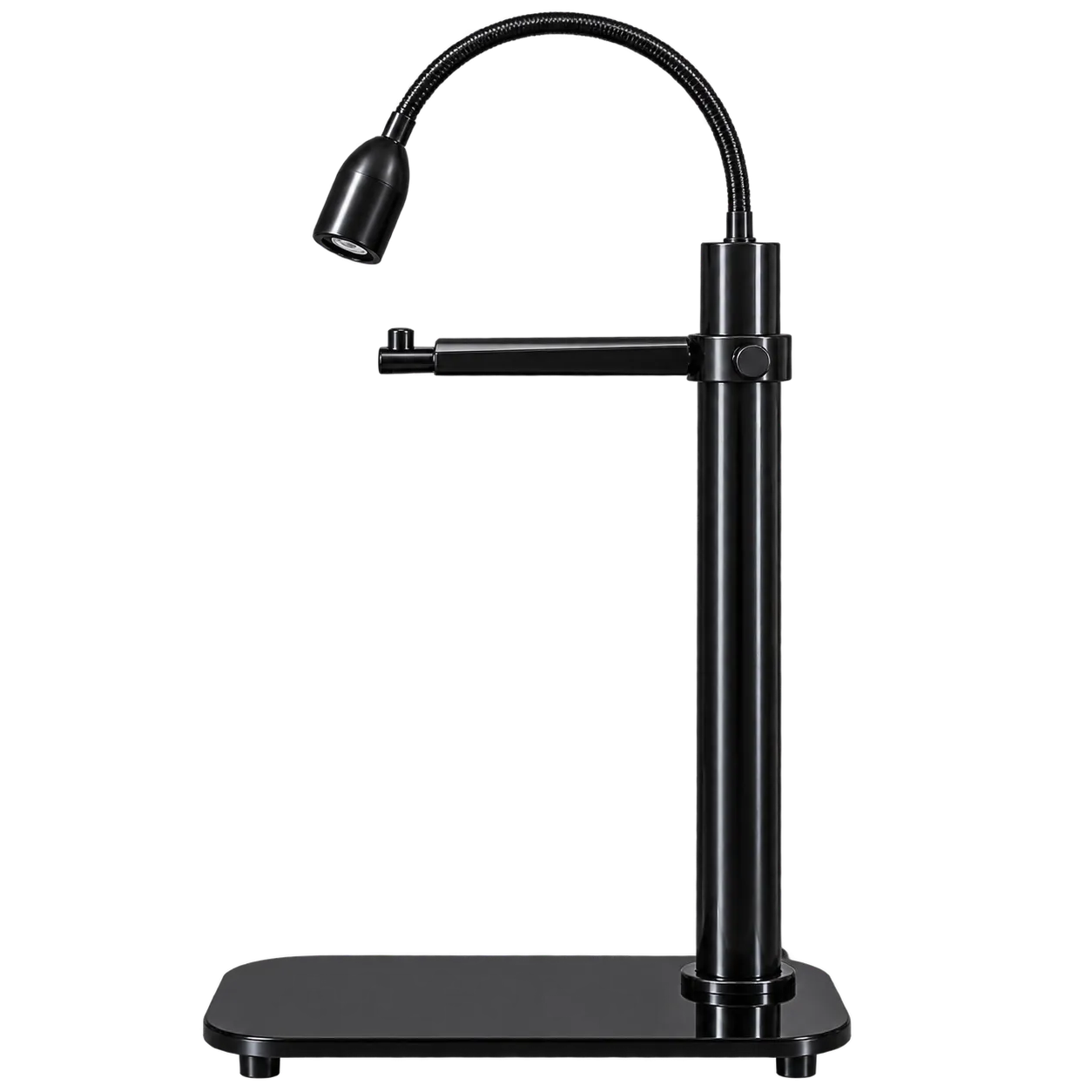
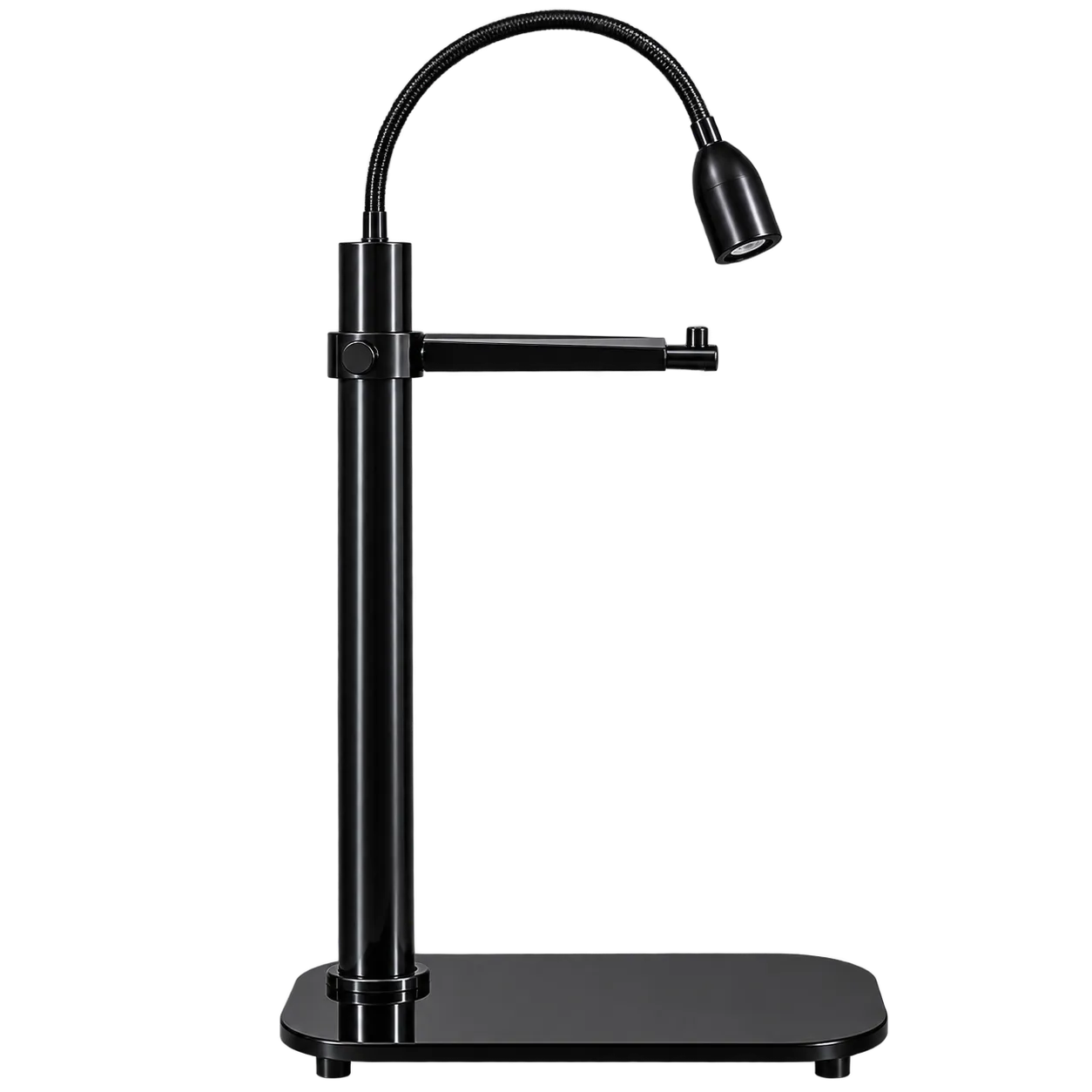
Leasehold retail premises are the setting that makes this product necessary rather than merely convenient. A substantial share of UK optical practices occupy leased units where alterations to the building fabric need landlord consent, and where dilapidations clauses mean every fixing must eventually be made good. Listed buildings and conservation areas restrict fixings further. A free-standing table stand sidesteps all of it — nothing is drilled, nothing needs consent, and nothing needs reinstating at the end of the lease.
Shared and multi-purpose rooms are the second application. Community clinics, hospital rooms used for different services across a week, and practices where the testing room doubles as an office cannot accommodate a permanent fixture that obstructs the space's other uses. A stand that lifts off the table and goes into a cupboard is a genuinely different proposition.
Practices in transition use it too — those planning a refit, testing whether a room works as a lane before committing to a permanent installation, or covering a temporary increase in capacity. The stand can be bought, used and redeployed rather than written off against a fit-out.
Near vision testing benefits from the integrated gooseneck lamp, which gives consistent illumination of the near-point card independent of ambient room lighting. That consistency is what makes near acuity results comparable between visits, and it matters most in the dimmed conditions a refraction room is kept in. Practices should note two limits honestly. The manufacturer publishes no instrument loading figure, so the rated capacity must be confirmed before mounting anything. And a free-standing stand is inherently less rigid than a fixed installation and can be knocked, which deserves weight in rooms with restless paediatric patients or heavy footfall past the instrument.