
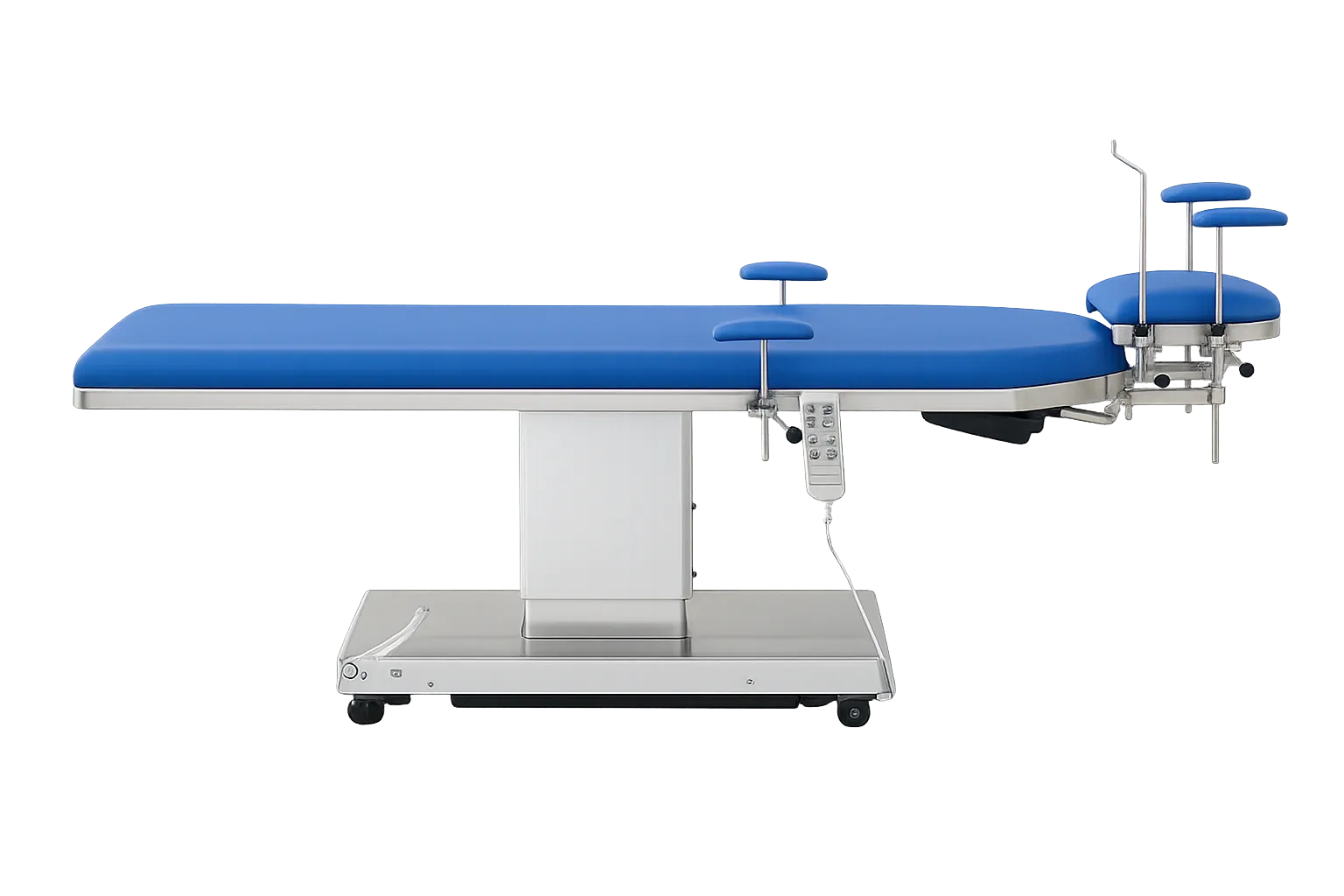
Cataract and anterior segment services are the primary setting, and the minimum height is why. Eye surgery is performed seated, with the surgeon at the patient's head, the eyes at the microscope eyepieces, and the forearms resting on supports, and every element in that arrangement has to line up. A table that cannot descend far enough forces the microscope higher and the surgeon to reach, which undoes the seated position it was meant to enable. At 530 mm, the arrangement works properly. Medigear.uk confirms patient load and accessory supply before any procurement decision, and all surgical technique and clinical judgement remain with the operating surgeon.
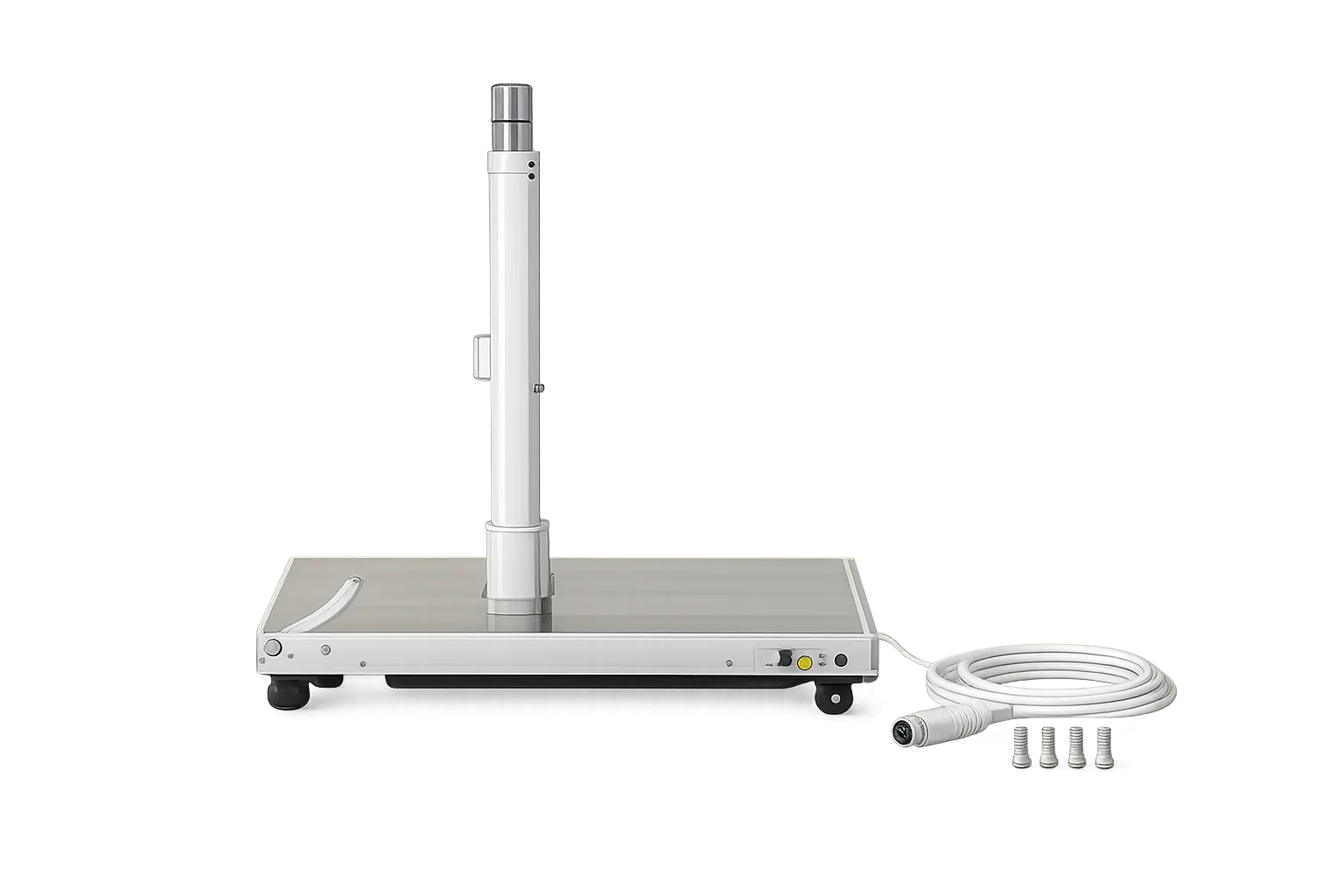
Services running mixed ophthalmic and ENT lists benefit from a table the manufacturer specifies for both. Height reaching 780 mm covers examination and patient positioning as well as the operating position, so one table serves more of the timetable rather than sitting idle between eye lists.
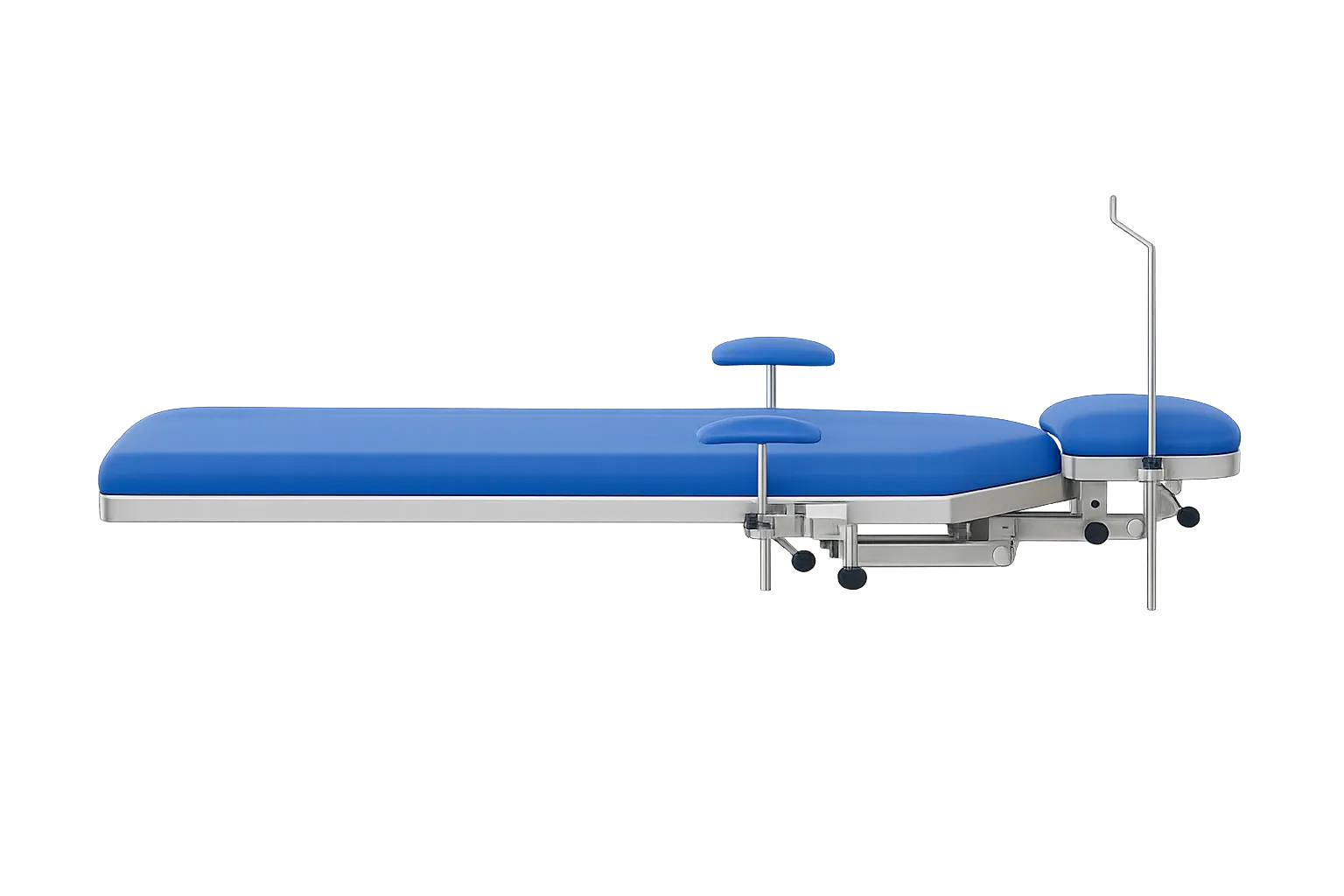
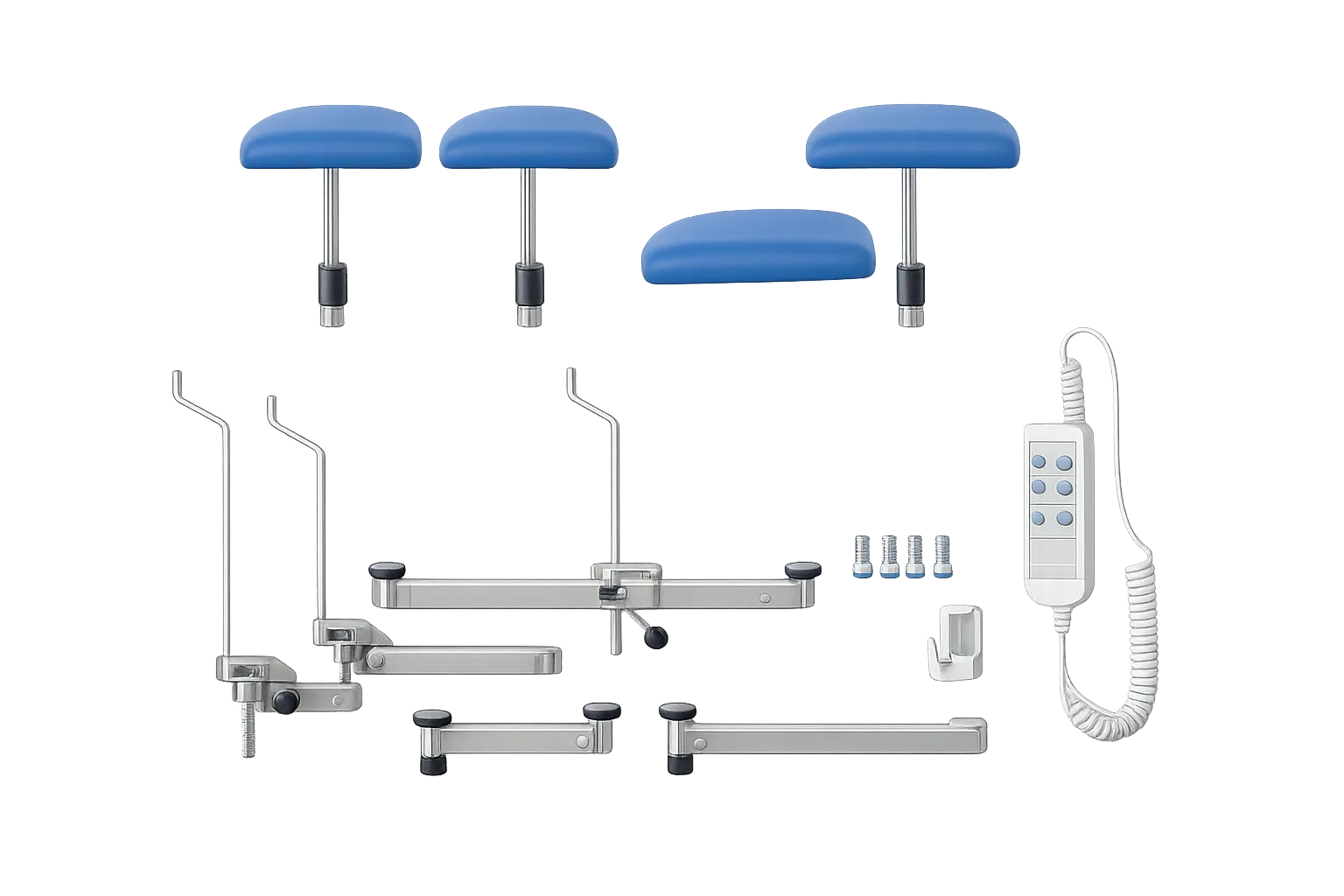
Microsurgical steadiness depends on forearm support, since an unsupported hand carries tremor;r a supported one does not. Product imagery shows padded armrests on adjustable arms at the head end, and Medigear.uk confirms whether these form part of standard supply, as they are not an optional refinement in this context but part of what makes the seated position workable at all.
Theatres should establish patient load capacity and tilt provision at quotation. Neither ispublishedh, both bear on which procedures the table supports, and load capacity feeds a service's own risk assessment as much as its clinical judgement. Medigear.uk obtains the manufacturer's stated figures rather than inferring them from comparable tables.