
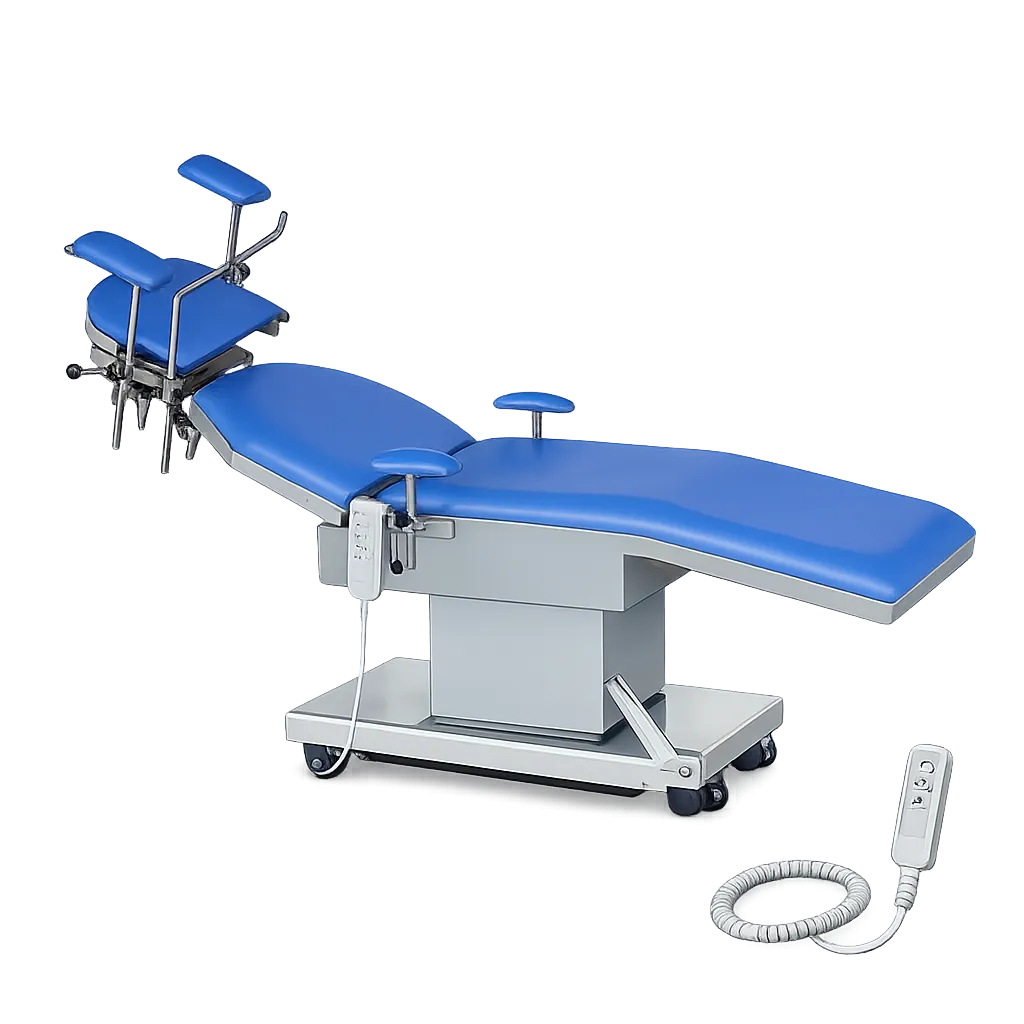

High-throughput outpatient clinics are where this table's role in examination is tested. An operating list is a handful of cases in a session; an examination clinic is a queue, and every patient means the surface has to be cleaned again. That volume is why cover specification and replacement availability carry more weight here than on a table used only for surgery, and Medigear.uk obtains both in writing before any procurement decision. All clinical technique and infection control policy remain the service's own.
Services with formal cleaning protocols should ask about the section joints. Articulation creates places where sections meet that a flat top does not have, and joints are where fluid collects and a rapid wipe between patients misses. How the sections sit when flat, and whether the cover is continuous or seamed at the joints, are not published and are established at quotation.
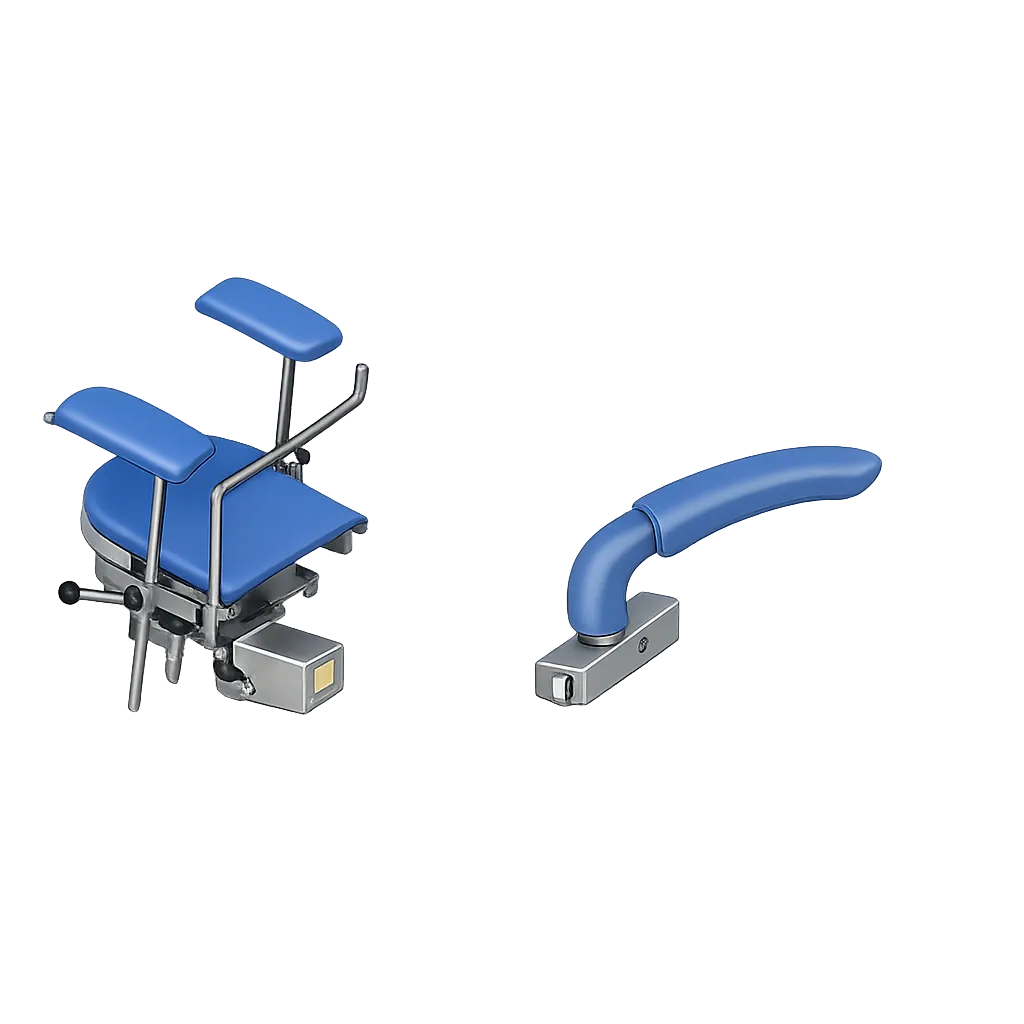
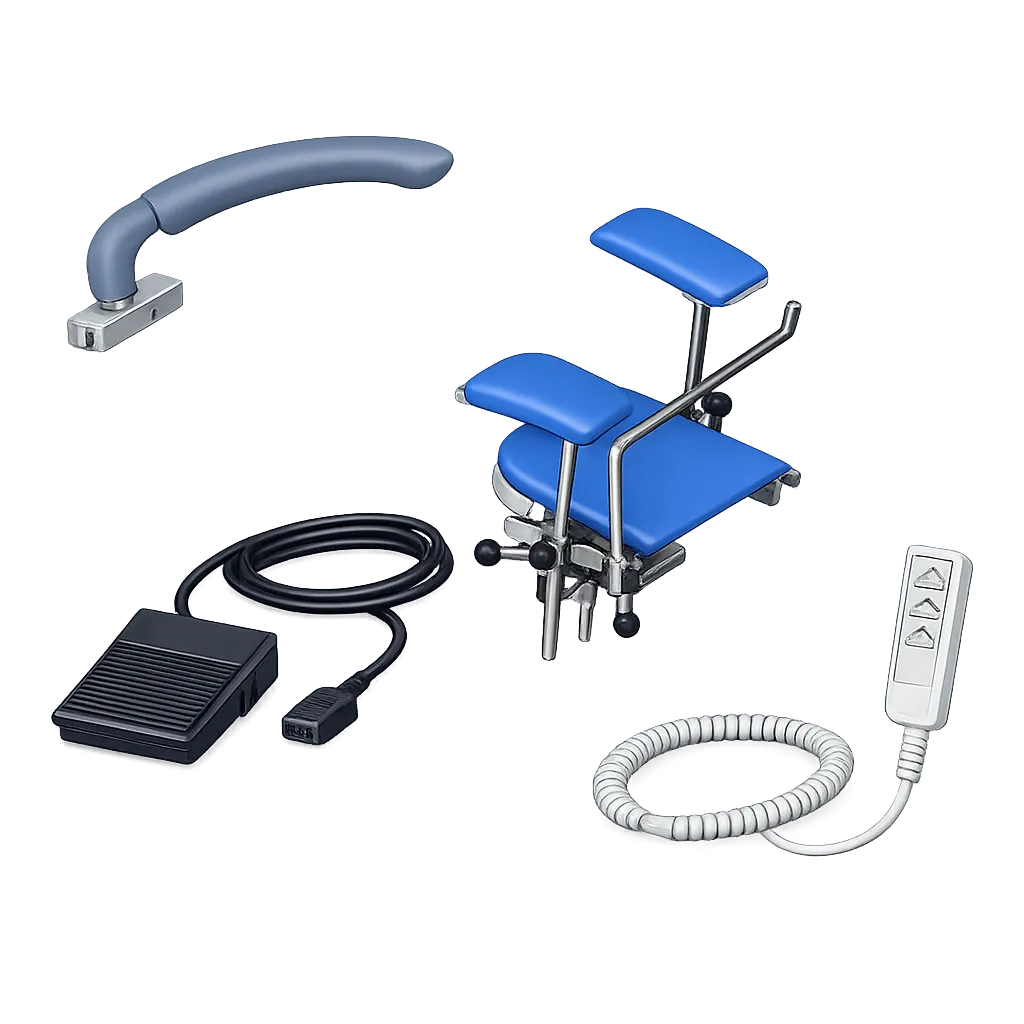
Ear, nose, and throat examination benefits from the upright position on its own terms, since throat and nasal work is easier with the patient sitting than supine, and the head-end armrest frame is retained for microsurgical work, where forearm support steadies the hand.
Units expecting the table to serve surgery as well should confirm it reaches a genuinely flat position and descends far enough for seated microsurgery. Neither figure is published for this variant, and a table that examines well and operates poorly is a more expensive examination couch. Medigear.uk obtains both alongside the cleaning and replacement details, so a service can see the whole picture before committing,g rather than discovering the limits in clinic.