
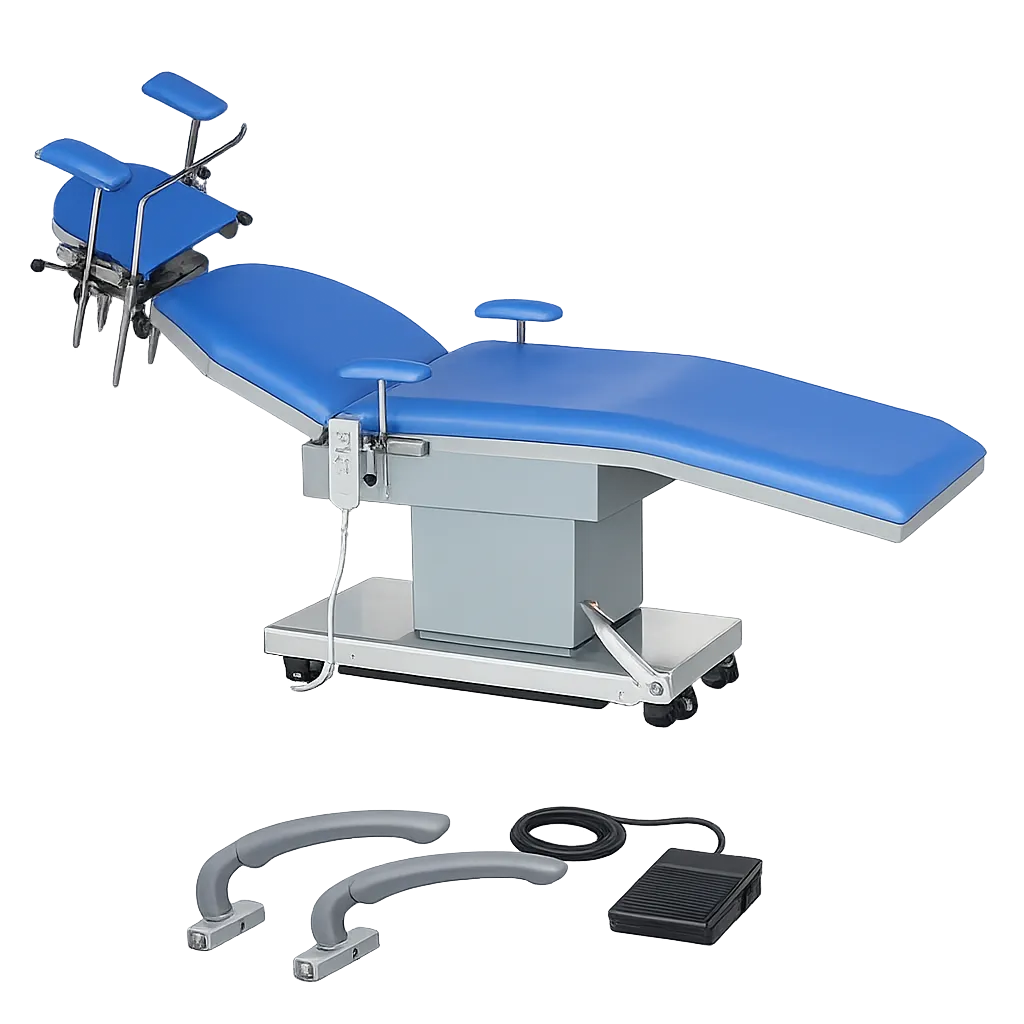
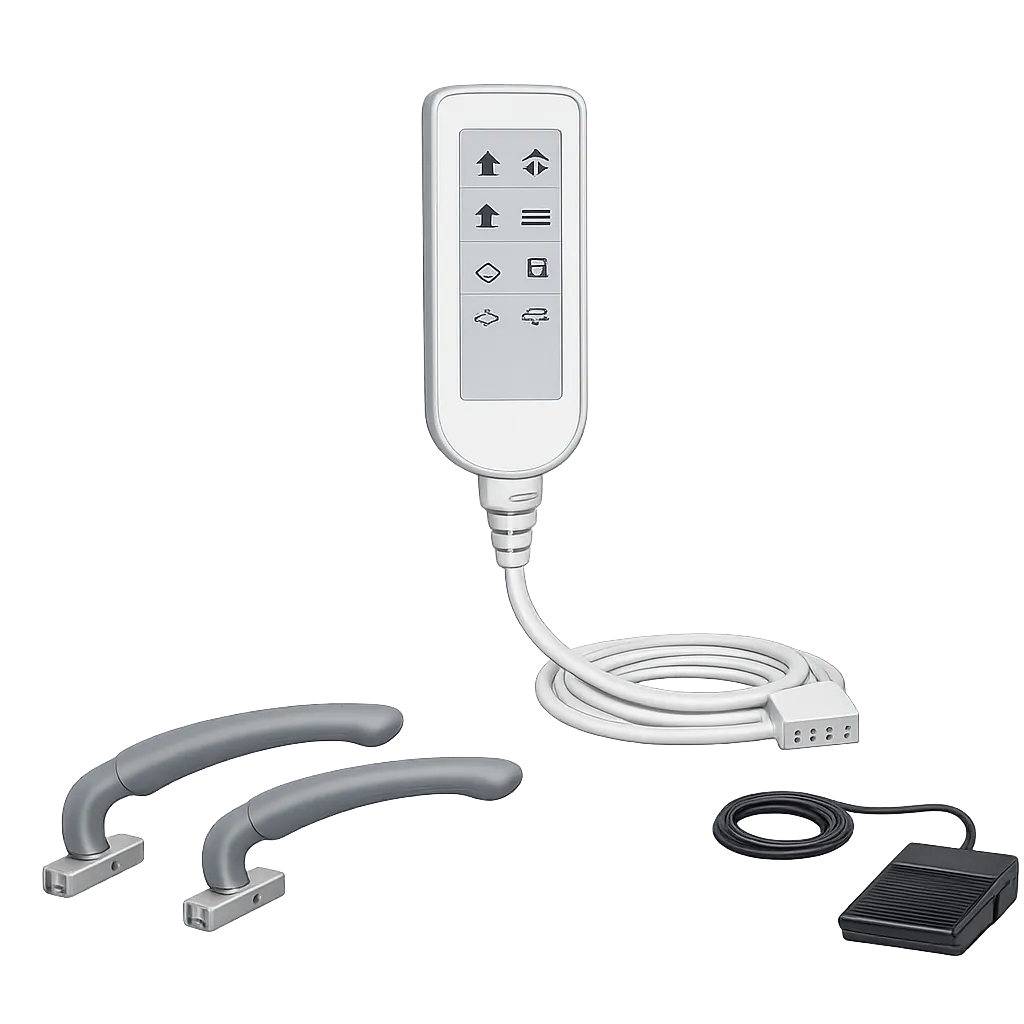
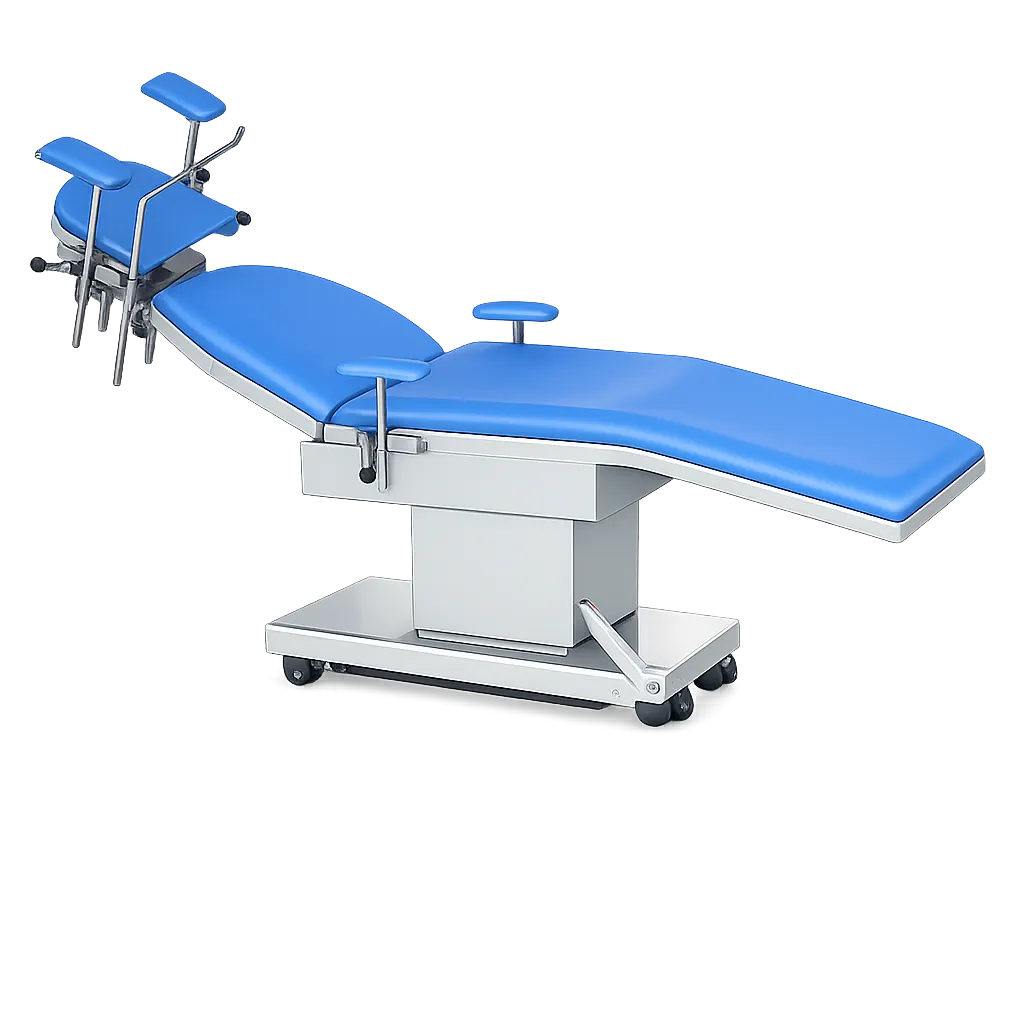
Clinics where a single room handles both examinations and minor surgery are the clearest fit. A table that articulates for examination and flattens for the procedure removes the need for separate furniture, which matters where space or budget will not stretch to both. Medigear.uk confirms the backrest angle range and the minimum height before any procurement decision, since a table that articulates but will not lie truly flat, or will not descend far enough for seated microsurgery, covers one job well and the other poorly.
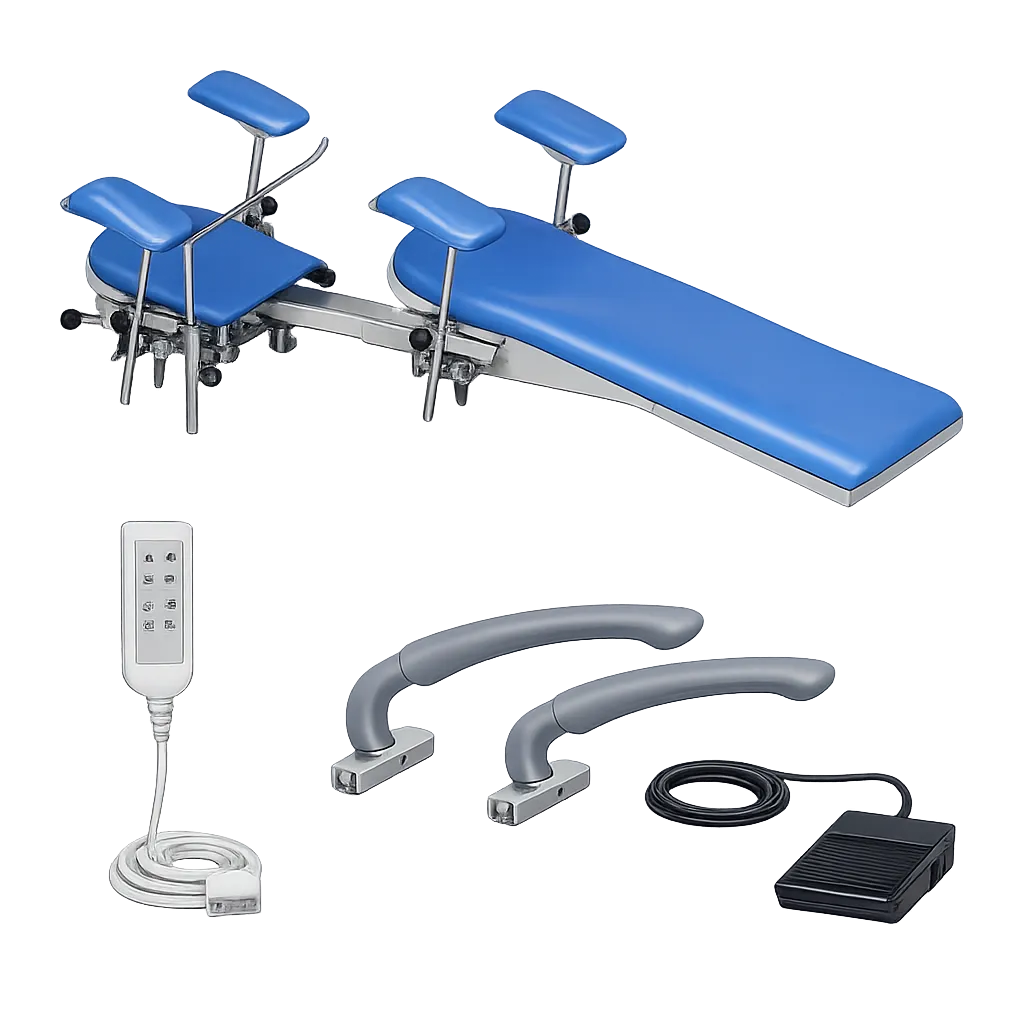
The ear, nose, and throat examination benefits directly from the upright position. Throat and nasal examination is easier with the patient sitting than supine, so the articulated position suits the work rather than simply accommodating the patient. The head-end armrest frame is retained alongside, which matters when the same table also serves ophthalmic microsurgery, since forearm support is what steadies a hand working at that scale.
Services seeing elderly or cardiac patients should weigh the articulation for a different reason. Orthopnoea is common in those groups, and a proportion of any adult list cannot lie flat comfortably at all. A backrest that raises accommodates them without a separate chair taking up room, and without the appointment becoming an ordeal for the patient.
Units running mixed ophthalmic and ENT lists get most from one unit covering both specialities and both postures. Dimensions, patient load,d and articulation angles are all confirmed for this variant rather than read across from a sibling reference in the same family, since the published description covers the full range without distinguishing among the models within it.