
Bedside and Domiciliary Imaging
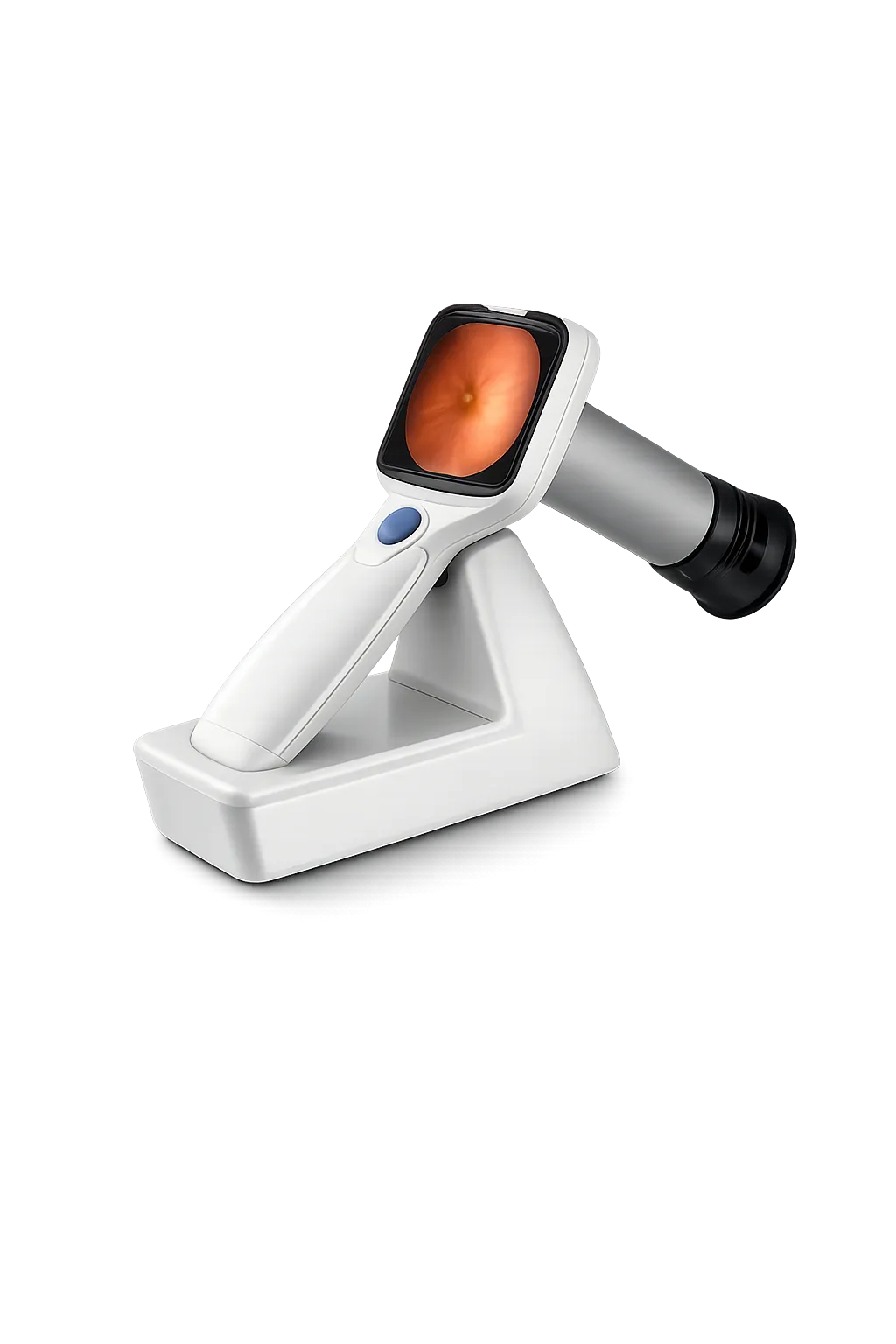
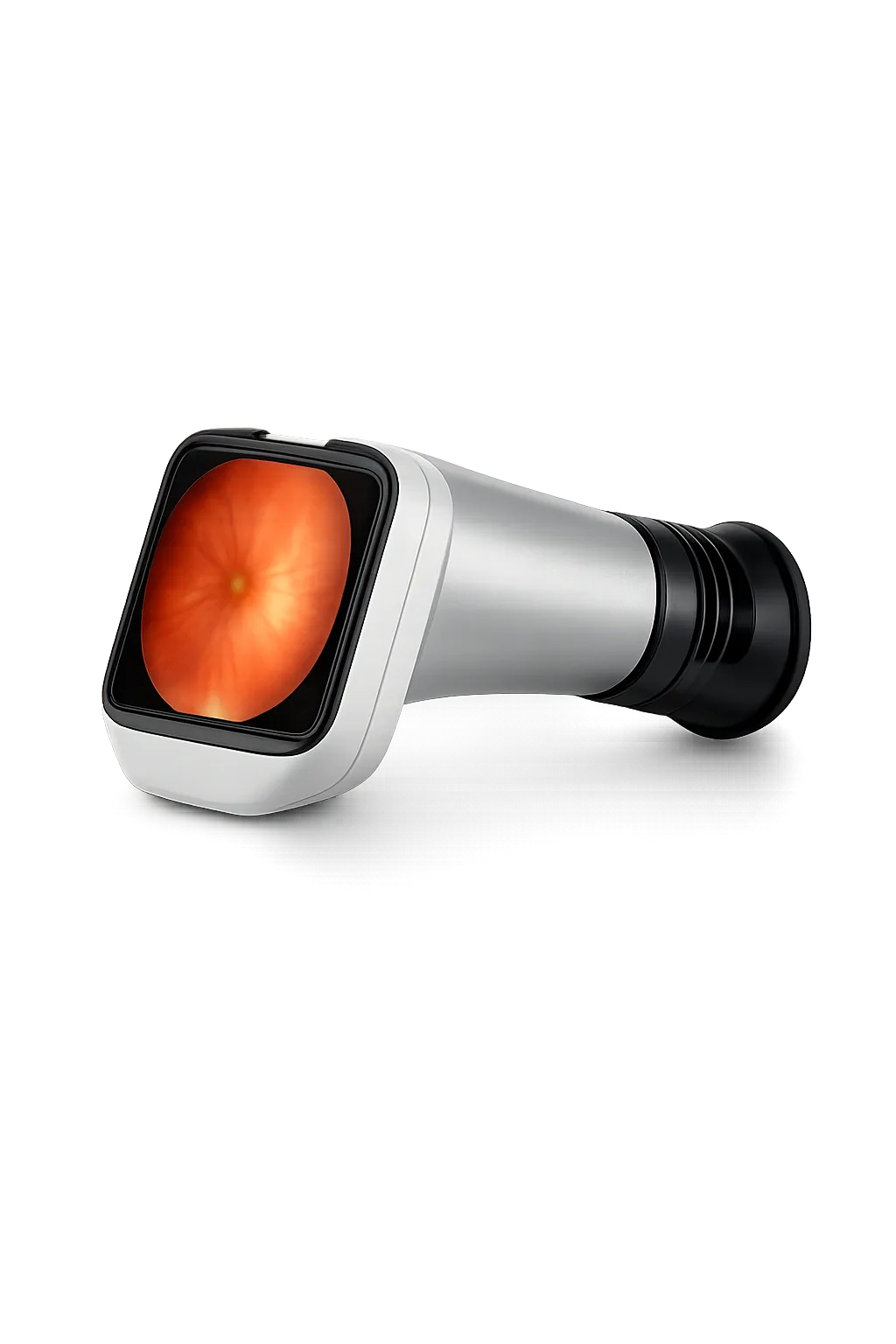
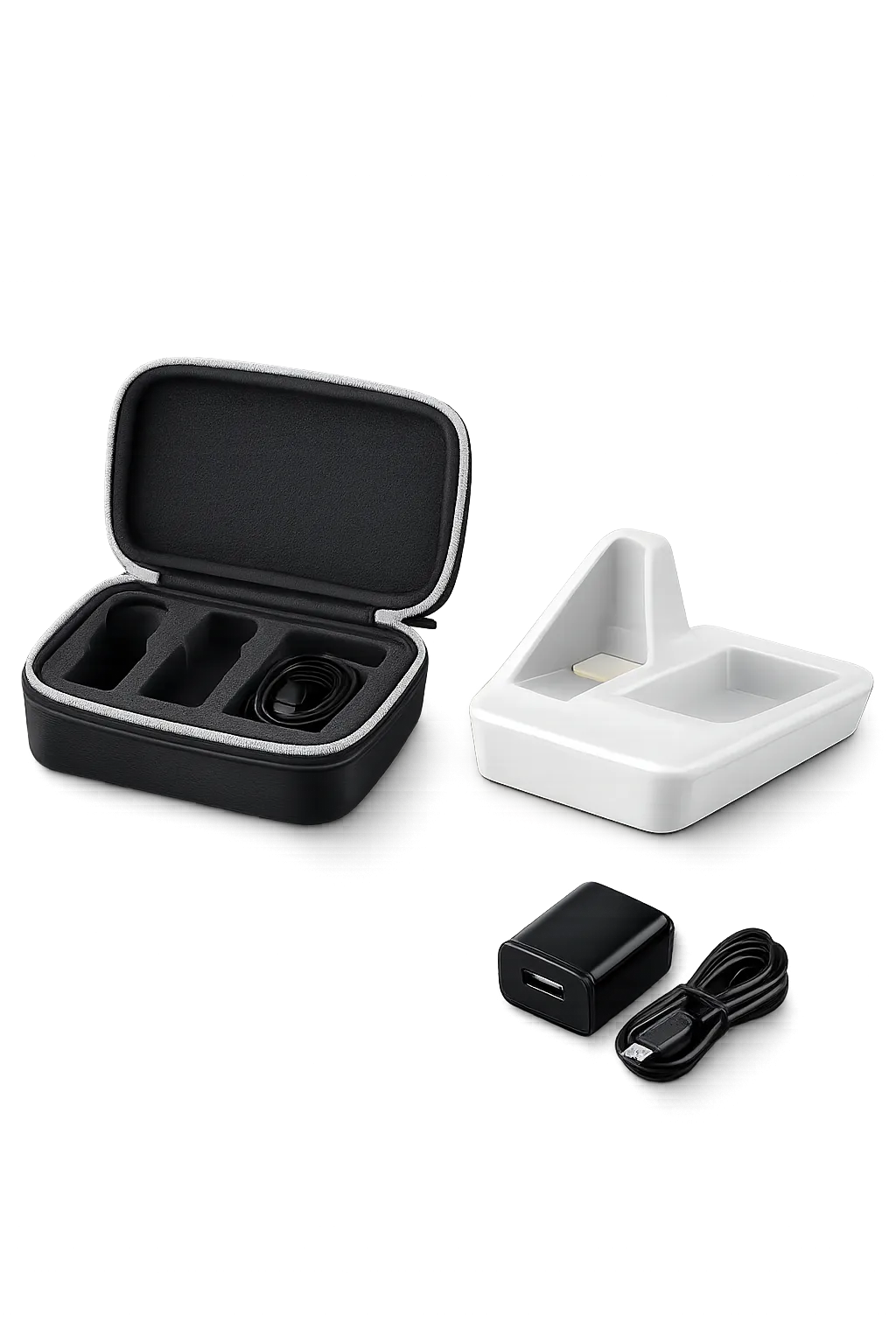
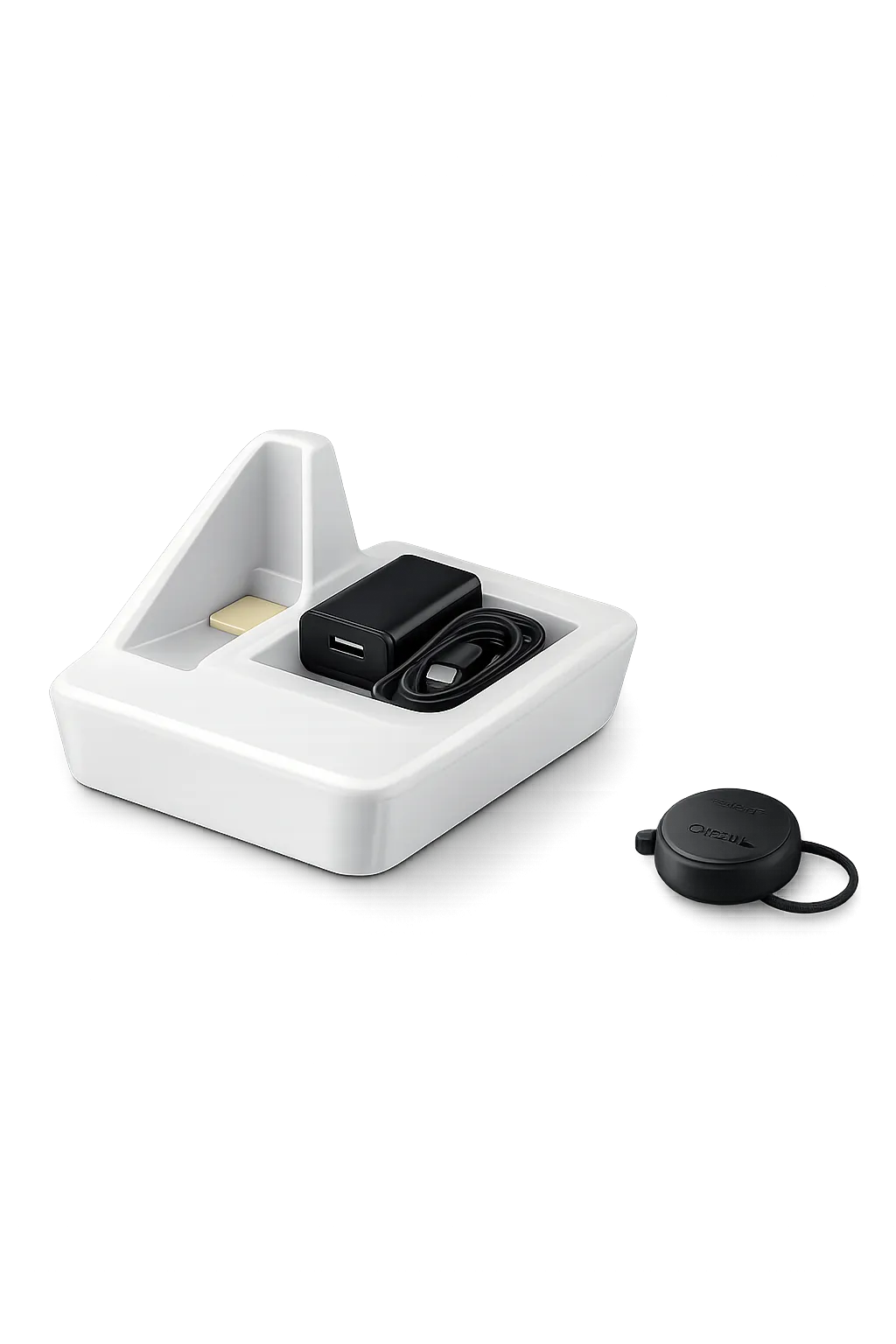
At 400 grams with battery operation and no mains requirement, the camera reaches patients who cannot attend a clinic. For anyone bedridden or with restricted mobility, an instrument carried to them is the only practical route to a retinal image at all. Travel is genuinely impossible for some patients. Reach is what the design delivers here. Care homes and home visits both come within range. Attendance stops being the obstacle.
Services Wanting One Instrument for Two Settings
Slit lamp conversion means the same camera serves bench examination and handheld work. A department that would otherwise hold two instruments can consider one, though whether the mounted mode suits its bench work is a question for the clinicians involved. Two instruments become one for some services. Confirmation of fit matters beforehand. Bench work and bedside work use the same camera. Adapter fit should be checked first.
Remote Consultation Arrangements
Wireless transfer and the described consultation software suit arrangements where images are reviewed away from the point of capture. The instrument captures; grading and interpretation rest with the clinician receiving the images. Distance stops obstructing review entirely. Capture and grading separate cleanly. Reviewers work from wherever they happen to be. Images arrive as they are captured.
Settings Without Ophthalmic Equipment
Small clinics, community services and general practice rarely hold mounted retinal cameras. A handheld instrument needing no stand, no power and no dilation gives those settings retinal imaging, with clinical suitability determined by the service itself. No stand or mains socket is required. Suitability is determined by the service. Handheld operation suits constrained rooms well. Clinical judgement governs throughout.